Fabric and Trim Sourcing Capability
Material sourcing connected directly to women’s product development, sample approval, production readiness, and repeatable bulk standards.
- 30+ regularly used fabric suppliers, including about 8 core long-term fabric partners for recurring development and repeat production.
- Dongguan/Humen and Guangzhou Zhongda sourcing routes support fashion fabrics, mesh, prints, woven materials, trims, accessories, and specialty alternatives.
- Fabric review can cover GSM, shrinkage, colourfastness, pilling, stretch/recovery, dimensional stability, surface behaviour, and incoming lot condition when relevant to the garment.
- Sourcing decisions are tied to fit, construction, MOQ, sample approval, PPS, bulk lot control, and the intended market rather than treated as a separate purchasing task.





What Fabric and Trim Sourcing Capability Should Deliver
Strong sourcing is not measured by the number of swatches on a shelf. The real test is whether material requirements can move from design intent into approved production inputs without losing fit, appearance, function, or commercial feasibility.
Requirement Translation
A reference garment, sketch, Tech Pack, swatch, or mood image rarely contains enough information for direct purchasing.
The first job is to translate the visual target into a usable material brief: fiber and construction, weight, width, stretch direction, recovery, handfeel, drape, opacity, colour, surface, finishing, documentation, and intended garment use. When the specification is incomplete, several feasible routes may be compared rather than forcing one unsupported assumption. The result should be a sourcing brief that a mill, fabric supplier, trim supplier, sample room, and technical team can all interpret consistently.
- Output: a usable material specification for supplier comparison.
- Best inputs: Tech Pack, swatch, reference garment, or clear target.
Supplier Route Selection
- Compare stock, similar-match, and custom-development routes before commitment.
- Keep quantity, colour, timing, and approval risk visible.
Approval and Risk Control
Finding a fabric or trim is only the middle of the job. A sourcing option needs to be checked against the garment it will serve.Fabric approval can require handfeel, GSM, stretch/recovery, drape, opacity, shade, shrinkage, colourfastness, surface appearance, or documentation depending on the product. Trim approval can require size, colour, finish, strength, recovery, attachment, function, and wash behaviour. Material risk is therefore handled before bulk cutting wherever possible, using swatches, physical samples, garment samples, relevant tests, and approved references instead of relying on supplier descriptions alone.
- Approve only the variables that matter for the garment.
- Use garment samples when material behaviour changes fit or function.
Bulk Continuity
An attractive development swatch is not enough if the same standard cannot be carried into bulk. Approved material references should connect to the actual bulk lot, colour, handfeel, specification, and PPS before cutting.
Where sample substitutes are used during early development, they must be clearly separated from the final bulk standard. The sourcing process also needs a route for later reorders: supplier changes, new dye lots, revised trims, or unavailable materials should trigger review rather than silent substitution. Continuity is the point where sourcing becomes manufacturing control rather than simple procurement.
- Lock approved references before PPS and bulk cutting.
- Review supplier, lot, finish, or trim changes on reorder.
Six Checks for Evaluating a Material Sourcing Partner
A capable sourcing partner should make material decisions easier to verify, not harder to trace. Six checks help brands compare suppliers on operating depth instead of broad claims about access or experience.
Product Understanding
Material selection must start with the garment, not with a generic fabric catalogue. A fitted dress, fluid skirt, swim style, structured top, or co-ordinated set asks different questions about stretch, recovery, drape, opacity, support, seam behaviour, lining, and hardware.
A supplier that can explain how material behaviour changes fit and construction is more useful than one that only lists fiber names. Review whether the sourcing team asks about silhouette, body area, support, intended finish, target market, and approved fit before proposing materials.
- Start from silhouette, fit pressure, support, and construction.
- Reject generic fabric recommendations that ignore garment behaviour.
Supplier Depth
Supplier depth means having more than one way to solve a specification. Useful evidence includes repeat relationships, access to different material markets, the ability to compare existing stock with custom routes, and the ability to find alternatives when MOQ, shade, lead time, or performance blocks the first option. XZ Apparel works with 30+ regularly used fabric suppliers, including about 8 core fabric partners, while also using Dongguan/Humen and Guangzhou Zhongda sourcing routes. The value lies in choice and recovery options, not in turning a supplier count into a marketing number.
- Maintain repeat suppliers for continuity and wider routes for alternatives.
- Measure network value by response, suitability, and recovery options.
Specification Control
A strong sourcing process turns vague language such as “soft stretch satin” or “premium sculpting jersey” into measurable and reviewable parameters. Composition, construction, GSM, stretch direction, recovery, width, surface, colour, drape, opacity, and finishing may all affect the outcome. Trim specifications should also define type, dimensions, colour, finish, function, attachment, and branding requirements. When specifications are recorded before approval, product development, sample comments, supplier communication, and bulk inspection are less likely to drift in different directions.
- Record measurable variables before sample approval and bulk booking.
- Keep fabric and trim versions aligned with the BOM.
Commercial Feasibility
A technically attractive material can still be the wrong sourcing choice when supplier MOQ, custom colour setup, trim tooling, lead time, or order structure do not fit the programme.
Garment MOQ, fabric MOQ, trim MOQ, and process MOQ should be treated separately. The sourcing team should be able to explain whether stock alternatives, shared materials across styles, shared trims, colour consolidation, or higher programme volume can improve feasibility. Commercial trade-offs should be visible before a collection is locked, not discovered after sample approval.
- Separate garment, fabric, trim, and process thresholds.
- Resolve commercial constraints before the collection is fully locked.
Approval Discipline
A swatch should not become an approved production material simply because it looks close to a reference. Approval needs a defined object and a defined standard.
Depending on the garment, review may include handfeel, GSM, stretch/recovery, opacity, shrinkage, colour, shade, surface, print behaviour, or documentation. Components such as elastic, zippers, cups, boning, lace, and hardware may also need function or attachment checks in a garment sample. Clear approval gates reduce the chance of carrying unresolved material questions into PPS or bulk.
- Define the approved object: swatch, trim, garment, or document.
- Record conditions that trigger another review or sample.
Repeatability
Repeat orders expose weak sourcing systems quickly. A material that worked once may come from a new lot, revised supplier, changed finish, or different trim batch later. Reorders therefore need a change review against approved references rather than an automatic repeat purchase. Material identity, colour, lot, specifications, documentation, and trim versions should be checked whenever a variable changes. For larger programmes, version control and approved material references become as important as initial sourcing speed because the same standard must survive across multiple drops and seasons.
- Recheck new lots and revised components against approved standards.
- Make changes visible before booking, cutting, or repeat production.
Build a Sourcing-Ready Fabric and Trim Brief
Better sourcing starts with better inputs. A concise brief helps suppliers search the right route, compare alternatives fairly, and identify MOQ, testing, colour, and timing constraints before sample development begins.
Composition Target
State the preferred fiber content when it matters, but avoid treating composition as the whole specification.
Two fabrics with the same polyester/elastane ratio can behave differently because of yarn, knit or weave construction, finishing, weight, and stretch direction.
If the exact composition is flexible, define the performance or handfeel target so alternative routes can still be evaluated.
Construction and Weight
Include knit or woven construction where known, together with GSM or another useful weight reference. Weight affects opacity, drape, body, recovery, consumption, seam behaviour, and the way a garment hangs.
For fluid dresses and skirts, the usable window may be very different from fitted contour styles or swimwear.
A physical swatch can help when the specification is not yet formalised.
Stretch and Recovery
Specify whether stretch is required in one direction or multiple directions, and consider recovery rather than stretch percentage alone. High extension with weak recovery can cause waistlines, knees, necklines, or fitted panels to lose shape. For bodycon, swim, active, shaping, and other close-fitting products, material behaviour needs to be reviewed together with negative ease, support, lining, and seam construction.
- Decision impact: negative ease, waist retention, neckline stability, and fit.
- Review direction, extension, recovery, lining, and heat exposure together.
Handfeel and Drape
Words such as soft, fluid, dry, cool, peach, buttery, crisp, or compact can mean different things to different suppliers. Add a swatch, reference garment, or comparative sample when handfeel is commercially important. Drape should also be tied to silhouette: a bias slip dress needs controlled fluidity, while a corset-inspired top needs enough stability to work with its internal structure and lining.
Colour and Surface
Provide Pantone, approved colour standard, print artwork, or physical reference where available. Note whether sheen, brushed finish, texture, mesh openness, lace motif, coated surface, or print definition is part of the target. Custom dyeing may require lab dip approval, supplier MOQ, and added lead time. Colour requirements should also consider lining, elastic, zippers, lace, thread, and hardware where visible.
Trim Specifications
List closure, elastic, lining, cups, underwire, boning, lace, buttons, hooks, snaps, hardware, labels, hangtags, and packaging elements that influence the garment.
Add dimensions, colour, finish, branding, function, and application requirements. A trim item that looks minor on the BOM can still control fit, support, opening function, comfort, durability, MOQ, or production timing.
Documentation Needs
If a market, retailer, or internal standard requires material documents, define the requirement before sourcing. Material certification, factory audit status, third-party testing, and transaction or supplier documents are not interchangeable. The sourcing route can change when a specific document scope is required. Stating the requirement early avoids presenting a fabric option that later fails qualification even though its appearance is suitable.
Quantity and Timeline
Give style count, colour count, quantity per style/colour, target sample date, PPS window, and bulk delivery requirement. These inputs affect whether stock, similar-match, custom colour, custom construction, or shared-material routes are commercially realistic. Multi-style programmes can sometimes use shared fabrics or trims to improve supplier MOQ efficiency, but the decision has to be made before each style is sourced independently.
Sourcing Routes Across Dongguan, Humen and Zhongda
XZ Apparel combines repeat supplier relationships with nearby fashion-material markets and broader specialty sourcing routes, allowing each project to use the channel that best matches speed, specification, and production risk.

Dongguan and Humen
- Best used for fast physical comparison and nearby co-ordination.
- Keep specification and approval discipline even when sourcing is local.
Guangzhou Zhongda
Guangzhou Zhongda expands the search field for woven fabrics, fashion materials, printed options, and specialty constructions that may not be available through a core supplier.
The route is valuable when a reference requires a wider comparison set, when a first material option fails on cost or availability, or when a collection needs more differentiated surfaces and constructions.
Zhongda should not be treated as a substitute for controlled sourcing; selected materials still need specification review, swatch comparison, commercial feasibility, and approval before becoming a production standard.
- Use wider market depth for specialty and alternative searches.
- Move selected options through the same approval and feasibility gates.
Core Supplier Network
XZ Apparel regularly uses 30+ fabric suppliers, with about 8 core fabric partners supporting repeat development and programme stability.
Core relationships are most valuable when the project needs consistent communication, repeat material knowledge, predictable sample support, and a clear escalation path when lot, shade, specification, or lead-time issues appear. The wider network remains important for alternatives and specialty searches.
Keeping both layers available reduces dependence on a single material route while maintaining a smaller group of suppliers familiar with recurring requirements.
- Core partners support repeat communication and programme familiarity.
- Wider suppliers provide alternatives when the first route is blocked.
Choose the Right Fabric Development Route
Material sourcing should follow the programme requirement rather than a fixed “custom” or “stock” rule. Each route changes lead time, MOQ, approval work, repeatability, and the level of development control.
Sourcing Route | Best Fit | Commercial Effect | Approval Focus |
Existing Stock / Existing Spec | Time-sensitive styles, proven constructions, fast development | Usually faster; still subject to colour availability, supplier stock and material MOQ | Lot, shade, GSM/spec, handfeel, testing relevance |
Similar Match | Reference garment, swatch, photo-led development | Requires side-by-side comparison; may reduce custom setup | Handfeel, drape, weight, stretch/recovery, surface and colour |
Custom Colour / Finish | Brand colour, seasonal palette, signature surface | Dye/finish MOQ and additional development time may apply | Lab dip, colour standard, light-source review, finish consistency, lot control |
Custom Construction / GSM | Specific performance, opacity, structure, drape or handfeel target | Higher supplier commitment and longer setup are common | Construction, GSM, width, stretch/recovery, sample performance and test plan |
Documented Material Route | Retailer or programme-specific material documentation | Supplier pool may narrow; documentation availability can affect feasibility | Entity, scope, validity, material applicability, PO/style traceability |
Match Fabric Behaviour to the Garment You Are Building
Women’s fashion materials should be selected by silhouette and construction, not by fiber name alone. The same fabric can be successful in one style and create fit, sewing, opacity, or support problems in another.
Fitted and Bodycon Styles
Close-fitting dresses, tops, skirts, and contour pieces rely heavily on stretch direction, recovery, opacity under extension, surface appearance, and seam stability. A fabric can feel soft on a swatch yet bag at the waist, shine under tension, show through at the hip, or create seam waviness after sewing. Sourcing should therefore review the intended negative or low ease, lining requirement, panel structure, and wear pressure. For fitted fashion, recovery is often as important as stretch percentage because the garment needs to return toward its intended shape after movement.
- Prioritise recovery, opacity under stretch, and seam stability.
- Review negative ease together with lining and panel construction.
Fluid and Bias Styles
Slip dresses, bias skirts, draped tops, and fluid occasion pieces need more than a “soft” fabric description. Weight, drape, grain behaviour, surface friction, seam slippage risk, hanging growth, opacity, and lining compatibility can all change the silhouette. A similar-looking satin may behave very differently after cutting on bias or hanging overnight. Material review should compare the visual reference with the garment’s construction route, not simply match colour and sheen. The aim is controlled fluidity that preserves neckline, hem, side seam, and length balance through sampling and wear.
- Compare drape, hanging growth, surface friction, and seam behaviour.
- Validate neckline, hem, and side-seam balance in the garment.
Swim and Stretch Products
Swimwear combines fabric, lining, elastic, coverage, support, recovery, and colourfastness more tightly than ordinary stretch fashion. Main fabric extension must be reviewed with recovery and fit intent, while lining changes opacity, support, and comfort. Elastic width, recovery, application ratio, and edge construction can alter leg openings, neckline hold, and strap behaviour. A fabric that stretches well in hand can still perform poorly if recovery is weak or if the lining and elastic system behave differently. Sourcing decisions should be validated in the garment rather than approved as isolated materials.
- Treat main fabric, lining, elastic, fit, and coverage as one system.
- Check recovery and colour behaviour, not stretch alone.
Structured Fashion Pieces
Corset-inspired dresses and tops depend on a material system rather than a single shell fabric. Outer fabric, lining, cup, underwire, boning, channel material, zipper, seam construction, and reinforcement need to work together. A soft shell may still be viable when the internal structure carries the load, while a stiffer outer fabric can create bulk if combined with heavy lining and support components. Sourcing should review stability, comfort, thickness, surface, attachment method, and the relationship between material layers before the sample is treated as a final standard.
- Balance shell, lining, cups, boning, support, and closure.
- Watch thickness, comfort, attachment, and visible bulk between layers.
Tops, Bottoms and Sets
Commercial tops, skirts, trousers, and matching sets often need a balance of drape, shape retention, opacity, wash behaviour, and repeatability across several SKUs. Sets add another requirement: top and bottom pieces should align in shade, handfeel, surface, and lot behaviour where the same fabric platform is used. Shared materials can improve collection consistency and supplier efficiency, but only when the construction needs are compatible. A fabric platform should therefore be approved against all intended applications rather than assumed to work because one sample passed.
- Use shared fabrics only where construction needs are compatible.
- Keep shade and handfeel consistent across co-ordinated pieces.
Source Trims as Functional Parts of the Garment
Trims influence support, closure, comfort, branding, MOQ, assembly, and repeatability. Treating them as late-stage accessories creates avoidable sample revisions and bulk risk.
Elastic Systems
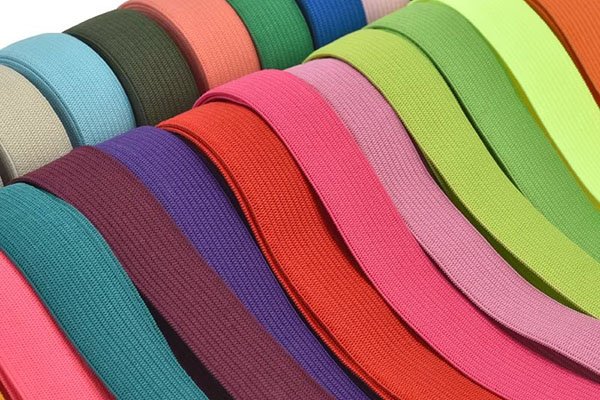
Elastic can define waist retention, swim edges, support, gathering, or internal structure.
Width, stretch, recovery, application ratio, handfeel, heat behaviour, and colour all matter. Incorrect elastic can cut into the body, wave after sewing, lose recovery, or change the intended fit.
Approval should consider the garment application rather than only the supplier specification.

Zippers
Zipper type, length, tape colour, slider, puller, strength, flexibility, and finish affect both appearance and function. Lightweight dresses may need a different zipper behaviour from trousers or structured garments.
Custom colours or hardware can introduce supplier MOQ and lead time. Physical sampling helps identify waviness, jamming, colour mismatch, excessive stiffness, or puller conflicts before bulk purchase.
Buttons and Closures
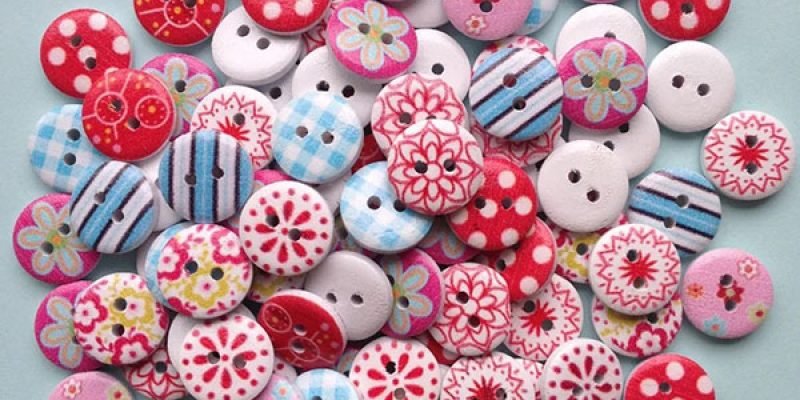
Buttons, snaps, hooks, and related closures require more than visual approval. Size, material, finish, attachment method, pull strength, corrosion behaviour, and placement can influence durability and garment balance.
Fashion-led custom finishes may also carry plating or tooling requirements. Closure selection should be made together with fabric thickness, reinforcement, seam allowance, and production method.
Lace and Decorative Trims

Cups and Underwires
Cups and underwires influence bust shape, support, comfort, neckline position, and grading.
Cup shape, thickness, size range, wire shape, channel compatibility, and attachment need to match the pattern and intended fit.
Components should be reviewed within the garment because an isolated cup can appear correct but sit differently once lining, shell, straps, and body tension are added.

Boning and Support
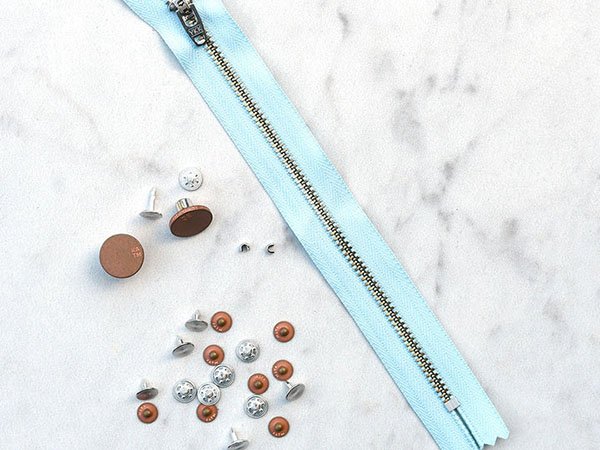
Metal Hardware
Rings, sliders, buckles, branded metal parts, and decorative hardware require review of finish, weight, dimensions, attachment, plating appearance, and compatibility with the fabric.
Heavy hardware can distort lightweight materials; sharp edges can damage delicate surfaces.
Custom logos or finishes may also carry supplier MOQ, tooling, and lead-time requirements that need to be identified before production timing is locked.
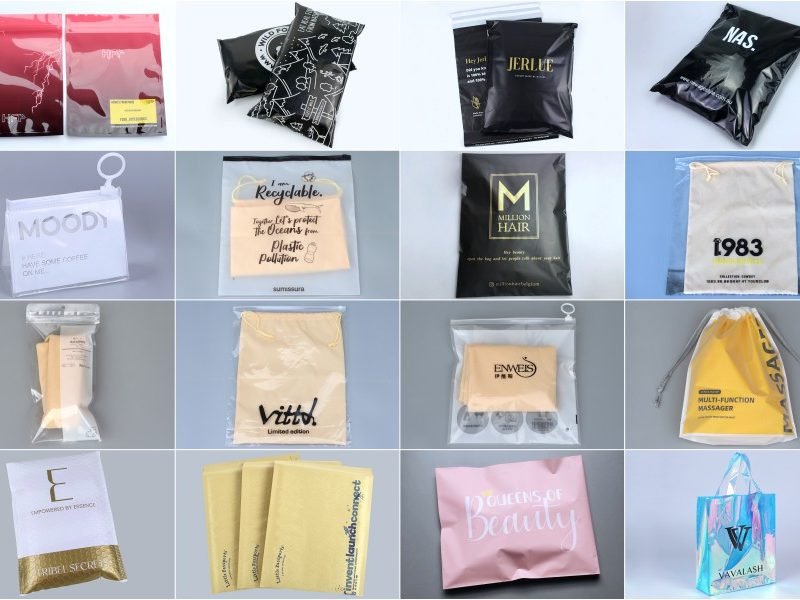
Labels and Packaging
Woven labels, care labels, size labels, hangtags, polybags, and other packaging items affect branding, compliance, version control, and shipment readiness.
Artwork, fiber content, language, size information, barcode or retail requirements, and packing method should be controlled by approved versions.
Reorders require the same discipline because an old label file or packaging instruction can create a production error even when the garment itself is unchanged.
How Fabric and Trim Sourcing Moves Into Production
A sourcing route becomes useful only when it connects requirement, physical approval, garment development, and bulk purchasing. Fabric and trim tracks run in parallel but meet at the sample and PPS gates.
Fabric Sourcing Workflow
Fabric sourcing begins by breaking the garment requirement into material variables rather than sending a supplier a product photo and asking for something similar. Composition, construction, GSM, width, stretch/recovery, handfeel, drape, opacity, colour, finish, documentation, garment use, quantity, and timing form the working brief. The sourcing team can then decide whether to start with a core supplier, a local Humen/Dongguan route, a broader Zhongda search, or a custom-development conversation.
Candidate swatches are compared against the intended garment, not only against each other. A fluid dress may prioritise drape and hanging behaviour, while a fitted style needs stronger attention to recovery and opacity under extension. When colour is custom, lab dip or approved colour references become part of the route. When a supplier offers a similar material rather than an exact match, the difference should be made visible so design and technical teams can decide whether the trade-off is acceptable.
Selected material then moves through physical approval, relevant testing or inspection, garment sampling, and the commercial check for supplier MOQ, colour availability, and lead time. The final production route should identify the approved specification and bulk material source. Early sample substitutes can still be used when necessary, but they must not be allowed to become an unspoken bulk standard. The workflow is complete only when the material approved for the garment can be booked, checked, issued, and traced into production.

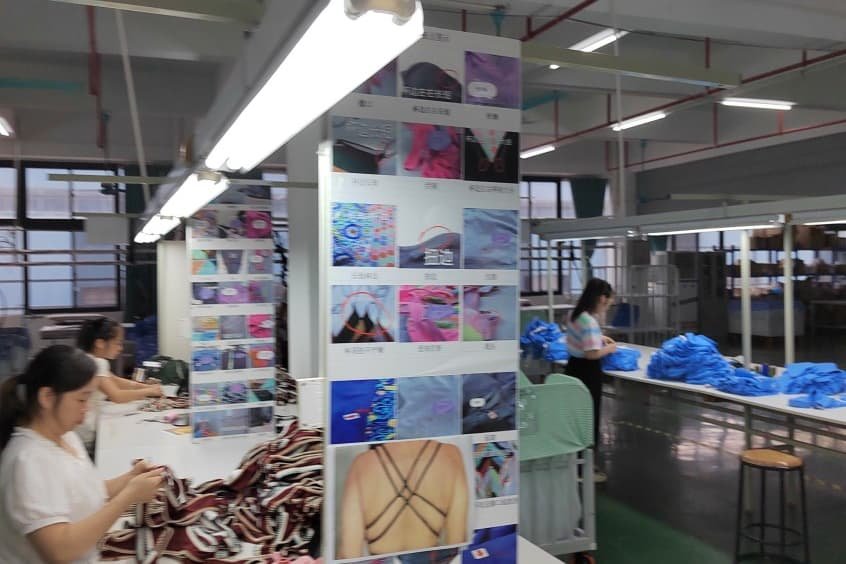
Trim and Component Workflow
Trim sourcing starts from function and application. A zipper needs a defined type, length, tape colour, slider and strength; elastic needs width, stretch/recovery, application ratio and handfeel; cups and underwires need shape and size compatibility; hardware needs dimensions, finish and attachment; labels and packaging need controlled artwork and version details. The specification should be clear enough for a supplier option to be compared on more than appearance.
Supplier options are followed by physical samples or swatches where appropriate. Colour, finish, dimensions, function, attachment, and the way the component behaves with the fabric are reviewed before it is treated as approved. For support or closure components, the garment sample is a critical gate because a technically correct component may still create discomfort, distortion, waviness, or fit changes once assembled.
After approval, the component reference is linked to the BOM and production standard. Bulk incoming checks can then confirm specification, colour, quantity, appearance, and relevant function before issue to production. Installation and function remain part of in-line and finishing control. Labels, hangtags, and packaging also require version control so old artwork does not reappear on repeat orders. The objective is a controlled component route from specification to packing, not a late purchasing task after the garment design is already frozen.
Approve Materials Before They Become Production Standards
Approval should define what has been accepted, how it was evaluated, and which version becomes the reference. Clear gates prevent unresolved swatches or trims from drifting into PPS and bulk.

Fabric Approval Is a Specification Decision
A fabric swatch can look convincing and still fail the garment once weight, stretch, recovery, opacity, drape, shrinkage, colourfastness, or surface behaviour is considered. Approval should therefore record the characteristics that matter for the product. For a bodycon dress, recovery and opacity under extension may be decisive. For a bias skirt, drape and hanging behaviour may matter more. For swimwear, fabric, lining, elastic, coverage, recovery, and colourfastness interact. A single universal approval checklist would miss these product differences.
The approved object can include composition, construction, GSM, colour, handfeel, finish, stretch/recovery, width, shade standard, supplier reference, and required documentation. Not every project needs every field, but the material standard should be specific enough to support sample comments and bulk verification. When a sample uses substitute fabric, the record should make the substitution visible rather than allowing the sample garment to imply that the material is final.
The garment sample remains an important validation gate because fabric behaviour changes once the material is cut, sewn, lined, stretched, pressed, washed, or combined with trims. Approval therefore moves from swatch to product application. The goal is not paperwork for its own sake; it is a shared reference for design, sourcing, sampling, production, and quality teams.
Trim Approval Must Include Function
Trim approval begins with the BOM and specification, but it should not end with a colour match. A zipper can be visually correct but too rigid for the fabric. Elastic can match the approved colour but create edge waviness or excessive pressure. A cup can match the size label but distort the neckline. Hardware can carry the right finish but scratch the fabric or feel too heavy. Support and closure components need to be judged in the context of the garment they control.
A disciplined route moves from supplier option to physical sample, then to appearance and functional review, garment sample, approved trim reference, bulk incoming check, installation/function QC, and packing version control. The amount of review depends on the component risk. Labels and hangtags may focus on artwork and version accuracy; cups, underwires, elastics, zippers, and support parts require stronger product-function validation.
Once approved, the trim reference should be tied to the correct BOM version and programme. Custom components can carry MOQ and lead-time constraints, so commercial approval belongs beside technical approval. A trim is truly production-ready only when the brand accepts the appearance and function, the supplier route is feasible, and the production team can identify exactly which version to use.
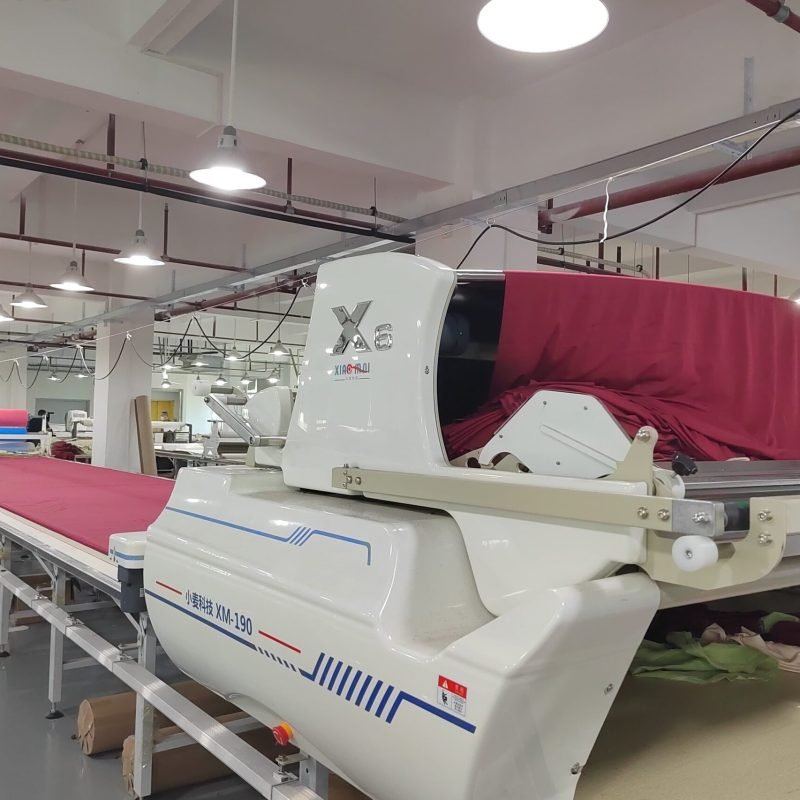
Protect Sample-to-Bulk Material Continuity Before Cutting
Sample approval does not automatically prove bulk material consistency. Bulk lots, shade, handfeel, specification, and component versions must be checked against the approved standard before production release.
Separate Development Substitutes From Bulk Materials
Early development sometimes uses a substitute fabric or readily available trim so pattern, fit, construction, or design proportions can be reviewed without waiting for the final material. Used correctly, the substitute can accelerate development. Used carelessly, it can create false confidence. A pattern approved in one stretch profile may behave differently in another; a lightweight lining may change support; a temporary zipper may alter the way a structured bodice sits; a sample made in a softer fabric may hide seam or drape issues that appear in bulk.
The development record should therefore identify whether a material is temporary, similar-match, or intended for bulk. When the final material arrives, key differences need to be reviewed before PPS. Colour, lot, GSM, handfeel, stretch/recovery, width, finish, opacity, and any product-specific performance criteria should be compared with the approved target. The garment may require another confirmation if the material change is technically meaningful.
This separation protects both sides of the programme. Design teams can keep sampling moving without pretending that a provisional material is final, while production receives a clear bulk reference rather than trying to infer the standard from an early sample. The result is a cleaner handover from development to production.


Lock the Bulk Reference and Control Changes
Before cutting, the bulk material route should connect the approved fabric or trim to the actual lot and production version. Shade grouping, lot identity, handfeel, specification, and relevant incoming checks help determine whether material can be released. For custom colour, the approved colour standard and bulk shade should remain traceable. For matching sets or multi-SKU programmes using the same base fabric, lot planning becomes more important because visible shade or finish differences can undermine collection consistency.
PPS is a useful gate for aligning material, fit, construction, workmanship, artwork, trims, and packaging before bulk. It should not become a formality while material decisions continue changing in the background. If a supplier, lot, finish, trim, or document changes after approval, the change should be reviewed against the programme requirement rather than silently substituted.
Repeat orders need the same discipline. Supplier stock, dye lots, trim finishes, and documentation can change between seasons. Reuse of an approved reference is valuable, but only when the current material still matches it. A repeatable sourcing system therefore combines approved standards with change review, giving brands continuity without assuming that every reorder is identical to the previous one.
Material Checks That Change Production Decisions
Testing and inspection should answer a production question. The purpose is to identify material risk early enough to adjust sourcing, pattern, construction, finishing, or approval before bulk problems become expensive.
GSM and Weight
GSM helps compare material body, handfeel, opacity, consumption, and consistency against the approved expectation. A weight shift can change drape, stretch response, seam behaviour, coverage, or production consumption even when fiber content appears unchanged. Results should be interpreted with construction and garment use rather than treated as a stand-alone pass/fail number. Approval should follow the intended product standard.
- Decision impact: drape, opacity, consumption, and seam behaviour.
- Compare against the approved construction, not fiber content alone.
Shrinkage Control
Shrinkage affects finished measurements, fit, hem level, seam balance, and repeatability after washing or finishing. Review is especially important when different lots, knit constructions, pre-shrink routes, or wash conditions are involved. If shrinkage is outside the intended range, the response may involve supplier action, pre-shrink, pattern compensation, revised approval, or a different material route.
- Decision impact: finished measurements, pattern compensation, and pre-shrink route.
- Review lot and wash conditions before accepting a result.
Colourfastness and Crocking
Colour behaviour matters where dark shades, contrast linings, light trims, skin contact, wet use, or friction create transfer risk. Review can influence material selection, trim colour combinations, wash instructions, finishing, or additional testing.
Colourfastness should be connected to intended use; a swim product, dark party dress, and casual top may face different exposure conditions.
- Decision impact: shade selection, trim combinations, finishing, and care route.
- Match the review method to actual wear and use conditions.
Pilling and Surface
Pilling risk depends on fiber, yarn, surface construction, finishing, friction, and the way the garment will be worn.
A soft brushed or raised surface may meet the desired handfeel while increasing abrasion sensitivity.
Comparison against the intended use helps decide whether the surface is commercially acceptable, needs a different finish, or requires another fabric option.
- Decision impact: finish acceptance, material alternative, or usage limitation.
- Compare surface feel against abrasion risk and intended wear.
Stretch and Recovery
Stretch percentage alone does not define performance. Direction, extension, recovery, repeated movement, heat exposure, lining, elastic, and negative ease all influence how a fitted garment behaves. Weak recovery can create bagging, loose waistlines, unstable necklines, or distorted fit. Material approval should consider how the fabric returns after extension, not only how far it stretches. Repeated extension can be reviewed where the product will face frequent movement.
- Decision impact: negative ease, waist retention, neckline stability, and fit.
- Review direction, extension, recovery, lining, and heat exposure together.
Incoming Lot Review
Incoming material inspection looks for conditions that can affect cutting and finished appearance, such as shade difference, visible defects, skew, bowing, surface issues, width variation, or lot inconsistency. The check should connect to the approved standard and production risk.
The decision may be to group lots, hold material, request supplier action, adjust cutting, or reject an option before it reaches the sewing line.
- Decision impact: release, hold, shade grouping, supplier action, or rejection.
- Link every incoming decision to the approved material reference.
Separate Garment, Fabric and Trim MOQ Decisions
The standard garment MOQ is 200 pcs per style per colour, while fabric mills, custom dyeing, trims, and specialist processes can have separate supplier thresholds. Feasibility should be reviewed as one order structure, not one universal MOQ number.
Constraint | XZ Apparel Baseline / Decision Rule | Typical Effect on the Programme | Feasible Routes to Review |
Garment MOQ | Standard 200 pcs/style/colour | Sets the normal production entry point | Build style/colour quantities around the garment programme |
Fabric Supplier MOQ | Supplier- and material-dependent | May dominate garment quantity for rare, custom or documented fabrics | Stock option, similar material, shared fabric platform, volume consolidation |
Custom Colour | Dye setup and supplier colour MOQ apply | Adds lab dip approval and lead time | Share colour across styles, choose stock colour, increase programme volume |
Custom Trim | Supplier MOQ can exceed garment quantity | Creates leftover trim, added cost or quantity pressure | Stock trim, share trim across styles, accept residual stock, increase quantity |
Special Hardware | Tooling, plating or custom finish may apply | Adds setup, approval and supplier lead time | Existing hardware, shared branded component, simplified finish |
Specialist Process | Process setup can create a separate threshold | May affect MOQ, cost and scheduling | Alternative process, consolidated styles, early partner booking |
Multi-SKU Programme | Small quantities spread across many styles/colours | Fragments fabric and trim demand | Platform materials, shared trims, fewer colour bases, booking matrix |
When the First Material Option Does Not Work
Similar Material Match
- Preserve the critical garment behaviour, not only visual similarity.
- Make differences visible before design and technical approval.
Stock or Shared Material
- Use shared platforms only across technically compatible styles.
- Confirm each application before consolidating supplier demand.
Consolidate Colour and Trims
Colour proliferation can create dye MOQ, shade, trim colour, and booking complexity. Where the collection allows it, sharing colour bases, zipper colours, elastic specifications, labels, or hardware across several styles can improve supplier feasibility. Consolidation is most effective when decided during collection planning rather than after individual styles have already been approved independently. Branding and product differentiation can still be created through silhouette, print, surface, construction, or selected statement trims while core components remain standardised.
- Plan consolidation during collection development, not after approval.
- Keep differentiation through silhouette, print, surface, or statement details.
Custom Develop With Volume
Custom construction, GSM, finish, colour, hardware, or certified/documented material routes become more realistic when the programme volume supports supplier setup. The decision should consider whether the expected differentiation justifies added MOQ, lead time, testing, and approval work. Custom development is strongest when the material solves a clear product need or creates repeat value across several SKUs or seasons. It is weaker when a custom specification is requested without enough programme volume or without a defined performance difference from existing options.
- Use custom development where it creates repeat product value.
- Check MOQ, timing, tests, and approval effort before commitment.
Keep Material Documents and Factory Claims Clearly Separated
Documentation should follow the entity and material it actually covers. Material certification, factory audit or certification, and third-party testing serve different purposes and should never be presented as interchangeable proof.
Material Documentation
Qualified fabric suppliers may provide GRS-related or OEKO-TEX-related materials or documentation for applicable projects.
The document must be checked against the material, supplier, scope, validity, and programme requirement rather than treated as a general marketing badge. A request for certified or documented material can narrow the supplier route and affect MOQ, colour choice, cost, or lead time, so the requirement should be stated before sourcing begins.
- Confirm document entity, scope, validity, and material applicability.
- State documentation needs before supplier options are shortlisted.
Factory Qualification
XZ Apparel records SMETA and ISO as company/factory facts under its current documentation framework, while BSCI support is handled by project rather than presented as a blanket factory certification claim. Material certificates held by a fabric supplier do not automatically become XZ Apparel factory certificates. Keeping the boundary clear allows sourcing teams to understand exactly which entity is responsible for each document and reduces confusion during supplier qualification.
- Keep factory audit claims separate from supplier material documents.
- Present only current, verified qualification information.
Third-Party Testing
Formal third-party testing can be arranged when a programme requires SGS, Intertek, BV, or another approved laboratory route, subject to the agreed test plan and project terms.
Third-party reports should be tied to the tested material or garment and the relevant standard. Internal fabric checks can support sourcing and production decisions, but they should not be described as independent third-party certification or as proof of a result that has not been formally tested.
- Agree the test plan, laboratory route, and responsible party first.
- Keep internal checks separate from independent third-party conclusions.
Control Materials Across Multi-SKU Fashion Programmes
Seasonal programmes create different sourcing risks from a single style. Shared fabrics, custom colours, trim versions, approval timing, lot planning, and repeat-order continuity all need a structured material plan.
Representative 18-Style Material Programme
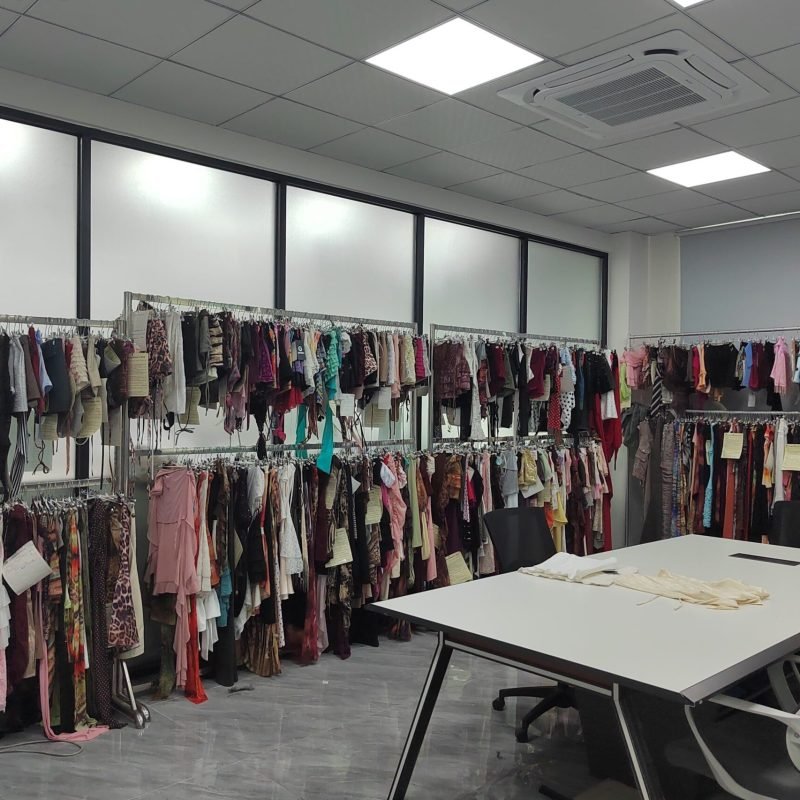
A representative sourcing scenario based on current order patterns can involve 18 styles and about 46,800 pieces across dresses, tops, skirts, trousers, and matching sets. Individual brand programmes commonly span 10-30 styles with total order quantities in the 20,000-80,000 piece range. At that scale, sourcing each style independently can fragment fabric demand, duplicate custom colours, multiply trim MOQs, and create avoidable shade or version risk.
A stronger route begins with the assortment matrix. Styles are grouped by compatible fabric behaviour, colour direction, lining needs, and shared components. Several dress and skirt styles may use one approved satin platform in different colours, while fitted tops and skirts may share a stretch fabric specification. Labels, zippers, elastic, or selected hardware can also be consolidated when branding and function allow. The aim is not to make every style the same; it is to stop the programme from creating unnecessary material complexity.
For an 18-style plan, sourcing review should happen before all samples run independently. Material availability, supplier MOQ, custom colour setup, trim requirements, and intended launch timing can then be mapped into a booking sequence. Higher-risk styles – for example structured garments, bias-cut pieces, stretch-heavy styles, or products using custom components – should receive earlier material attention because a delayed approval can block several downstream steps.

Booking, Approval and Version Control
Large programmes need a material calendar alongside the sample calendar. Fabric and trim sourcing is responsible for readiness: supplier option, MOQ, lead time, required documentation, alternatives, and booking status. Product development controls whether the selected option actually works in the garment. QA and production then need the approved reference, lot or version, and any product-specific checks before bulk release.
Shared materials can improve efficiency, but they also increase the cost of a wrong decision. If five styles use one fabric platform, a shade or performance issue affects all five. The approval process should therefore identify the styles that rely on the material, the approved colour or lot standard, and any different construction requirements. Similar control applies to shared elastic, zippers, labels, and hardware.
Repeat orders introduce another layer. An approved fabric from the first drop may come from a new lot later, while a custom trim supplier may revise finish or availability. Reorder material should be checked against the existing standard and any changes made visible before booking. For fashion programmes running several drops, material continuity is managed through approved references and change review rather than assuming the next purchase is automatically equivalent to the first.
Evidence Behind XZ Apparel Material Sourcing Decisions
Capability should be visible in physical material, approval records, inspection, and production references. The strongest evidence connects directly to the sourcing claim it is meant to support.
Swatches and Material Briefs
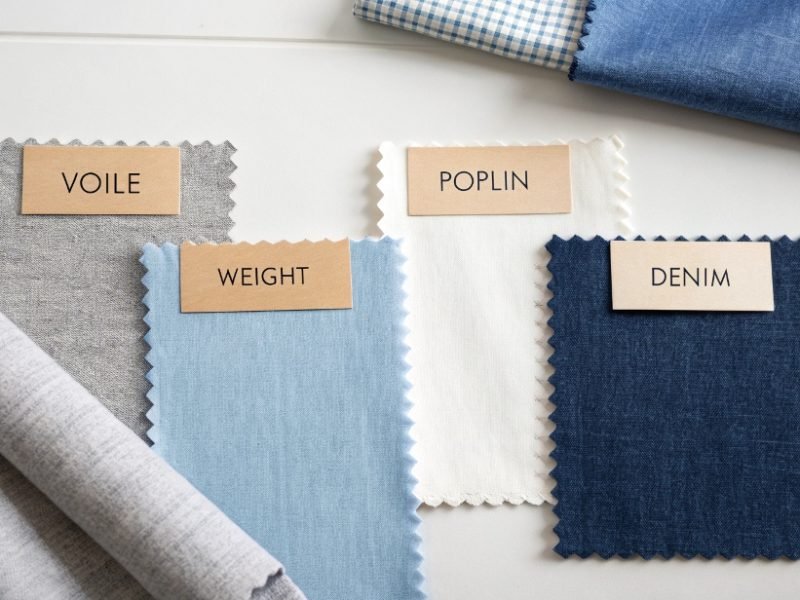
Swatch cards and sourcing briefs show whether material development begins from controlled requirements rather than random supplier options. Useful evidence can include composition, construction, GSM, stretch/recovery, handfeel, drape, colour target, garment use, and selected alternatives. Sensitive supplier pricing or confidential client references do not need to be exposed.
The proof is the decision trail: what was requested, what was compared, which option was selected, and what still needed sample or test confirmation before bulk.
- Evidence should show what was requested, compared, and approved.
- Protect confidential supplier pricing and client-specific information.

Trim and Component Boards
Physical trim boards can show how zippers, elastic, lace, cups, boning, hardware, labels, and other components are separated by specification and programme.
The value is not the number of components displayed; it is the ability to identify colour, dimension, finish, function, approved reference, and application. Where components come from specialist partners or external suppliers, the ownership should remain clear. A trim board supports the claim that component sourcing is controlled through approved references rather than selected informally during production.
- Show specification, colour, finish, function, and approved application.
- Mark external or specialist ownership accurately where relevant.
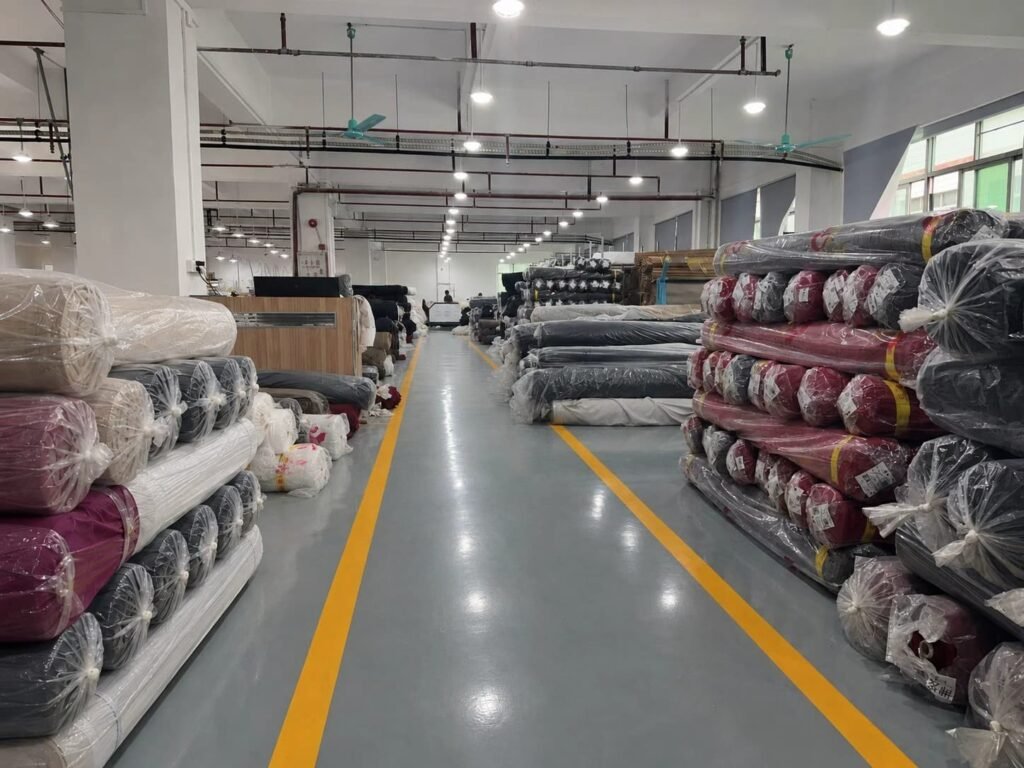
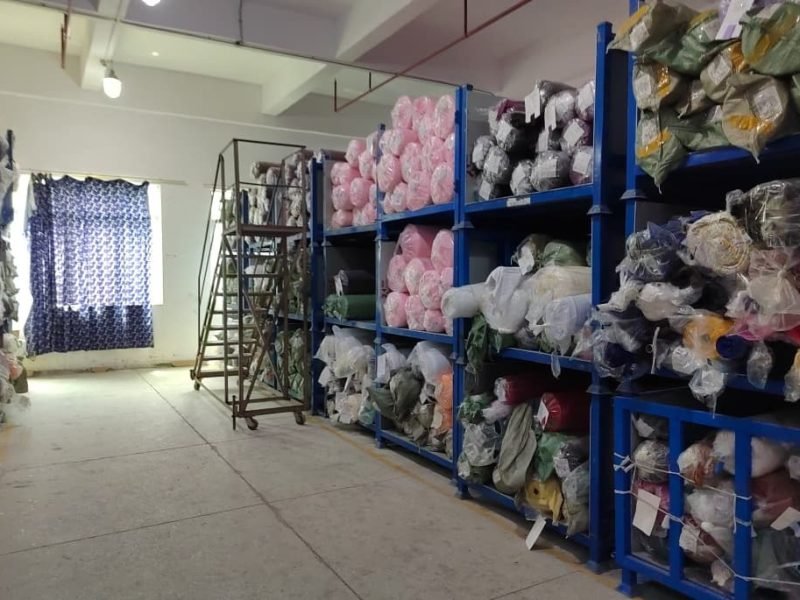
Fabric and Trim Warehousing
Separate fabric and trim storage supports material identity, approved-lot handling, controlled issue, and version discipline before production.
Warehouse images are useful when they show how material is organised and linked to orders rather than functioning as a generic factory photo.
For fashion programmes using multiple colours, shared fabrics, or custom components, clear storage and issue control helps reduce the risk of lot mixing, shade confusion, or outdated trim versions reaching the sewing line.
- Show material identity and controlled issue, not a generic storage photo.
- Link lots and trim versions to the correct order.

Fabric Inspection and Testing
Real inspection and test records can support claims about material risk control more effectively than broad statements about “strict quality”. Relevant evidence may include incoming fabric inspection, GSM checks, shrinkage review, colourfastness/crocking, pilling, stretch/recovery, or dimensional stability where appropriate to the product.
Results should be presented within their scope. A test photograph proves that a check is performed; a formal performance claim requires the actual record or report that supports it.
- Pair photographs with the specific check they actually prove.
- Use records for precise performance claims or formal results.

Sample and PPS References
Sample and PPS references connect sourcing to the garment. A material can only be considered successful when its behaviour works with fit, pattern, construction, trims, and finishing. Evidence can include anonymous sample details, approved swatches attached to the garment file, fit comments linked to stretch or drape, and PPS references showing the final material and trim standard.
Client-identifying artwork or unreleased designs should be removed unless permission has been granted.
- Connect approved material references directly to the garment standard.
- Remove client-identifying artwork unless publication is authorised.

Bulk Lot and QC Records
Bulk evidence should show that approved standards continue into production. Material lot identity, shade grouping, incoming checks,BOM version, in-line observations, finishing checks, and final references can support continuity claims. For a repeat order, change records are especially valuable because they show whether a new lot, supplier, finish, or component version was reviewed before release. Evidence should remain proportional: a factory photograph proves the facility exists, while material consistency requires material-specific records.
- Show continuity from approved material into the actual production lot.
- Use change records to support repeat-order material control.
Fabric and Trim Sourcing Frequently Asked Questions
Yes. A reference garment or swatch can be translated into a sourcing brief covering composition, construction, weight, stretch/recovery, handfeel, drape, opacity, colour, finish, and intended use. The closest existing option, a similar match, or a custom route can then be compared. A similar material should be identified as similar rather than presented as an exact replica, and garment sampling is used to confirm the final behaviour.
XZ Apparel regularly works with 30+ fabric suppliers, including about 8 core fabric partners used for recurring development and repeat production. The sourcing system also uses Dongguan/Humen and Guangzhou Zhongda routes for wider fashion, specialty, trim, accessory, and alternative searches. Supplier names, internal pricing, and confidential commercial terms are not published.
Custom colour, finish, construction, or GSM can be explored when the programme supports the supplier requirements. Custom routes can introduce dye or development MOQ, lab dip approval, added lead time, and additional testing or sampling. Existing stock or similar-match options may be compared when speed, quantity, or commercial feasibility makes a fully custom route less suitable.
No. The standard garment MOQ is 200 pcs per style per colour, while fabric suppliers, custom dyeing, custom trims, hardware, specialist processes, or documented materials can have separate thresholds. A project may need a stock alternative, shared material across styles, higher programme volume, accepted leftover trim, or another sourcing route when a supplier MOQ is higher than the garment quantity.
Trim approval can move from BOM specification to supplier option, physical sample, appearance and functional review, garment sample, approved trim reference, bulk incoming check, installation/function QC, and packing version control. The depth depends on risk. Elastic, zippers, cups, underwires, boning, and hardware normally need stronger garment-level validation than a simple visual match.
Development substitutes are kept separate from the final bulk standard. When final material is available, key variables such as colour, lot, handfeel, GSM, stretch/recovery, finish, opacity, and product-specific requirements are reviewed before PPS or bulk release. If the final material changes garment behaviour meaningfully, another sample or approval step may be required.
Relevant checks can include incoming fabric inspection, GSM, shrinkage, colourfastness, crock/rubbing, washing, pilling, stretch/recovery, spirality, dimensional stability, and other product-specific reviews. The check plan depends on material, garment, market, and risk. Internal checks support sourcing and production decisions; formal third-party claims require the appropriate external report.
Qualified fabric suppliers may provide GRS-related or OEKO-TEX-related materials or documentation for applicable programmes. Availability depends on supplier, material, scope, validity, and project requirements. Supplier or material documentation is not presented as XZ Apparel factory certification. The required document type should be specified before sourcing so the correct route can be qualified.
Multi-SKU programmes can use material platforms, shared trims, colour consolidation, supplier booking, approval calendars, lot control, and version management where products are technically compatible. The objective is to reduce fragmented purchasing without forcing one material across unsuitable garments. Shared components should still be approved for every intended application and tracked against the correct style and colour programme.
Useful inputs include product category, style count, quantities by style and colour, Tech Pack or reference images, fabric composition or construction target, GSM, stretch/recovery, handfeel, drape, opacity, Pantone or print target, documentation requirements, trim specifications, target market, sample/PPS timing, and bulk delivery window. A physical swatch or reference garment can also improve matching when handfeel or surface is important.
Send Your Fabric and Trim Sourcing Brief
A useful sourcing review starts with enough information to separate design preference from production requirements. Share the garment, material target, order structure, and timing so our development and sourcing teams can identify suitable routes, highlight supplier constraints early, and recommend what should be confirmed by swatch, sample, test, or documentation before bulk. Projects involving several styles should include the collection structure as well as individual product details, because shared fabrics, trims, colours, and approval timing can materially change sourcing efficiency. When an exact material specification is not available, a reference garment, physical swatch, close-up photo, or description of the required handfeel can still provide a workable starting point. We will compare the request against garment use, fit, construction, quantity, colour plan, supplier requirements, and development timing. The objective is to identify a route that can move from material option to approved sample and production standard, while making any assumptions, alternatives, custom-development needs, or documentation limits visible before the programme is commercially committed.
Please include where available:
- Product category, style count, and reference images or Tech Packs.
- Quantity per style and colour, size range, and planned market.
- Fabric composition, construction, GSM, width, stretch/recovery, handfeel, drape, opacity, finish, or physical swatch.
- Pantone, colour standard, print artwork, or surface reference.
- Zipper, elastic, lining, cup, underwire, boning, lace, hardware, label, hangtag, and packaging requirements.
- Required material documents, third-party testing needs, or retailer standards.
- Target dates for first sample, PPS, material booking, and bulk delivery.