Skip to content

Acetate is entering 2027 from an interesting position. It is not a new fiber, and it is not going to replace polyester, viscose, lyocell, cotton, or silk across womenswear. Its value is more focused: acetate can create fluid movement, a smooth hand, controlled sheen, and a polished appearance that makes a relatively simple garment look considered. That becomes especially relevant when fabric, proportion, and movement carry more of the visual message.
For SS27, runway evidence gives that material story useful context. Satin appeared in 20.2% of analyzed womenswear looks, up from 17.6% in SS26, across 2,321 looks from 311 designers. Satin is not the same thing as acetate because satin describes a construction or surface effect while acetate describes a fiber, but acetate is one fiber that can be used to create satin-like fabrics. The data therefore supports the aesthetic opportunity without implying a 20.2% acetate market share.
Acetate fabric trends for 2027 are best understood as a move toward fluid silhouettes, refined luster, lighter filament constructions, carefully selected blends, more traceable cellulose feedstocks, and surface effects that extend beyond traditional linings. For womenswear development, the strongest opportunities are dresses, skirts, blouses, camisoles, fluid tops, and polished separates where drape and surface become part of the product identity.
At XZapparel, the most useful question is practical: can an acetate fabric make the finished garment look and feel better while still meeting construction, quality, care, and production requirements consistently? That question is more valuable than simply calling acetate a trend, because a successful fabric direction has to survive the sample room, fitting process, production line, and final customer experience.
Is Acetate Still Relevant in 2027?
Acetate remains relevant in 2027 because its silky appearance, fluid drape, smooth hand, and controlled luster fit several important womenswear directions. Its strongest role is selective rather than universal: dresses, skirts, blouses, camisoles, and polished separates can benefit when fabric movement and surface are central to the design. New acetate filament development also suggests that the material platform is expanding beyond traditional lining applications.
What Makes Acetate Different?
Acetate is a man-made cellulosic fiber based on cellulose acetate. Under the European Union textile-fiber framework, acetate is defined as cellulose acetate in which less than 92% but at least 74% of the hydroxyl groups are acetylated, while triacetate is defined at 92% or more. (EU Regulation 1007/2011) That distinction is not just a chemistry detail. It matters when a brand prepares fiber-content information, supplier specifications, testing documents, and product labeling for different markets.
From a garment-development perspective, acetate has a distinctive mix of aesthetic strengths and technical limitations. The University of Georgia lists a silky appearance, good drapeability, resistance to pilling, resistance to mildew and moths, and quick drying among its advantages. It also lists poor abrasion resistance, static buildup, heat sensitivity, and loss of strength when wet among its limitations. (University of Georgia Textiles) Those trade-offs explain why a beautiful acetate fabric can be an excellent choice for one garment and a poor choice for another.
The material becomes particularly interesting when the garment is designed to let the fabric move. A simple slip dress, for example, does not need a large amount of decoration if the fabric creates a graceful line from shoulder to hem. A fluid blouse can look elevated because the surface catches light differently across folds. A skirt can create visual movement through walking rather than through print or embellishment. That is also why XZapparel does not treat acetate as a generic “premium fabric.” The relevant question is what the fabric does after cutting and sewing. Weight, construction, finish, grain direction, lining, seam design, and pressing all affect the final result. A swatch that feels luxurious in the hand is only the starting point.
Is Acetate Moving Beyond Linings?
Acetate has a long history in lining applications, but newer filament developments are expanding the conversation toward visible fashion fabrics. In February 2026, Eastman introduced Naia™ Lyte, a cellulose acetate filament yarn positioned for lightweight and premium fabrics, with enhanced tenacity intended to broaden the performance possibilities of acetate yarn. (Eastman, 2026) That development is significant because outerwear and visible womenswear demand more from a fabric than a lining does. A lining can be hidden and protected by the outer garment. A dress or blouse has to survive handling, seams, movement, pressing, cleaning, and repeated wear while maintaining the visual character that made the fabric attractive in the first place. The commercial direction is already visible in SS27 development work. Current SS27 womenswear development research identifies fluid acetate and satin-like qualities for slip dresses, camisoles, feminine blouses, fluid tops, skirts, and soft coordinated sets. (SS27 womenswear development research) These are exactly the categories where drape and surface can do much of the design work. The shift should not be exaggerated. New acetate yarn innovation does not mean every acetate fabric has suddenly become high performance. It means the material platform is being developed in ways that can make more applications technically realistic. For product teams, that distinction is important because it encourages testing instead of assumption. At XZapparel, a useful acetate fabric is one that can move from material board to sample room without losing the qualities that made it attractive. If the fabric is beautiful but cannot maintain a clean seam, stable neckline, consistent pressing result, or acceptable production yield, it is not yet a successful garment material.
Why Does Acetate Fit the 2027 Fashion Direction?
The strongest case for acetate comes from the broader surface and silhouette environment. T-Fashion’s SS27 runway index reports satin in 20.2% of analyzed womenswear looks, compared with 17.6% in SS26. The dataset covers 11,487 looks, with satin appearing in 2,321 looks from 311 designers. (T-Fashion Runway Index, SS27) That is a substantial runway presence, although it should not be interpreted as an acetate-specific market-share figure.
The geographic pattern is also useful. Satin appeared in 23.0% of analyzed New York SS27 womenswear looks, 21.4% in Milan, 20.2% in Paris, 19.9% in London, and 15.7% in Copenhagen. (T-Fashion Runway Index by city, SS27) The increase from SS26 was particularly notable in Paris and Copenhagen, while London remained comparatively stable. This suggests that polished, fluid surfaces are not limited to one fashion capital or one aesthetic niche. Current fashion reporting also describes “liquid satin” as a notable New York SS27 direction, emphasizing fabrics that glide over the body rather than hold the stiffer structure associated with taffeta. Again, liquid satin is not synonymous with acetate, but the aesthetic is closely aligned with what well-developed acetate fabrics can deliver. For 2027 product planning, the conclusion is more useful than the trend label: acetate has a strong place where the design requires movement, subtle reflection, softness, and an elevated surface. It has a weaker case when the garment needs aggressive abrasion resistance, high structural rigidity, or very high heat tolerance. The opportunity is therefore not “more acetate everywhere.” It is better acetate in the right products.

What Are the Key Acetate Trends for 2027?
The key acetate directions for 2027 are fluid drape, refined rather than excessive luster, lighter filament constructions, broader use in visible womenswear, and blends designed around specific garment needs. The strongest commercial fabrics will balance beauty with stability, comfort, traceability, and production consistency, making acetate useful as a practical product-development tool for commercial womenswear rather than simply a seasonal trend label.
Are Fluid Acetate Fabrics Gaining Momentum?
Fluidity is likely to remain one of acetate’s most useful characteristics in 2027, particularly as womenswear continues to favor garments that look relaxed without appearing careless. Fluid does not simply mean lightweight. A lightweight fabric can be unstable, cling unpredictably, or lose its shape, while a somewhat fuller fabric can still move beautifully when its yarn, weave, and finish are correctly engineered. SS27 development research currently places fluid acetate and satin-like qualities in slip dresses, camisoles, feminine blouses, fluid tops, skirts, and soft coordinated sets. These categories have one thing in common: they give fabric enough visual space to demonstrate movement. This matters commercially because fabric can become part of the product story. A plain dress with excellent movement can look more sophisticated than a heavily decorated dress made from an ordinary fabric. At the same time, fluid fabrics expose mistakes. Uneven seams, poor grain alignment, incorrect ease, and inconsistent pressing become easier to see when the garment moves freely. For XZapparel, fabric evaluation therefore begins with the intended silhouette. A fabric can be perfect for a bias-cut midi dress and unsuitable for a structured mini skirt. It can be ideal for a soft blouse but too unstable for a wide-leg trouser. The same fiber can produce completely different outcomes depending on construction. The practical 2027 direction is controlled fluidity: enough movement to create elegance, enough stability to support the garment, and enough consistency to survive production.
Which Acetate Looks Are Becoming More Relevant?
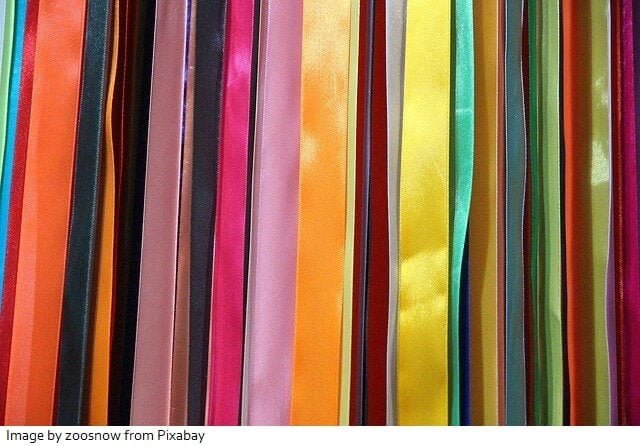
The surface story is moving beyond the idea that acetate must always look extremely glossy. Modern filament development can support polished satin, soft luster, semi-matte effects, and more textured constructions. Eastman describes Naia™ filament as naturally lustrous while also highlighting the possibility of transforming the yarn into matte fabrics. That range gives designers more room to position acetate across different price points and occasions. High shine can work beautifully in eveningwear and statement pieces. Soft luster can make acetate suitable for a blouse intended to move from daytime to dinner. Semi-matte surfaces can reduce the overtly formal feeling associated with satin. Textured constructions can create interest without depending on a loud print. This is particularly useful for brands developing collections with several levels of formality. A single fiber family can support different products when yarn, weave, finish, and weight are varied deliberately. A practical surface spectrum for 2027 includes:
- High luster for evening dresses and occasion skirts
- Soft luster for blouses, dresses, and coordinated separates
- Semi-matte surfaces for everyday premium womenswear
- Crepe-like textures for fluid dresses and tops
- Jacquard or engineered textures for statement separates
The commercial objective is not to maximize shine. Excessive reflection can make a product feel less versatile and can reveal construction imperfections. The better target is a surface that looks intentional under daylight, retail lighting, and photography. The result is a wider design vocabulary in which acetate can feel glamorous, understated, contemporary, or relaxed without changing the basic fiber identity.
How Is Acetate Being Used With Other Materials?
Blending is becoming increasingly important because a single fiber rarely delivers every property required by a commercial garment. Cellulose acetate filament can be combined with other yarns to adjust softness, body, stretch, strength, texture, or cost. Eastman describes Naia™ filament as compatible with different weaving processes and blends with fibers including cotton, silk, wool, linen, nylon, polyester, viscose, and elastane. (Eastman Naia™ product information) The purpose of a blend should be clear. Elastane can introduce stretch and recovery. A stronger companion fiber can help a garment tolerate more demanding use. Linen can add natural texture and body. Lyocell can shift handfeel and structure. Nylon or polyester can alter durability and construction behavior. Published Eastman examples illustrate the range. One fabric example uses 92% Naia™ filament and 8% elastane in a single jersey at approximately 160 gsm for tops, tanks, dresses, and loose cardigans. Other examples combine Naia™ filament with lyocell or with lyocell and linen in woven constructions. citeturn0search1turn2search1 These are specific commercial examples, not universal specifications for acetate garments.
| Published example | Composition | Approx. weight | Reported use |
| Single jersey | 92% Naia™ filament / 8% elastane | ~160 gsm | Tops, tanks, dresses, loose cardigans |
| Satin jacquard | 100% Naia™ filament | Not stated | Loungewear to tailored fashion |
| Check twill | Naia™ filament + lyocell | Not stated | Blouses, lounge pants, dresses |
| Satin woven | Naia™ + lyocell + linen | Not stated | Tailored and casual styles |
The key lesson is that blend percentages should solve a product problem. A sophisticated composition is not automatically better. The fabric still needs to meet the requirements of the silhouette, care route, price architecture, and production process. In practice, the most useful blend is the one that solves a clearly identified problem in the finished garment without creating a new weakness elsewhere.
Which Acetate Qualities and Blends Will Matter?
The acetate qualities most likely to matter in 2027 are those that balance drape, surface, weight, stability, comfort, and repeatability. Fiber percentage alone is not enough to predict performance because yarn type, weave, density, finishing, and blending can materially change the finished textile. For XZapparel, the right acetate specification begins with the intended garment, its actual performance requirements, and the expected end-use conditions.
Which Fabric Weights Work Best?
There is no universal ideal GSM for acetate womenswear. The appropriate weight depends on the garment’s silhouette, length, opacity, lining, drape requirement, construction method, and desired amount of body. A lightweight fabric may be excellent for a camisole but too unstable for a tailored skirt. A heavier fabric can give a dress more body while reducing the floating movement that the design may require.
This is one of the areas where product development should be more specific than trend forecasting. Instead of asking for “acetate fabric,” the team should define what the fabric needs to accomplish. If a dress needs a liquid fall, the fabric may need a particular combination of weight, weave, yarn, and finish. If a skirt needs structure, the same fiber may require a different construction or blend. Weight also affects transparency, seam appearance, gathering, hem behavior, pocket construction, and how strongly the surface reflects light. A long dress with a very soft construction may require a different lining strategy from a short blouse even when both fabrics have similar fiber content. A useful internal fabric specification should record:
- Fiber composition
- Fabric weight
- Finished width
- Yarn or fabric construction
- Surface finish
- Stretch percentage, where applicable
- Dimensional change
- Colorfastness requirements
- Intended garment application
- Care instructions
ASTM D7020-22 reinforces the broader principle that woven blouse and dress fabrics can be produced through an almost unlimited combination of fiber types, fiber percentages, yarn twist, yarn number, warp and pick count, and chemical or mechanical finishing. It therefore states that no single performance specification can represent every fabric used for these end uses. (ASTM D7020-22) For XZapparel, this means the fabric specification should be tied to the actual product. “100% acetate” is a composition statement, not a complete performance specification.
How Do Drape and Surface Affect Garment Design?
Drape and surface need to be considered together because a reflective fabric reveals movement differently from a matte fabric. On a smooth satin-like surface, folds, tension points, seams, and pressing marks can become highly visible. A matte crepe may disguise some irregularities while creating a completely different visual identity. This becomes especially important when the garment is minimalist. A simple blouse has fewer decorative details to distract from an uneven neckline or puckered seam. A plain dress makes proportion, grainline, hem balance, and surface quality more obvious. A proper fabric review should therefore go beyond a flat swatch. The team should examine the fabric:
- Flat under normal lighting
- Hanging vertically
- Gathered
- Pleated where relevant
- Cut on the intended grain
- Sewn through representative seams
- Pressed using the proposed finishing process
- Viewed under daylight and artificial lighting
Acetate’s heat sensitivity deserves particular attention. The University of Georgia lists care during pressing as a specific limitation and notes that acetate can lose strength when wet. (University of Georgia Textiles) These properties do not make acetate unsuitable for apparel; they mean that handling and finishing need to be controlled. The best development process does not wait until bulk production to discover that the fabric marks easily under heat or that a seam becomes too visible after pressing. A small construction test can reveal these issues early. At XZapparel, the aim is to approve the fabric and the garment behavior together. If the fabric looks excellent on a swatch but creates unacceptable pressing marks, unstable seams, or poor hem behavior, it should be reconsidered before the design is locked.
Are More Traceable Acetate Options Emerging?
Yes, but the sustainability discussion needs to be precise. Acetate belongs to the man-made cellulosic family, but “cellulosic” by itself does not prove that a particular fabric has a lower environmental impact. Feedstock source, forest certification, chemical management, recycled content, mass-balance accounting, manufacturing process, and third-party verification all matter. Textile Exchange’s 2026 Materials Market Report estimates that global fiber production reached 139 million tonnes in 2025, up from 132 million tonnes in 2024. It reports man-made cellulosic fibers at a 7% share of global fiber production and says that about two-thirds of MMCFs were produced using FSC- and/or PEFC-certified or controlled feedstock in 2025. citeturn0search0 These figures cover the broader MMCF category, not acetate alone. There are also specific acetate platforms with documented recycled-content approaches. Eastman states that Naia™ Renew is made from 60% sustainably sourced wood pulp and 40% certified recycled waste materials, with recycled content allocated through a GRS-certified mass-balance process. Eastman also reports a carbon footprint around 35% lower than its traditional Naia™ fiber, based on its stated methodology. (Eastman Naia™ Renew information) Those claims should be understood as product-specific claims, not proof that every acetate fabric has the same environmental profile. For a brand evaluating a material, useful questions include:
- What is the cellulose feedstock?
- Is the wood certified or controlled?
- What certification covers the feedstock?
- Is recycled content physical or allocated through mass balance?
- What percentage of recycled content is claimed?
- Which environmental claims apply to the fiber, fabric, or garment?
- Can supporting documentation be supplied?
This level of evidence is increasingly important because sustainability language without traceable documentation can create more risk than value. For international product development, that evidence can also make material communication more precise, support internal approval processes, and reduce the risk of making broad claims that the underlying documentation cannot support. Clear records are especially useful when several suppliers offer materials described with similar sustainability language.

How Are Acetate Finishes, Colors, and Textures Evolving?
Acetate’s 2027 surface direction is likely to become broader rather than simply shinier. Polished satin, soft luster, semi-matte surfaces, crepe-like textures, and engineered effects can give the same fiber family different commercial identities. Color becomes especially important because smooth acetate surfaces interact strongly with light, making fabric construction, finish, and lighting conditions part of the final color decision for each garment.
Which Finishes Will Define 2027?
The most useful acetate finish for 2027 is not necessarily the brightest. High shine creates immediate visual impact and works naturally for eveningwear, but softer luster can make the material more versatile for everyday premium womenswear. Eastman’s current Naia™ filament information describes natural luster as well as possibilities for matte fabric development. (Eastman Naia™ product information) This range allows acetate to participate in more than one product story. A polished satin dress can communicate glamour. A soft-luster blouse can feel sophisticated without appearing overly formal. A semi-matte woven can work for a contemporary day-to-evening collection. A crepe or textured surface can reduce the familiar “satin” association while keeping fluid movement. The finish also affects photography. A reflective fabric can produce strong highlights in studio lighting, while natural daylight may make the same surface look much softer. For brands selling across markets, this matters because a fabric may appear different in e-commerce images, showrooms, stores, and outdoor settings. For this reason, surface approval should be made on the actual fabric construction rather than only from digital references or a tiny swatch. The full garment can reveal pooling, directional shine, and seam visibility that are impossible to judge from a small flat sample. The strongest 2027 acetate products are likely to use controlled surface character rather than maximum gloss. The material should look rich because it has depth and movement, not because it simply reflects as much light as possible.
What Colors Work Best With Acetate?
Acetate can give solid colors unusual visual depth because smooth surfaces react strongly to changes in light. A fold may appear darker while a raised section catches a highlight, allowing a plain garment to create movement without print. That makes acetate attractive for sophisticated solids. Deep colors can look particularly rich on a lustrous surface, while soft neutrals can gain dimension through subtle reflection. Mid-tone fashion colors can also become more expressive when the finish creates a controlled difference between light and shadow. Color approval should still happen on the actual fabric. A digital color code cannot fully reproduce the interaction between dye, weave, finish, lighting, and surface reflection. A color that appears balanced on a matte fabric may look considerably brighter on a satin construction. A practical development process can compare important colors under at least three lighting environments: daylight, indoor retail lighting, and controlled studio lighting. This does not make color perfectly identical across environments, but it helps expose major shifts before bulk production. Colorfastness is a separate issue from visual approval. ASTM D7020-22 identifies laundering, dry cleaning, crocking, perspiration, light exposure, and other appearance-related considerations within its framework for woven blouse and dress fabrics. (ASTM D7020-22) For XZapparel, the strongest color process is therefore simple: approve the color on the final fabric construction, under realistic lighting, after the relevant finishing process.
How Can Texture Create More Fashion Impact?
Texture allows acetate to move beyond the familiar image of smooth satin. Crepe structures, subtle irregularity, jacquard constructions, engineered surfaces, and matte treatments can create different fashion identities while retaining some of the softness and fluidity associated with acetate. This is useful for brands that want a premium fabric without making every product look like eveningwear. A textured acetate blouse can feel modern and relaxed. A crepe dress can maintain fluid movement with less reflection. A jacquard can create visual depth without requiring heavy embroidery or embellishment. Texture also changes production risk. More complex surfaces can influence cutting, seam appearance, pressing, shade consistency, and finishing. If the texture is part of the product’s selling point, the production process must protect that texture. The sample should therefore demonstrate more than surface beauty. It should show how the texture behaves around darts, seams, gathers, hems, cuffs, plackets, and other high-visibility areas. If a textured fabric looks excellent in the body but becomes distorted around a seam, the garment may not achieve the intended result. For XZapparel, the strongest acetate texture is not necessarily the most unusual one. It is the one that gives a collection a recognizable material character while remaining practical for sampling, fitting, finishing, and repeat production.
Which Womenswear Styles Suit Acetate Best?
Acetate is particularly well suited to womenswear styles that depend on drape, movement, softness, and an elevated surface. Dresses, skirts, camisoles, blouses, fluid tops, and coordinated separates are natural applications, while selected soft-tailoring pieces can work when the fabric provides enough body and stability. The strongest results come from matching the acetate construction to the silhouette rather than treating all acetate fabrics alike.
Are Dresses and Skirts Still the Strongest Applications?
Dresses and skirts remain natural acetate categories because they give the material enough room to move. A long skirt can reveal the fabric’s behavior while walking, and a slip-inspired dress can allow drape to become the main visual feature. Current SS27 womenswear development work specifically identifies acetate for slip dresses, skirts, fluid dresses, camisoles, and feminine woven pieces. (SS27 womenswear development research) Broader runway data also shows the strength of satin-related aesthetics, with satin appearing in 20.2% of analyzed SS27 womenswear looks. The important qualification is that different silhouettes require different acetate constructions. A very soft fabric may be ideal for a bias-cut maxi dress but unsuitable for a structured mini skirt. A heavier construction may support a skirt shape but reduce the floating movement expected from a lightweight dress.
| Product type | Fabric behavior to prioritize | Main development concern |
| Slip dress | Fluid drape and smooth surface | Bias movement and seam balance |
| Midi or maxi dress | Controlled movement and suitable body | Hem fall and garment weight |
| Fluid skirt | Drape with enough stability | Waist construction and side seams |
| Camisole | Soft hand and light construction | Neckline and armhole stability |
| Blouse | Drape plus controlled body | Seam puckering and pressing |
| Structured skirt | More body and stability | Shape retention and construction |
The best development approach is to select fabric construction and silhouette together. Treating “acetate” as a one-size-fits-all category usually creates unnecessary sampling rounds. This is why garment category alone is not enough to approve a fabric; the specific silhouette, construction, weight, and finishing requirements still determine whether the material is appropriate for reliable production. That alignment helps reduce avoidable revisions and keeps the material choice connected to the commercial purpose of the style.
Which Tops and Separates Work Well?
Blouses, camisoles, soft shirts, fluid tops, and coordinated sets are especially interesting because they let acetate’s premium appearance become part of everyday dressing. A satin-like blouse can work with denim or tailoring. A camisole can function as a layering piece or evening item. A coordinated set can create a stronger visual statement while keeping individual pieces relatively simple. Current SS27 development research identifies refined blouses, camisoles, soft shirts, feminine tops, and lightweight coordinated separates alongside fluid acetate qualities. These garments also reveal why construction matters so much. A blouse has many areas where a fluid fabric can expose problems: shoulder seams, neckline edges, armholes, cuffs, plackets, gathers, and sleeve heads. A fabric that looks beautiful in the body of the garment can still create problems around these details. A practical development process should include representative construction tests. Instead of checking only whether the fabric looks attractive, the team should examine whether it maintains a clean neckline, smooth armhole, balanced sleeve, and controlled hem. For commercial collections, this distinction is valuable. The fabric should support the garment rather than create unnecessary production complexity. At XZapparel, acetate works best when material selection and garment construction reinforce each other. The finished blouse should feel premium because the fiber, fabric structure, pattern, fit, and workmanship all point in the same direction.
How Can Acetate Support More Structured Styles?
Acetate does not have to be limited to highly fluid garments. With the right construction, it can contribute to soft tailoring, structured skirts, polished separates, and designs where the goal is shape without excessive stiffness. The key variable is body. A very fluid acetate will not behave like a conventional suiting fabric, but a heavier weave, different construction, blend, or finishing method can provide more stability. Pattern engineering can then reinforce the desired silhouette through interfacing, grainline, seam placement, ease, and construction details. This creates a useful 2027 direction: soft structure. The garment maintains a recognizable shape without feeling rigid. Current SS27 fashion reporting highlights relaxed tailoring, practical versatility, and expressive but wearable dressing as important commercial themes, which makes this intersection particularly relevant. (Vogue Business SS27 Global Report) Potential applications include:
- Soft tailored jackets
- Structured midi skirts
- Relaxed wide-leg trousers
- Polished coordinated sets
- Draped blazers
- Structured tops with fluid panels
The development goal is to balance shape and movement. If the fabric is too soft, the garment may collapse. If the construction is too rigid, the material loses some of the qualities that make acetate attractive. XZapparel’s approach is to start from the intended silhouette and then identify the acetate construction that can support it, rather than forcing every acetate fabric into the same pattern.

How Can Brands Develop Acetate Garments for Production?
Successful acetate development requires more than approving an attractive fabric. Brands should evaluate composition, weight, dimensional behavior, colorfastness, seam performance, pressing response, fit, finishing, and bulk-production consistency before approval. Acetate’s heat sensitivity and wet-strength limitations make controlled handling particularly important, so the final garment specification should connect material selection, sampling, fitting, workmanship, and quality control from the first sample through bulk production.
What Should Be Tested Before Sampling?
Testing should begin with the properties most likely to affect the intended garment. ASTM D7020-22 covers woven blouses and dresses and includes performance areas such as breaking strength, yarn slippage, tearing strength, dimensional change during pressing and finishing, laundering or dry cleaning, colorfastness, fabric smoothness, and flammability. (ASTM D7020-22) The standard also emphasizes that woven fabrics can differ dramatically because of fiber type, fiber percentage, yarn twist, yarn number, fabric construction, and chemical or mechanical finishing. That is why a generic acetate specification is rarely enough to predict finished-garment performance. For an acetate garment, a practical pre-sampling review can record:
- Fiber composition
- Fabric weight and width
- Construction and finish
- Dimensional change
- Relevant colorfastness results
- Seam behavior
- Surface appearance
- Pressing response
- Care requirements
- Intended end use
The University of Georgia identifies acetate’s poor abrasion resistance, reduced wet strength, and heat sensitivity as limitations that require careful handling. (University of Georgia Textiles) Those characteristics should be translated into actual product tests rather than treated as abstract textile knowledge. If the style is a bias dress, test bias behavior. If it contains heavy gathers, test the gathered construction. If the design relies on sharp pressing, test the pressing method before final approval. This approach can prevent a fabric problem from becoming a pattern problem later. At XZapparel, the most efficient acetate development process is risk-based. The team does not need to test everything equally; it needs to test the properties most likely to determine whether the actual garment will succeed.
How Do Pattern and Fit Affect Acetate?
Pattern and fit strongly influence fluid fabrics because gravity becomes part of the design. Small changes in shoulder width, bust ease, neckline depth, body length, sleeve volume, grainline, or hem position can noticeably change how acetate falls. This is why a simple acetate garment can require more refinement than a highly decorated one. When there are fewer design elements, the eye notices proportion and construction immediately. A neckline that sits slightly too high, a shoulder that is too wide, or a side seam that twists can change the entire character of the product. A useful fitting sequence can include:
| Development stage | Main evaluation | Output |
| Fabric review | Drape, surface, weight, stability | Fabric specification |
| First sample | Construction and silhouette | Pattern corrections |
| Fit sample | Proportion and movement on body | Measurement revisions |
| Pre-production sample | Final appearance and workmanship | Approved reference |
| Bulk production | Repeatability against approval | Quality-control standard |
SS27 womenswear development experience also emphasizes that simple garments expose neckline shape, shoulder balance, body proportion, sleeve volume, hem position, drape, seam appearance, and pressing more clearly. At XZapparel, fitting acetate means diagnosing the actual cause of a problem. If a dress looks too stiff, changing the pattern may not solve it if the fabric itself lacks the required fluidity. If a blouse collapses at the shoulder, the issue may involve fabric body rather than body measurements. Good development separates material problems from pattern problems before making expensive corrections.
How Can Quality Be Protected in Bulk Production?
Bulk production is where the difference between a beautiful sample and a dependable commercial product becomes visible. Fluid fabrics can be sensitive to handling, pressing, tension, cutting direction, and finishing, so the production team needs a clear approved reference. Pressing deserves particular attention. The University of Georgia identifies acetate as heat-sensitive and notes that excessive heat can damage the fiber. (University of Georgia Textiles) This means temperature, pressure, equipment, press-cloth practices where appropriate, and operator consistency can all affect the final appearance. Quality control should therefore combine measurable specifications with visual standards:
- Confirmed fiber composition
- Approved fabric construction
- Approved shade and surface appearance
- Critical garment measurements
- Seam and workmanship standards
- Pressing and finishing requirements
- Surface inspection
- Drape comparison with the approved sample
- Final appearance inspection
ASTM D7020-22 is useful as a framework because it shows how broad textile quality can be: strength, slippage, tearing, dimensional change, colorfastness, smoothness, and flammability can all matter depending on the end use. (ASTM D7020-22) For international brands, documentation is equally important. A production reference should make it possible to identify what was actually approved instead of relying on a photograph or a description such as “soft acetate satin.” At XZapparel, the objective is to connect material selection, sampling, fitting, construction, finishing, and bulk production in one development chain. When the fabric is central to the product’s identity, protecting its intended appearance is part of protecting the product itself. The most commercially reliable acetate programs are rarely built around one spectacular fabric. They are built around a repeatable process that can identify the right construction, prove it in a garment, document the approval, and maintain the same standard through production.
Is acetate fabric a trend for 2027?
Acetate is well positioned to participate in 2027 womenswear, particularly through fluid dresses, skirts, blouses, camisoles, and satin-like fabrics. The strongest evidence is indirect rather than acetate-specific: satin accounted for 20.2% of analyzed SS27 womenswear runway looks, up from 17.6% in SS26. Acetate is one possible fiber used for satin constructions, so the runway data supports the aesthetic direction rather than proving a specific acetate market share.
What is acetate fabric best used for?
Acetate is particularly suitable for garments that benefit from drape, softness, smooth handfeel, and controlled luster. Common applications include slip dresses, fluid midi and maxi dresses, skirts, camisoles, blouses, soft shirts, fluid tops, and coordinated separates. The exact fabric construction still matters because lightweight acetate, heavier acetate, satin acetate, textured acetate, and blended acetate can behave very differently in the finished garment.
Is acetate fabric sustainable?
Acetate should not automatically be described as sustainable simply because it is cellulose-based. The environmental profile depends on the cellulose source, forest management, manufacturing process, chemical recovery, recycled content, certification, and accounting method. Specific acetate platforms can provide stronger evidence; for example, Eastman states that Naia™ Renew uses 60% sustainably sourced wood pulp and 40% certified recycled waste materials through a GRS-certified mass-balance approach. Claims should always be assessed at the specific fiber or fabric level.
Is acetate better than polyester for womenswear?
Neither fiber is universally better. Acetate can be preferable when the product needs a silky appearance, fluid drape, smooth hand, and refined luster. Polyester can offer advantages where higher durability, easier processing, or specific performance characteristics are more important. The correct decision depends on the garment, target price, care requirements, construction, expected wear, and desired appearance rather than on fiber category alone.
Does acetate wrinkle easily?
Acetate can develop creases and requires careful handling because it is sensitive to heat. The University of Georgia identifies heat sensitivity as a limitation and notes that excessive heat can damage acetate. Wrinkling behavior also depends on fabric construction, finishing, garment design, and blend composition. For commercial development, pressing response should be evaluated on the actual fabric before bulk production rather than assumed from the fiber name.
Can acetate be blended with other fibers?
Yes. Cellulose acetate filament can be blended with fibers such as elastane, lyocell, linen, cotton, silk, wool, nylon, polyester, and viscose. Blending can be used to adjust stretch, body, handfeel, strength, texture, or other performance characteristics. The right blend depends on the garment’s intended use. A published example from Eastman uses 92% Naia™ filament and 8% elastane in a single jersey of approximately 160 gsm for tops, tanks, dresses, and loose cardigans.
What should brands test before producing acetate garments?
Brands should evaluate fiber composition, fabric weight, width, construction, dimensional behavior, colorfastness, seam performance, surface appearance, pressing response, care requirements, and end-use suitability. ASTM D7020-22 identifies strength, yarn slippage, tearing, dimensional change, colorfastness, fabric smoothness, and flammability among relevant performance areas for woven blouse and dress fabrics. The final test plan should be adapted to the actual garment rather than applied as a generic checklist.
Acetate should not be treated as a blanket replacement for other fibers or as a trend label that automatically makes a garment commercially relevant. Its 2027 value is much more specific. It sits at the intersection of fluid movement, refined surface, feminine silhouettes, premium handfeel, and evolving cellulosic-fiber innovation. The SS27 runway environment provides meaningful support for the broader satin and liquid-surface direction, while new acetate filament developments suggest that the material platform itself continues to evolve.
The most promising opportunities are likely to come from dresses, skirts, blouses, camisoles, fluid tops, coordinated separates, and selected soft-structured garments. Within those categories, the strongest results will come from matching fabric construction to silhouette instead of selecting acetate by fiber name alone. Weight, drape, luster, texture, blend, dimensional behavior, pressing response, and colorfastness all deserve attention before production is approved.
Sustainability also needs to move from general language toward evidence. The broader man-made cellulosic market is increasingly connected with certified or controlled feedstocks, while specific acetate platforms now offer documented recycled-content and traceability approaches. For brands, the practical advantage comes from asking for the evidence and understanding exactly what each environmental claim covers. That discipline helps keep material communication credible as sustainability requirements become more specific across international markets.
At XZapparel, this is the part of acetate development that matters most: turning a promising material direction into a garment that looks right, fits right, can be produced consistently, and makes commercial sense. A trend becomes valuable only when it survives contact with the sample room, the fitting room, the production line, and ultimately the customer. In 2027, acetate has a credible place in that process—not because it is new, but because its particular combination of movement, surface, and versatility continues to solve real womenswear design problems.
Frequently Asked Questions
Is acetate fabric a trend for 2027?
Acetate is well positioned to participate in 2027 womenswear, particularly through fluid dresses, skirts, blouses, camisoles, and satin-like fabrics. The strongest evidence is indirect rather than acetate-specific: satin accounted for 20.2% of analyzed SS27 womenswear runway looks, up from 17.6% in SS26. Acetate is one possible fiber used for satin constructions, so the runway data supports the aesthetic direction rather than proving a specific acetate market share.
What is acetate fabric best used for?
Acetate is particularly suitable for garments that benefit from drape, softness, smooth handfeel, and controlled luster. Common applications include slip dresses, fluid midi and maxi dresses, skirts, camisoles, blouses, soft shirts, fluid tops, and coordinated separates. The exact fabric construction still matters because lightweight acetate, heavier acetate, satin acetate, textured acetate, and blended acetate can behave very differently in the finished garment.
Is acetate fabric sustainable?
Acetate should not automatically be described as sustainable simply because it is cellulose-based. The environmental profile depends on the cellulose source, forest management, manufacturing process, chemical recovery, recycled content, certification, and accounting method. Specific acetate platforms can provide stronger evidence; for example, Eastman states that Naia™ Renew uses 60% sustainably sourced wood pulp and 40% certified recycled waste materials through a GRS-certified mass-balance approach. Claims should always be assessed at the specific fiber or fabric level.
Is acetate better than polyester for womenswear?
Neither fiber is universally better. Acetate can be preferable when the product needs a silky appearance, fluid drape, smooth hand, and refined luster. Polyester can offer advantages where higher durability, easier processing, or specific performance characteristics are more important. The correct decision depends on the garment, target price, care requirements, construction, expected wear, and desired appearance rather than on fiber category alone.
Does acetate wrinkle easily?
Acetate can develop creases and requires careful handling because it is sensitive to heat. The University of Georgia identifies heat sensitivity as a limitation and notes that excessive heat can damage acetate. Wrinkling behavior also depends on fabric construction, finishing, garment design, and blend composition. For commercial development, pressing response should be evaluated on the actual fabric before bulk production rather than assumed from the fiber name.
Can acetate be blended with other fibers?
Yes. Cellulose acetate filament can be blended with fibers such as elastane, lyocell, linen, cotton, silk, wool, nylon, polyester, and viscose. Blending can be used to adjust stretch, body, handfeel, strength, texture, or other performance characteristics. The right blend depends on the garment’s intended use. A published example from Eastman uses 92% Naia™ filament and 8% elastane in a single jersey of approximately 160 gsm for tops, tanks, dresses, and loose cardigans.
What should brands test before producing acetate garments?
Brands should evaluate fiber composition, fabric weight, width, construction, dimensional behavior, colorfastness, seam performance, surface appearance, pressing response, care requirements, and end-use suitability. ASTM D7020-22 identifies strength, yarn slippage, tearing, dimensional change, colorfastness, fabric smoothness, and flammability among relevant performance areas for woven blouse and dress fabrics. The final test plan should be adapted to the actual garment rather than applied as a generic checklist.