Skip to content

Sample Rooms and Product Development Center
Built for fashion teams that need design ideas translated into accurate patterns, samples, fit approvals, PPS standards and bulk-ready production instructions.
- 6 dedicated sample rooms support parallel womenswear development across multiple styles and categories.
- 48 pattern makers handle pattern creation, correction, grading input and fit-driven revisions.
- 60 sample makers convert approved development instructions into physical garments for review.
- 45-60 samples can be completed per day across normal development workload, depending on product complexity and material readiness.
- Pattern, sample, fit revision and PPS are managed as one connected route before bulk release.
- Development covers proven core categories including dresses, tops, bottoms, swimwear and sets.


More Than Sample Sewing for Product Development
Product Development Control
Product development begins before fabric reaches a sewing machine. Our team reviews the product direction, fit target, material behavior, construction details, trims, artwork, size information and commercial requirements that can affect the first sample. The goal is to identify missing information early, define a workable development route and create a sample brief that pattern makers, sample makers and sourcing teams can follow without relying on guesswork. Clear development inputs reduce avoidable revisions and make later approvals more useful for production.
Production-Ready Sampling
A finished sample is not automatically ready for bulk. Each sample stage should close specific unknowns: silhouette, fit, measurements, fabric response, construction method, special process, trim function or finishing standard. Approved decisions then move forward into revision records and PPS confirmation. The development center connects sample approval with manufacturing requirements instead of treating sampling as a separate service. Product teams can therefore review not only how a garment looks, but also whether the approved version can be repeated under normal bulk conditions.
Development Capacity Built for Multi-Style Programs
Six Sample Rooms
48 Pattern Makers
60 Sample Makers
1,500-2,000 Monthly Samples
Normal monthly sample output is approximately 1,500-2,000 pieces across the development operation. The figure reflects total development activity rather than a promise for one program or one product type.
For a fashion team running 10-30 styles in a development cycle, the useful point is capacity to absorb first samples, revisions, color or material changes and PPS work without relying on a single technician for every decision.
30+ Fabric Sources
Development to Bulk Link
From Design Input to Approved PPS

Project Brief

Input Review

Pattern Development

Material Coordination

First Sample

Fit Revision
Six Ways to Start Product Development

Tech Pack

Reference Image

Design Sketch

Physical Garment

Size Chart

Design Concept
Development Starts With a Usable Project Brief
Before pattern work, the team needs enough commercial and technical context to decide what can move forward, what needs clarification and where development risk is likely to appear.

Build the Brief Before Cutting Fabric
A sample request becomes more reliable when the first review separates project facts from open development choices. Product category, style count, color count, target quantity, size range, target market and launch timing give the team the commercial boundaries. Reference files, size information, fabric direction and construction details show how developed the garment already is. A style with a complete tech pack, confirmed fabric and established brand block can move differently from a concept-led dress that still needs material and fit decisions.
The brief also helps teams avoid solving the wrong problem. A garment described only as “bodycon mini dress” leaves critical questions unanswered: stretch level, negative ease, lining, bust support, zipper or pull-on construction, hem stability, opacity and target length can all change the pattern and sample route. A structured occasion dress may require cup, boning, lining and closure decisions before a first sample can give meaningful fit feedback. Swimwear needs fabric stretch and recovery, lining, elastic and coverage information early because those elements directly affect pattern dimensions and wearing tension.
A useful development brief therefore records what is confirmed, what is provisional and what needs approval. The aim is not paperwork for its own sake. Clear inputs let pattern makers and sample makers work from one version of the project and give the brand a better basis for reviewing first-sample results.
Flag Risks Before They Become Revisions
Early review is also the right place to identify decisions that can create repeated sampling later. Common risk flags include a reference image with no back view, a tech pack using unavailable fabric, a size chart without measurement methods, artwork without final placement, a special trim without dimensions, or a fitted style using fabric whose stretch has not been confirmed. None of these automatically stops development, but each changes what the first sample can reliably prove.
Commercial conditions matter as well. A style planned across several colors may depend on fabric or trim minimums. A heavily embellished garment can need strike-offs or specialist process sampling before the full garment is approved. A multi-style collection can benefit from shared fabric, trim or fit decisions, while conflicting requirements across styles may need separate routes. Reviewing those points before pattern release allows development resources to focus on decisions that affect the final product rather than correcting avoidable misunderstandings.
The output should be simple: a development brief, a clarification list and a clear next action. When enough information is available, pattern work begins. When important variables remain open, the brand receives focused questions instead of a generic request for “more details.” A clear owner for each open point also prevents the sample room from making silent assumptions that later appear as avoidable fit or construction revisions.
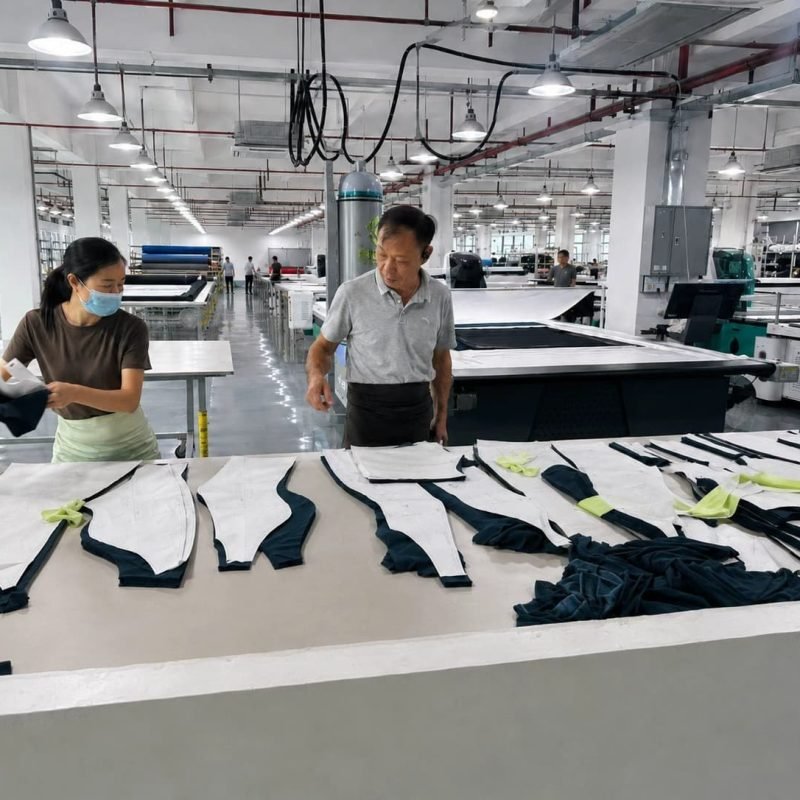
Tech Pack Review Before Sample Development Begins
A tech pack gives structure to development, but every file still needs a technical review for conflicts, missing details and specifications that may not match the intended garment.

Check Measurements, Construction and Material Calls
Tech pack review starts with the sections that directly control fit and build quality. POM are checked for internal consistency, measurement methods and relationship to the requested silhouette. On fitted womenswear, bust, waist, hip, body length, neckline depth, strap length, rise or leg opening can interact strongly with fabric stretch and support structure. A measurement set can be numerically complete but still produce the wrong result when ease or stretch assumptions are unclear.
Construction pages are reviewed for seam type, lining, binding, hems, closures, support, internal layers and operation sequence where those details affect the pattern or sample. Material calls are checked against the intended drape, recovery, opacity and finish. Trim specifications are reviewed for function as well as appearance: elastic width and recovery, zipper length, cup shape, boning type or hardware dimensions can change fit and assembly. Artwork and embellishment placements need usable dimensions and reference points rather than only a visual mock-up.
The review is also a manufacturing check. Instructions that look correct in a drawing can conflict with material behavior or operation order. Raising those issues before the first sample protects development time and gives the product team a clear reason for any recommended change. Where several specifications interact, the review notes which element controls the decision so later revisions do not correct one detail while creating a new problem elsewhere.
Turn Missing Information Into a Clarification List
A useful review does not return a vague note saying “tech pack incomplete.” Missing or conflicting items are converted into specific questions. Examples include confirming whether a neckline measurement follows the edge or straight line, whether the approved fabric stretch is measured in width or length, whether lining shares the same pattern or needs separate ease, or whether artwork placement is measured from shoulder, center front or finished seam.
Clarification also covers version control. Fashion teams often update measurements, trims or artwork while a sample is already in progress. The current file version, revision date and approved comments need to remain visible so the next sample does not combine old measurements with new construction details. When several styles are developed at once, disciplined clarification becomes even more important because shared fabrics and trims can change across an entire group of styles.
The desired output is a clean list of confirmed specifications, open questions and development assumptions. Once the important points are resolved, pattern and sample teams can work from a defined technical base. The tech pack remains the product reference, while the physical sample verifies whether the written specification produces the intended garment in real materials. Any approved clarification should be carried into the current file set so production teams are not asked later to choose between conflicting notes and drawings.

Developing Womenswear From Reference Images
Reference-led development works best when visual direction is translated into measurable fit, material, construction and finishing decisions instead of copying visible details without technical context.
Separate Visible Details From Hidden Decisions
A reference image can communicate silhouette, proportion, neckline, sleeve shape, gathers, drape, length, cut-outs, visible seams and decoration. It cannot reliably confirm fabric composition, GSM, stretch, lining, support, seam allowance, closure construction, exact measurements or internal reinforcement. Those hidden variables often decide whether the finished garment behaves like the image.
Development therefore begins by describing the visual intent in technical terms. A satin slip dress may require discussion of bias direction, bust and hip ease, strap position, neckline stability and hem behavior. A mesh bodycon dress raises different questions around stretch, opacity, lining and seam wave. A corset-inspired dress may need cup, boning, waist shaping, closure and layer decisions. A swim style requires stretch and recovery, lining, elastic and coverage choices before the pattern can be trusted.
The reference is treated as a design source, not a complete manufacturing document. When the brand specifies which details are essential and which can be adapted, the development team can create a workable route without pretending the unseen information is known. Front, back and close-up views are especially useful because many development errors begin when important proportions, closures or internal details are missing from a single image. When only one view is available, the open assumptions should be listed and confirmed before the pattern is treated as approved development direction.
Convert Visual Direction Into Development Specifications
After the visual breakdown, open variables are turned into measurable or selectable inputs. Fit target is defined using a brand size chart, reference garment or agreed measurements. Fabric direction is narrowed by drape, stretch, handfeel, opacity and surface. Construction decisions are documented for lining, closures, support, binding, hems and special processes. Trims and artwork are given dimensions or placement rules where needed.
The first sample then tests the chosen interpretation. If the neckline opens away from the body, the correction may involve pattern shape, strap angle or material behavior. If a draped skirt looks heavy, the problem may be fabric weight or construction rather than pattern alone. If a structured bodice collapses, support or layer selection may need revision. Comments are translated into technical changes and recorded for the next version.
Reference-led development is strongest when the brand receives not only a sample, but also a clearer production definition after each round.
The approved result becomes progressively less dependent on visual guesswork and more suitable for PPS and bulk execution. If the style contains complex support, lining or special processes, those elements should be confirmed early enough that later fit approval is based on the intended construction rather than a simplified temporary version.
Pattern and Fit Engineering for Womenswear Development
Fit is controlled through pattern geometry, measurement, material behavior and garment structure. Different womenswear categories require different decisions before a sample can be approved.

Build Fit Around Silhouette and Material Behavior
Pattern work starts from the intended silhouette rather than a generic block. The same body measurements can produce very different garments depending on ease, stretch, support and styling. A soft blouse needs enough movement while preserving neckline and shoulder balance. A fitted stretch dress may use negative ease, but the amount depends on fabric recovery and lining. A woven slip dress needs bust and hip ease without losing drape. Swimwear introduces torso length, leg opening, bust coverage and elastic tension. Structured dresses add cup position, waist shaping, boning channels and layer thickness.
Material behavior is therefore reviewed alongside measurements. Stretch percentage alone is not enough; recovery, direction of stretch, fabric weight and lining can change the fit result. Bias-cut woven fabric can grow or distort after hanging. Satin can show seam tension and puckering. Mesh can expose lining edges or create seam wave. Power mesh or elastic support can change body pressure and garment dimensions. Pattern decisions need to reflect the actual material route used for sampling and, later, for production.
Brand fit is equally important. A size chart establishes measurement targets, but fit comments explain how the garment should sit on the body. The development process should preserve the brand’s silhouette rather than forcing every style into one factory standard.
Turn Fit Comments Into Controlled Pattern Revisions
Fit review becomes useful when comments are specific enough to create technical changes. “Too loose at waist” may require a POM change, seam redistribution or shaping adjustment. “Armhole cuts in” can involve armhole depth, shoulder width, sleeve shape or binding tension. “Bust area gaps” can be affected by neckline shape, cup or dart position, strap angle, fabric stretch or support. The team identifies the likely cause before altering the pattern so one correction does not create another imbalance elsewhere.
Each revision needs a clear version. Updated pattern pieces, POM and construction notes should correspond to the sample being reviewed. For multi-size development, grading cannot simply multiply the same correction across all sizes; key body areas, stretch behavior and style proportions need to remain consistent with the brand’s size strategy. Critical POM and measurement methods should also stay stable so sample review and bulk QC use the same definitions.
Strong fit development reduces the risk of approving a visually attractive sample that cannot be repeated across sizes or materials. The objective is an approved pattern and measurement standard that can survive PPS, cutting and bulk production with controlled variation. When a material or construction change is introduced after fit approval, the affected POM and body areas should be reviewed again instead of assuming the earlier fit result still applies.

Fabric and Trim Decisions Inside Sample Development
Materials are part of product engineering, not a separate sourcing step. Fabric and trim behavior can change fit, construction, sample appearance and later production consistency.

Select Fabric by Behavior, Not Composition Alone
A fabric name does not fully describe how a garment will develop. Two polyester satins can differ in weight, drape, surface friction, opacity and seam response. Two stretch jerseys can have different recovery and compression. Mesh can vary in openness, stretch direction and stability. Swim fabrics can feel similar by hand but behave differently after lining, elastic application and repeated stretch. Material review therefore considers the performance needed for the garment rather than matching composition alone.
The development team can work with more than 30 regularly used fabric suppliers and the wider Humen/Dongguan and Guangzhou Zhongda sourcing ecosystem. The sourcing advantage is not the supplier count by itself. It gives multiple routes when a material needs a different weight, stretch, finish, handfeel, color option or documentation profile. Candidate fabrics can be compared against silhouette, construction and project timing before a bulk commitment is made.
Material risk should also be visible during sampling. Shrinkage, colorfastness, stretch/recovery, pilling, spirality, opacity or dimensional stability can affect pattern and production decisions. Testing information is used where relevant, while final requirements depend on product, destination and project standards. When the sample fabric is not the intended bulk quality, the difference should be recorded so fit or construction approval is not mistaken for final material approval.

Treat Trims as Functional Development Components
Trims can change the fit and performance of a garment as much as fabric. Elastic width and recovery affect swimwear openings, waistbands and body fit. Zipper type and length influence opening, seam structure and dress balance. Cups, underwire, boning and support layers affect bust shape and bodice geometry. Drawcords, hardware, labels, closures and decorative elements can introduce weight, stiffness, placement or compatibility issues.
Development therefore checks function, dimensions, placement and material compatibility before final approval. A trim that looks correct in a sourcing sample may behave differently after sewing or washing. Embroidery, certain printing and specialized fabric treatments are handled through long-term specialist partners where applicable, with XZapparel coordinating development inputs, sample approval, garment integration and final QC rather than presenting partner equipment as in-house assets.
The aim is to freeze a material-and-trim combination that supports the approved fit and construction. PPS should then use the intended production materials or clearly identify any remaining substitutions requiring approval. For coordinated sets or repeated styles, shared trims can be standardized where suitable, but the team still checks whether tension, weight or placement behaves differently on each garment construction. Color matching, attachment method and wash response can also require separate approval when the same trim is used on different base fabrics.
What the First Sample Must Prove
Fit Direction
The first sample checks whether silhouette, proportion and key body measurements are moving in the intended direction. Review can cover bust, waist, hip, length, neckline, armhole, rise, torso or leg opening depending on product type. A first sample does not need every detail frozen, but major fit errors should be visible enough to guide pattern correction.
Comments should identify the body area and desired result rather than rely on broad notes such as “make it fit better.”
Construction Route
Material Behavior
The sample shows how selected fabric and trims behave in an actual garment. Drape, stretch, recovery, opacity, seam appearance, shrink risk, elastic tension or trim weight can create results that are not obvious from a swatch. If material behavior conflicts with the design, the team can adjust pattern, construction or material direction before more samples are made.
A fabric substitution should therefore be treated as a development change when it affects fit or assembly, not only as a sourcing decision.
Process Feasibility
Print, embroidery, embellishment, special finishing or other process details need to work with the base fabric and construction. Placement, backing, heat, stitch density, surface stability and operation sequence can affect the garment. The first sample or process sample identifies whether the intended effect can be integrated cleanly. Specialist partner processes remain clearly identified, with development standards and garment QC controlled through XZapparel so process ownership stays transparent throughout approval.
Fit Review and Revision With Version Control
Sample comments become valuable only when they are translated into controlled pattern, measurement, material or construction changes and carried into the next version correctly.

Convert Comments Into Technical Changes
Effective fit review starts with the observed symptom and then identifies the likely technical cause. A neckline standing away from the body may relate to neckline shape, strap position, seam tension or fabric recovery. Drag lines across the hip may indicate insufficient ease, incorrect balance or fabric restriction. A skirt hem dropping unevenly can come from bias behavior, grain direction or weight distribution. A swim leg opening that feels loose may involve pattern dimensions, elastic specification or application tension.
Comments are therefore separated into pattern, POM, material, trim, construction and workmanship actions. Pattern makers update the relevant pieces and measurements, while sample makers follow the new construction or trim direction. When several changes interact, the team avoids treating each note independently; reducing waist ease, changing stretch fabric and adding lining can all affect the same fit area. The next sample needs to reflect the combined approved direction.
Brands benefit when comments are specific and referenced to clear locations or measurements. Photos, annotated fit notes, size charts and POM comments make revision decisions easier to reproduce across later samples and bulk QC. When a requested visual change conflicts with the existing measurement or material behavior, the team should flag the trade-off instead of silently changing the pattern and leaving the specification unchanged.
Keep Every Revision on One Approved Version
Version control protects the project when multiple files and comments are moving at once. Pattern revision, measurement update, fabric change, trim replacement or construction amendment should be associated with the sample version being reviewed. The newest file date alone is not enough if one team member is still using an earlier attachment. Development records need a clear approved direction before another sample is cut.
Multi-style programs increase the need for control. Shared fabric, zipper, elastic, lining or artwork changes can affect several styles. A brand may also use one fit comment across a group of related silhouettes. Central coordination helps identify which changes are style-specific and which should be carried across the collection. Once fit and construction are stable, the approved information feeds into PPS instead of being reinterpreted during production.
The goal is not to eliminate every revision. Fashion development often requires iteration. The goal is to make each revision purposeful, traceable and closer to a production standard. Once a correction is approved, the related measurement, pattern and construction references should be updated together so the next team does not need to reconstruct the reason for the change from email history. A clean revision trail also helps merchandising and production teams confirm which sample is current when several styles are moving at different speeds.

PPS Freezes the Standards for Bulk Production

Production Fabric

Approved Trims

Final Measurements

Construction Standard

Color and Finish

Labels and Packing
Preventing Sample-to-Bulk Drift Before Production
Approved samples only protect quality when material, pattern, construction, measurement and process standards stay controlled as the project moves into bulk manufacturing.
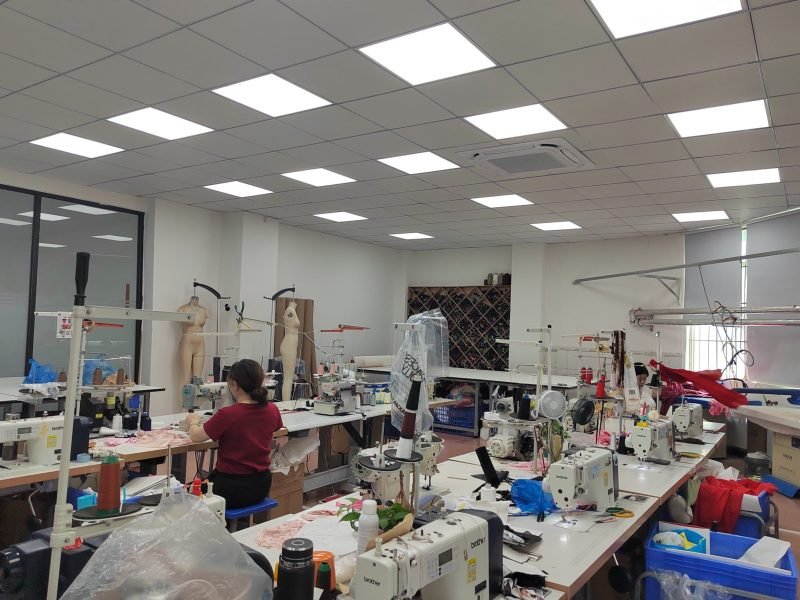
Control the Sources of Variation
Sample-to-bulk inconsistency often begins before sewing. Production fabric may come from a different lot, finish or stretch condition than the approved sample. A revised pattern may not replace every earlier file. A special process may be executed in a different sequence. Trim substitutions can alter tension, weight or appearance. Measurement methods can also vary between sample review and production QC if POM definitions are not carried forward.
The development handover therefore needs to identify the approved pattern version, critical POM, material standard, trim specification, construction details and visual reference. PPS acts as the bulk gate, while pre-production coordination makes sure production teams understand the areas that cannot drift. For fitted dresses, swimwear and structured garments, fit-critical points deserve extra visibility because small changes in stretch, support or measurement can change the wearing result. For sets, shade and cross-piece coordination may be equally important.
Material inspection and relevant in-house fabric tests add another layer before cutting. XZapparel’s quality route continues through fabric inspection, PPM, cutting inspection, inline QC, measurement, 100% finishing inspection, final inspection and packing inspection. Development and QC therefore share the same approved standard rather than working as separate functions. Critical style points identified during sampling can be carried into pre-production discussion so inspection attention follows the actual garment risk instead of relying only on a generic checklist.
Manage Changes After Approval
Changes after PPS are sometimes unavoidable. A fabric supplier can face availability issues, a trim may be discontinued, artwork may change or a brand may update measurements close to production. The risk is not the existence of change; the risk is an uncontrolled change reaching only part of the production chain.
A controlled response identifies which approved elements are affected, whether a new sample or process approval is needed and which documents must be updated. A fabric replacement can require fit, shrinkage or seam review. A new elastic may require tension and measurement checks. A construction change can alter pattern pieces or operation sequence. A label or packaging update may not affect fit, but it still needs version control to prevent mixed bulk output.
Sample-to-bulk control works best when development records remain available during production. Approved samples, PPS, patterns, measurement standards and critical comments form the reference set for line execution and inspection. The result is not a promise of zero variation; it is a manufacturing route designed to detect and manage variation before finished goods reach final inspection. When an approved element changes, the same reference set makes it easier to identify what must be rechecked before production continues.

Development Across Core Womenswear Categories

Dresses

Tops

Bottoms
Swimwear
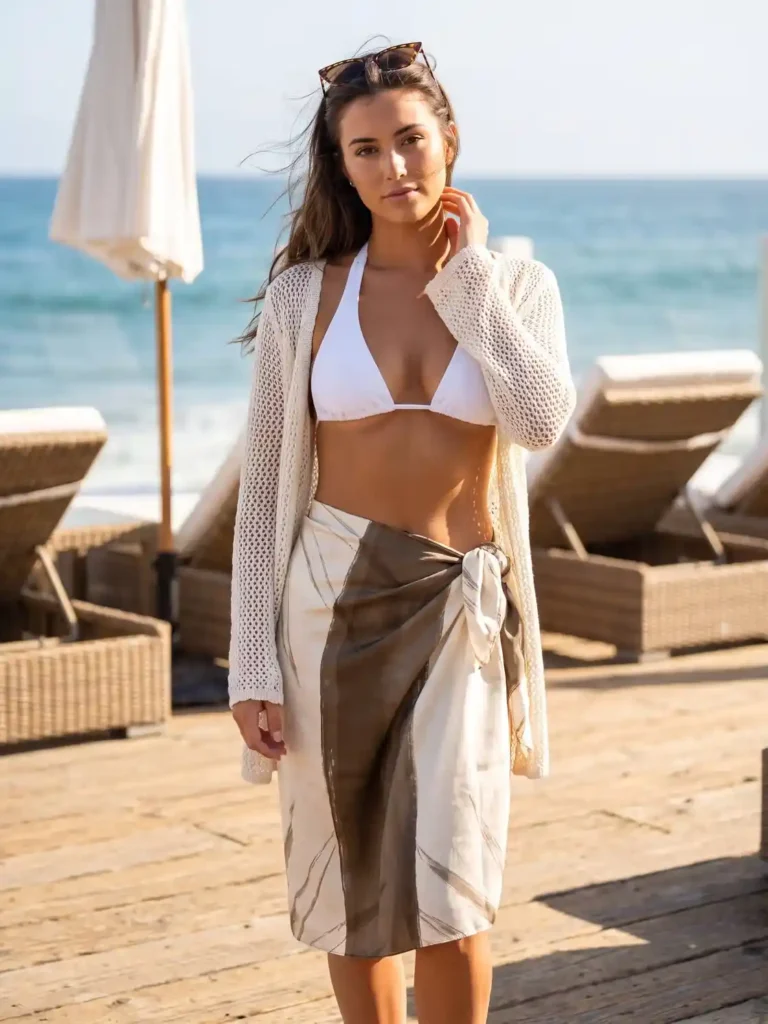
Swim development depends on negative ease, stretch and recovery, lining, elastic, bust or torso support, leg opening and coverage. Fabric behavior directly affects pattern dimensions, so fit cannot be separated from material selection. Edge construction, cups, underwire or other support components need to work with the chosen fabric.
Sampling also gives the team a point to review opacity, recovery, seam stretch and color or wash requirements before bulk.

Sets
Matching sets require each garment to fit independently while still working as a coordinated outfit. Cross-piece fabric, shade, print, trim and finishing standards need to remain aligned. Proportion also matters: top length, waistband position, skirt or trouser rise and overall silhouette should create the intended balance when worn together. Development coordination reduces the risk of approving two pieces separately and discovering later that they do not read as one commercial set.

Collection Coordination
Inside the Sample Rooms and Development Center

Pattern Development

Sample Sewing

Measurement Review

Fit Discussion
Use anonymous fit review images where the team is checking silhouette, balance, neckline, support or proportion on a mannequin or approved fitting method.
The image should connect to an actual development decision, not simply show a model wearing a garment. Before-and-after fit issues, annotated comments or revised samples can provide stronger evidence when permissions allow.

Material Review
Show fabric swatches, trims and a sample together on the same development table. The relationship between material choice and garment result should be visible: stretch fabric with lining and elastic, satin with zipper and support, mesh with lining or embellishment, or a coordinated set using shared fabric and trims.
Supplier names and confidential brand references should remain outside public images.

PPS Preparation
An Anonymized Multi-Style Development Program
A representative order profile shows how centralized development is used when a fashion brand launches many styles together instead of treating every sample as an isolated request.

Program Setup: 18 Styles, 36,000 Garments
A representative program can involve 18 womenswear styles across dresses, tops and matching sets with an overall bulk quantity of approximately 36,000 garments. The figures sit within the normal profile of established brand programs handled in multi-style order cycles, where individual development waves commonly contain 10-30 styles and total order quantities can range from roughly 20,000 to 80,000 pieces. Brand identity, artwork and style-specific commercial information remain anonymized.
Development starts by grouping the 18 styles according to shared and non-shared variables. Some garments may use the same satin family, lining, zipper or label system; others may need stretch mesh, structured support or a different fit route. Common materials can be reviewed together, while fit-critical products still keep separate pattern and sample approvals. A collection-level brief records style count, color count, planned quantities, target sizes and launch dates so sourcing and sample teams can prioritize long-lead materials without mixing approval status between styles.
The goal is not to make all 18 styles identical in process. Centralization is used to reduce duplicated decisions where standards can be shared and to keep style-specific differences visible where they cannot. A shared fit block, fabric family or trim can speed coordination only when the technical behavior is truly compatible across the related garments.
Development Control From First Sample to PPS
The first sample wave is organized around open risk rather than style number alone. Soft woven dresses may focus on drape, neckline and hem balance; stretch styles may focus on negative ease, recovery and opacity; structured pieces may require separate support and construction review. Comments are recorded by style and version so a fit correction on one dress is not automatically applied to every garment using the same fabric.
Material updates are also coordinated across the group. If a shared satin changes weight or finish, every affected style is identified for review. If a common zipper or label changes, the team updates the related specifications rather than allowing mixed versions into PPS. Fit revisions, measurement changes and construction corrections move forward until each style has an approved basis for pre-production sampling.
PPS then becomes the release gate for the 18-style program. Final materials, measurements, construction, color, labels and packing instructions are checked by style before bulk scheduling. The operational value is clear: one development center keeps pattern, sample, sourcing and approval status visible across a large assortment while preserving the technical differences that make each garment fit and perform correctly. The same structure also gives merchandising and sourcing teams a clearer view of which styles are ready, which are awaiting approval and which still carry material or fit risk before bulk booking.

Sample Timing and Production Readiness
Timelines depend on material availability, garment complexity, special processes and approval speed. The ranges below are normal working baselines for planning and capacity discussion rather than unconditional delivery guarantees for every style or program.
| Development Stage | Typical Working Time | Main Variables | Approval Purpose |
|---|---|---|---|
| Normal Sample | 3-5 working days | Material readiness, pattern complexity, construction details | Review initial fit, material and construction direction |
| Complex Sample | 5-7 working days | Structured support, special trims, complex construction or processes | Validate higher-risk product engineering before revision |
| Revision Sample | 2-3 working days | Number and type of corrections, material changes, comment clarity | Confirm pattern, POM and construction changes |
| PPS | 4-5 working days | Final materials, trims, color, labels, packing and approvals | Freeze production standard before bulk release |
| Bulk Production | Typically 25-35 working days | Material readiness, PPS approval, product mix, process route and order details | Manufacture against the approved production standard |
Is Your Style Ready for Sampling
Product Direction
- Ready: clear style direction and reference.
- Review needed: important views or details missing.
- Add before sampling: final category and design intent.
Fit and Size
Sampling becomes more meaningful when fit direction is clear. A brand size chart, target sample size, key POM, reference garment or fit notes can anchor pattern decisions. Fitted, structured and stretch products need more information than relaxed shapes because small differences in ease, support or material behavior can change the result.
Measurement methods are especially useful when the brand already has established fit standards.
- Ready: size chart or clear fit reference.
- Review needed: measurements exist but methods are unclear.
- Add before sampling: target size and fit intent.
Fabric Direction
- Ready: fabric or clear performance target.
- Review needed: composition known, behavior unknown.
- Add before sampling: stretch/drape/weight direction.
Trims and Structure
Closures, elastic, lining, cups, underwire, boning, bindings, hardware and other functional components should be identified when they affect fit or construction. Decorative trims also need dimensions, placement or process direction where relevant. A generic note such as “use suitable zipper” may be enough for early costing, but it is not enough to freeze a PPS. High-impact components should be reviewed before first sample or early in the revision cycle.
- Ready: key functional trims defined.
- Review needed: appearance clear, function open.
- Add before sampling: support and closure direction.
Artwork and Process
- Ready: artwork and placement available.
- Review needed: process known, specification incomplete.
- Add before sampling: size, placement and finish direction.
Quantity and Timeline
- Ready: style/color/quantity and launch window known.
- Review needed: quantity still being finalized.
- Add before sampling: target order structure and timing.
Sampling and Development Frequently Asked Questions
Yes. A reference image can start development when visual direction is clear. The team breaks the image into silhouette, likely fabric behavior, construction, trims and visible details, then identifies what cannot be seen. Exact measurements, internal support, lining, material specifications and production details still need to be defined during development rather than assumed from the image.
No complete tech pack is required for every starting route. Development can begin from a tech pack, sketch, reference image, physical garment, size chart or design concept. The more complete the technical information, the fewer assumptions need to be resolved. XZapparel does not present full tech pack creation as an automatic standard service; missing production details are clarified through the development process.
A normal sample typically takes about 3-5 working days after the necessary material and development information are ready. Complex styles typically need about 5-7 working days. Special trims, structured construction, printing, embroidery, handwork or material sourcing can change the timing. The schedule is reviewed by project rather than guaranteed before the style requirements are known.
The first sample is reviewed for fit, measurements, material behavior, construction and process direction. Comments are translated into pattern, POM, material, trim or construction changes. A revision sample is normally prepared when important changes need verification. The project moves toward PPS only after the main fit and production decisions are stable enough to be frozen.
Fit comments are converted into specific technical actions instead of being treated as general styling notes. Pattern shape, ease, length, POM, material behavior, support, seam position or construction may be adjusted depending on the issue. Photos, annotated comments and measurement references improve accuracy. Updated files and sample versions are controlled so later work follows the latest approved direction.
PPS is the pre-production approval gate. It confirms the final combination of production material, trims, color, measurements, construction, finish, labels and packaging where applicable. The PPS should represent the standard intended for bulk. Any difference between development materials and final production materials needs review before release because it can affect fit, appearance or process execution.
Yes. Six sample rooms, 48 pattern makers and 60 sample makers support parallel development across multiple womenswear styles. The actual schedule depends on product complexity, material readiness and revision workload. Multi-style programs are coordinated by style and version so shared fabrics or trims can be managed together without losing the individual fit and construction requirements of each garment.
A fabric change is reviewed for its effect on fit, drape, stretch, recovery, opacity, shrinkage, seam behavior and construction. When the new material changes garment behavior, a new sample or targeted approval may be needed. Production fabric should be confirmed before PPS or any remaining difference should be documented and approved before bulk release.
Embroidery is managed through long-term specialist partners rather than presented as an in-house process. XZapparel coordinates artwork and placement, material compatibility, strike-off or sample approval, garment integration and final QC. The same ownership rule applies to certain printing and specialized fabric treatments. Partner production remains clearly identified so development responsibility and process ownership are not confused.
Send the available product files plus commercial context: product category, style count, reference or tech pack, target quantity per style/color, size range, fabric direction, important trims or special processes, target market and sample or launch timing. Existing samples, size charts, fabric swatches and artwork can also help. The team will identify missing information before confirming the next development step.

Start Your Product Development Review
Send the information already available for the style or collection. A complete technical package is useful but not required to start the first review. Our development team can assess whether the project is ready for pattern and sampling, identify missing fit or material information, and recommend the next approval step. For multi-style programs, sharing the assortment together helps us understand common fabrics, trims, fit blocks, color plans and launch priorities before samples are scheduled. We also review target quantity, size range, special construction and timing so the sample route is compatible with the intended bulk program. If important specifications are still open, the team returns a focused clarification list before pattern or material decisions are locked. The objective is to start development with enough information to make the first sample useful, while keeping room for controlled fit, fabric and construction decisions during revision. Clear inputs also help us identify which approvals can run in parallel and which need to be completed in sequence before PPS.
Please include where available:
- Company or brand name, market and product category
- Number of styles, colors and target quantity per style/color
- Reference image, sketch, tech pack or existing garment
- Size range, size chart, key POM or fit reference
- Fabric, trims, lining, support and special construction requirements
- Artwork, print, embroidery or embellishment requirements
- Target sample, PPS and launch dates