 Skip to content

Factory Capacity Verification for Multi-SKU Women's Collections
Verify whether a factory can actually develop, allocate, control and deliver a multi-style women’s collection inside the required production window.
- Around 80 sewing lines and about 640 Brother sewing machines support normal monthly output of approximately 180,000-200,000 pieces, depending on product mix.
- Six sample rooms, 48 pattern makers and 60 sample makers support roughly 45-60 samples per day across active development programs.
- Standard garment MOQ is 200 pieces per style per color; fabric, trim and specialist-process requirements can raise project thresholds.
- Capacity is reviewed against SKU mix, construction difficulty, material readiness, process ownership, approval status and required ex-factory timing before allocation is confirmed.
How to Verify Multi-SKU Factory Capacity Before Production
A credible capacity review connects the collection plan to resources that are actually available during the required window, rather than relying on annual or monthly headline output.
Verify the Collection Against Real Production Resources
Factory capacity should be checked at project level. Start with the style list, quantities, colorways, fabric families, construction difficulty, special processes and target ex-factory date. Then map those requirements against development resources, material lead times, cutting and sewing routes, specialist-process slots, finishing, inspection and packing capacity. A factory may have substantial monthly output and still be unsuitable for a specific collection if the required lines are already committed, a critical process has limited slots, or several styles depend on the same delayed material.
For women’s fashion, product relevance matters as much as volume. A line running basic jersey tops does not automatically provide the same usable capacity for lined satin dresses, structured corset styles, swimwear with recovery requirements or embellished occasion pieces. Multi-SKU verification therefore needs product routing, not only machine counts. Each major style group should have a proposed production path and a realistic start condition: approved PPS, ready fabric and trims, confirmed construction, available line or partner slot, and inspection resources.
XZapparel reviews production feasibility around the collection rather than treating normal monthly capacity as a promise to one project. Normal factory output of approximately 180,000-200,000 pieces per month is a scale indicator; actual allocation remains dependent on product mix, active commitments, readiness and the required delivery window.


Look for Evidence Before Accepting Capacity Claims
A useful capacity discussion should produce evidence and conditions, not only reassuring statements. Ask which production building or line group is intended for each product family, how many styles can progress in parallel, which operations sit outside core in-house sewing, when materials must be ready, and which approvals must be closed before the planned start date. If the answer changes when style complexity, fabric lead time or delivery date changes, the factory is treating capacity as a real planning question rather than a fixed marketing number.
Watch for several warning signs: peak output presented as normal output, total factory capacity presented as immediately available capacity, specialist partner operations described as in-house, production timing counted before fabric and PPS approval, or a multi-SKU program accepted without reviewing style-level complexity. Another warning sign is a schedule that focuses on sewing while ignoring sample revision, cutting, specialist processes, finishing, measurement inspection and retail packing.
For a serious collection review, the sourcing team should be able to see the assumptions behind the proposed allocation. The useful question is not “How many pieces can you make?” It is “Which resources will handle our specific styles, during our required window, under which readiness conditions, and where could the critical path move?”
Capacity Numbers Mean Different Things During Supplier Verification
Separating headline capacity from project-ready capacity prevents a large factory number from hiding line constraints, product mismatch, material delays or overloaded specialist processes.
| Capacity Term | What It Actually Means | Evidence to Check | Main Decision Risk |
|---|---|---|---|
| Claimed Capacity | A published or stated output figure used to describe scale. | Company records, factory facts, production history. | May be outdated, peak-based or too broad for one program. |
| Normal Capacity | Typical output under a normal product mix and working pattern. | Recent monthly production data, line count, product mix. | Still does not show capacity available to one collection. |
| Available Capacity | Resources not already committed during the requested production window. | Line loading, booking status, material dates, planned start windows. | Changes quickly with other confirmed orders and delays. |
| Relevant Capacity | Available resources suitable for the garment category, construction and process requirements. | Similar product history, line capability, sample and process route. | Free lines may be unsuitable for the required product. |
| Project Capacity | The realistic allocation for the submitted SKU mix, quantities and delivery date. | Style-level routing, readiness gates, weekly plan, QC and packing allocation. | Cannot be confirmed accurately before project inputs are reviewed. |
Five Capacity Layers to Verify Before Placing Multi-SKU Orders
Strong capacity verification moves from physical resources to usable collection capacity, then checks whether quality and delivery control can scale with the planned output.
Physical and Available Capacity Must Be Separated
Physical capacity answers a simple question: what resources exist? For a garment manufacturer, the answer may include sample rooms, pattern and sample teams, cutting capability, sewing lines, machines, finishing areas, inspection teams and packing capacity. These facts establish manufacturing scale, but they do not confirm that the same resources are available when a new collection needs them. A production line can physically exist while being fully booked by another program.
Available capacity therefore adds time. The required production window must be matched against current commitments, expected material arrival, PPS approval timing and the sequence in which lines become free. A supplier should be able to discuss capacity by period rather than repeating one monthly figure. For seasonal launches, a two-week difference in material readiness can move a style into a different line window and change the whole delivery sequence.
XZapparel’s approximately 80 sewing lines and normal monthly output of around 180,000-200,000 pieces demonstrate physical scale. They should not be read as automatic allocation to one brand. Allocation depends on collection composition, active load, fabric and trim readiness, style complexity and requested ex-factory date. Separating these two layers keeps the discussion commercially useful and prevents an impressive total from becoming an unrealistic schedule assumption.


Relevant and Parallel Capacity Determine Collection Feasibility
Relevant capacity asks whether free resources are suitable for the actual garments. Women’s collections often mix soft woven dresses, stretch tops, structured pieces, bottoms, sets or swimwear. Each group places different demands on pattern work, handling, sewing sequence, lining, elastic, support, pressing, finishing and inspection. Capacity should therefore be matched by product route rather than treated as interchangeable sewing minutes.
Parallel capacity adds the multi-SKU question: how many styles can progress at the same time without repeatedly waiting for the same development team, fabric lot, specialist process, approval or inspection resource? A collection with 18 styles may contain only four or five true production routes if materials and constructions are grouped intelligently. The same 18 styles can become far more difficult if every style uses unique fabric, separate trims and different external processes.
A useful factory review therefore groups SKUs by product family, material family, construction complexity and specialist process before promising timing. Core categories at XZapparel – Dresses, Tops, Bottoms, Swimwear and Sets – are assessed separately from partner-supported knitwear, embroidery, certain printing and specialised treatments. Parallel planning works best when ownership is clear and shared dependencies are visible early.
Controlled Capacity Protects Approved Standards at Scale
Controlled capacity asks whether output can grow without losing the approved product standard. Increasing sewing volume has little value if measurement inspection, inline checking, finishing review or packing identity cannot keep pace. Multi-SKU programs create more versions, more size-color combinations, more labels and more approval references, so quality capacity must scale alongside production capacity.
Control begins with approved inputs. Fabric, trims, measurement standards, construction details, fit comments and PPS decisions need stable versions before bulk progresses. From there, inspection points should follow the production route instead of waiting for final inspection to discover repeated defects. XZapparel’s quality flow covers Fabric Inspection, Pre-Production Meeting, Cutting Inspection, Inline QC, Measurement Inspection, 100% Finishing Inspection, Final Inspection and Packing Inspection. Each stage addresses a different risk and supports traceability across multiple styles.
For capacity verification, the important question is whether these control points remain resourced when several styles peak at the same time. A collection is genuinely scalable when production, inspection and packing capacity rise together, and when changes are controlled against the approved sample and specifications rather than passed informally from one style to another.

Six Variables That Make Multi-SKU Capacity More Complex
Style count alone does not determine difficulty. Product routes, materials, color splits, construction, external processes and approval timing can change usable capacity much more sharply.
Style Count
Ten styles can be straightforward when several share similar fabric, fit blocks and sewing routes; ten unrelated styles can behave like ten separate programs. Count product families and production routes, not only SKU numbers.
- Group styles by similar construction.
- Identify shared fit or pattern blocks.
- Flag styles requiring separate technical routes.
Fabric Routes
A collection using satin, mesh, jersey, swim fabric and structured woven materials creates different sourcing, cutting, handling and testing requirements. Material readiness can become the real start-date constraint even when sewing lines are open.
- Check supplier lead times by fabric.
- Separate stock and custom developments.
- Confirm lining and support materials together.
Color and Size Splits
More colors and size combinations increase cutting markers, bundle control, labels, measurement references and packing identities. Small color splits can also interact with fabric and trim supplier thresholds, changing the production route before sewing begins.
- Confirm quantity by style and color.
- Lock the brand size chart.
- Review size ratios before material booking.
Construction Complexity
Lining, boning, cups, elastic support, concealed zips, draping, asymmetric details and difficult seam locations add operations and increase changeover or rework risk. Capacity needs to reflect operation content, not only planned units.
- Break down critical construction steps.
- Identify skills or machines required.
- Validate risky details during sampling.
Specialist Processes
Embroidery, certain printing, pleating, beading, washing and special fabric treatments may rely on dedicated internal resources or long-term specialist partners. Their available slots can control the collection date even when core sewing remains flexible.
- Confirm ownership for every process.
- Reserve partner slots before bulk.
- Approve strike-offs or process samples early.
Approval Timing
Late fit comments, unapproved PPS, missing artwork, delayed labels or changing packing instructions consume booked capacity without creating finished output. Approval readiness should be planned as carefully as production resources.
- Set approval deadlines by style.
- Freeze production versions before start.
- Escalate changes that affect the critical path.
Evidence to Request Before Accepting a Capacity Commitment

Current Line Loading
- Proposed line group or factory area.
- Expected start and finish window.
- Known peak-period constraints.

Material Readiness Plan
- Main fabric due date.
- Trim and packaging readiness.
- Approval items still open.

Development Throughput
- Pattern allocation by style group.
- Sample revision sequence.
- PPS readiness before line booking.

Process Slot Confirmation
- In-house or specialist partner.
- Process sample approval status.
- Planned handoff and return window.

Quality Resource Plan
- Inspection points by production stage.
- Approved references used for checking.
- Final and packing release responsibility.

Recovery and Contingency
- Styles that can move forward first.
- Shared dependencies that may block others.
- Escalation path for schedule changes.
XZapparel Capacity Facts With the Conditions That Matter
80 Sewing Lines
640 Sewing Machines
180K-200K Monthly
Normal monthly output is approximately 180,000-200,000 pieces, with higher output possible depending on product mix. The figure describes factory scale; it is not the same as capacity immediately available to one collection at any chosen date.
Six Sample Rooms
108 Pattern-Sample Staff
30+ Fabric Sources
Women's Collection Categories Need Different Capacity Routes
A multi-category collection should be routed by product maturity, fabric behavior, construction and process ownership. Eight product groups show how capacity can differ across one assortment.

Dresses - Proven Core
Dresses are a core XZapparel category covering varied silhouettes and material routes. Soft woven, satin, mesh, jersey, lined and more structured styles can require different handling, construction and finishing plans. Capacity review should separate simple dresses from corset, draped, embellished or heavily lined versions because operation content and specialist dependencies can differ significantly.

Tops - Proven Core
Women’s tops are also a core category, but capacity can range from relatively direct cut-and-sew routes to fitted, lined, mesh, structured or support-led constructions. Style review should capture stretch behavior, closures, internal support, binding, lining and embellishment before deciding whether several top styles can share the same line group or development route.
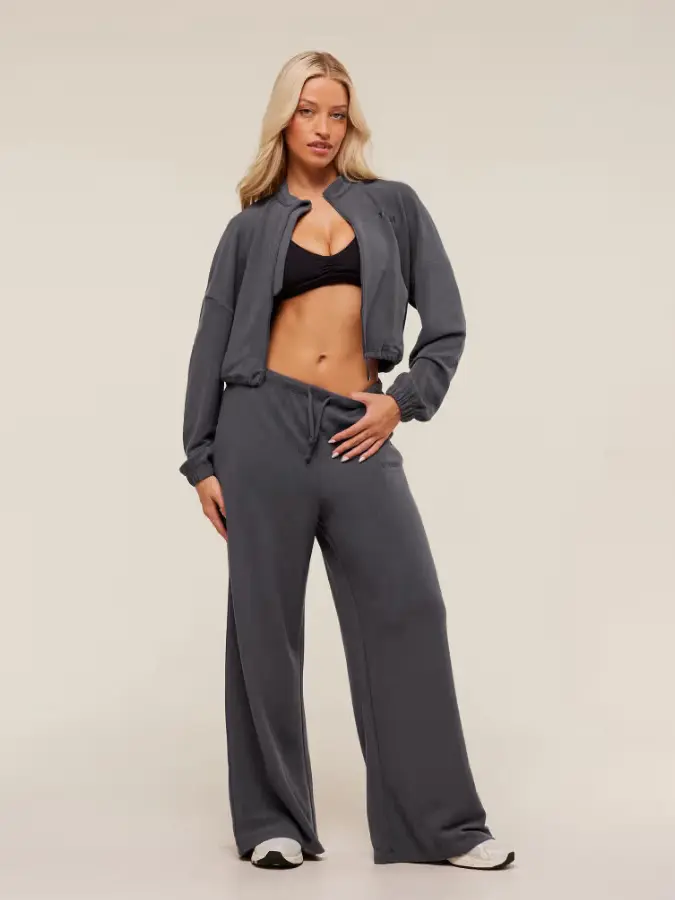
Bottoms - Proven Core

Swimwear - Proven Core

Sets - Proven Core
Matching sets create coordination work across two garments that must arrive, shade-match, fit and pack as one commercial product. Capacity planning should consider whether top and bottom components share fabric lots, trims and production windows.
A delay on one component can prevent the complete SKU from shipping even when the other component has already passed final inspection.
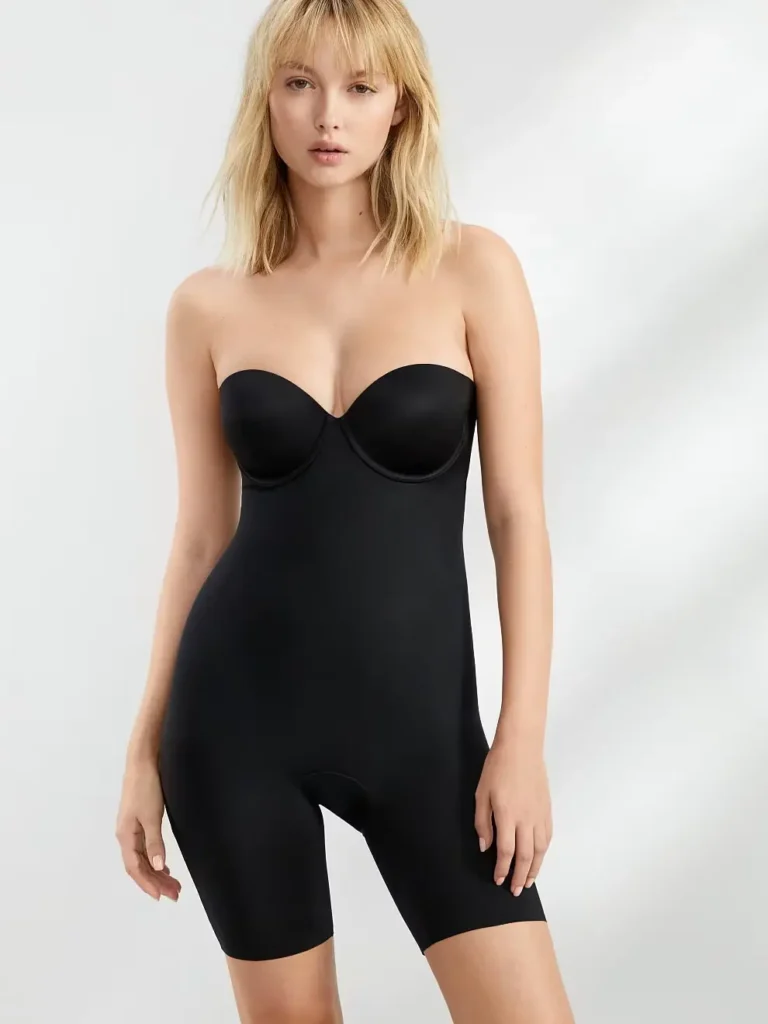
Active and Shapewear

Knitwear and Special Processes

Selected Outerwear Development
Development Capacity Comes Before Sewing Capacity in Multi-SKU Programs
A collection cannot use booked sewing time effectively unless patterns, samples, fit comments and PPS approvals are progressing fast enough to keep production-ready styles in front of the lines.
Pattern Capacity Determines How Many Styles Can Move Together
Pattern development is one of the earliest capacity gates in a multi-SKU program. A style may arrive as a tech pack, reference image, sketch, physical garment or size chart, but each input still needs to become a production-ready pattern and measurement system. When several styles launch together, the important question is not only whether patterns can be made; it is whether enough styles can be developed, corrected and released in parallel to support the planned production sequence.
XZapparel’s development platform includes 48 pattern makers across the wider sampling system. For capacity planning, styles can be grouped by silhouette, fit block, fabric behavior and construction risk. A fitted satin dress, stretch mesh top, wide-leg trouser and lined set should not automatically be placed in one development queue because the unknowns are different. Grouping related styles allows reusable learning while keeping risky structures visible.
Pattern capacity also needs version control. Measurement updates, neckline changes, sleeve revisions, seam movement or fabric behavior can alter later production steps. A clear revision history protects bulk cutting from using an outdated pattern. For multi-SKU work, release readiness should be tracked by style so one unresolved fit does not silently delay the entire collection.


Sampling Throughput Protects the Production Window
Six sample rooms and 60 sample makers support approximately 45-60 samples per day under the current operating baseline. These figures matter because a high style count can create a development bottleneck long before bulk sewing. Sample capacity must absorb first samples, revised samples, size-set or confirmation work where required, and PPS preparation while other programs are also active.
Typical sample timing is around 3-5 working days for normal styles and around 5-7 working days for more complex styles, with revisions often taking around 2-3 working days. PPS is typically around 4-5 working days once required inputs are ready. These are working baselines rather than guaranteed clocks; fabric availability, construction complexity, specialist processes and the speed of brand comments can move them.
The strongest collection plan therefore does not send all styles into sampling with the same priority. Hero launch styles, technically risky items, shared-fabric groups and specialist-process pieces should be sequenced intentionally. Early validation of the highest-risk styles protects later capacity because line booking can be built around known production standards instead of unresolved samples.
PPS Readiness Turns Development Into Usable Capacity
Sewing capacity becomes usable only when production inputs are stable. PPS approval, confirmed fabric and trims, final construction, measurement references, artwork, process approvals and packing instructions create the handoff from development to bulk. A line booked before these conditions are closed may appear reserved but still remain unable to produce approved garments.
For multi-SKU programs, PPS readiness should be managed as a collection dashboard rather than a single yes-or-no status. Some styles may be ready for cutting while others remain in fit revision; some may be blocked by custom hardware while others can move immediately. A controlled schedule uses that difference to keep capacity productive. Ready styles can progress without allowing unresolved styles to borrow or bypass approval standards.
The same logic also improves delivery forecasting. Bulk lead time at XZapparel is typically around 25-35 working days after fabric and trims are ready, PPS is approved and production details are confirmed. Counting from those readiness gates makes the production window more meaningful than counting from the date an inquiry, sample request or purchase order first arrives.

Material Readiness Is Part of Factory Capacity, Not Procurement Alone
Fabric and trim timing can decide whether booked sewing capacity becomes productive. Multi-SKU planning should connect material routes directly to the intended production sequence.
Group Materials Before Capacity Is Reserved
A women’s collection can contain several material families even when the style count looks manageable. Satin dresses may share base fabric but use different colors; mesh tops may need separate lining; swimwear may require main fabric, lining and elastic to be approved together; sets may rely on the same dye lot across two garments. Material planning should therefore begin by grouping SKUs according to what must arrive together for production to start.
XZapparel works with more than 30 regularly used fabric suppliers, including a smaller core supplier group, and also uses sourcing routes in Humen/Dongguan and Guangzhou Zhongda. A broad sourcing network creates options, but it does not remove supplier lead times, color development, minimums or testing. Capacity commitments should reflect the chosen route. Stock material, repeat material and custom-dyed or specially finished fabric have different readiness risks.
The most useful capacity review connects each major fabric to its required date. If four styles depend on one fabric lot, late approval can block four lines of work at once. If related styles can share a qualified material, the collection may gain both sourcing efficiency and a more stable production sequence. Material architecture therefore becomes a capacity decision, not only a design or cost decision.


Trims and Support Components Can Control Start Dates
Main fabric receives most attention, but trims often create the hidden critical path. Concealed zips, branded hardware, elastic, cups, boning, underwire, labels, heat transfers, hangtags, custom packaging and specialty closures can each introduce separate supplier thresholds and approval steps. When one component is unique to one SKU, its delay may affect only that style; when a branded component is shared across the collection, the delay can affect the whole program.
Capacity verification should therefore distinguish garment MOQ from fabric, trim and process requirements. XZapparel’s standard garment MOQ is 200 pieces per style per color, with reasonable size mixing within the same style and color. Special materials, custom trims, complicated processes or hand-applied embellishment can require higher project quantities or different lead times. Those conditions need to be known before the line plan is treated as final.
For sourcing teams, the useful output is a readiness list showing which components are approved, ordered, in production, in transit or still unresolved. Once the material path is visible, production planners can decide whether to hold the original sequence, advance ready styles, split delivery waves or adjust the style mix before capacity is lost.
Testing Should Change a Production Decision
Testing adds value when the result changes what happens next. GSM, shrinkage, colorfastness, crocking, wash behavior, pilling, stretch-recovery, spirality and dimensional stability may be relevant depending on the fabric and product. A stretch swim fabric and a woven satin do not need the same evaluation route, and a test should not be added simply to make a specification look more technical.
XZapparel has in-house fabric inspection and basic testing capability for relevant material checks. Formal third-party reports, market-specific requirements and customer-defined testing remain separate from routine factory controls. Capacity planning needs to allow time for any testing or corrective action that must be completed before cutting or bulk approval.
For multi-SKU programs, one failed shared fabric can affect several styles at once. Testing priority should therefore follow production dependency. Materials used across multiple high-volume styles deserve early confirmation, while isolated materials can be sequenced according to their own production start. Connecting testing to the line plan reduces the chance of discovering a common material problem after multiple SKUs have already entered bulk.

Convert the SKU List Into an Order-Specific Capacity Plan
A useful production commitment is built from style-level inputs. Quantity, construction, fabric, process and delivery date determine which resources need to be reserved and in what sequence.
Start With a Collection Routing Sheet
A routing sheet should list every style with category, quantity, color count, size range, main fabric, lining, key construction, specialist process, sample status, PPS status and target ex-factory date. The aim is not paperwork for its own sake. The sheet exposes shared dependencies and separates simple styles from those that require different technical routes.
A 16-style collection, for example, may include six dresses, four tops, three bottoms and three sets. If several dresses share satin and similar construction, they may be grouped for sourcing and line planning. A corset dress with boning and cups should stay separate from a bias-cut slip dress even if both belong to the same category. A two-piece set also needs both components planned together because shipping one component alone has little commercial value.
Once the routes are visible, each style can be assigned a readiness gate and proposed production window. Styles with approved materials and PPS can move first. Styles waiting for custom trims or specialist processes can be protected with later slots instead of occupying a line prematurely. The result is a plan based on actual manufacturing dependencies rather than an average pieces-per-day assumption.
Reserve Capacity Around the Critical Path
The critical path is the chain of activities that determines the earliest realistic completion date. In multi-SKU women’s production, it may sit in fabric development, fit revision, PPS, a partner process, line availability, finishing or packing. The slowest activity is not always the style with the largest quantity. A 1,000-piece embellished dress can control the launch date if the specialist process slot is later than the sewing window for a 5,000-piece jersey top.
Capacity reservation should therefore happen after critical processes are identified. Core in-house sewing can be planned around known material and approval dates, while specialist partner slots are reserved separately and connected to garment handoff dates. For styles using shared fabrics or trims, planners should also protect against a single late component blocking several lines at once.
A good plan includes recovery options. Some styles may be able to advance if another style is delayed. Delivery can sometimes be split when commercial priorities allow it. Shared materials may be reordered or substituted only with approval. The capacity conversation becomes more credible when these choices are visible before production begins rather than invented after a delay appears.
Confirm Weekly Output With Quality and Packing Capacity
After routing and critical-path review, weekly output can be planned by style group. The schedule should show when cutting starts, when sewing begins, when specialist processes return, when finishing and measurement inspection peak, and when packing is expected to release finished goods. A line plan without inspection and packing capacity is incomplete because finished sewing output can still queue at the end of the process.
Multi-SKU programs also create identity risk. Size labels, color codes, hangtags, polybags, barcode stickers, carton marks and assortment instructions must match the correct style and variant. Packing capacity therefore needs enough time and control to process multiple finished styles without mixing versions. For retail programs, final packing details should be confirmed early rather than treated as a last-week activity.
XZapparel reviews bulk timing after fabric and trims are ready, PPS is approved and production details are confirmed. Normal bulk timing is typically around 25-35 working days after these prerequisites. A project-specific plan can only be confirmed after the SKU list, quantities, material routes, process requirements and target dates are reviewed together.

Keep Specialist Capacity Transparent Across Every Production Route
Capacity becomes easier to verify when ownership is clear. Core in-house manufacturing, long-term specialist partners and third-party testing should never be blended into one vague factory claim.
Core Development Control
- In-house pattern and sample teams.
- Direct version and approval control.
- Development capacity visible before production.
Core Cutting and Sewing
Core garment cutting and sewing are managed within XZapparel’s manufacturing platform.
Line allocation is reviewed by product route, readiness and timing rather than presented as unlimited access to all production resources.
- Around 80 sewing lines.
- Product-specific line planning.
- Direct process and quality coordination.
Specialist Knitwear Partners
- Partner production ownership disclosed.
- XZapparel manages project specifications.
- Slot timing reviewed before commitment.
Embroidery and Printing
Certain embroidery, printing and related value-added processes may use controlled specialist partners.
Capacity review therefore includes process artwork, strike-off or sample approval, partner availability, handoff timing and garment inspection after the operation is completed.
- Process source identified early.
- Approval gate before bulk use.
- Return timing connected to sewing plan.
Special Fabric Treatments
- Process compatibility checked during development.
- Partner slot treated as real capacity.
- Quality standard defined before production.
Third-Party Verification
Independent testing or inspection services are not manufacturing capacity.
When a project requires formal third-party reports or inspections, the service is scheduled separately and the timing is built into the release plan.
- Third-party ownership stays explicit.
- Report timing is planned separately.
- Results do not replace factory process control.
Where Multi-SKU Collection Bottlenecks Usually Form First
Material Lead Time
A delayed shared fabric, lining or branded trim can block several styles at once.
Capacity planning should identify common dependencies and required delivery dates before production slots are treated as secure.
- Shared material across multiple SKUs.
- Custom color or finish lead time.
- Supplier MOQ and approval timing.
Sample Revision Queue
- Fit comments need clear deadlines.
- Pattern versions must stay controlled.
- Revisions should follow commercial priority.
PPS Approval Timing
- Final construction confirmed.
- Fabric and trims approved.
- Packing and artwork inputs released.
Specialist Process Slots
Embroidery, printing, pleating, beading, washing or specialised treatments can have narrower capacity windows than core sewing. A small quantity can still control the collection date when the required process slot is late.
- Confirm process ownership.
- Reserve production slot early.
- Allow handoff and return time.
Line Changeover Load
Many short runs can consume more setup and balancing time than one long style. Construction changes, machine requirements and operator learning should be considered when sequencing a high-variety collection.
- Group technically related styles.
- Avoid unnecessary route changes.
- Sequence by readiness and complexity.
Finishing and Packing
- Plan finishing peaks by week.
- Protect SKU identity during packing.
- Align final inspection with release timing.
A Multi-SKU Capacity Planning Workflow From Review to Delivery
Eight control steps convert a collection brief into a production route that can be checked, updated and released without hiding dependencies behind one factory output figure.
Collection Intake
SKU Segmentation
Group styles by product family, material route, construction difficulty and specialist process.
Related styles can often share sourcing and planning logic, while structurally different styles need separate capacity assumptions.
Development Risk Review
Material Readiness
Map main fabric, lining, elastic, zips, hardware, labels and packaging to required dates.
Shared materials receive higher priority because one delay can affect multiple SKUs.
PPS Release
Confirm production samples, measurements, construction, workmanship, materials and required process approvals before the style is counted as ready for bulk allocation.
Capacity Reservation
Assign proposed line groups and specialist-process windows according to product relevance, readiness and timing.
Total factory scale remains separate from project-specific allocation.
Parallel Production Control
Final Release
Complete final inspection, packing identity checks, carton requirements and shipment release against approved references. Reorder information and approved versions should be retained for repeat production planning.
Quality Capacity Must Grow With Multi-SKU Production Capacity
More styles mean more measurements, materials, appearance references and packing identities. Eight quality gates keep control close to production instead of relying on one final inspection.

Fabric Inspection
Incoming fabric is checked before bulk use so visible defects, shade concerns, width issues or other material risks can be identified before they are multiplied across cutting. Relevant fabric tests are selected according to product and material behavior rather than applied as one generic test package.

Pre-Production Meeting

Cutting Inspection
Cutting control checks marker, fabric direction, component identity and visible material issues before bundles enter sewing. Multi-color and multi-size programs need clear bundle identification because an early mix-up can spread through several later operations and create avoidable rework.

Inline QC
Inline inspection finds construction and workmanship problems while correction is still possible inside production. When several styles run in parallel, checkpoints should focus on style-specific risks such as seam behavior, alignment, support, stretch handling, closure setting or visible symmetry.

Measurement Inspection

Finishing Inspection
XZapparel uses 100% finishing inspection as part of the normal quality flow.
Finished garments are reviewed for appearance, loose threads, pressing, visible workmanship and completion before they move toward final release and packing.

Final Inspection
Final inspection verifies the released goods against the agreed quality standard and project requirements.
Where a brand specifies AQL or third-party inspection, the agreed method and ownership should remain explicit rather than being implied by general factory QC language.

Packing Inspection
Packing control protects style, color, size, label, barcode, polybag and carton identity.
In a multi-SKU collection, correct packing is part of production capacity because a shipment cannot be considered complete if commercial variants are mixed or incorrectly labeled.
An Anonymised Multi-SKU Capacity Planning Example
A representative seasonal program shows how style count, quantity and shared dependencies can be converted into a controlled production plan without treating total monthly capacity as project capacity.
Program Profile: 18 Styles and 46,800 Pieces
Consider an anonymised seasonal program with 18 styles and 46,800 total pieces, reflecting the scale of recurring multi-style orders handled by established fashion brands. The assortment includes six dresses, four tops, three bottoms, three matching sets and two swim styles. Individual style quantities range from 1,600 to 4,200 pieces, with multiple colorways and mixed size ratios inside each approved style-color combination.
The collection is not treated as 46,800 identical garments. The six dresses are split into three production routes: soft woven and satin styles, stretch or mesh styles, and two more structured styles using lining and internal support. The tops include jersey and mesh constructions; the bottoms use woven fabrics with separate waistband and closure requirements; the sets need paired shade and packing control; the swim styles require main fabric, lining, elastic and recovery checks before bulk.
Before capacity is reserved, the program is segmented into shared-material groups, technically related line groups and specialist-process groups. Shared satin, common labels and repeat packaging can reduce procurement fragmentation, while unique embellishment or hardware remains isolated so one delayed component does not silently block unrelated SKUs. Figures in this example illustrate a representative planning approach and do not create a guaranteed schedule for other programs.

Development and Material Gates Before Bulk Allocation
The first planning objective is not to fill sewing lines; it is to release enough production-ready styles in the right sequence. Higher-risk dresses and swim styles enter sample development first because fit, support, lining, stretch or hardware decisions can affect later sourcing and production. Simpler tops and bottoms can progress in parallel once their measurements and materials are stable.
Sampling is staged so first samples, revisions and PPS preparation do not peak for all 18 styles in the same few days. Shared fabrics are approved early because one material decision may affect several SKUs. Custom labels, zips, elastic, cups, boning or specialist-process artwork are tracked separately. If one structured dress remains in revision, the production plan can still advance ready satin dresses, tops or bottoms rather than holding the entire collection.
A readiness dashboard then separates styles into four states: development open, material open, PPS pending and bulk ready. Only bulk-ready styles are counted against confirmed production allocation. This prevents an apparently full schedule from being built around garments that cannot yet be cut. The same dashboard gives merchandising and sourcing teams a clearer view of which delay is technical, which is material-related and which is truly a factory-capacity issue.

Parallel Production, QC and Delivery Control
Once enough styles are bulk ready, production is released in planned waves rather than as one undifferentiated block. Technically related garments are grouped where line balance and operator skill make sense, while styles with specialist processes are connected to separate partner windows. The objective is to keep several routes moving at the same time without forcing every SKU through the same sequence.
Quality capacity is planned with the production waves. Fabric checks, PPM, cutting inspection, inline QC, measurement inspection, finishing, final inspection and packing control are assigned against style timing so the inspection team is not overloaded when several lines finish together. Matching sets receive additional identity and pairing attention; swim styles retain their stretch and support references; structured dresses remain tied to their approved construction and measurement standards.
A program of 46,800 pieces may fit comfortably inside overall factory scale, but project confirmation still depends on the intended production month, other active commitments, final product mix and material readiness. Capacity verification therefore ends with a dated allocation review, not a conclusion based only on monthly factory output. The same method can be applied to programs within the broader recurring order range of roughly 10-30 styles and 20,000-80,000 total pieces.

Capacity Verification Scorecard for Multi-SKU Women's Collections
Use a structured review to compare factories on collection readiness rather than factory size alone. A strong score should still be supported by current project evidence.
| Verification Area | Weight | What Strong Evidence Looks Like | Warning Signal |
|---|---|---|---|
| Product and Category Fit | 15 | Proven production route for the actual garment categories and constructions. | Capacity discussed without product relevance. |
| Development Throughput | 10 | Pattern, sample, revision and PPS resources can handle several styles in parallel. | Sewing scale is strong but development queue is unclear. |
| Material Readiness | 10 | Fabric, trim and packaging dates are mapped to production start requirements. | Line booking begins before material risk is understood. |
| Available Line Capacity | 15 | Proposed production window and suitable line groups are identified. | Total monthly output is presented as instant availability. |
| Specialist Process Capacity | 10 | Ownership, approvals, partner slots and handoff dates are transparent. | External processes are hidden or described as unlimited. |
| Parallel SKU Planning | 10 | Styles are grouped by route, dependency and readiness with clear sequencing. | All SKUs are given one generic lead time. |
| Quality Throughput | 10 | Inspection and measurement resources scale with production peaks. | Quality is described only as final inspection. |
| Ownership Transparency | 10 | In-house, partner and third-party roles are clearly separated. | Partner resources are represented as factory-owned. |
| Delivery and Contingency | 10 | Critical path, recovery sequence and packing release are planned. | No response to material, approval or process delays. |
Frequently Asked Questions About Multi-SKU Factory Capacity

Send Your Collection for a Capacity and Routing Review
- Style count and product categories.
- Quantity by style and color.
- Size range and target market.
- Target fabric, lining and key trims.
- Embroidery, printing, pleating, beading or other special processes.
- Current sample or PPS status.
- Required ex-factory or launch date.
- Packing, labeling or retail requirements.
