Skip to content

Multi-SKU Collection Development Capability
Develop coordinated women’s fashion collections through one development system instead of managing every style, material decision and approval as an isolated project.
- 6 sample rooms, 48 pattern makers and 60 sample makers support concurrent style development and revision work.
- Current sample-room output can reach approximately 45-60 sample pieces per day across the active product mix.
- Proven core categories include Dresses, Tops, Bottoms, Swimwear and Sets, with established capability in Sweatwear, Activewear and Shapewear.
- Standard garment MOQ is 200 pcs per style per color, subject to fabric, trim, process and order-structure requirements across the planned assortment and launch schedule.


Develop Collections as One Program, Not Isolated Styles
Multi-SKU development works when collection-wide decisions are coordinated while every style keeps its own fit, construction, material and approval standard from first sample through bulk release.

Collection-Level Development Starts With Shared Decisions
A multi-SKU collection should not enter sampling as a folder of unrelated styles. The first task is to establish the structure of the range: which styles are commercial anchors, which support the assortment, which fabrics or colors can be shared, which styles contain higher technical risk, and which launch dates or delivery windows drive the sequence. A dress, matching set, top and skirt may belong to one visual story, but they do not carry the same fit, construction or material risk. The program therefore needs one coordination layer above the individual style files.
XZapparel approaches collection development through a combination of assortment planning, pattern and sample coordination, material review, approval gates and production planning. Shared decisions can include color direction, fabric families, recurring trims, label and packaging standards, while style-level controls remain specific to the garment. A bodycon dress may require stretch recovery and lining decisions; a structured top may depend on boning, closure and bust support; a swim style introduces elasticity, opacity, lining and colorfastness requirements. Keeping the collection connected without forcing every SKU into one technical formula is the point.
The useful output is not a generic promise to “handle many styles.” It is a development map showing what can move together, what must move independently, which styles need earlier validation, and which approvals unlock downstream work. That structure gives design, merchandising, sourcing and technical teams a common operating picture before sample volume increases.

Every SKU Keeps Its Own Approved Standard
Collection consistency does not mean one pattern, one BOM or one approval rule for every SKU.
Each style should retain a controlled technical identity: current tech pack or reference, pattern version, measurement standard, BOM, material and trim specification, artwork where applicable, sample comments, approval status and packaging instruction.
When one of those inputs changes, the change should be visible before the next stage is released.
This distinction becomes more important as style count rises. A material replacement on one dress should not silently spread to a matching top if opacity or stretch requirements differ. A revised neckline measurement should not be applied to another silhouette simply because both styles sit in the same range. Likewise, a shared fabric color does not remove the need to verify how different garment constructions react to shade, shrinkage, pressing or finishing.
For brand teams, the benefit is control without unnecessary fragmentation. Shared decisions reduce repetitive sourcing and improve coordination; SKU-specific approvals protect fit, appearance and manufacturability.
The strongest multi-SKU programs use both layers at once. The collection layer manages dependencies, priority and launch timing. The SKU layer protects the approved product standard. Together they create a cleaner route from design intent to PPS, bulk production, final inspection and repeat order review.
Six Risks That Grow With Every Added SKU
More styles create more handoffs, approvals and dependencies across design, merchandising, sourcing, production and QC. Strong collection management identifies failure points early instead of discovering them during bulk production.
Version Drift
Multiple styles create multiple comment rounds, patterns, BOMs and approvals. Risk rises when an outdated file reaches sourcing, sampling or production. A controlled program keeps one current approved version per SKU, records material or construction changes, and releases updates only after the relevant review. Version discipline becomes especially important when several departments comment on the same style at different times, because one outdated attachment can trigger repeated sampling, wrong sourcing or bulk rework.
Material Fragmentation
More colors and style variations can multiply fabric minimums, trim minimums, shade lots and supplier lead times. Collection planning should identify where materials can be shared without compromising product performance. Shared platforms can improve purchasing efficiency, while high-risk or product-specific fabrics remain separately controlled. The goal is not maximum sharing; it is the right balance between consistency, technical suitability and commercial feasibility, with the sourcing route documented before purchase quantities are committed.
Approval Bottlenecks
One delayed fit, fabric, artwork or PPS approval can block several downstream tasks when styles share materials or launch timing. Priority styles therefore need clear decision owners and planned review dates. High-risk styles should move early enough to expose issues before routine supporting styles consume sampling and sourcing capacity. A visible approval sequence helps the whole range move forward without hiding unresolved dependencies, while product teams can focus review time on decisions with the greatest downstream impact.
Capacity Conflict
Ten approved styles do not necessarily require the same production time or line setup. Garment complexity, material behavior, special processes and delivery windows can create different critical paths. Production planning should allocate cutting, sewing, specialist-process and QC windows according to actual style needs rather than dividing time only by piece count. Forecasts and confirmed program inputs matter more than a single headline capacity number, especially when several delivery windows compete for cutting, sewing and specialist-process slots.
Quality Inconsistency
A larger assortment can introduce more production lines, material lots, operations and inspection checkpoints. One universal checklist is rarely enough. Collection-level quality standards should sit above product-specific controls for measurements, appearance, construction and finishing. Approved inputs, sample standards and lot visibility help teams identify whether a deviation affects one SKU, one color, one material batch or the wider program before final inspection, so corrective action stays targeted instead of disrupting unrelated styles.
Packing Errors
Style, size, color, barcode and destination combinations multiply quickly in retail programs. Packing errors often come from identity control rather than sewing. A clear packing matrix should connect SKU, size assortment, labels, barcode, polybag, carton and destination requirements. Final packing inspection needs to verify the same approved information used by merchandising and warehouse teams so finished goods leave with the correct retail identity, assortment and destination marking, with carton quantity and SKU coding checked before shipment release.
Build the Assortment Before Starting Sample Development
A collection becomes manageable when its commercial structure and technical dependencies are visible before multiple sample rounds begin across different product categories, colors, materials and launch windows.
Planning Layer | Key Decision | Shared Across Collection | SKU-Specific Control | Why It Matters |
Seasonal Direction | Market, launch window, category mix, price position | Launch calendar, visual direction | Product risk and timing | Sets the program deadline and development priority |
SKU Role | Hero, support, matching, repeat or test style | Collection architecture | Individual sales and technical role | Prevents every style from receiving the same development priority |
Style | Silhouette and construction intent | Related blocks or design language where suitable | Pattern, BOM, measurements, construction | Protects individual product identity |
Color | Palette and color count | Shared color families or dye lots where suitable | Shade approval by material and product | Reduces unnecessary fragmentation while controlling shade risk |
Size | Brand size range and fit direction | Brand size chart and fit philosophy | POM, grade rules and tolerances | Keeps collection fit coherent without forcing one pattern logic |
Material | Fabric and trim strategy | Shared fabric families, labels, common trims | GSM, stretch, lining, support, finish | Connects sourcing efficiency with product performance |
Process | Print, embroidery, wash, pleat or embellishment | Shared artwork standards or approved vendors | Placement, compatibility and approval | Exposes external-process timing before production |
Approval | Required development gates | Common review calendar | Fit, material, artwork, PPS, packaging status | Stops unresolved styles from entering bulk prematurely |
Quantity | Style/color/size allocation | Program forecast and total volume | Qty per style/color | Determines garment, fabric, trim and process feasibility |
Delivery | Drop, shipment or retail window | Master milestone plan | SKU critical path and release date | Allows production sequencing around the commercial launch |
Build More of a Women’s Collection in One System
Collection planning works best when proven core categories and established extensions are combined with clear technical boundaries, development priorities and product-specific approval needs instead of one undifferentiated product list.

Dresses
Proven Core. Dresses can anchor a women’s fashion collection across bodycon, occasion, mini, midi, maxi, slip, structured and draped directions.
Development usually turns on silhouette, bust and waist control, lining, closure, fabric drape, stretch or support.
Within a multi-SKU range, dress programs can share color stories and selected fabric platforms while keeping fit, construction and finishing approvals specific to each style. Hero dresses can also establish the visual direction for lower-risk supporting SKUs.

Tops
Proven Core. Tops work well as supporting and repeatable SKUs because one collection can combine fitted, corset-inspired, halter, strapless, knit or woven silhouettes around a shared visual direction.
Technical review should still separate neckline, support, closure, hem and fabric behavior by style. Coordinating tops with skirts, pants or dresses can reduce sourcing fragmentation when shared trims, labels, colors or materials genuinely suit the intended fit. Reusing an approved block can help, but only after neckline, length and fabric behavior are checked.
Bottoms
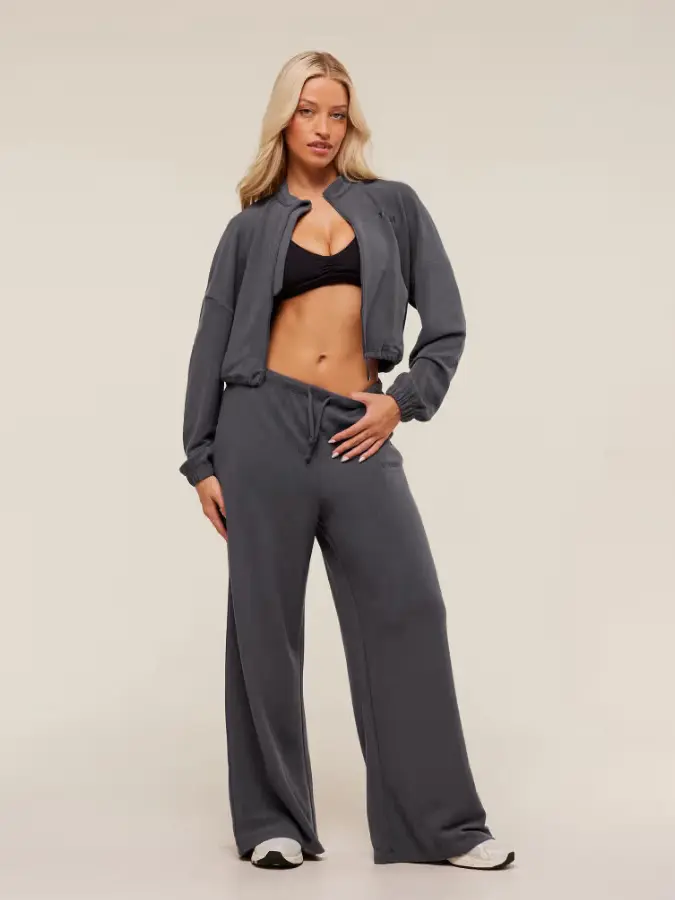
Proven Core. Skirts, pants and shorts add commercial depth to a range and often create matching opportunities with tops. Waist construction, rise, hip ease, lining, zipper or elastic systems and fabric recovery need separate review. Shared materials can support consistent color and handfeel, but bottom-weight requirements should not be forced onto lighter tops simply to simplify purchasing. Pattern balance and movement remain SKU-specific. Bottoms also need separate review for pocket construction, waistband stability and size grading when they form part of a coordinated set.

Matching Sets
Proven Core. Sets require cross-SKU coordination because tops and bottoms must look intentional together while retaining independent fit and measurement control. Fabric lot, shade, trim, print placement and finish should be aligned where the garments are sold as a coordinated look. Pattern, POM, construction and size grading remain specific to each piece. Sets are especially useful for showing whether a supplier can manage shared dependencies without merging technical standards. The top and bottom can move through different fit revisions while still sharing one color and material approval route.

Swimwear
Proven Core. Swimwear introduces a more technical combination of stretch, recovery, opacity, lining, elastic, support, seam behavior and colorfastness. A swim collection may also connect with cover-ups, skirts, lightweight dresses or resort sets. Shared color and branding can strengthen the range, but swim fabrics and support components require their own performance review.
The program should not treat swim as ordinary stretch knit apparel. A shared resort capsule should also distinguish swim performance fabrics from lighter cover-up or dress materials used beside them.

Sweatwear
Established Capability. Sweatshirts, hoodies, joggers and coordinated casual pieces can extend a fashion range when fabric weight, shrinkage, rib, print or embroidery and wash appearance are controlled. Sweatwear often benefits from shared fleece or French terry platforms across several SKUs. Development should still separate garment shape, rib specification, decoration placement and finishing requirements instead of relying on one generic casualwear standard. Shrinkage and wash appearance should be considered before matching multiple pieces into one casual collection.

Activewear
Established Capability. Activewear needs stronger attention to stretch direction, recovery, opacity, negative ease, seam stretch and repeated movement.
Coordinated bras, tops, leggings, shorts or jackets can share fabric families and colors, but each silhouette requires separate fit and support decisions. For mixed fashion-active collections, product role should be defined early so performance expectations are not assumed from appearance alone. A fashion-led stretch style and a true training style may require different fabric and fit validation.

Shapewear
Established Capability. Fashion shapewear and structured shaping can support corset-inspired or contour collections where compression, panel direction, power mesh, lining, boning, closure and fit are part of the design. Development should define the intended shaping level rather than applying one formula across styles. Highly specialized lingerie and custom bra-cup mold development sit outside the core positioning and require separate technical review. Structured fashion shaping is strongest when support level, panel direction and closure are defined before pattern development.
Move Every Collection Through Defined Development Gates

Seasonal Direction
Start with launch timing, market, assortment role and commercial direction. The collection needs a target date and category structure before technical teams can prioritize work.
Early direction also identifies whether the range depends on one hero product, several coordinated sets, repeated fabric platforms or special processes that can affect the whole development calendar. The result is a priority map before technical work begins, giving every function the same launch objective and development sequence.

SKU Matrix
Translate the range into style, color, size and quantity lines. Record category, hero or support role, target fabric, key process, reference or tech pack status and planned launch window.
The matrix becomes the central view for sample priority, material sharing and commercial feasibility rather than relying on separate email threads for each style. It should be updated whenever quantity, color or timing changes, with the current version visible to sourcing, development and operations teams.

Risk Priorities
Identify styles with new fabrics, difficult fit, structural support, special trims, complex artwork or partner-managed processes. These styles should usually enter validation earlier than routine support SKUs because one unresolved technical decision can affect several related products. Priority is based on downstream impact, not on which file arrived first. A risk score can also flag styles needing early material or process confirmation before related SKUs start, helping sample capacity stay focused on the decisions with the highest program impact.

Technical Setup
Convert references or tech packs into workable development inputs. Pattern, measurement points, fabric and trim assumptions, construction, artwork and finish need enough clarity for the first sample to answer useful questions. Missing inputs should be clarified before teams create false precision or build several styles on the same unverified assumption. Clear clarification notes reduce avoidable sample rounds and conflicting interpretations, especially when several styles reuse one visual reference or related construction detail.

First Samples
Use first samples to test silhouette, proportion, construction, material behavior and visible design intent. Styles do not need to reach the same stage on the same day.
A multi-SKU program works better when each sample has a defined question to answer and the review team knows which decisions can unlock shared materials or related products. Review comments should distinguish fit, appearance, construction and material issues, so the correct pattern, sourcing or sewing action follows each comment.

Material Approval
Approve fabric, lining, trims and special-process inputs before bulk commitments are made. Shared materials can be reviewed once at platform level only where product requirements truly match.
Color, stretch, opacity, handfeel, shrinkage, support and process compatibility may still require style-specific decisions even when the supplier or base fabric is shared.
Approval scope should therefore be recorded by SKU or platform, with any exceptions identified before bulk material is booked or cut.

Revision and Fit
Record sample comments by SKU and update the current pattern, measurement or construction standard. Revisions should distinguish visual preference from measurable fit or manufacturability issues.
When one correction is relevant to several related products, it should still be reviewed before being applied across the collection rather than copied automatically. That keeps one fit comment from creating new issues elsewhere and makes later revision history easier to trace across related silhouettes.

PPS Freeze
Pre-production samples should reflect the approved materials, measurements, construction, artwork and finishing expected in bulk. PPS is a release gate, not a display sample.
A style that has unresolved material or packaging decisions should not be treated as ready simply because the garment silhouette has been approved. PPS status should reflect full production readiness, including the approved material, trim, artwork and finishing standard required by production and QC before the style is released into the bulk plan.

Bulk Handover
Release production only when the approved standard, material readiness, trim status, special-process timing, packing instruction and line plan are aligned.The handover should make clear which SKUs are ready, which remain on hold and which dependencies could affect the launch schedule. Production starts from controlled inputs rather than a collection-wide assumption that every style is equally ready. Release status should be visible to merchandising, production and QC teams, including any hold reason and the input needed to clear it.
Prepare the Right Inputs Before Development Starts
Complete inputs reduce revision loops and help pattern, sourcing and merchandising teams identify shared decisions, missing data and high-risk styles before sampling begins across the full collection.
Assortment Matrix
List category, style, color, size range, quantity and target launch timing for every SKU. Add hero or support role where useful.
A complete matrix makes material sharing, sample priority and commercial thresholds visible before individual style conversations become fragmented. It also becomes the reference point when colors, quantities or launch dates change.
Reference or Tech Pack
Send the clearest available product input for each style: tech pack, sketch, reference sample, marked images or construction notes. A reference image can guide visual direction, but hidden construction, material composition and measurements still need clarification before accurate development decisions can be made. Mark unclear areas instead of relying on assumptions.
Fit and Size Standard
Provide the brand size chart, base size, target fit and any approved reference garment or measurement method. Static garment measurements and intended wearing behavior should be separated. Without a fit standard, multiple styles can drift even when the visual collection looks consistent. Fit comments are stronger when they reference both measurements and the intended wearing effect.
Material and Trim Direction
Share target composition, weight, stretch, drape, opacity, surface, color, lining, support and key trims when known.
If the material is not fixed, explain the required behavior.
Sourcing is faster when the team knows what performance the product needs, not only the fabric name. Reference swatches or approved garments can further narrow the material route.
Quantity and Market
State planned quantity per style and color, not only total collection volume.
Add target market and retail or launch context where relevant.
Garment MOQ, fabric MOQ, trim MOQ and process setup can change differently across the same assortment, so total units alone do not determine feasibility.
Quantities should be visible per style and color.
Launch and Quality Target
Provide the target launch or delivery window together with any required testing, inspection, packaging, labeling or documentation standards. Timing decisions become more realistic when approval milestones, production readiness and destination requirements are known before the collection reaches bulk.
Retail packaging or formal testing needs should be flagged early, because late destination requirements can affect cost, documentation and the production milestone plan.
Parallel Sampling Needs Capacity, Priorities and Clear Gates
Multi-SKU development depends on technical throughput, disciplined sequencing, clear decision ownership and controlled review cycles, not simply asking every style to enter sampling at the same moment.
Why Sample Capacity Matters Across a Collection
A collection with 10, 20 or more styles creates parallel work across pattern development, sample sewing, fitting, sourcing, revision and pre-production approval. Capacity at the development stage matters because the bottleneck is often not bulk sewing; it is the number of technical questions that can be resolved accurately before production. XZapparel’s current development structure includes 6 sample rooms, 48 pattern makers and 60 sample makers. Across the active product mix, sample-room output can reach approximately 45-60 sample pieces per day. Those figures describe overall system capability, not a guaranteed allocation for one program.
For a sourcing team, the useful question is how that capacity is organized. A multi-SKU project may include a simple repeat block, a new draped dress, a structured top, a swim style and a matching set. Each creates a different pattern workload and revision path. Strong scheduling therefore groups work by technical dependency and urgency instead of assuming every style requires the same number of hours.
The development team should also separate first-sample throughput from approval throughput. Producing more sample garments does not improve a program if comments are unclear, materials remain unresolved or pattern revisions are not tracked. Capacity becomes valuable when pattern, sample and merchandising teams work from controlled inputs, record the current status by SKU, and use each sample round to remove a defined risk before the style moves forward.

Sequence High-Risk Styles Before Routine Support Styles
Sampling order should reflect risk and dependency. A style with new support construction, an unfamiliar stretch fabric, special embellishment or a shared material decision can affect several downstream SKUs. Starting such styles early gives the team time to solve the unknowns before the rest of the collection depends on them. A lower-risk support top using an approved block and familiar fabric may not need the same priority, even if it is commercially important.
A useful sequence often starts by identifying hero styles and shared platforms. If four products depend on the same satin color, the material direction should be confirmed before separate sample rounds create different assumptions. If a corset-inspired dress establishes the support and boning direction for two related tops, the complex structure should be validated before the simpler pieces are finalized. If a swim capsule shares lining and elastic specifications, those components should be reviewed as a coordinated decision while individual fits remain separate.
Development waves also reduce review overload. Brand teams can focus on a smaller group of high-impact decisions, return clearer comments, then release the next wave with more approved information. The approach is not about slowing the range down. It prevents ten styles from generating ten unrelated question lists at the same time and gives the sampling team a cleaner basis for revision, sourcing and PPS preparation.

Use Each Sample Stage to Remove a Specific Risk
Typical sample timing only becomes meaningful when the purpose of each round is clear. For normal styles, first samples are typically around 3-5 working days once necessary inputs and materials are ready; more complex samples may require around 5-7 working days. Revision samples can typically take about 2-3 working days, while PPS is commonly around 4-5 working days. Actual timing changes with fabric readiness, construction complexity, special processes, trim development and the completeness of approvals.
The first sample should answer questions about silhouette, proportion, visible construction and material behavior. A revision should close the issues found in the previous review rather than introduce unrelated new direction without schedule impact. PPS should confirm the production standard – approved measurements, materials, construction, artwork, finish and relevant packaging inputs – before bulk is released.
For multi-SKU programs, these stages should be tracked by style rather than by collection-wide labels such as “sampling” or “approved.” One SKU may already be ready for PPS while another still needs fabric approval. Keeping the status visible allows sourcing, production planning and quality teams to prepare around the real readiness of each style. That is more useful than forcing all products to wait for the slowest SKU or releasing all of them because the fastest SKU is ready.

Coordinate Fabrics and Trims Across Multiple SKUs
Material planning should reduce unnecessary fragmentation while protecting the fit, appearance and performance needs of every garment in the collection, colorway and planned production wave.
Create Shared Material Platforms Without Forcing Uniformity
Shared materials can simplify sourcing, reduce duplicate approvals and improve visual consistency across a range, but only when the products genuinely need similar behavior. A collection may use one satin family across dresses, tops and skirts, one stretch jersey platform across contour pieces, or recurring labels, zippers and packaging components across several categories. XZapparel works with a broad material network, including more than 30 commonly used fabric suppliers plus wider sourcing access through established fabric and trim markets. The value of that network is choice and problem-solving, not unlimited availability.
A material platform should be defined by more than fiber composition. Construction, GSM, stretch direction and percentage, recovery, drape, opacity, surface finish, color route and expected use all affect whether one fabric can move across multiple SKUs. Two garments may look compatible in a mood board but require different weights or support once the pattern and fit intent are reviewed.
The collection team should therefore identify three groups early: materials that can be genuinely shared, materials that can share a supplier or color direction but require different specifications, and materials that must remain independent. Doing so makes the SKU matrix more useful because sourcing decisions connect directly to product performance, supplier MOQ, sample timing and bulk booking. Material sharing then becomes an engineering and commercial decision rather than a styling shortcut.


Separate Material Sharing From Product-Specific Performance Needs
A shared color story does not remove product-specific requirements. Swimwear may need strong stretch recovery, opacity, lining compatibility and colorfastness. A draped dress may prioritize fluidity, surface and fall. A structured top may need stability, support and compatibility with boning or lining. Activewear can require four-way stretch, recovery and seam performance, while a skirt or trouser may need shape retention and controlled growth. Using one material across all of these simply because the color matches can create fit and quality problems later.
The safer approach is to define what each SKU needs the material to do. Sourcing teams can then compare candidate fabrics against those requirements and identify where a common platform is technically reasonable. Where one base fabric is used across several products, weight, finish or lining may still need variation. Where a color must match across different fabric constructions, shade approval should consider how fiber, surface and finishing change the visual result.
This separation also improves sample reviews. When a fit problem appears, the team can ask whether the pattern is wrong, the fabric behavior is wrong, or the approved material has changed. Clear material ownership reduces the tendency to correct pattern measurements for a problem caused by stretch, recovery or drape. Across a large assortment, that distinction prevents one correction from creating new problems in related styles.
Resolve Supplier MOQ and Lot Risks Before Bulk
Collection volume can look large while individual material requirements remain fragmented. A 40,000-piece program spread across many styles and colors may still create small fabric or trim quantities in several lines. Garment MOQ, fabric MOQ, trim MOQ and special-process setup are different constraints, so they should be reviewed separately before the program is treated as commercially ready.
Material booking should consider stock versus custom development, color route, dye-lot size, supplier minimums, lead time, documentation, shade control and possible alternatives. Shared fabrics can help combine demand where specifications truly match. Shared trims can also simplify purchasing if dimensions, finish and function are consistent. Where custom hardware, beading, rhinestones, special elastic or other process-specific components are involved, higher thresholds or longer lead times may apply.
Bulk risk also changes when a collection is produced in several waves. If the same color is needed later, a new lot may not match the first shipment exactly. Reorders should therefore review whether the material vendor, specification, color route or finish has changed before reusing an old approval. Good material planning is not only about getting fabric into the factory; it is about maintaining a traceable link between the approved sample, the bulk lot and the later repeat order.

Keep Fit Consistent Without Reusing the Wrong Pattern
Collection-level fit should feel coherent to the wearer while each silhouette keeps its own pattern, measurement logic, ease, grading rules and material behavior under control.

Brand Fit Direction
Start from the brand’s size chart, base size, intended silhouette and approved fit references. A fitted mini dress, relaxed shirt, stretch set and swim style should not share the same ease or measurement logic.
Collection consistency comes from a common fit philosophy – where garments should sit, how close they should feel, and how size progression should behave – not from forcing unrelated products onto one block. Approved fit references can anchor the direction across categories.

SKU Pattern Ownership
Each SKU needs its own current pattern, POM, construction details and revision status. Related styles can reuse proven blocks where appropriate, but every change should be reviewed against fabric behavior, neckline, length, support, closure and intended fit. A pattern shortcut is only valuable when it reduces development time without carrying an old assumption into a new silhouette. The current pattern version should remain traceable to the current sample comments and the approved material used for the fit decision.

Grading and Tolerance
Size grading should follow the approved brand size range and product-specific grade rules. Tolerance must be meaningful for the measurement point and construction, not copied blindly from another category. Stretch garments, structured pieces and draped styles respond differently to the same measurement change. Multi-SKU review should therefore separate brand-wide grading logic from SKU-specific tolerances and fit-critical POMs. Where size range changes, grading should be reviewed before bulk markers are finalized.
Freeze the Right Version Before Every Downstream Release
Approval gates keep multiple teams aligned around the same product standard and prevent unresolved changes from moving silently into sourcing, production, quality control or packing.
Fit Approval
Confirm silhouette, balance, key measurements and fit-critical construction before the style is treated as technically stable. Fit approval should reference the current pattern and measurement version. If fabric behavior changes later, the style may need revalidation rather than assuming the previous fit approval remains valid under different stretch, drape or shrinkage conditions. Fit comments should reference the approved sample version, measurement sheet and material condition so later changes can be evaluated against the same baseline.
Material Approval
Record the approved bulk material standard, including relevant composition, construction, weight, stretch or handfeel, color, lining and trim requirements. Shared materials should be linked to the SKUs that actually use the same specification. A substitution on one product should not automatically replace the material on every related style without checking performance and appearance. The approved material record should show which SKUs the decision covers, the relevant color or lot, and whether any product-specific exception remains open.
Artwork Approval
Print, embroidery, embellishment and placement need a clear approved reference before bulk. Where specialist partners are involved, approved strike-offs, samples or placement standards should be connected to the correct SKU and material. Changes in fabric, size or construction can affect artwork position and appearance, so the approval should not be treated as a free-standing graphic file. Placement should be linked to the current garment specification, approved size reference and material so production does not use an outdated strike-off or artwork file.
PPS Approval
PPS should represent the intended production standard rather than a near-final concept. Measurements, materials, trims, construction, artwork and finishing should be aligned closely enough for production and QC teams to work from one approved reference. An unresolved critical component should keep the style in review rather than being buried inside a general collection approval. PPS release should make the remaining exceptions visible to production and QC, with unresolved items kept on hold rather than buried in general comments.
Packaging Approval
Retail labels, barcode logic, folding, polybag, carton marks and assortment instructions should be confirmed before packing begins. Packaging is often handled late, but multi-SKU complexity makes late changes expensive. A version-controlled packing instruction helps warehouse and final inspection teams identify each style, color and size combination correctly at shipment stage. Destination-specific requirements should be separated where necessary, especially when labels, carton marks or barcodes differ by market, channel or shipment.
Change Log
Record changes that affect fit, material, construction, artwork, quantity, schedule or packaging after an approval point. A change log is not administrative decoration; it shows which downstream standards must be updated and whether re-sampling or re-approval is needed. The goal is one current truth per SKU, with a visible history when a decision changes. Late changes should trigger a review of every downstream document they affect, including BOM, pattern, purchase instruction, QC reference and packing file where relevant.
Make Multi-SKU Commercial Feasibility Visible Early
A large total order does not remove style-level constraints. Review each commercial layer separately before fabric, trims, processes, testing, packaging and delivery dates are committed across the assortment.
Commercial Variable | What XZapparel Reviews | What Can Be Coordinated | What Can Raise the Threshold | Decision Output |
Garment MOQ | Quantity per style and color | Size mix within the same style/color where workable | Very fragmented style/color allocation | Standard garment MOQ starts at 200 pcs/style/color, subject to project review |
Fabric MOQ | Fabric demand by specification and color | Shared fabric platform across compatible SKUs | Custom color, special finish, supplier minimums | Stock, combined booking, alternative or custom route |
Trim MOQ | Zippers, elastic, labels, hardware, lining, support components | Common labels or trims where function matches | Custom hardware, special elastic, low usage per SKU | Shared trim plan or separate sourcing route |
Special Process | Print, embroidery, pleating, beading, rhinestone or other specialist work | Common artwork method or vendor where suitable | Setup, strike-off, partner MOQ, complexity | Process feasibility and approval path |
Color Split | Planned units per color | Shared dye lot where fabric specification matches | Many low-volume colors | Color consolidation or revised booking plan |
SKU Quantity | Pieces by style/color/size | Program forecasting and material aggregation | Small line quantities despite high total volume | Style-level feasibility review |
Testing and Packing | Market, retail, test and packaging requirements | Shared quality or packaging standard | Third-party reports, custom labels, destination-specific packs | Cost and timing inputs added before quotation |
Schedule | Launch date, sample status, material readiness | Master development and production calendar | Late approvals, partner windows, peak capacity | Realistic milestone plan rather than a blanket lead-time promise |
Plan Bulk by Critical Path, Not Piece Count
Multi-SKU production becomes more predictable when every style enters bulk through readiness gates, realistic line planning and milestone control tied to the launch calendar and approved collection standard.
Release Only SKUs That Pass the Bulk Readiness Gate
Bulk production should start from approved inputs, not from a general statement that the collection is ready. Each SKU needs enough information frozen for the factory to repeat the approved result: PPS or equivalent approved standard, fit and measurement information, fabric and trim readiness, artwork or special-process approval, packaging instruction and production details. If a critical input remains open, the style should be visible as a hold rather than being carried into production with an assumption.
Material readiness is especially important in a multi-SKU program. One late lining or zipper can stop a style even when the main fabric has arrived. Special-process work may also depend on partner slots, approved strike-offs and transport between operations. A readiness gate makes those dependencies visible before line allocation is committed.
The same logic protects quality. Cutting teams need the approved material and pattern standard. Sewing teams need the current construction and operation requirements. QC needs the measurement, appearance and defect criteria. Packing teams need the correct SKU identity and retail instruction. When each function receives the same approved version, the program can move style by style without losing control of the collection-level schedule. A release list should clearly separate ready, on-hold and pending SKUs.

Allocate Lines and Process Windows by Style Complexity
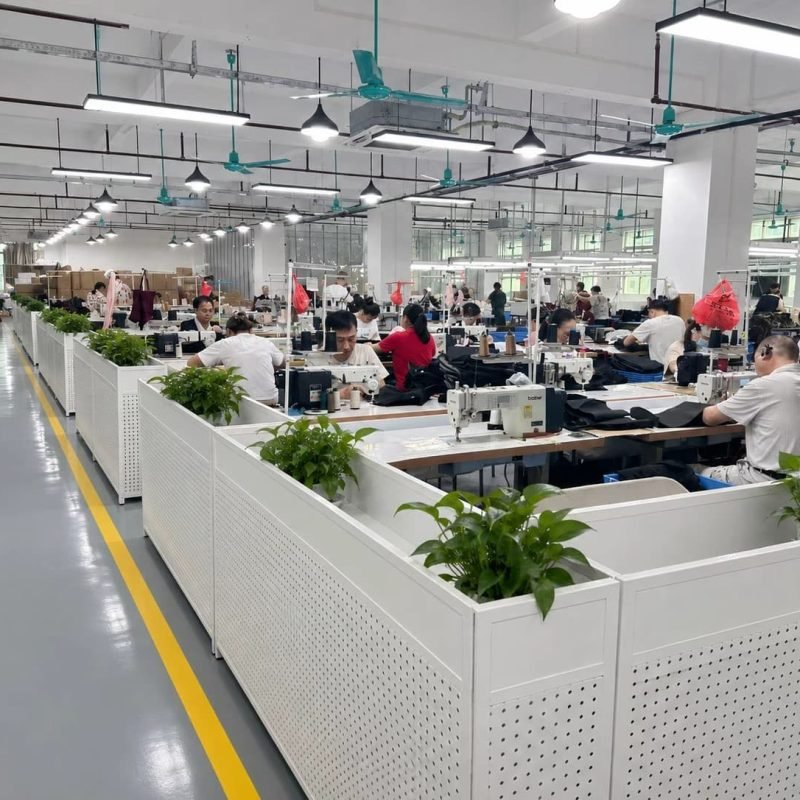
Production capacity is not interchangeable across every product mix. XZapparel operates approximately 80 sewing lines and around 640 sewing machines, with normal monthly output commonly around 180,000-200,000 pieces and higher output possible depending on product mix. Those figures describe overall manufacturing scale; they should not be read as a guaranteed allocation for one collection or one category.
A multi-SKU schedule needs to translate assortment complexity into actual line and process requirements. A simple knit top, a lined satin dress, a structured set and a swim style may use different operations, learning curves and QC points. Equal piece counts can therefore create very different production loads. Shared constructions can improve line learning, while high-complexity styles may need dedicated preparation or slower ramp-up.
Partner-managed processes also need their own windows. Embroidery, certain printing, knitwear and selected special fabric treatments should be planned with approved standards, transport and handoff time rather than hidden inside the sewing lead time. Capacity planning becomes stronger when it shows which steps are in-house, which are partner-managed, and which approval or material event must occur before each slot can be used. Shared constructions can also be grouped where line learning benefits are real, provided the grouping does not hide different fit, fabric or quality requirements between styles.
Protect Launch Dates With Milestones and Exception Control
Normal bulk production is typically around 25-35 working days after materials are ready, PPS is approved and production details are confirmed. The clock should not start from the first inquiry, the first sample or a provisional order date. Multi-SKU programs need a milestone plan that works backward from the launch or delivery requirement and shows when each style must complete material approval, PPS, production, inspection and packing.
Critical-path management matters because several styles can share one dependency. A delayed custom fabric color can affect multiple SKUs. A late packaging update can hold finished goods across several styles. A partner process can become a bottleneck even when sewing capacity remains available. Exception control should therefore identify the affected SKUs, the decision owner, the recovery option and the latest date a change can be made without disturbing the launch plan.
Where delivery is split into waves, the program should define which styles belong to each release and what standards remain shared. Releasing an early wave should not create a different color, material or packaging assumption for later waves without review. Milestones give merchandising and operations teams a realistic view of readiness while allowing technically complete styles to move instead of waiting unnecessarily for unrelated products.

Control Collection Consistency From Cutting to Packing
Quality control should protect the approved standard across different materials, lines, lots, processes and SKUs instead of relying on final inspection alone at shipment stage.

Fabric Lot Control
Incoming materials need to be checked against the approved specification before cutting. Shade, width, weight, defects, shrinkage and other relevant properties can affect several related SKUs when a fabric platform is shared. Lot identity helps the team understand whether a material issue affects one color, one delivery batch or several styles using the same source. Cotton incoming-batch testing applies by batch, not by every meter or garment. Shared materials should keep lot identity visible across every SKU using the same bulk fabric.

Cutting Check
Cutting inspection verifies the right material, pattern version, marker direction and visible defects before bundles reach sewing. Multi-SKU collections make style identity important because similar-looking fabrics or pieces can belong to different patterns or sizes. Early control protects measurement accuracy and prevents a version or material mix-up from multiplying through an entire production lot. Bundle identity should remain clear when similar components run at the same time, including style, size, color and material-lot information where required.

Inline Sewing Control
Inline QC checks construction, operation quality and recurring defects while production is active. Product-specific checkpoints matter because a swim seam, structured bodice, draped dress and casual top do not fail in the same way.
Feedback should identify the affected operation and SKU so corrections can be made at the line instead of waiting for final inspection to reveal a repeated defect. Repeated issues should be escalated before they spread across more bundles.

Measurement Control
Measurements should be checked against the approved POM method, size standard and tolerance for the product. Fit-critical points deserve more attention than measurements with little effect on appearance or wear. Multi-SKU review should also watch for drift between lines or production batches.
A collection-level quality agreement can provide common discipline while each style retains its own critical measurement requirements. Measurement records should make size, color and production batch clear when traceability matters.
Final Finish and Release
Finishing inspection reviews appearance, pressing, stains, loose threads, construction presentation and other release criteria before final inspection. Final inspection can follow agreed AQL levels such as 2.5/4.0, customer-defined standards or 100% inspection where specifically agreed. The method should be aligned before production so release decisions are based on an approved standard rather than a late interpretation. Product-specific appearance criteria can sit beside the agreed inspection level, giving final inspectors a clear reference for silhouette, finishing and visible workmanship.

SKU Packing Identity
Packing inspection verifies style, color, size assortment, labels, barcode, polybag, carton mark, quantity and destination requirements. Multi-SKU programs create more identity combinations than single-style orders, so packing control needs the latest approved pack matrix. The objective is simple: the finished garment should arrive with the correct retail identity, not only the correct sewing quality. Final carton quantity and destination marking should match the approved shipping instruction, with barcode and assortment details checked against the latest approved packing matrix.
Know Which Capabilities Are In-House or Partner-Managed
Transparent ownership helps sourcing teams understand who develops, executes, checks and verifies each step across a collection with several product, material and process types before order commitment.

Core In-House Control
Core garment development and manufacturing are managed through XZapparel’s own pattern, sample, sourcing coordination, cutting, sewing, QC and packing structure for the categories within current production scope. In-house ownership matters because the teams controlling fit, sample revisions, production standards and final garment quality can work from one project information spine.
The exact route still depends on product category and construction. Collection planning should therefore map each SKU to the real operating route before timing and evidence are presented.

Specialist Partner Processes
Knitwear, embroidery, certain printing and selected special fabric treatments can be supported through long-term specialist partners rather than presented as in-house assets. XZapparel’s role is to coordinate the required specification, sample or strike-off approval, timing, handoff and garment-level QC. Partner equipment, certifications or production lines should not be represented as XZapparel-owned unless separately verified. The handoff and finished-garment quality responsibility should remain visible in the project plan, including the approval point before processed components return to garment production.

Third-Party Verification
Formal laboratory reports or independent inspection can be coordinated when a project or market requires them. SGS, Intertek, BV, QIMA or other qualified providers may be involved according to the agreed scope.
Third-party verification is different from internal production-control checks. The applicable test method, inspection level, cost and responsibility should be defined for the project instead of being implied as automatic for every order. Formal reports should be linked to the correct product and requirement.
Anonymized Multi-SKU Program Example for Seasonal Launch
The example below uses a representative current order pattern – 10-30 styles and 20,000-80,000 total pieces – without disclosing a named brand or confidential design.
Program Setup: 18 Styles and 42,000 Pieces
A representative seasonal program can be modeled at 18 styles and 42,000 pieces total. One workable assortment might include five dresses, four tops, three bottoms, three sets and three swim or resort styles. Quantities can vary by commercial role rather than being divided evenly. Hero styles may carry higher unit volume, while supporting styles protect assortment depth or complete coordinated looks. The key is to plan quantity by style and color, not only by total order size.
Before sampling, the 18 styles would be entered into an assortment matrix with category, role, color count, target quantity, development input status, fabric direction, special process, fit risk and launch timing. Styles with new structure or shared-material dependencies would be identified first. A complex structured dress might be sampled before two related tops if its support solution affects the wider capsule. A swim style using a new elastic or lining system might also move early because the result can influence several related SKUs.
The program would then separate collection-wide decisions from SKU-specific approvals. Brand size direction, color language, labels and packaging can be coordinated. Pattern, POM, construction and fit remain style-specific. The output is a development sequence with visible priorities rather than 18 independent email threads. That makes it easier for design, merchandising, sourcing and technical teams to understand what is ready, what is waiting, and which decision has the greatest effect on the launch.


Development Control: Shared Materials, Separate Approvals
For illustration, the 18-style program could be organized around four material platforms rather than 18 unrelated sourcing routes. A satin family may serve selected dresses, tops and skirts; a stretch jersey can support contour styles; a swim platform can cover swim and selected resort pieces; a lightweight woven can serve cover-ups or relaxed items. The exact specification still changes where GSM, stretch, lining, opacity or construction requires it. Material sharing is therefore treated as a controlled option, not a requirement.
Assume two styles also use specialist embellishment or printing. Those processes would enter the program with separate strike-off or sample approvals and partner timing. The approval calendar would show which styles depend on those external steps and which can continue independently. Fit comments would remain attached to each SKU, while shared color or trim decisions could be reviewed at platform level where appropriate.
Development waves would reduce review congestion. A first wave could focus on the highest-risk six styles, a second wave on coordinated supporting products, and a third wave on lower-risk extensions. The numbers are illustrative; the operating principle is the important part. High-impact unknowns are resolved early, shared decisions are reused only where valid, and every style retains a traceable current version before PPS. That structure limits the chance that one late comment or material change quietly affects multiple products.
Bulk Handover: Three Production Waves Around One Launch
A 42,000-piece example does not imply every SKU should enter bulk at the same time. A stronger plan can divide the assortment into three production waves based on readiness, material availability, line fit, special-process timing and launch priority. Wave one may contain the earliest commercial anchors, wave two the main supporting assortment, and wave three later-approved or process-dependent styles. Each wave still follows the same approved collection standards for branding, quality and packing.
Before each wave is released, the team would check PPS approval, fabric and trim readiness, current version, packaging instruction and production slot. Shared materials would be booked with lot and timing visibility. Styles using partner processes would include the external window in the milestone plan. QC would use product-specific checkpoints under the same overall quality agreement, while packing would verify style, color, size, barcode and carton identity against the approved matrix.
The result is not “42,000 pieces produced at once.” The result is a controlled route from assortment planning to shipment in which each SKU can move when ready without losing collection-level coordination. The same structure also improves repeat orders because approved assets can be reused after the team checks what changed in material, vendor, fit, packaging, compliance or quantity. That is the operational difference between multi-style production and multi-SKU program management.

Verify Capability With Evidence Your Team Can Review
Supplier qualification should connect every important claim to visible product, process, record or ownership evidence instead of relying on broad capability statements or unverified marketing language.
Pattern and Sample Evidence
Review real sample-room activity, pattern development, fit comments, revision samples and PPS examples. The objective is to confirm that technical development exists as an operating function, not only a sales promise. Evidence should show how styles move from reference or tech pack into current patterns, approved measurements and sample decisions while protecting confidential brand information.
Revision status should be visible without exposing proprietary artwork, and the evidence should connect each sample stage to the decision it was intended to close.
Product and Construction Evidence
Use anonymous real samples, inside-construction details, closures, lining, support, seams and finishing to demonstrate category depth. A front-view garment alone does not show manufacturing control. For collection programs, the strongest evidence connects product categories to the specific fit, fabric, trim and construction decisions required to repeat the approved result in bulk. Close-up details can prove more than styled campaign imagery, especially when they show lining, support, closure, seam finish and other construction points relevant to bulk repeatability.
Material Control Evidence
Fabric inspection, swatches, GSM, shrinkage, stretch, recovery, colorfastness or other relevant production-control records can show how material risk is reviewed.
Formal third-party reports should remain separate from internal checks.
Material evidence is most useful when it connects the approved specification to a specific product, lot, decision or corrective action. Swatch cards and test records should show context rather than isolated numbers, including the material identity, relevant product, test stage and production decision where confidentiality permits.
Production Reality
Factory visuals should show real spreading, cutting, sewing, finishing, QC, packing and warehouse activity within the correct ownership scope.
Manufacturing scale is more credible when the visual evidence matches published factory facts and product categories. Partner-process photos should be identified as partner capability rather than presented as in-house production. Date, location and ownership context strengthen evidence where relevant and permitted, helping sourcing teams distinguish current in-house capability from specialist partner support.
Quality Records
Measurement sheets, inline findings, final inspection records, packing checks and product-specific QC instructions can demonstrate how approved standards enter bulk control.
The strongest evidence does not need to expose confidential client data. Anonymized records can still show the inspection stage, decision logic, issue category and corrective path without revealing brand names or order values.
Sensitive artwork, contacts and commercial fields should remain removed, while the remaining record can still show issue type, approval status, corrective action and release decision.
Program and Ownership Documents
A supplier qualification pack can include the A/B/C/D product capability matrix, in-house versus partner ownership map, sample and pattern team structure, material-network summary, production and lead-time conditions, QMS boundaries, testing support, packaging framework and NDA/IP handling. The purpose is to help sourcing teams verify scope before a large assortment is committed. High-risk claims such as certifications, exact reports or client relationships should remain supported by current formal evidence, with scope, entity and validity checked before external use.
Multi-SKU Collection Development Frequently Asked Questions
These answers cover the development, MOQ, sampling, approval, production and evidence questions most often raised before a multi-style collection enters formal supplier and feasibility review.
There is no fixed public style-count guarantee. Feasibility depends on category mix, technical complexity, material readiness, number of colors, revision load, launch timing and the sampling capacity required by other active programs. XZapparel’s development structure includes 6 sample rooms, 48 pattern makers and 60 sample makers, so larger assortments can be reviewed through planned development waves rather than forcing every style into one schedule.
The standard garment MOQ is 200 pcs per style per color, subject to material, trim, process and order-structure requirements. Fabric, custom color, hardware, special processes or supplier minimums can raise the practical threshold. A large total collection quantity does not automatically remove style/color constraints, so the most useful input is a style-color-quantity matrix.
Yes, where the product requirements genuinely match. Shared fabric families, labels, common trims or packaging can reduce fragmentation and simplify approvals. Each SKU still needs separate review for weight, stretch, recovery, opacity, lining, support, construction and fit where those variables change. Material sharing should improve the program without forcing technically different products into the same specification.
Each style can move independently through first sample, revision, fit approval and PPS while the collection follows one development calendar. High-risk or dependency-heavy styles can be prioritized earlier. The current status should remain visible by SKU so an approved style can move forward without being confused with another style that still has unresolved material, fit or process decisions.
Normal first samples are typically around 3-5 working days once required inputs and materials are ready. Complex styles may take around 5-7 working days. Revision samples can be around 2-3 working days, and PPS is commonly around 4-5 working days. Timing changes with fabric availability, construction, trims, special processes and the completeness of comments and approvals.
Yes. Proven core categories include Dresses, Tops, Bottoms, Swimwear and Sets, with established capability in Sweatwear, Activewear and Shapewear. A mixed collection should still respect the engineering differences between categories. Shared color, labels or material platforms can be coordinated, while fit, pattern, support, construction and testing requirements remain product-specific.
Use one current approved version per SKU and record changes that affect pattern, measurement, material, trim, artwork, PPS or packaging. Approval gates should connect the decision to the correct style and downstream function. A shared collection calendar can coordinate timing, but technical files should not be merged simply because several styles belong to the same range.
Knitwear, embroidery, certain printing and selected special fabric treatments can be coordinated through long-term specialist partners. The relevant sample or strike-off, material compatibility, partner timing and handoff should be included in the development and production plan. Partner equipment or certifications are not represented as XZapparel-owned unless separately verified.
Bulk production is typically around 25-35 working days after materials are ready, PPS is approved and production details are confirmed. Multi-SKU timing also depends on style complexity, line allocation, special-process windows, quantity, packaging and launch requirements. A program milestone plan is more useful than treating one lead-time number as a guarantee for every assortment.
Send the assortment or SKU matrix, category and style list, colors, quantities per style/color, size range, target market, launch timing and available tech packs, sketches, references or samples. Add fit standards, material direction, special processes, packaging or testing requirements where known. The review can then identify missing inputs, shared material opportunities, higher-risk styles, MOQ constraints and a realistic development route.

Share Your Collection Plan for Development Review
A useful review starts with enough information to understand the assortment, development risk and commercial structure. Send your collection matrix or style list together with available tech packs, sketches, reference images or samples. XZapparel will review the program around product scope, fit and pattern needs, fabric and trim direction, sample priority, process ownership, MOQ feasibility, launch timing and the route from approval to bulk.
Please include, where available:
- Company and target market
- Product categories and style count
- Style/color/quantity matrix
- Size range and fit standard
- Fabric and trim direction
- Print, embroidery or special processes
- Tech packs, sketches or reference files
- Target launch or delivery window
- Packaging, testing or quality requirements
The first step is a development and feasibility review, not an automatic production commitment. Missing technical inputs can be clarified before sampling, and material or process constraints can be identified before they affect several SKUs. A structured brief gives both teams a cleaner basis for sampling, quotation and scheduling.