Skip to content

Pattern Making Capability for Women’s Apparel
Turn design intent into production-ready women’s patterns with fit, fabric behavior, grading, revision control, and bulk manufacturing considered from the start.
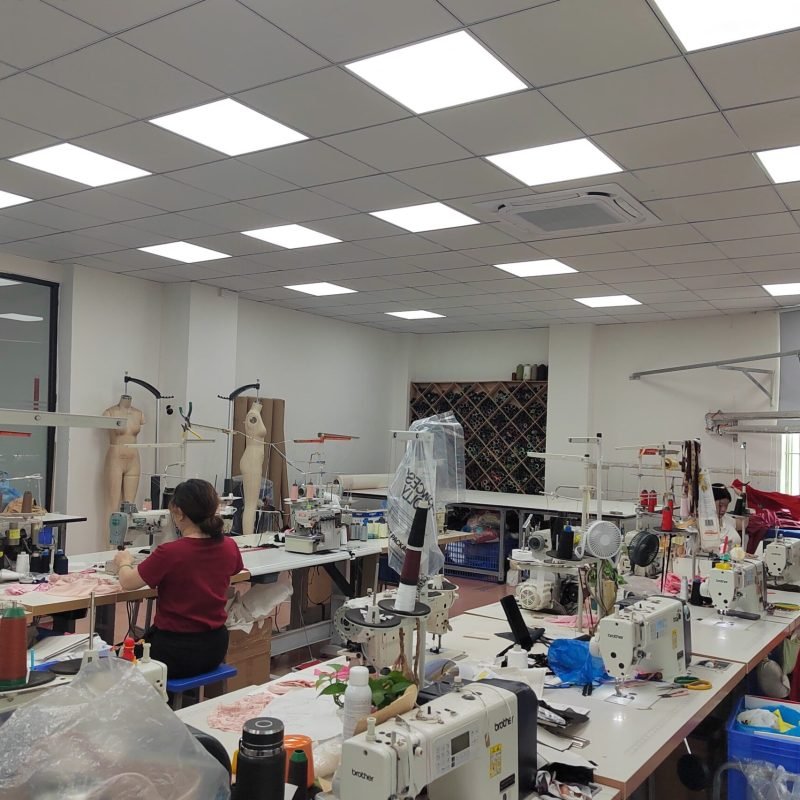
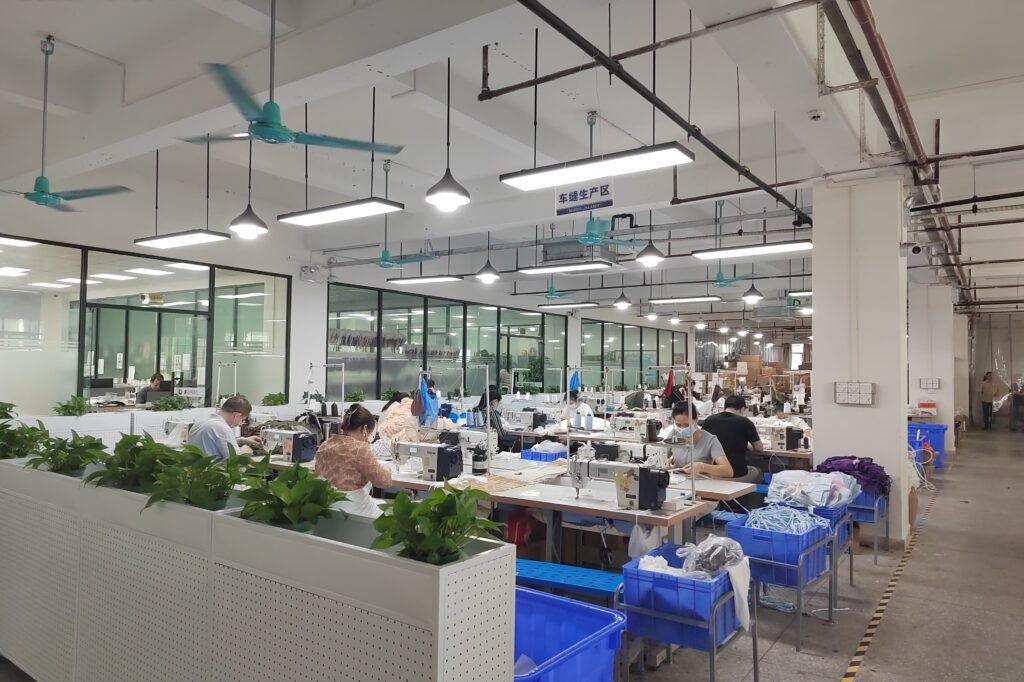
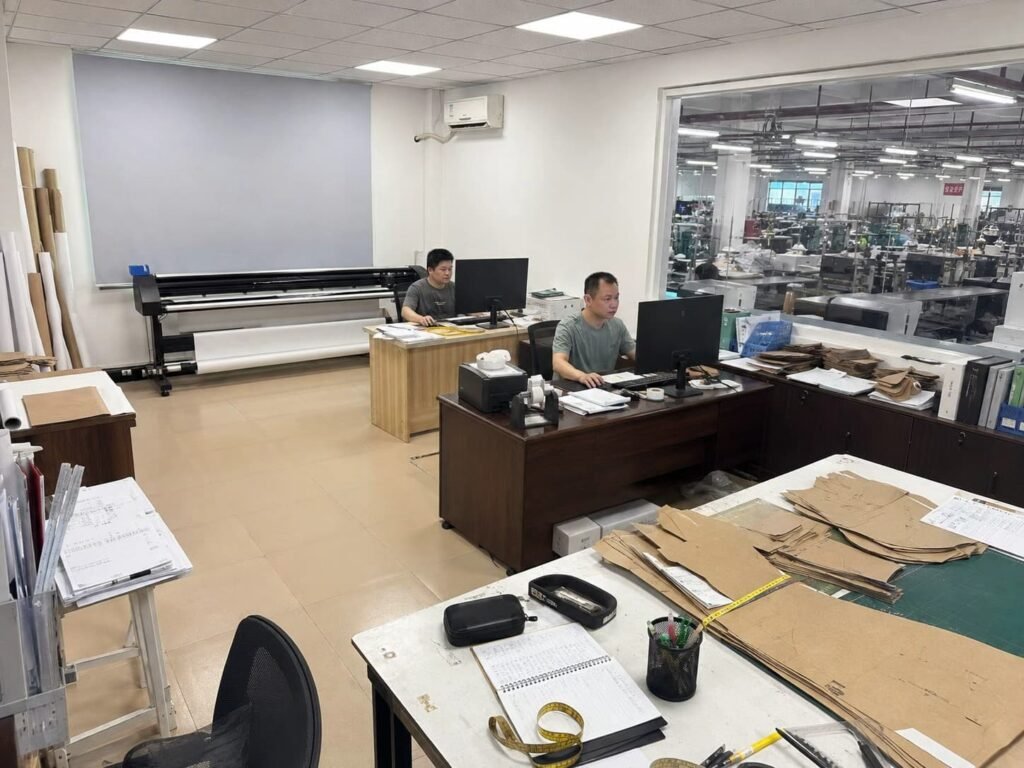
- 48 pattern makers work alongside 60 sample makers across 6 sample rooms.
- Development capacity reaches approximately 45-60 samples per day and 1,500-2,000 per month across active programs.
- Core pattern experience covers dresses, tops, bottoms, swimwear, and matching sets, with fit decisions linked to fabric and construction.
- Development can start from a tech pack, reference garment, sketch, image, size chart, or fit comments, subject to technical review.
- Core pattern experience spans dresses, tops, bottoms, swimwear, and sets with product-specific fit variables rather than one generic block system.



What Strong Women’s Pattern Making Capability Actually Covers
Pattern making becomes valuable when design intent, body geometry, fabric behavior, construction, sizing, and production controls are resolved as one connected development system before bulk decisions are frozen.
Design Translation Into Measurable Garment Geometry
A fashion sketch can communicate proportion and attitude without defining the measurements needed to cut fabric. A production pattern must convert neckline shape, shoulder position, bust volume, waist suppression, hip ease, garment length, seam placement, openings, and internal support into geometry that sewing and quality teams can reproduce. The starting information may come from a tech pack, physical garment, reference image, brand size chart, or a combination of sources.
Pattern work begins by separating confirmed requirements from assumptions. A tech pack may already define POMs and construction, while a reference image may require proposed measurements and a development assumption list before sampling. A physical reference can be measured and deconstructed logically, but the target should not be treated as a simple copy if fabric, fit direction, or construction changes.
Strong pattern development creates a measurable route forward:
- confirmed base size and target silhouette;
- critical POMs linked to visible fit;
- seam, allowance, opening, support, and assembly requirements;
- assumptions that must be checked on the first sample;
- clear questions where missing information could change fit or production.

Fit Engineering Before Pattern Approval
Women’s apparel fit cannot be reduced to bust, waist, and hip measurements. A bodycon dress, bias slip, corset-inspired top, swimsuit, wide-leg trouser, and relaxed blouse all use different relationships between body geometry, ease, support, fabric response, and movement. Pattern capability is therefore judged by how well a team defines the target silhouette before correcting individual measurements.
Fit evaluation should separate static measurement from worn behavior. A garment may measure within specification and still show armhole gaping, neckline collapse, side-seam swing, crotch discomfort, pressure at the bust, or poor balance between front and back. Correct diagnosis requires the pattern, fit photos, key POMs, fabric properties, and sample construction to be reviewed together.
A strong fit process focuses on controllable variables:
- intended ease or negative ease by body zone;
- bust, shoulder, waist, hip, rise, torso, and length balance where relevant;
- movement requirements such as sitting, reaching, walking, or swimming;
- stretch and recovery for close-fitting garments;
- support elements such as lining, cups, elastic, or boning;
- visual balance, not measurement compliance alone.
Production Readiness Beyond the First Sample
A successful first sample does not complete pattern development. Production readiness requires the approved shape to survive grading, material confirmation, pre-production approval, cutting, sewing, inspection, and repeat orders without uncontrolled changes. Pattern files, sample versions, measurement comments, and approval status therefore need a traceable relationship.
After fit approval, pattern revisions should be linked to the sample version and comment source. Grading must then preserve the intended proportion across the requested size range instead of enlarging every POM by one uniform percentage. Products with cups, high waist suppression, long or short torso requirements, negative ease, or sensitive rise balance may need more deliberate grade rules and size-set review.
Production handover should establish:
- one approved pattern version for the production release;
- approved measurement and tolerance references;
- confirmed fabric and trim conditions affecting fit;
- size grading or size-set decisions where required;
- change control if a pattern is altered after PPS approval;
- a previous approved reference for repeat-order comparison.

Pattern and Sample Resources Behind Faster Development Decisions

48 Pattern Makers
XZapparel’s pattern team includes 48 pattern makers, with senior pattern experience supporting technically sensitive women’s silhouettes.
Team scale allows several styles to move through base-pattern development, fit correction, grading preparation, and production handover at the same time instead of relying on one technician for an entire collection.
Senior review can also be focused on more sensitive silhouettes and correction decisions.
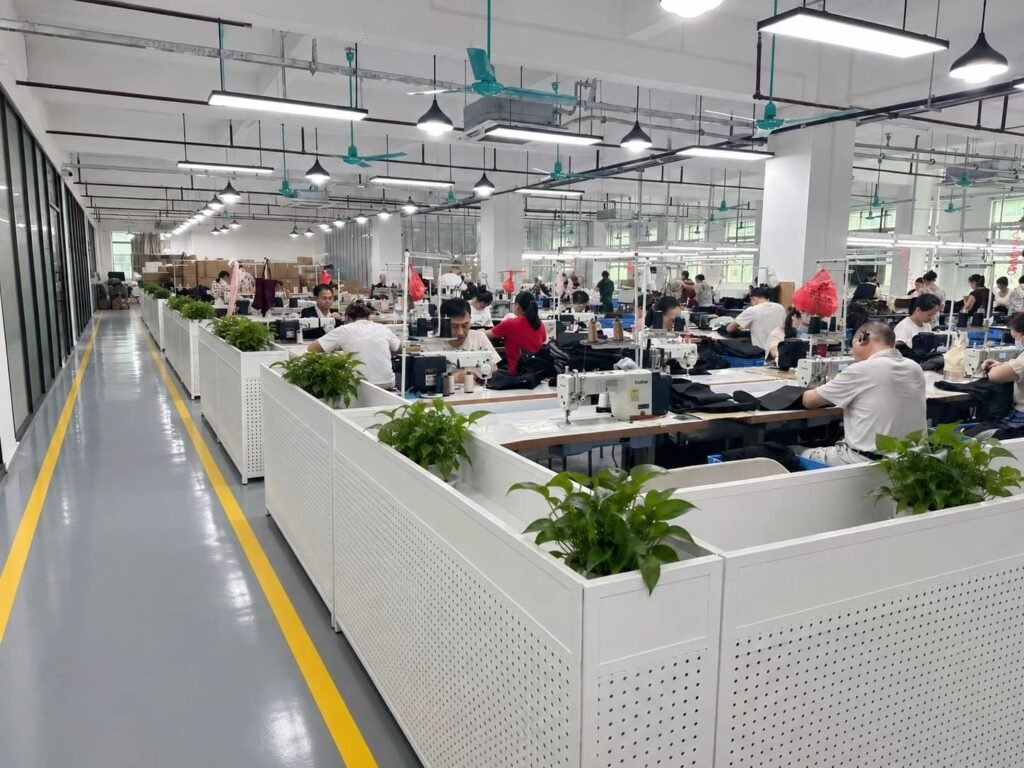
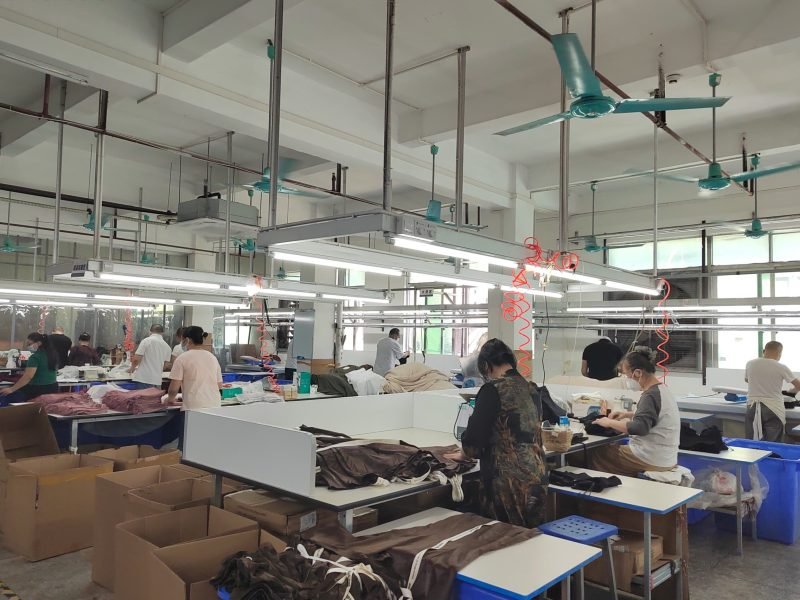
60 Sample Makers
Sixty sample makers work alongside the pattern function so pattern changes can be checked on sewn garments rather than remaining theoretical.
Sampling reveals seam behavior, lining interaction, support placement, balance, movement, and construction feasibility, giving the pattern team direct feedback before approval moves toward PPS and bulk. Pattern and sewing feedback can therefore be compared on the same physical garment rather than discussed in isolation.
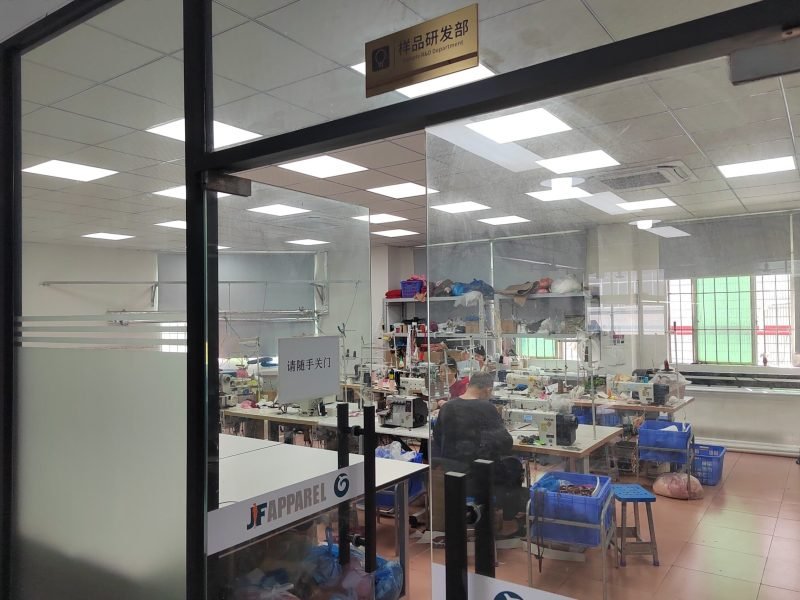
6 Sample Rooms
Six sample rooms provide capacity for parallel development across dresses, tops, bottoms, swimwear, sets, and selected extended categories.
Separate work capacity is useful when a seasonal range contains different fabrics, structures, and approval priorities, especially when some styles require several technical checks while others progress faster.
Parallel rooms also help prevent one complicated style from blocking unrelated sample approvals across a wider collection.
1,500-2,000 Monthly Samples
Six Inputs Can Start a Women’s Pattern Review
Pattern development can begin at different levels of design maturity, provided missing fit, measurement, material, construction, and sizing information is identified, assigned, and reviewed before sampling starts.

Tech Pack
A complete tech pack gives the fastest technical starting point when POMs, measurements, construction, materials, trims, artwork, and size information are current.
Pattern review checks whether the specification is internally consistent and flags gaps that could change fit, seam shape, allowance, grading, or assembly before the first pattern is released.

Reference Garment
A physical garment can provide proportion, construction clues, and measurement references.
Development should still define what must remain, what should change, and how a new fabric or fit direction affects the pattern.
Reverse measurement is useful, but copying dimensions blindly can reproduce an old fit problem or create a new one.

Image or Sketch

Brand Size Chart
A brand size chart establishes the intended body or garment measurement system and helps define base size, POM mapping, and grading direction.
Pattern development still needs product-specific ease, length, fabric behavior, and structure. A generic women’s size chart should never replace the brand’s own fit standard when one exists. Product-specific ease still requires confirmation.

Fabric Target
Fabric choice can change the pattern even when the visual design remains the same. Stretch, recovery, drape, shrinkage, weight, bias behavior, opacity, and lining needs influence ease, seam location, allowance, support, and length.
A fabric target lets pattern decisions reflect the material expected for the sample and bulk order. Material substitutions should trigger another review.

Fit Comments
Pattern Inputs, Engineering Tasks, and Approval Outputs
Different starting materials require different technical work. The matrix keeps assumptions, technical questions, pattern tasks, and expected outputs visible so each style reaches the next approval gate with fewer hidden decisions.
| Starting Input | Pattern Engineering Task | Main Output / Decision Gate |
| Tech Pack + Spec | Check construction, POMs, seams, allowances, grade direction, and missing details | Production pattern direction + clarification list |
| Reference Garment | Reverse-measure key points, interpret structure, compare desired changes | Base pattern + deviation list |
| Reference Image / Sketch | Infer silhouette, seam placement, volume, support, and measurable proportions | Development pattern + assumption list for sample review |
| Brand Size Chart | Map POMs, choose base size, define product-specific ease and grade direction | Base-size plan + grading approach |
| Fabric Target | Adjust ease, seam, allowance, length, lining, and support for material behavior | Fabric-sensitive pattern decisions |
| Fit Comments | Diagnose geometry versus sewing/material causes and define corrections | Revised pattern + change log + next sample gate |
Pattern Decisions Change Across Women’s Apparel Categories

Bias Slip Dresses
- Check hang and growth before final hem approval.
- Review neckline and armhole stability after sewing.
- Keep left/right grain and seam balance controlled.
- Confirm lining behavior separately when used.
- Recheck length after the garment has settled on the intended grain.

Bodycon Dresses
- Map ease by bust, waist, hip, and thigh zones.
- Avoid relying on stretch percentage without recovery information.
- Review seam wave, bagging, and mobility on the sample.
- Recheck fit if bulk fabric changes.
- Compare pressure and recovery after repeated movement, not only at first try-on.

Corset-Inspired Styles
Structured corset-inspired dresses and tops need panel geometry to work with bust shaping, waist suppression, high-hip transition, lining, cups, and boning channels.
Small changes in one panel can shift several seam lines and alter support.
- Control bust volume and cup placement against the target size.
- Balance shell and lining construction.
- Allow for boning channel and seam bulk.
- Validate closure position and edge tension before approval.
- Recheck panel balance after support components are inserted and secured.

Swimwear
- Review vertical and horizontal stretch separately.
- Check leg opening tension and coverage in movement.
- Match lining and shell behavior.
- Validate support and elastic before grading is frozen.
- Confirm coverage from front, side, and back during movement.
- Recheck recovery after repeated stretch cycles during fitting.

Pants and Leggings
Bottoms depend on front/back rise balance, crotch shape, hip and thigh ease, knee position, inseam, outseam, and leg opening.
Fit should be checked in standing and movement because a pair can look correct on a form while pulling during sitting or squatting.
- Inspect crotch drag lines and seat balance.
- Confirm knee and calf position where relevant.
- Check grain and side-seam direction.
- Review recovery for close-fitting leggings.
- Confirm rise and crotch balance again after sitting and squat checks.

Matching Sets
Matching sets create a different control problem because top and bottom must work as separate garments and as one coordinated look.
Pattern development should align proportion, waist position, length relationships, shared fabric behavior, and size logic without forcing identical fit rules across both pieces.
- Lock top-to-bottom proportion targets early.
- Share approved fabric and shrinkage assumptions.
- Check waistband or overlap relationships.
- Keep style and size versions linked across the set.
- Check the combined look on the intended waist and proportion relationship.
Women’s Fit Must Be Defined Before Paper Is Cut
Silhouette, body geometry, ease, length, support, and material behavior establish the fit target. Pattern accuracy has little value unless the brand’s intended shape and critical measurements are defined first.
Define Silhouette, Body Zones, and Intended Ease First
Pattern work should start with the fit a brand wants to sell, not with a generic women’s block. A fitted mesh dress, relaxed shirt, fluid slip dress, shaped swimsuit, and corset top may share some body measurements, yet the pattern relationships are entirely different. The technical team needs to understand which body zones control the silhouette and where ease, suppression, stretch, or support is meant to occur.
A useful fit brief should identify the intended visual shape and the areas most sensitive to proportion. Dresses often depend on bust-waist-hip balance plus overall length. Tops may depend more heavily on shoulder, chest, armhole, sleeve, and neckline position. Bottoms shift attention toward rise, crotch, hip, thigh, knee, and leg opening. Swimwear adds torso length, coverage, elastic tension, and support placement.
Key controls include:
- base size and target market;
- intended ease or negative ease by zone;
- shoulder and bust balance where relevant;
- waist, hip, rise, or torso relationships;
- garment length and proportion;
- support, coverage, and movement expectations
Convert Fit Intent Into POMs and Pattern Control Points
Points of measurement become useful when each one has a reason. A long list of dimensions does not automatically create a stable pattern.
The pattern team should identify which POMs define the silhouette, which POMs control construction, and which ones are mainly inspection references. Critical measurements also need to connect back to visible pattern geometry so later corrections remain traceable.
For a corset-inspired dress, underbust, waist, bust apex, panel seam position, cup or neckline geometry, and high hip may be more important than a generic chest width. For wide-leg trousers, rise balance, hip, thigh, knee position, inseam, and hem opening create the shape. For swimwear, torso length and leg opening can be more decisive than a flat width alone.
A controlled setup should establish:
- named POMs with clear measuring method;
- base-size values and acceptable tolerance logic;
- pattern points linked to critical measurements;
- ease or stretch assumptions behind the numbers;
- sample observations needed when static measurement cannot explain worn fit.
Judge Static Measurement and Dynamic Wear Separately
A garment is worn in motion, so fit approval should not end on the measuring table. Static measurements confirm whether the sample follows the approved specification, while dynamic review shows whether body movement, fabric behavior, construction, and support create discomfort or distortion. Both views are needed because the same symptom can have different technical causes.
Armhole gaping, for example, may come from armhole shape, bust volume, shoulder position, strap placement, fabric drape, or a combination. Crotch discomfort may involve front/back rise balance, thigh ease, hip shape, or fabric recovery. Twisted side seams may point toward fabric skew, cutting direction, assembly balance, or pattern geometry rather than one obvious measurement error.
Dynamic review can include:
- walking, sitting, reaching, or squatting where relevant;
- checking neckline security and strap position;
- observing pressure, drag lines, gaping, bagging, or riding up;
- verifying coverage and support on swim or structured styles;
- comparing fit photos with POMs and the pattern version.
Pattern Development Moves Through Six Controlled Decision Gates
Each gate removes a different uncertainty before the pattern is released further, keeping fit comments, material changes, construction decisions, size information, approvals, and production requirements connected to one development history.
Input Review
Development begins by checking the information supplied for product, fit, measurements, fabric, trims, construction, artwork, sizing, and target timing.
Missing data is converted into a clarification list rather than silently assumed.
- Confirm source files and sample references.
- Identify critical POMs and fit intent.
- Flag material or construction unknowns.
- Separate confirmed requirements from proposed assumptions.
- Assign open questions before pattern drafting begins so missing decisions do not migrate into sampling.
- Confirm who owns each unresolved technical decision before the first pattern is released.
Base Pattern
The first pattern translates the approved input into measurable geometry. Pattern pieces, seam relationships, allowance, openings, support, and construction access must match the intended silhouette and manufacturing method.
- Select or build the correct starting block.
- Establish base size and critical balance points.
- Incorporate fabric-sensitive ease where known.
- Prepare sample-ready pattern pieces with clear identification.
- Record any provisional geometry that must be challenged during the first fitting.
- Link the base pattern to the exact input revision reviewed by the technical team.
First Sample
The first sample turns two-dimensional geometry into a garment that can be measured, worn, and constructed. Its purpose is to expose unresolved fit, material, construction, and appearance questions before approval.
- Measure against the current specification.
- Review silhouette and visual balance.
- Check movement and pressure where relevant.
- Record sewing or material issues separately from pattern issues.
- Photograph key balance and fit areas to support a measurable revision discussion.
- Identify which questions must be answered before the style can move to the next gate.
Fit Revision
Fit comments are translated into controlled pattern and measurement changes.
Each correction should identify the reason, affected piece or POM, and next validation step so improvements are not lost between versions.
- Link comments to sample version and fit photos.
- Diagnose geometry before changing dimensions.
- Update change logs and pattern identifiers.
- Re-sample changes that materially affect fit or construction.
- Keep the previous version available for comparison until the correction is approved.
Approval and Grading
Once the base fit is approved, grading and size validation extend the design into the required size range.
Grade rules should preserve proportion, support, length, and movement rather than scaling every measurement uniformly.
- Confirm target size range and base size.
- Review critical POM grade increments.
- Validate sensitive sizes through size set when required.
- Freeze the approved pattern reference before PPS.
- Confirm special-size, cup, torso, or support rules before broad size release.
PPS and Bulk Handover
PPS confirms the production standard after pattern, material, construction, finish, measurement, and packing decisions are aligned. Production release should use the approved pattern version and retain a controlled route for later changes.
- Match PPS to the approved pattern and specification.
- Release one identified production version.
- Control any post-approval change.
- Preserve records needed for repeat-order comparison.
- Verify that production, merchandising, and technical teams reference the same approved release.
- Carry open exceptions forward explicitly instead of treating PPS as automatic clearance.
Fabric Behavior Changes Pattern Decisions Before Sampling
Stretch, recovery, drape, shrinkage, and weight alter ease, seam placement, balance, support, and length. Pattern review should use the intended or technically comparable material whenever possible before fit is frozen.
Stretch and Recovery

Stretch percentage alone does not define how a fitted garment behaves. Two fabrics can stretch to a similar distance but recover differently after wear, heat, or repeated movement. Pattern ease for bodycon dresses, swimwear, leggings, and shapewear should reflect direction of stretch, recovery, fabric power, opacity under extension, and pressure on the body.
- Review crosswise and lengthwise behavior separately.
- Avoid copying negative ease from a different fabric automatically.
- Recheck neckline, armhole, leg opening, and length after material changes.
- Use sample wear to confirm recovery and bagging risk.
Drape and Bias
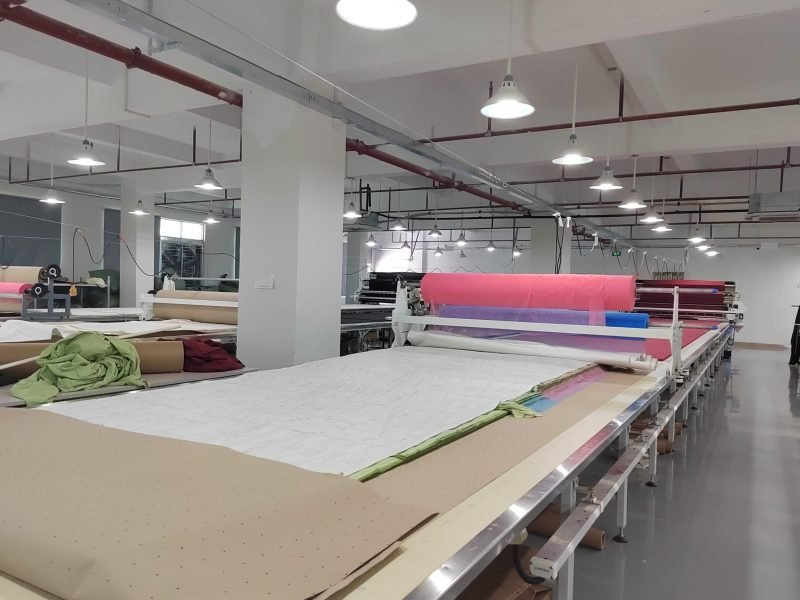
Fluid woven fabrics create silhouette through gravity and movement, so flat pattern dimensions tell only part of the story.
Bias-cut styles are especially sensitive because grain angle, seam placement, hanging growth, neckline stability, and hem balance interact after sewing.
- Keep grain direction controlled across mirrored pieces.
- Allow for hanging before final hem approval where needed.
- Check lining and shell drape together.
- Review side-seam and neckline stability after the sample rests.
Shrinkage and Dimensional Change
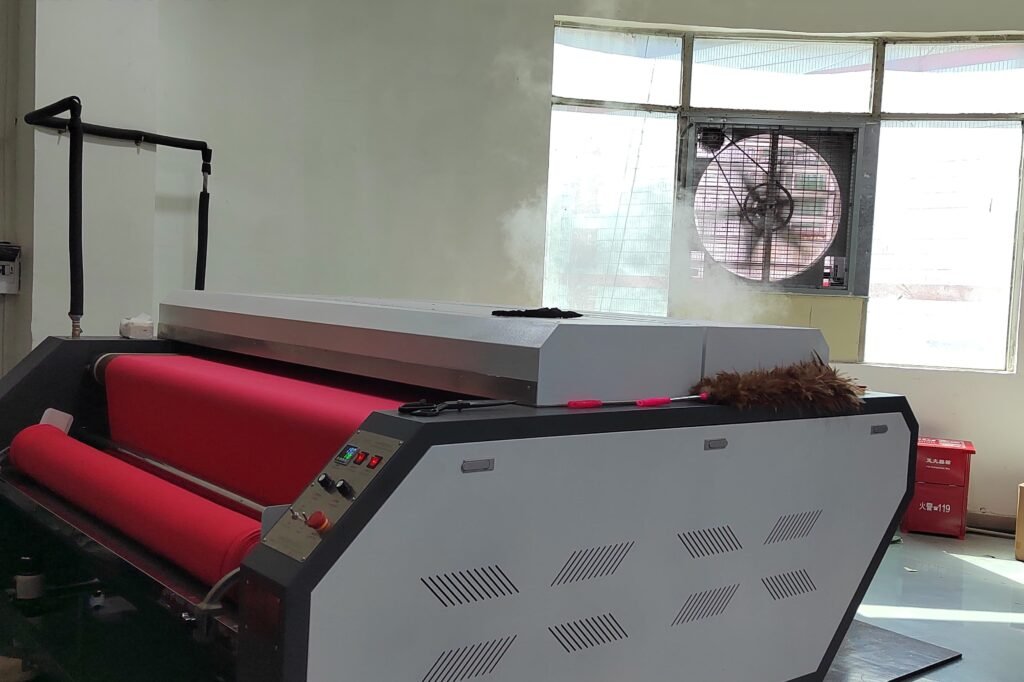
A pattern approved before fabric behavior is understood can become inaccurate after pressing, washing, or relaxation. Shrinkage may affect total length, width, rib relationships, panel alignment, or repeat-order consistency. Pattern compensation should follow measured material behavior rather than a generic allowance.
- Connect shrinkage results to the actual fabric lot or approved source.
- Recheck length-sensitive garments and matching components.
- Keep pre-shrink or wash assumptions visible in the specification.
- Revalidate when the material source or construction changes.
Weight and Structure
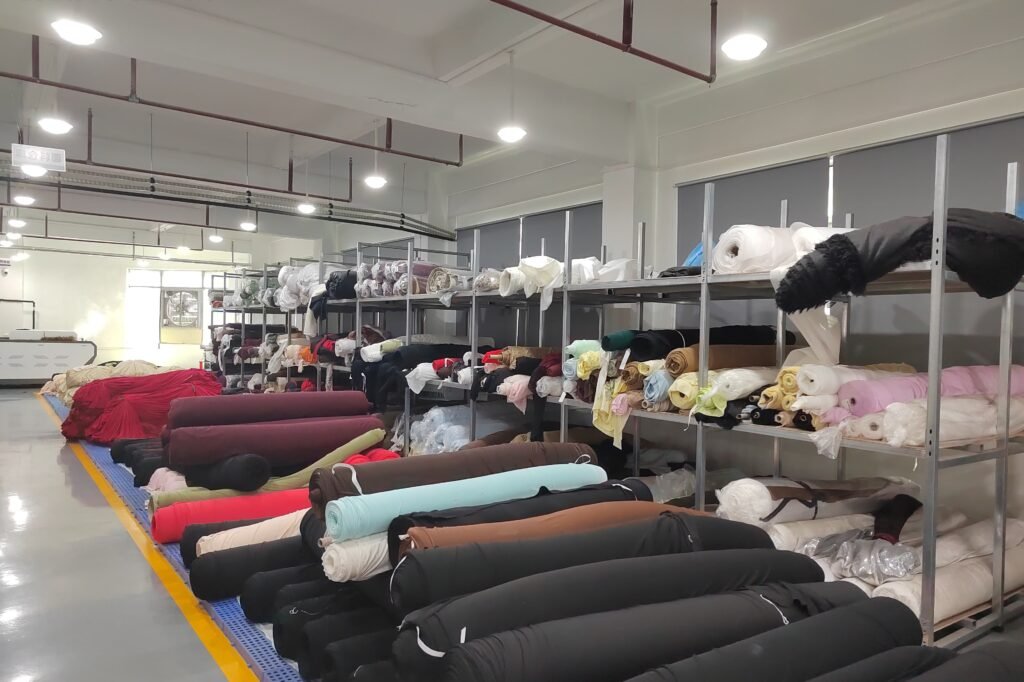
Fabric weight and body influence how a pattern hangs, supports itself, and reacts at seams. A soft lightweight jersey may need different neckline control and ease from a dense compact knit. A structured woven can hold panel shaping that a fluid fabric cannot.
- Review seam bulk at shaped or layered areas.
- Check whether facings, lining, elastic, or support are needed.
- Consider pocket, hood, waistband, or hem weight on proportion.
- Avoid reusing a block without reviewing the new material’s behavior.
Construction Details Must Be Built Into the Pattern
Lining, support, elastic, closures, seam architecture, and finishing methods change pattern geometry and assembly space. Construction decisions should be defined early enough to influence fit before the production pattern is frozen.

Lining and Internal Support
Lining is not always a duplicate of the shell. Stretch, ease, seam location, facing depth, cup placement, support layers, and turning methods can require different pattern logic. Structured dresses and swimwear are especially sensitive because internal layers affect pressure, movement, and edge stability.
- Define where lining is free, bagged, or anchored.
- Match lining stretch to the intended shell behavior.
- Check support layers for added bulk.
- Fit the assembled structure, not the shell alone.
- Recheck edge stability and movement after all internal layers are secured.

Seam and Finish Architecture
Seam choice affects both appearance and available pattern geometry. French seams, overlock, binding, coverstitch, enclosed seams, turnbacks, facings, and narrow hems need different allowances and edge behavior. Sensitive materials can also react differently to tension and pressing.
- Set allowances for the intended sewing method.
- Review curved or bias seams for distortion risk.
- Keep hem depth compatible with flare and fabric weight.
- Confirm finish changes before production pattern release.
- Keep allowance notes synchronized with the construction method used for PPS.

Closures and Openings
- Define closure type and finished length early.
- Allow for reinforcement and seam finish.
- Check whether the opening changes wearing ease.
- Confirm alignment at waist, seam, or print match points.
- Check stress concentration around reinforcement and opening endpoints during fitting.

Cups, Boning, and Elastic
Cups, boning channels, underbust support, waist elastic, leg elastic, and internal tapes introduce lengths and tension that directly affect fit. Pattern geometry must provide enough room for components while controlling their final position against the body.
- Lock cup or support placement relative to key body points.
- Include channel and seam bulk in structured panels.
- Treat elastic length and garment opening as linked decisions.
- Recheck graded sizes where component proportions change.
- Confirm component specifications before finalizing related pattern lengths and positions.
The First Sample Is a Pattern Validation Tool
Sampling should answer defined technical questions, not simply produce a presentable garment. Measurement, movement, construction, fabric behavior, and visual balance all feed the next pattern decision and approval gate.
Measure the Sample Against the Current Pattern Version
A first sample should be measured against the specification linked to the pattern version used for cutting. Without that connection, a fit discussion can mix old measurements, new comments, and an unidentified pattern, making the next correction unreliable. Critical POMs should be checked first because they often explain visible fit issues and determine whether the sample is suitable for a full fitting review.
Measurement review should record both the result and the method. Different measuring positions can create apparent differences even when the garment is unchanged. For women’s styles with support, stretch, curved seams, or shaped panels, consistency in measurement method becomes especially important.
Useful checks include:
- critical POMs tied to silhouette and support;
- left/right symmetry where relevant;
- neckline, armhole, rise, torso, and length balance;
- opening dimensions and elasticized areas;
- measurements affected by pressing, relaxation, or hanging.
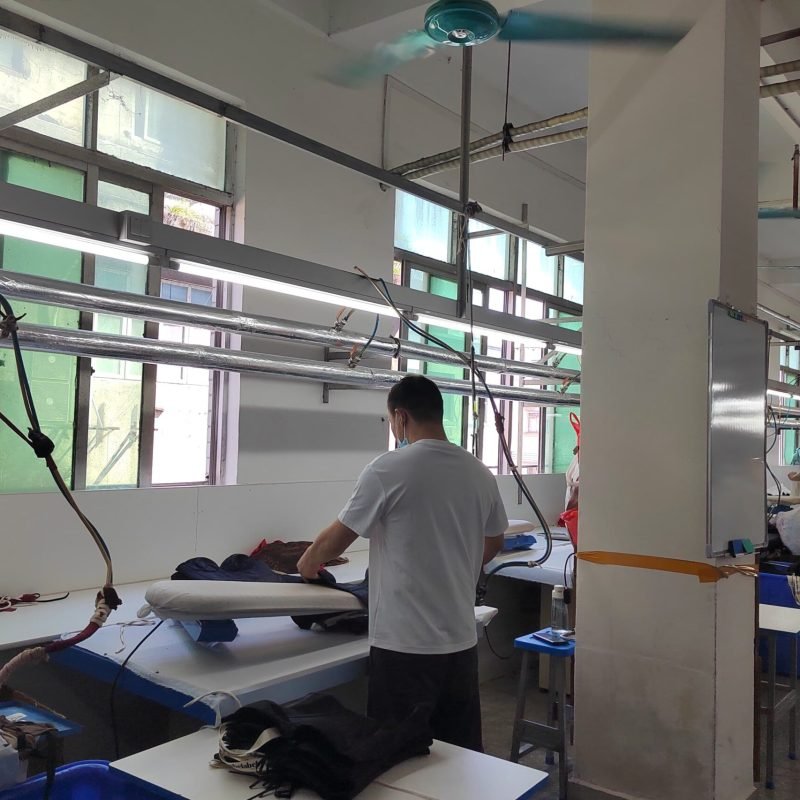
Use Movement and Visual Balance to Expose Hidden Fit Problems
Static measurement cannot reveal every pattern issue. A fitted dress may meet bust and waist measurements yet ride up during walking. Trousers may measure correctly at hip and rise but pull when sitting. Swimwear can look balanced while standing and lose coverage or support in movement. Sample review therefore needs a defined wear check appropriate to the product.
A useful fitting session observes where the garment moves, pulls, gaps, twists, collapses, or shifts under normal use. Drag lines can indicate directional tension. Side seams can reveal front/back imbalance. Neckline movement can expose bust, shoulder, strap, or fabric issues. Bagging at knee or seat can indicate recovery or ease problems rather than simple size error.
Review should cover:
- movement relevant to the product category;
- front, side, and back visual balance;
- pressure and comfort around structured or elastic areas;
- coverage, support, and opening stability;
- hem, side-seam, and grain behavior after wear.

Diagnose Pattern, Fabric, and Sewing Causes Before Correcting
The same visible defect can come from several sources, so fast alteration without diagnosis can create another problem. Armhole gaping may involve the pattern shape, bust volume, shoulder position, strap length, seam stretching, or fabric drape. Twisted side seams may involve fabric spirality, cutting orientation, pattern balance, or assembly. A tight waist may reflect insufficient pattern ease, fabric recovery, seam allowance loss, or an incorrect sample measurement.
The technical review should compare evidence before deciding who owns the correction. Pattern issues go back to geometry. Material issues may require another fabric or a different ease assumption. Sewing issues may require process correction while the pattern remains unchanged.
A disciplined diagnosis uses:
- fit photos and movement observations;
- measured POMs;
- fabric stretch, recovery, shrinkage, or drape information;
- current pattern and sample version;
- seam and construction checks;
- comparison with the approved fit target.
Pattern Revisions Need Version Control Before Bulk Production
Fit comments only create value when every change is traceable to a sample, pattern version, measurement update, approval decision, and the technical reason for the revision.
Convert Fit Comments Into a Controlled Change Log
Revision starts with evidence, not with editing the pattern immediately. Each comment should identify the visible issue, the supporting measurement or photo, the likely cause, and the exact piece or POM affected. A clean change log prevents several reviewers from giving overlapping instructions and helps the pattern maker understand whether the change is geometric, material-related, or construction-related.
For example, “reduce waist” is incomplete. A stronger comment identifies how much change is required, where the excess appears, whether the fit target is meant to be tighter, and whether the adjustment should be distributed across side seams, darts, panels, or another control point. A structured corset dress may require a different correction route from a soft jersey dress even if both look loose at the waist.
Revision records should capture:
- sample version and fitting date;
- issue location and evidence;
- approved correction direction;
- affected pattern pieces and POMs;
- material or construction dependencies;
- next sample or approval gate.

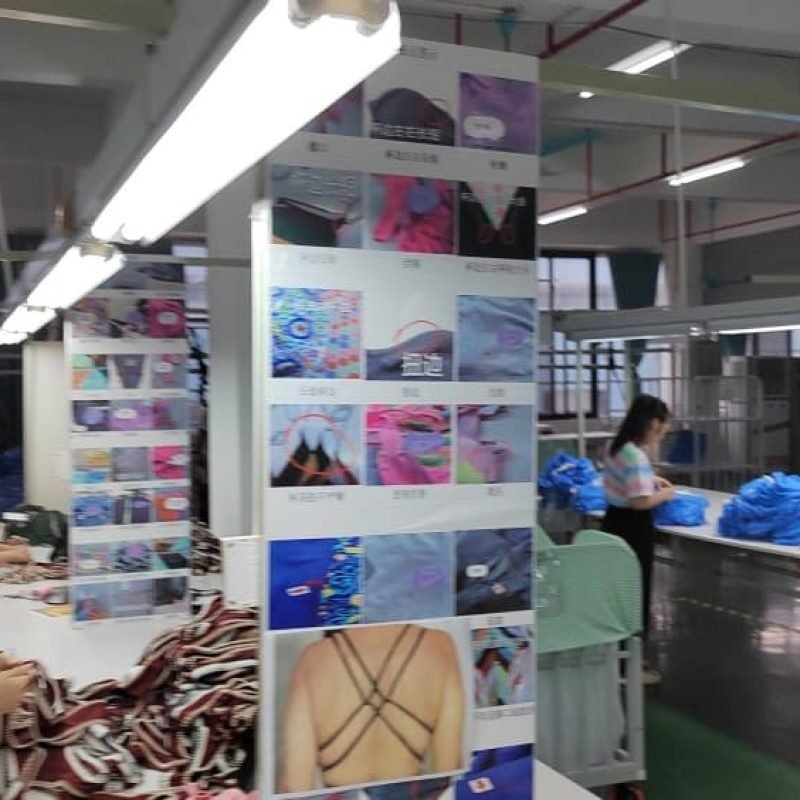
Freeze One Approved Pattern Before PPS Release
A pattern can pass through several development versions before fit is approved. Production control becomes risky if old files, printed markers, or sample-room patterns remain active without clear status. One approved pattern reference should therefore be identified before PPS, with linked measurements and comments showing which development decisions are frozen.
Approval does not mean no future change is possible. It means any later change follows a controlled path. If a zipper specification changes, fabric recovery differs from the approved quality, or a late fit comment affects a critical POM, the impact should be reviewed before a revised pattern replaces the approved version.
A clean approval gate should confirm:
- approved pattern identifier or version;
- approved sample/PPS relationship;
- size and grade status;
- current fabric and trim assumptions;
- open points, if any, with named responsibility;
- authority for post-approval changes.
Revalidate Changes for Repeat Orders and Material Updates
Repeat production benefits from an approved pattern library, but repeat does not mean automatic copy-and-cut. Fabric source, finishing, shrinkage, stretch recovery, trims, size requirements, or brand comments can change between orders. The previous pattern remains a strong starting reference only after current conditions are compared with the approved history.
A repeat-order review should ask whether the same fabric construction and supplier are being used, whether any fit complaints were recorded, whether measurements changed, and whether the requested size range or color treatments create new behavior. Even a small fabric change can matter on bodycon, swimwear, bias-cut, or structured styles.
Before releasing a repeat pattern:
- retrieve the previous approved pattern and PPS reference;
- compare current fabric and trim conditions;
- review any prior fit or quality feedback;
- confirm size range and grade requirements;
- document approved changes rather than overwriting history.
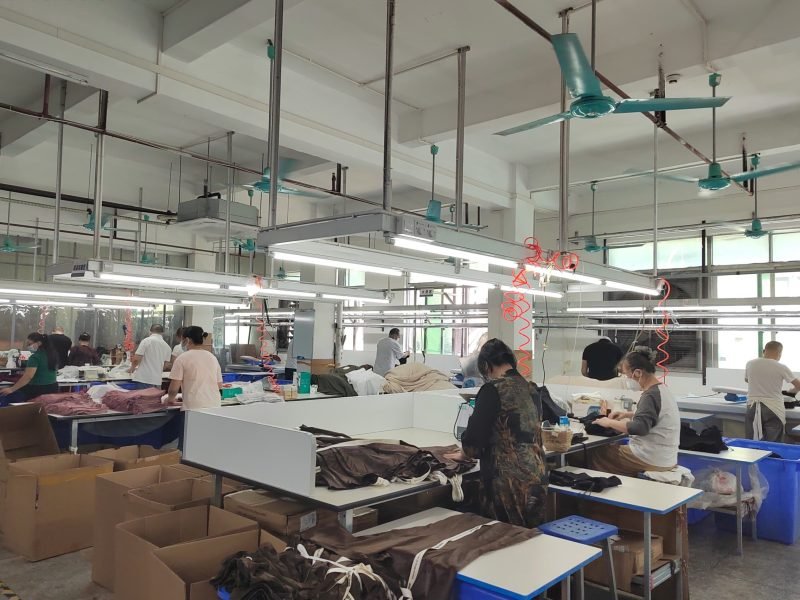
Grading Extends Fit Without Mechanically Scaling Every Measurement
Base-size approval is only the beginning. Grade rules, critical POMs, tolerance, size-set checks, and special-fit requirements keep proportion, support, coverage, and movement consistent across the intended selling range.
| Grading Control | What Needs to Be Decided | Why It Matters |
| Base Size | Core selling size, target market, fit model/reference, product structure | The approved geometry and later increments grow from the chosen base |
| Size Range | Required alpha/numeric sizes and any petite, tall, cup, or extended-size needs | Wider ranges may need different increments or additional validation |
| Grade Rules | POM-specific increments rather than one uniform percentage | Bust, waist, hip, rise, length, cup, support, and openings do not grow identically |
| Critical POMs | Measurements most responsible for silhouette, movement, support, or coverage | Errors at critical points can create visible fit jumps even when total dimensions look acceptable |
| Size Set Validation | Selected sizes reviewed for measurements, proportion, and structure when required | Confirms the approved base fit has translated into the broader range |
| Measurement Tolerance | Product- and material-specific production control ranges | Tolerance manages manufacturing variation; it is not permission for uncontrolled deviation |
Approved Patterns Must Enter Production Through Controlled Handover
Pattern approval should create one production reference, one change route, and clear checkpoints for PPS, cutting, sewing, measurement, final review, and future repeat orders across every released style and size range.

PPS Standard Freeze
- Link PPS to the approved pattern version.
- Confirm critical POMs and tolerance references.
- Resolve material or trim changes affecting fit.
- Record final comments before bulk authorization.
- Confirm the release reflects the sample and fit decisions actually approved by the brand team.
- Keep the final technical status visible to every team using the pattern.

Cutting and Production Release
- Release current pattern/marker references only.
- Check pattern identity before cutting starts.
- Keep approved sample or PPS available for comparison.
- Escalate changes instead of altering production locally.
- Keep cutting and sewing references synchronized when a late technical revision is approved.

Repeat Order Review
Previous approved patterns can shorten repeat development, but fabric, trim, size, wash, fit comments, and brand standards must be compared before reuse.
Repeat-order control protects speed without assuming every condition remains identical.
- Retrieve the last approved reference.
- Review material and specification changes.
- Reconfirm grade and critical POM requirements.
- Issue a new controlled revision if conditions changed.
- Preserve the previous approval history so the reason for the new version remains clear.
Bulk Controls Protect the Approved Pattern Intent
Production consistency depends on using the right pattern version and checking measurements, cut components, sewn balance, critical construction points, and finished appearance against the approved sample and technical references.

Pattern Version at Cutting
Cutting should begin from the released production version, with style, size, and revision identity controlled before markers or cut bundles move forward.A cutting-stage check helps prevent an old sample-room version from re-entering production and protects later measurement results from starting with the wrong geometry.
Style, size, revision, and release status should remain readable at the point of use, not only inside an office record.

Inline Fit and Balance Checks

Measurement Inspection
Measurement checks connect bulk garments back to critical POMs and tolerance.
The most important points vary by product: torso and leg opening for swimwear, rise and hip for bottoms, bust-waist-hip balance for fitted dresses, or shoulder and body length for relaxed tops.
Results should be read against product-specific tolerance rather than one generic measurement rule across the collection.
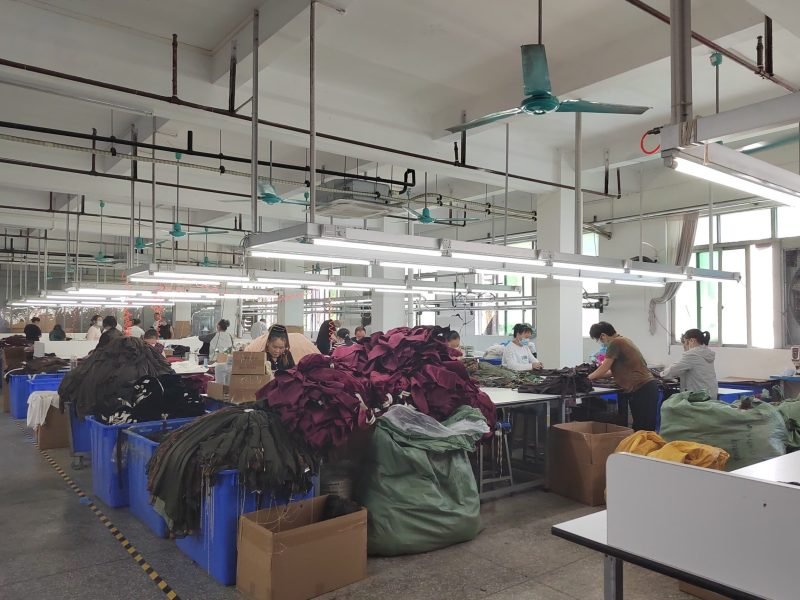
Final Appearance Review
Finishing and final inspection should compare silhouette, balance, symmetry, support, and key dimensions with the approved standard.
A garment can pass seam construction checks yet still look wrong if pressing, elastic tension, fabric relaxation, or assembly has shifted the intended shape. Final review should also identify whether the issue is isolated workmanship, a material response, or a repeated pattern-sensitive deviation requiring corrective action.
Six Checks Reveal Real Pattern Making Capability
A sourcing or technical team can evaluate pattern capability by reviewing how a supplier handles product complexity, input quality, fit diagnosis, revision history, grading validation, and the handover from sample approval into bulk.
Product-Specific Experience
Ask for pattern examples or development explanations relevant to the actual product, not only generic garments. A supplier experienced in bias slips should discuss grain and hanging behavior; a swim supplier should discuss torso, elastic, lining, support, and recovery.
- Compare experience by silhouette and construction.
- Ask what changes between fitted and relaxed products.
- Look for product-specific fit language.
- Avoid judging capability from factory size alone.
- Ask how the team keeps product knowledge visible when several technicians share a collection.
Input Translation
Strong teams can explain how a tech pack, reference garment, sketch, size chart, or image changes the development route.
Different inputs should produce different questions and outputs rather than one standard process.
- Ask what information is assumed versus confirmed.
- Request the clarification list before sampling.
- Check how missing POMs are proposed.
- Review how fabric and construction enter pattern decisions.
- Strong answers should identify what changes the pattern route rather than repeating a fixed workflow.
Fit Diagnosis
A capable pattern team should distinguish geometry problems from fabric or sewing problems.
Ask how armhole gaping, rise discomfort, twisting, bagging, or poor balance would be investigated before a correction is made.
- Look for evidence-based diagnosis.
- Expect POM, photo, material, and version review.
- Avoid teams that solve every issue by adding or removing width.
- Confirm movement is considered where relevant.
- Ask for the evidence used to decide whether a correction belongs to pattern, material, or sewing.
Revision Control
Fit comments should create identifiable pattern changes, not informal memory. Ask how sample versions, fit comments, measurement updates, and pattern revisions are linked, especially when several styles are developed in parallel.
- Request an anonymized change-log example.
- Check naming and approval status.
- Confirm old versions are withdrawn from release.
- Ask how post-PPS changes are controlled.
- Version discipline becomes more important as style count and approval participants increase.
- Ask how correction ownership is recorded when comments come from merchandising, design, and technical teams.
Grading Validation
Base-size fit does not prove a complete size range.
Ask how grade increments are set for critical POMs, how structured or stretch products are handled, and when a size set is recommended.
- Review base-size selection logic.
- Ask which POMs do not grow uniformly.
- Confirm special-size requirements are discussed early.
- Check tolerance and grade approval separately.
- Ask how the team verifies a wide size range when one base-size fitting cannot represent every proportion.
Production Handover
Pattern capability should continue into PPS, cutting, measurement, and repeat-order control.
A development team that cannot show how the approved version reaches production creates risk even if the first sample looks good.
- Check pattern-to-PPS traceability.
- Ask who authorizes production release.
- Confirm measurement and QC references.
- Review repeat-order change control.
- A production-ready system should make the approved technical standard easy to retrieve months later.
- The answer should cover PPS, cutting, measurement, and repeat-order retrieval rather than sample approval alone.
Representative Multi-SKU Pattern Development Case
A seasonal program shows why pattern capacity and version discipline matter more than one isolated sample, especially when several silhouettes, fabrics, size ranges, and approval paths advance at different speeds.
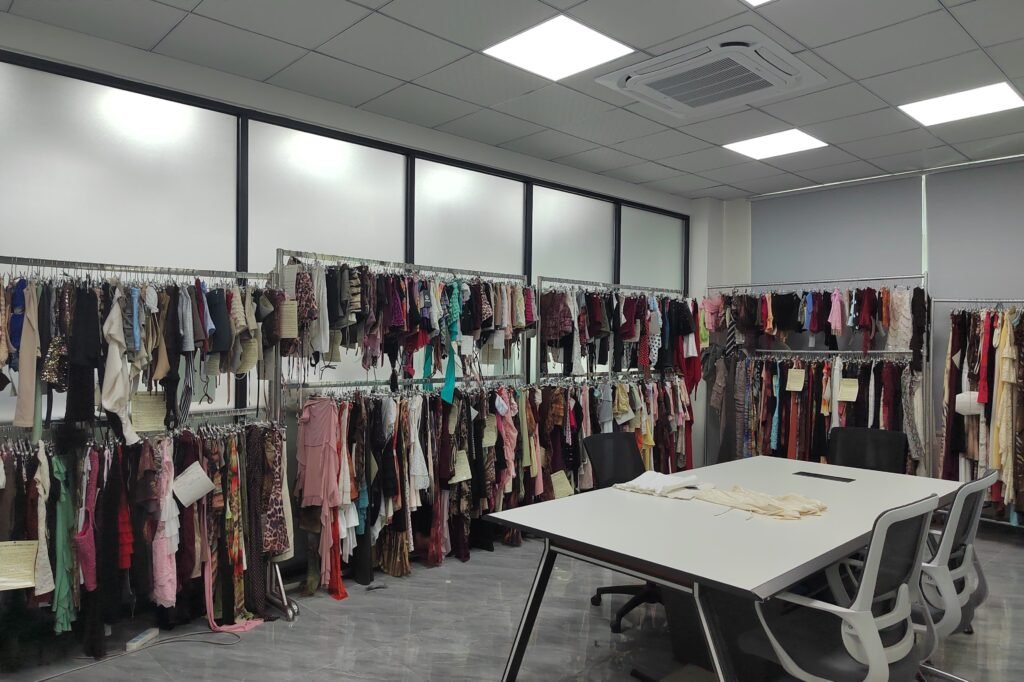
Program Scale and Development Challenge Across Eighteen Styles
A representative current-program scale can involve 18 women’s fashion styles and approximately 42,000 total units, sitting within the normal 10-30 style and 20,000-80,000 unit range seen in active brand programs. The assortment may combine fitted dresses, fluid dresses, fashion tops, and bottoms, creating different pattern risks inside one launch calendar. Some styles can move quickly from a clear tech pack; others require more fit discussion because of bias behavior, structured shaping, stretch, lining, or unfamiliar construction.
The main technical problem is not simply producing 18 patterns. The challenge is keeping every style connected to the right input, sample, comment, size information, fabric, and approval status while several revisions move at the same time. One delayed fabric or one late fit comment should not cause an unrelated style to lose version clarity.
A workable control model uses:
- style-level development status rather than one collection-wide status;
- named base size and size-range requirements per style;
- separate fit comments linked to each sample version;
- material notes where stretch, drape, or shrinkage affects the pattern;
- pattern revision history before PPS release;
- shared approval milestones for merchandising, technical, and production teams.
How Pattern Control Protects a 42,000-Piece Production Program
Once styles begin moving toward bulk, pattern control becomes a production-risk issue rather than a sample-room issue. A correction approved on one fitted dress must reach its graded sizes and production release, while a different style may still be waiting for fabric confirmation. Matching sets may need linked top/bottom version control.
Repeat silhouettes may reuse an approved block, but only after fabric, length, proportion, and current comments are checked.
For an 18-style, 42,000-piece program, useful controls include one approved production pattern per style/version, a clear PPS relationship, critical POM lists, and a handover record before cutting. Pattern-sensitive checks continue through cutting inspection, inline review, measurement inspection, finishing, and final inspection rather than disappearing once the sample is approved.
The operating logic can be summarized as:
- develop in parallel, approve by style;
- freeze versions before release;
- grade from approved geometry, not from an outdated sample;
- keep fabric-sensitive fit assumptions visible;
- route late changes through controlled review;
- preserve the approved reference for replenishment or repeat orders.
Pattern Making Frequently Asked Questions
Send Your Style for Pattern Development Review
A useful pattern review starts with the information already available. Send the product category, reference images or tech pack, intended fit, target market, size chart or base size, fabric direction, expected size range, construction details, and the sample or launch timing you are working toward. If a physical reference or previous sample exists, photos and key measurements can help the technical team identify what should be retained and what needs to change.
For the clearest first review, include:
- product category and number of styles;
- tech pack, sketch, reference image, or garment photos;
- brand size chart, base size, and target size range;
- fit intent and critical POMs;
- fabric composition, weight, stretch, drape, or known material concerns;
- lining, cups, boning, elastic, closures, or other structural details;
- target quantity by style/color and desired development timing.
XZapparel will review the available inputs, identify missing technical decisions, and determine the next pattern and sample steps before production planning begins.