Skip to content
In the world of formalwear, the terms “evening dress” and “evening gown” are often used interchangeably—but are they really the same? For fashion brands, stylists, and manufacturers, understanding the distinction helps target the right audience and deliver appropriate design.
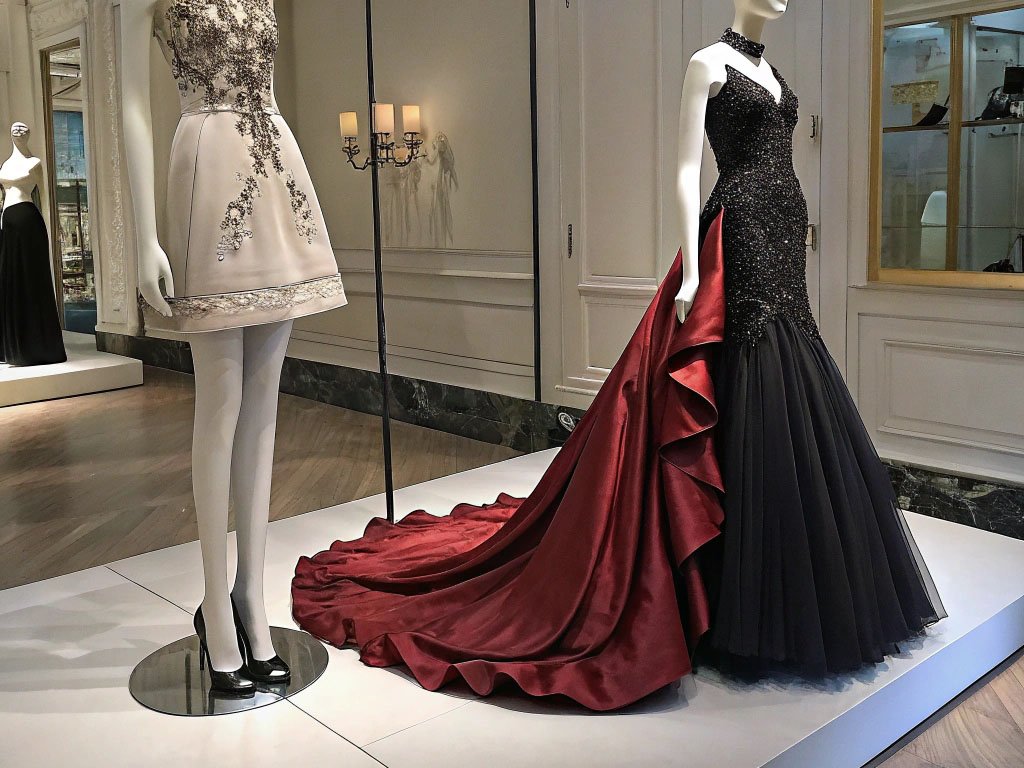
While both refer to formal attire worn for evening events, an evening gown is typically floor-length and more formal, while an evening dress may include cocktail-length and semi-formal styles.
At Xzapparel, we produce both, often clarifying this distinction during sampling and collection planning.

What defines an evening gown?
An evening gown is the most formal category of women’s attire for evening events.
Typically floor-length, crafted from luxurious materials, and often with intricate construction or embellishment, evening gowns are designed for galas, red carpets, and black-tie affairs.
Key Features of an Evening Gown
- Full-length (often floor-sweeping)
- Rich fabrics: satin, chiffon, tulle, velvet, sequins
- Sculpted or flowing silhouettes
- Complex design: corsetry, draping, embroidery
Common Occasions
- Black-tie events
- Award ceremonies
- Formal weddings
- Operas, high-end parties
What defines an evening dress?
The term “evening dress” is broader and includes a wider range of styles suitable for evening social events.
Evening dresses may be short, midi, or full-length, offering flexibility in formality while still being designed for night wear.
Evening Dress Characteristics
- Length varies: cocktail to full
- Moderate embellishment or sleek minimalism
- Fabrics include crepe, jersey, lace, satin blends
- May include sleeves, slits, or simple necklines
When to Wear
- Cocktail parties
- Dinner dates
- Evening receptions
- Weddings (non-black-tie)

How do silhouette and construction differ?
The level of craftsmanship and formality often defines the garment’s category.
Evening gowns require more structured construction, while evening dresses prioritize ease and versatility.
Silhouette Comparison
| Feature | Evening Gown | Evening Dress |
|---|---|---|
| Length | Floor-length | Midi, knee, or full |
| Fit | More structured, corseted | May be tailored or relaxed |
| Volume | Often dramatic (trains, skirts) | Streamlined or minimal |
| Detail Level | High embellishment | Subtle design focus |
What fabrics are most common in each?
Fabric choice helps signal formality and occasion.
Evening gowns often use high-luster or flowing fabrics, while dresses allow for more versatility.
Evening Gown Fabrics
- Silk satin
- Tulle and organza
- Velvet
- Hand-beaded mesh
Evening Dress Fabrics
- Stretch crepe
- Lace overlays
- Matte satin
- Heavy jersey
At our factory, we source materials based on the brand’s target end-use and desired luxury level.
How do they differ in retail pricing and positioning?
Pricing often reflects construction time, fabric quality, and brand positioning.
Evening gowns sit at the higher end of formalwear pricing, while evening dresses cater to a broader market.
Price Comparison
| Garment Type | Avg Price Range (USD) | Target Buyer |
| Evening Dress | $100–$400 | Event-goers, bridesmaids |
| Evening Gown | $300–$2,000+ | Gala guests, high-end retail |
Brands usually position gowns in limited collections or couture lines, while evening dresses appear in seasonal or ready-to-wear drops.
How should brands label these styles online?
Clarity in naming impacts search traffic and customer expectation.
Use “evening dress” for cocktail or midi options, and “evening gown” for full-length formalwear. Include descriptors like “black-tie,” “floor-length,” or “semi-formal” as filters.
Labeling Examples
- “Black Tie Satin Evening Gown – Floor Length”
- “Ruched Velvet Midi Evening Dress – Party Ready”
- “One-Shoulder Formal Gown with Train”
We recommend SEO-optimized product names and tags aligned to occasion, fabric, and silhouette.

What’s the impact of regional language differences?
Terminology may vary by country, and brands need to adapt language for clarity.
In the U.S., “evening gown” is more commonly used for full-length styles. In the UK or Australia, “evening dress” often implies a longer, more formal option.
Example
- US: “evening gown” = ultra formal
- UK: “evening dress” may mean the same as “gown”
Understanding local expectations avoids confusion and returns.
Conclusion
Evening gowns and evening dresses both serve evening fashion needs—but differ in formality, construction, and positioning. Knowing the distinction helps brands communicate clearly and build trust with shoppers.