Skip to content
Every time you look at a clothing label, chances are it reads "Made in China," "Made in Vietnam," or another overseas country. But why does the US rely so heavily on clothing manufacturers outside its borders—and what does this mean for brands, retailers, and consumers?
The vast majority of clothing sold in the US is imported from overseas. The biggest suppliers are China, Vietnam, Bangladesh, India, and Indonesia1, due to their scale, skilled labor, and cost advantages.
Let’s take a closer look at the global supply chain2 powering America’s wardrobe—and how brands can navigate sourcing, quality, and compliance in this complex environment.
Why Does the US Rely on Clothing Manufacturers Overseas?
Outsourcing clothing production has become the industry standard in America for decades.
 Cargo Ship at Sunset
How Did Outsourcing Become the Norm for US Apparel Production?
- Globalization: In the late 20th century, brands began moving manufacturing overseas to cut costs.
- Rising Labor Costs: US wages made domestic clothing production less competitive.
- Trade Agreements: Policies made it easier to import finished garments with lower tariffs.
- Changing Consumer Habits: The rise of fast fashion and discount retail demanded low prices and rapid product turnover.
By the 2000s, more than 95% of US apparel was produced abroad—a trend that continues today.
What Are the Benefits of Overseas Clothing Manufacturing for US Brands?
- Lower manufacturing costs mean higher margins for brands and lower prices for consumers.
- Access to skilled labor and advanced factories in countries that specialize in apparel production.
- Flexibility and scalability: Brands can quickly ramp up or scale down orders.
- Wide variety of textiles and finishing options not always available in the US.
Which Countries Supply the Most Clothing to the US?
The US sources its clothing from a global network, but a handful of countries lead the way.
Why Does China Remain a Major Supplier Despite Tariffs?
- Scale: China has the largest, most efficient textile and garment manufacturing infrastructure in the world.
- Vertical Integration: Chinese suppliers control the full supply chain—from spinning and weaving to finishing and logistics.
- Experience and Quality: Decades of experience producing for top global brands.
- Cost Effectiveness: Even with tariffs, China’s productivity often offsets extra costs.
In 2023, China remained the US’s top apparel supplier, though its share is slowly shrinking as brands diversify sourcing.
How Has Vietnam Emerged as a Leading Clothing Manufacturer Overseas?
- Competitive labor costs and strong government support for manufacturing.
- Modern factories equipped for both large-scale and boutique production.
- Trade agreements with the US make Vietnamese goods less expensive and more attractive to buyers.
- Reputation for quality and reliability, especially for sportswear, outerwear, and basics.
What Role Do Bangladesh, India, and Indonesia Play in US Apparel Imports?
- Bangladesh: Known for mass-market basics, T-shirts, jeans, and value-priced apparel.
- India: Renowned for cotton, woven garments, embroidery, and artisanal techniques.
- Indonesia: Strong in sportswear, activewear, and technical garments; offers both scale and niche expertise.
Table 1: Top US Clothing Import Partners (2023 Data)
| Country | US Apparel Import Share | Main Products |
|---|---|---|
| China | ~22% | All categories, fast fashion |
| Vietnam | ~18% | Sportswear, casualwear |
| Bangladesh | ~8% | Basics, denim, T-shirts |
| India | ~6% | Cottonwear, dresses, embroidery |
| Indonesia | ~5% | Knitwear, activewear |

How Do Trade Policies Affect Overseas Clothing Manufacturing?
Government policy and international agreements play a big role in where US brands source their products.
How Have US Tariffs on China Shifted Apparel Sourcing Strategies?
- Recent tariffs on Chinese imports have led some brands to shift orders to Vietnam, Bangladesh3, and other Southeast Asian countries.
- Many brands “China plus one” strategy: keep a base in China, but add factories in other countries for risk management and tariff mitigation.
- Lead times and logistics: Policy changes can cause supply chain disruptions, price swings, and delivery delays, forcing brands to stay flexible.
What Are the Benefits of Trade Agreements Like USMCA and CAFTA-DR?
- USMCA (US-Mexico-Canada Agreement): Enables duty-free trade between North American partners, encouraging brands to consider Mexico for “nearshoring.”
- CAFTA-DR: Promotes apparel trade with Central American countries (like Honduras and El Salvador), allowing for faster delivery and lower tariffs compared to Asia.
Trade agreements help brands diversify their supply chains and reduce risk from over-reliance on one region.
What Are the Pros and Cons of Relying on Overseas Clothing Manufacturers?
Global sourcing brings both big benefits and serious challenges.
How Does Overseas Production Lower Costs for US Clothing Brands?
- Lower wages and large-scale production in Asia result in much lower unit costs.
- Economies of scale: Big factories can fulfill large, complex orders efficiently.
- Flexibility: Brands can test new markets, styles, or trends without heavy investment.
What Challenges Do Brands Face with Logistics and Quality Control?
- Shipping times: Ocean freight from Asia can take 3–6 weeks; delays are common.
- Customs and compliance: Regulations, paperwork, and inspections can create bottlenecks.
- Quality control: Physical distance makes it harder to monitor production and fix mistakes quickly.
- Ethical risks: Sweatshop labor, unsafe factories, and environmental harm are ongoing concerns; brands must audit and monitor their suppliers closely.
Table 2: Pros and Cons of Overseas Clothing Manufacturing
| Pros | Cons |
|---|---|
| Lower manufacturing costs | Shipping delays, customs risk |
| Access to skilled labor | Harder quality control4 |
| Greater flexibility & variety | Potential labor/environmental issues |
| Scale up or down quickly | Communication & cultural barriers |

How Can US Brands Work Effectively with Overseas Clothing Manufacturers?
Success overseas starts with careful planning, strong partnerships, and clear communication.
What Should You Look for When Choosing an Overseas Clothing Manufacturer?
- Experience and reputation with US and global clients
- Certifications (e.g., ISO, WRAP, BSCI) showing compliance and quality systems
- Transparency in pricing, sourcing, and supply chain practices
- Sampling and quality control capabilities
- Communication skills: English-speaking staff and fast response times
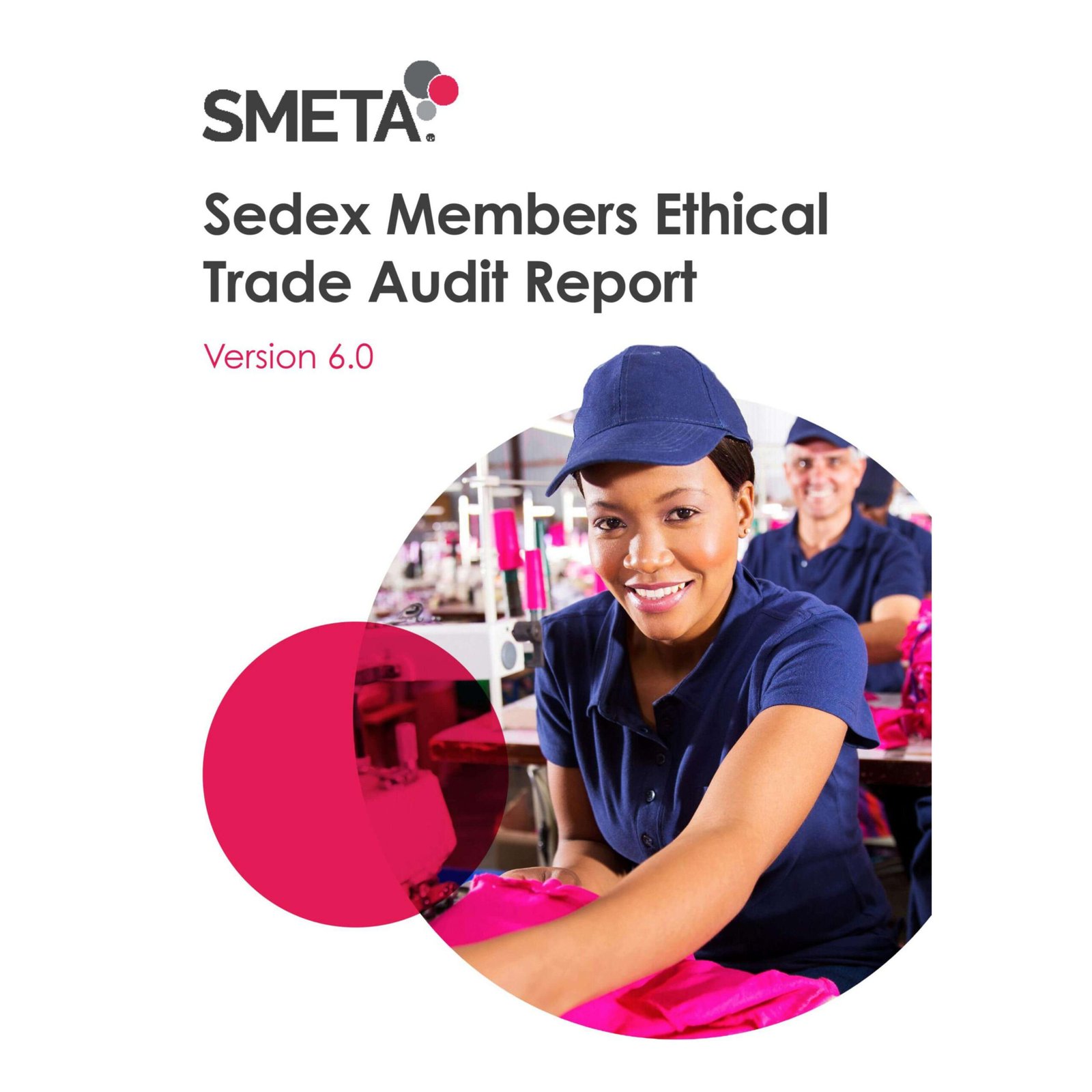
Always request references, samples, and recent audit reports before committing.
How Do You Ensure Ethical and Sustainable Practices in Overseas Production?
- Work only with audited factories and require proof of compliance.
- Regular site visits or third-party inspections to check working conditions.
- Set clear standards for labor, safety, and environmental practices—and enforce them with contracts and regular monitoring.
- Prioritize suppliers with sustainability initiatives5 (e.g., recycled materials, water-saving production).
Building strong, long-term relationships with your suppliers leads to better results, greater trust, and more ethical, sustainable sourcing.
Conclusion
The US apparel industry relies heavily on overseas manufacturers—especially in China, Vietnam, Bangladesh, India, and Indonesia—due to cost, efficiency, and expertise. But success in global sourcing requires ongoing attention to trade policy, supplier selection, and ethical production. By staying informed and building strong partnerships, US brands can deliver value, quality, and responsibility to their customers.
-
Learn about Indonesia’s unique offerings in the apparel manufacturing sector. ↩
-
Understand the complexities of the global supply chain in the apparel industry. ↩
-
Explore Bangladesh’s significance in supplying affordable clothing to the US. ↩
-
Discover best practices for maintaining quality in international manufacturing. ↩
-
Discover how brands are adopting sustainable practices in their supply chains. ↩