Skip to content

Why Centralized Development and Controlled Specialist Supply Chain Matter
Centralize product decisions, keep specialist execution controlled, and carry one approved standard from concept through bulk production.
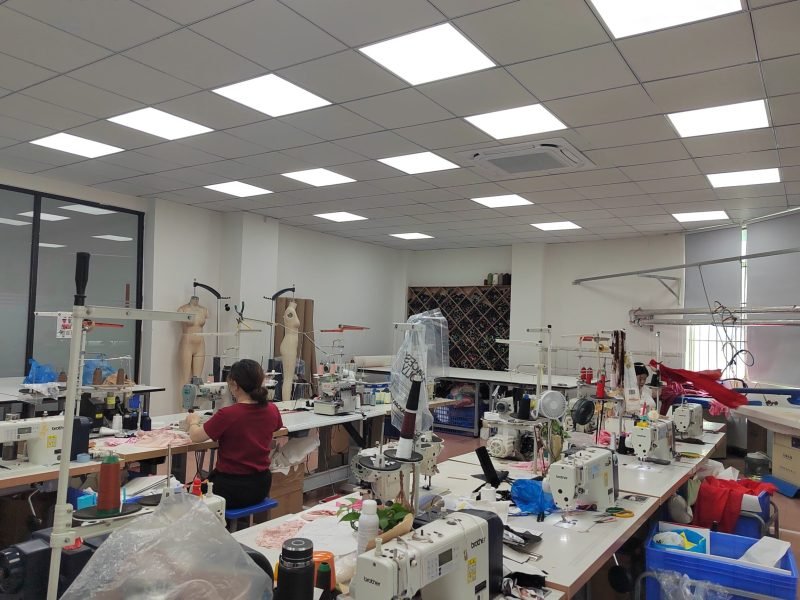
- 6 sample rooms, 48 pattern makers and 60 sample makers keep fit, construction, revisions and PPS decisions close to one development system.
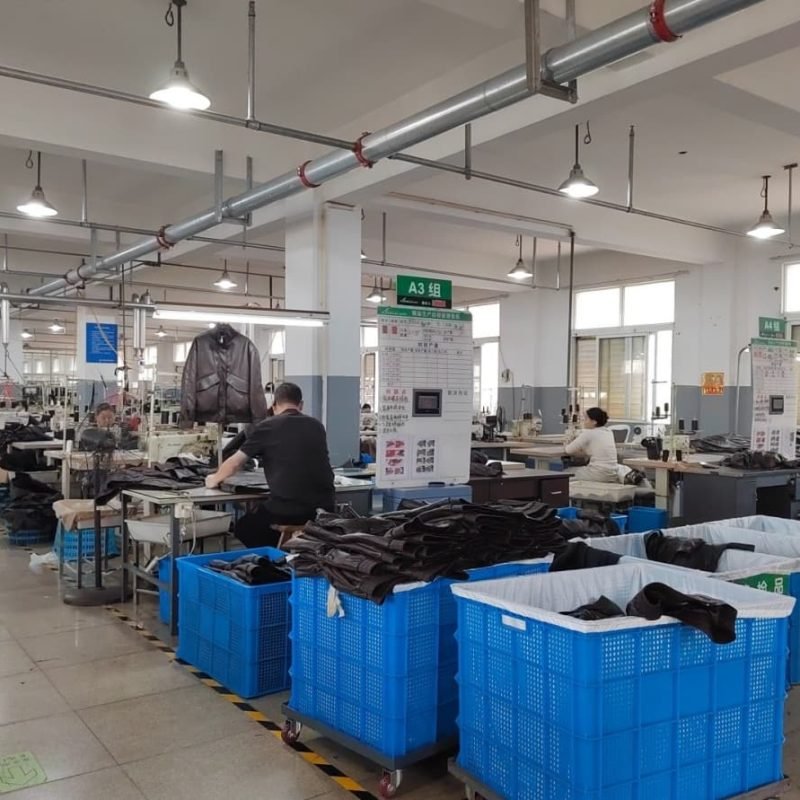
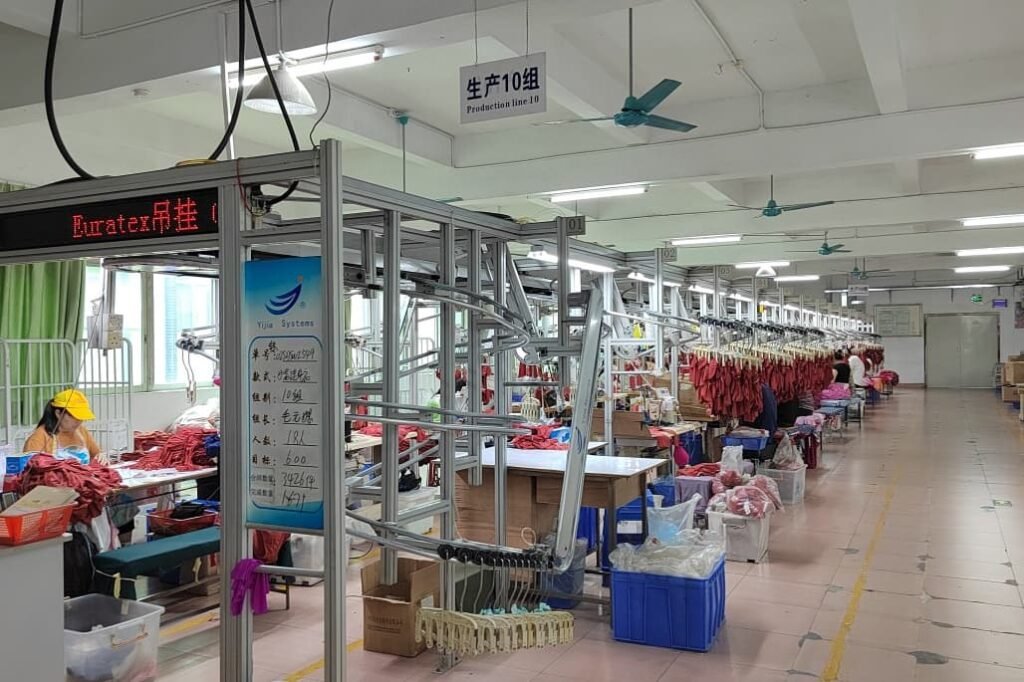
- Core garment production runs through about 80 sewing lines and approximately 640 Brother sewing machines, while selected specialist processes remain transparently partner-managed.
- Approved fabrics, trims, artwork, process samples and PPS references create the handoff standard used across internal production and specialist execution.
- Fabric inspection, pre-production review, cutting, inline, measurement, finishing, final, and packing checks keep the approved standard visible after handoff.



Centralize Decisions Without Pretending Everything Is In-House
Strong apparel programs keep product standards under one development owner while allowing selected specialist work to stay with the people, equipment, and processes best suited to execute it.

Centralized Product Development
- One fit and measurement reference
- One approved material and trim direction
- One construction and artwork version
- One revision history before PPS
- One accountable route into bulk production

Controlled Specialist Supply Chain
A controlled specialist supply chain uses outside expertise without surrendering product ownership. Knitwear, embroidery, certain printing, specialty material work, or independent testing may require different equipment and specialist knowledge. Risk appears when those steps receive vague instructions, unapproved substitutions, or incomplete samples. Control comes from defining the input, approving a process sample or reference, checking the returned output, and keeping final garment quality under one accountable system.
- Execution scope is named before work starts
- Approval evidence travels with the job
- Changes return for review instead of being assumed
- Incoming output is checked before the next operation
- Final garment acceptance remains tied to the approved standar
Where Fragmented Sourcing Starts To Break Product Consistency
Most sourcing failures begin before final inspection. Standards drift when fit, material, artwork, approvals, and process responsibility move between disconnected teams without a shared reference.
Fit Standard Drift
A fitted dress can look correct in the first sample and still shift in bulk when pattern updates, ease, support, or measurement comments are not carried into the final production reference.
One team may follow the revised bust shape while another still uses an earlier base pattern.
- Keep approved POMs with the pattern version
- Record fit comments by sample round
- Freeze support and lining decisions before PPS
- Recheck affected sizes when geometry changes
Fabric Version Confusion
Fabric changes can alter drape, opacity, recovery, seam behavior, and even garment measurements. A sourcing team that treats composition or color name as enough information can approve a replacement that behaves differently in wear and sewing.
- Track composition, GSM, stretch and recovery
- Keep shade and hand-feel references
- Recheck compatibility after supplier substitution
- Link material changes back to fit and construction When a change affects another function, route it back to the relevant owner before bulk work continues under a new assumption.
Artwork Handoff Errors
Placement embroidery, engineered prints, rhinestone layouts, and repeat artwork fail when file version, scale, orientation, or placement coordinates are unclear. A visually small change can move across panels, seams, or stretch zones once the garment is cut and assembled.
- Freeze artwork version and dimensions
- Approve strike-off or process sample
- Confirm placement against pattern pieces
- Keep bulk tolerance and orientation visible Clear evidence at the handoff also makes corrective action faster because the team can compare actual output with the agreed standard.
Trim Substitution Gaps
A zipper, elastic, cup, underwire, lining, button, or label can change fit, weight, closure performance, and assembly sequence.
Uncontrolled substitution often happens because the replacement seems visually similar while its function is different.
- Define critical trim properties
- Approve alternatives before bulk use
- Confirm color and dimension tolerances
- Recheck construction when the component changes For recurring programs, preserve the same reference and record any exception so a reorder does not silently become a different product.
Approval Responsibility Gaps
Multiple suppliers become dangerous when nobody knows who has authority to approve a material, process sample, measurement change, or bulk exception. The problem is less about outsourcing and more about unclear ownership.
- Name the approver for every critical gate
- Separate development comments from production release
- Keep unresolved points visible
- Escalate exceptions instead of accepting them locally A defined approval point turns the issue into a manageable production decision instead of a late-stage dispute between separate suppliers.
Reorder Knowledge Loss
Reorders expose whether a supply chain truly controls product knowledge. Fabric lots change, trims are discontinued, operators move, and old samples may no longer represent the latest approved version.
A reliable reorder starts from controlled records rather than memory.
- Preserve approved PPS and specifications
- Record material and process changes
- Compare replacement lots before release
- Keep final QC points linked to the same version The strongest control is simple enough for production teams to follow and specific enough for quality teams to verify consistently.
Compare Three Manufacturing Models Before Choosing A Supply Structure
No operating model wins every project. The useful question is where decisions are owned, how specialist capability is accessed, and whether approved standards survive each production handoff.
| Decision Area | Fragmented Sourcing | Everything In-House | Centralized + Specialist |
|---|---|---|---|
| Development ownership | Often split across several vendors | Usually clear inside one factory | Kept under one development owner |
| Specialist capability | Broad, but coordination can be weak | Limited by installed equipment and experience | Selected expertise added under defined control |
| Fit and pattern reference | May be recreated or interpreted locally | Usually stays inside one system | Remains centrally approved before handoff |
| Process approval | Varies by vendor | Internal approval path | Sample/strike-off plus central approval |
| Accountability | Can become unclear after handoffs | Usually direct | Clear when execution and approval ownership are named |
| Flexibility | High, but management load is high | Depends on internal capability range | High when partners are qualified and controlled |
| Bulk consistency risk | Version drift and substitution risk | Capability bottlenecks or forced compromises | Handoff risk managed through gates and references |
| Best fit | Simple, separable programs with strong internal brand sourcing | Programs matching the factory’s real internal strengths | Multi-style programs needing both control and specialist depth |
Eight Product Decisions That Should Stay Centrally Controlled
Production can move between internal and specialist resources, but several decisions should remain under one approval system if fit, appearance, repeatability, and reorder consistency matter.
Product Brief
The development brief should define silhouette, end use, quality level, target market, key design details, and open questions before technical work begins.
Without a common brief, fabric sourcing, pattern work, and specialist processing can all solve different versions of the same garment. Keep references, assumptions, and unresolved decisions together from the first review.
Pattern And Fit
Pattern geometry, POM definitions, ease, support, balance, length, and size logic should not be independently interpreted by each production source. A single fit route protects fitted dresses, swimwear, corset-inspired tops, bodycon silhouettes, and coordinated sets where small changes quickly affect appearance and wear. For recurring programs, preserve the same reference and record any exception so a reorder does not silently become a different product.
Fabric And Trim
Approved material direction should include more than color and composition. GSM, stretch, recovery, drape, opacity, width, shrinkage behavior, surface, lining, elastic, closures, and support components can all change the final garment. Substitutions should return to the same approval route before they enter bulk. A defined approval point turns the issue into a manageable production decision instead of a late-stage dispute between separate suppliers.
Construction Standard
Seam type, edge finish, lining sequence, elastic application, boning channel, closure method, hem, reinforcement, and specialist process compatibility should be frozen with enough detail for repeatable execution.
The objective is not to list every stitch; it is to define the parts where a different method would change fit, appearance, durability, or production risk.
Artwork And Placement
Print, embroidery, beading, rhinestone, label placement, and engineered artwork need controlled files, dimensions, colors, coordinates, orientation, repeats, and approved process samples. Pattern pieces and stretch zones should be considered before release so artwork does not shift across seams, panel joins, or fitted areas during assembly. Link the decision to the approved sample, specification, or process record so responsibility remains clear after the style moves downstream.
Sample Revisions
Every revision should state what changed, why it changed, and which earlier instruction it replaces. Fit comments, fabric changes, trim updates, and process approvals are easier to manage when each sample round produces a clear decision record rather than a new garment with undocumented differences.
Keep the approved reference attached to the current product version so later teams can verify the decision before work continues.
PPS Standard
PPS should represent the production-ready combination of approved material, construction, measurements, workmanship, finish, artwork, trims, and packing references. Bulk teams need one frozen standard, not separate approvals held by different departments or suppliers.
Any exception after PPS should be visible and reviewed before it spreads. The control should be visible in the production record, not dependent on one person’s memory or an informal message thread.
Reorder Change Control
Reorders should start by checking what changed since the approved run: fabric lot, trim availability, artwork, pattern version, packaging, regulation, or production route. Repeating an old PO without checking those variables can recreate a style under new conditions. Controlled change review protects the product identity across seasons.
When a change affects another function, route it back to the relevant owner before bulk work continues under a new assumption.

Where Specialist Execution Adds Real Manufacturing Value
Specialist resources are useful when equipment, process knowledge, material behavior, or independent validation needs deeper focus than a general sewing line can reasonably provide.
Knitwear Programs

Fully fashioned or specialist knitwear requires yarn, gauge, knitting structure, linking, washing, and dimensional control that differ from cut-and-sew garments.
XZ Apparel treats knitwear as a long-term specialist partner capability rather than presenting it as core in-house production.
Development standards, approvals, and final garment expectations still need a clear owner.
Embroidery Programs

Embroidery quality depends on artwork digitizing, stitch density, thread, backing, placement, base fabric stability, and distortion control. A specialist embroidery partner can add technical depth, but the garment team should still control the approved artwork, placement reference, process sample, base fabric condition, and incoming output before sewing continues. A defined approval point turns the issue into a manageable production decision instead of a late-stage dispute between separate suppliers.
Certain Printing

Some print methods or production setups are better handled by dedicated specialists.
The development system should define artwork version, color target, base fabric, scale, repeat, placement, hand feel, curing or adhesion expectations where relevant, and approval samples.
Printing capability should never be described as in-house when execution belongs to a partner.
Specialty Surface Work
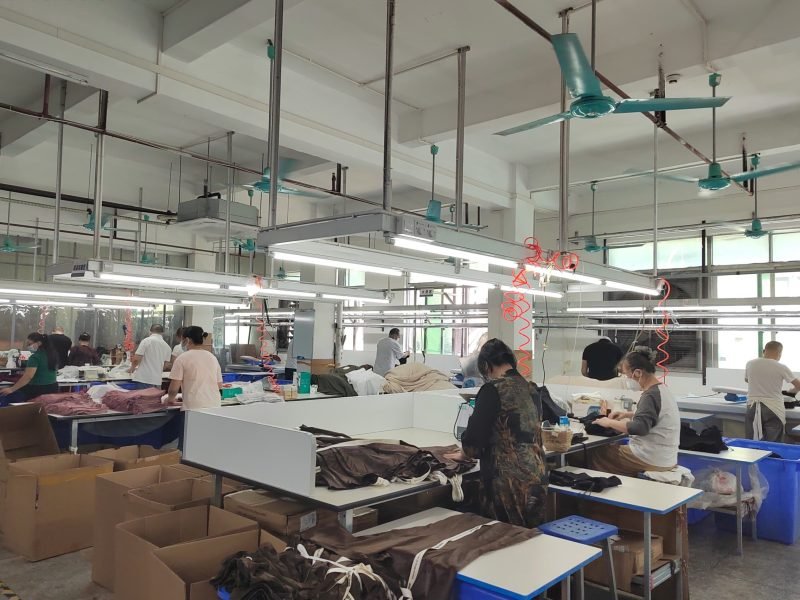
Selected embellishment and surface treatments can require dedicated operators, fixtures, material handling, or process controls. Before release, the garment team should confirm attachment method, placement, weight, stretch interaction, wash expectations, edge safety, and acceptable variation. Specialist skill adds value only when the finished process still fits the approved garment standard.
Material Process Support

Certain fabrics, finishes, treatments, or specialty material operations may sit with qualified suppliers rather than the garment factory. Control starts with a material brief and approval criteria, then continues through sample validation, incoming inspection, and change review. Supplier documentation should remain attached to the material source instead of being presented as factory-owned certification.
Independent Verification

Third-party laboratories and inspection providers are different from manufacturing partners. They provide independent reports or verification when a market, retailer, or project requires it. Their role should be named separately from in-house production control so responsibilities stay clear: the lab verifies against a method, while the manufacturing team still owns product decisions and corrective action.
Know Who Executes, Approves, And Owns Final Quality
Transparent ownership matters more than an all-in-house claim. Each critical step should show who performs the work, who approves it, and what evidence carries forward.
| Stage | Typical Execution | XZ Apparel Control Point | Approval / Evidence |
|---|---|---|---|
| Product development | In-house | Brief, feasibility, construction direction, revision control | Approved brief / comments |
| Pattern and sampling | In-house | POM, pattern version, fit review, sample rounds | Approved sample / fit record |
| Core cutting and sewing | In-house | Marker, cut accuracy, line setup, inline control | PPS / production pack / QC points |
| Knitwear | Long-term specialist partner | Development brief, sample approval, quality expectation | Approved sample / specification |
| Embroidery / certain printing | Long-term specialist partner | Artwork, placement, base material, process sample | Strike-off / process sample / placement reference |
| Formal external testing | Third-party lab when required | Test scope, sample identity, corrective action | Test report tied to project scope |
| Final garment QC and packing | Managed under XZ Apparel quality flow | Measurement, finishing, final acceptance, packing check | Inspection and packing records |
How A Specialist Process Moves Without Losing Product Control
A specialist handoff works only when the outgoing input is frozen, the return condition is measurable, and no downstream team has to guess what was approved.

Lock Inputs Before Any Specialist Process Leaves Development
A specialist process should never begin from a loose message such as ‘match the reference’ or ‘use the same embroidery as the sample.’ The outgoing package needs enough information for the specialist to reproduce the intended result without redefining the garment. For placement embroidery on a fitted mesh top, for example, the handoff should include the approved artwork file, final dimensions, thread or color reference, orientation, placement coordinates, panel identity, base fabric specification, stretch direction, stabilizer expectation where relevant, and the pattern version used to position the design. If the embroidery crosses a seam or sits close to a neckline, armhole, cup, or stretch zone, the garment team should confirm how sewing and fit interact with the decoration before bulk release.
A process sample or strike-off is the gate between instruction and execution. The sample should answer visible questions: Is the scale right? Does the base fabric distort? Is the hand feel acceptable? Does the placement stay stable after assembly? Is the back finish compatible with lining or skin contact? Once approved, the reference becomes part of the controlled production pack. Any later change in fabric, artwork, thread, placement, or process route should return for review rather than being accepted as an informal production adjustment.
Bring Process Output Back Through Approval And Garment QC
Control continues when specialist output returns. Incoming panels, rolls, components, or processed garments should be checked against the approved reference before they enter the next operation. The inspection does not need to repeat every lab method; it needs to confirm the attributes that can affect downstream assembly and final appearance. For embroidery, teams may check placement, size, density, distortion, loose threads, backing, damage, shade, panel orientation, and the condition of the surrounding fabric. For printing, the focus may shift to color, registration, placement, hand feel, adhesion, cracking, curing, or contamination depending on the method.
Rejected output needs a defined escalation path. A sourcing or production coordinator should know whether the issue can be corrected, reprocessed, replaced, or requires a new approval sample. Good handoff control also protects timing because problems are caught before they are sewn into finished garments. XZ Apparel’s operating model keeps specialist capability transparent: the partner performs the specialist step, while development standards, approval references, coordination, incoming checks, garment assembly, and final quality remain connected to the same product system. The value is not claiming ownership of every machine. The value is knowing exactly where the product standard is held at each transfer. That discipline is more valuable than a broad capability claim because it shows how the product standard is protected when real production conditions begin to change.

Material Control Starts Before Fabric Reaches The Sewing Line
Fabric and trims influence fit, drape, opacity, recovery, sewing behavior, finish, cost, and lead time. Material control therefore begins before cutting or bulk booking.
Convert Design Intent Into A Controlled Material Brief
Material sourcing becomes useful only after the design intent is translated into measurable and comparable requirements. A fitted dress may need a different balance of stretch, recovery, opacity, surface, weight, and drape than a loose resort dress, even when both fabrics share a similar fiber composition. A swim style needs additional attention to recovery, lining interaction, opacity, elastic compatibility, and colorfastness. A satin occasion style may depend more on weight, luster, bias behavior, snag risk, seam appearance, and shade consistency.
XZ Apparel works with more than 30 regularly used fabric suppliers and can also source through the Humen and Guangzhou Zhongda material ecosystems. The value is not the supplier count alone. The development team needs a material brief that suppliers can answer: composition, construction, GSM or weight range, stretch and recovery where relevant, width, drape, opacity, surface, color target, hand feel, wash expectation, documentation requirement, and quantity. Candidate fabrics should then be reviewed against the garment, not just a swatch card. In-house production-control testing can cover relevant checks such as GSM, shrinkage, colorfastness, pilling, stretch and recovery, shade, width, and visible defects. Formal third-party testing remains separate when a market or retailer requires independent reports. That discipline is more valuable than a broad capability claim because it shows how the product standard is protected when real production conditions begin to change.

Approve Lots, Substitutions, And Trims Before Bulk Release
Approval does not end when a fabric quality is selected. Bulk consistency depends on the booked lot, shade, usable width, behavior, and compatibility with trims and construction. A replacement fabric may match composition yet change pattern ease, seam stretch, pressing response, opacity, or final measurements. For that reason, material substitutions should trigger a targeted review of the affected product decisions rather than a procurement-only approval.
The same logic applies to trims. Elastic modulus can change fit and recovery. A different zipper tape can affect seam bulk. Cups, underwires, boning, lining, buttons, lace, labels, and packaging components can alter assembly sequence, appearance, support, or packing. Critical trims should therefore have an approved reference, functional criteria, color tolerance, and known supplier route before bulk. XZ Apparel maintains fabric and trim sourcing as part of the development chain so material decisions stay linked to pattern, construction, sample approval, and production timing. Supplier documents such as OEKO-TEX or GRS-related material records, when applicable, remain attached to the qualified material or supplier scope; they should not be rewritten as factory-owned certifications. Clear ownership keeps material claims accurate and keeps production decisions traceable. Keeping the decision record attached to the approved version makes later changes easier to trace and prevents local interpretation from becoming the new production standard.

Fit Ownership Cannot Be Split Across Multiple Production Partners
Women’s fashion depends on proportion, ease, support, fabric behavior, and size logic. Those decisions need one pattern route even when selected processes are performed elsewhere.
Freeze Silhouette, POM, Ease, And Support In Development
Fit is a system of relationships, not a single measurement chart. A bodycon dress may depend on negative ease, fabric recovery, lining behavior, bust support, waist shaping, hem tension, and seam placement working together. A corset-inspired top adds cup shape, boning position, underbust geometry, closure tension, and lining structure. Swimwear adds torso length, leg opening, coverage, elastic tension, stretch direction, lining, and recovery. Matching sets introduce another challenge: the top and bottom may be developed separately but still need a coherent proportion and size story when worn together.
Those decisions should remain with one pattern and fit ownership chain. XZ Apparel’s development platform includes 48 pattern makers and 60 sample makers across 6 sample rooms, supporting parallel style development and fit revision. The useful output from that capacity is not simply more samples. It is a controlled route from reference or Tech Pack into POM definitions, pattern versions, sample comments, measurement checks, and approved fit. If a specialist process changes the fabric or adds stiffness, weight, or localized restriction, fit should be reviewed against the same approved intent before the process becomes part of bulk production. Keeping the decision record attached to the approved version makes later changes easier to trace and prevents local interpretation from becoming the new production standard.


Use One Approved Pattern Logic Through Size And Reorder
Base-size approval is not enough for a multi-size program. Grading changes lengths, openings, support positions, seam intersections, artwork placement, and balance across the size range. A style can look correct in one size and fail in another if the grading rule is treated as a simple enlargement. Critical POMs, proportion points, stretch zones, cup or support positions, and construction relationships should be checked where the product risk justifies it.
The same pattern logic should survive supplier and season changes. When fabric recovery changes, an old negative-ease assumption may no longer be valid. When an embroidery or print placement moves with graded panels, the artwork reference may also need size-specific positioning. When a reorder uses a replacement trim or lining, the effect on fit should be reviewed before bulk. XZ Apparel keeps pattern, fit comments, sample revisions, material decisions, and PPS references linked so a production partner does not recreate fit from appearance alone. A brand size chart remains the starting point, but the approved garment standard comes from the combination of size intent, POM method, pattern geometry, material behavior, and approved sample. For multi-style programs, the same discipline also helps teams compare status across SKUs without reopening decisions that were already approved earlier in development.
Sampling Converts Unknowns Into Controlled Production Decisions
Sampling should remove uncertainty in stages. Each round needs a clear job, a documented decision, and a defined route into the production-ready PPS standard.
Use Each Sample Stage To Remove A Different Risk
A development sample should answer whether the intended silhouette, construction direction, and material concept can be built. A fit sample should test shape, balance, ease, support, key POMs, and how the fabric behaves on the body. A revision sample should verify the exact corrections made after comments. A process sample or strike-off should isolate a print, embroidery, pleat, embellishment, wash, or other detail before the full garment carries that risk. PPS then confirms the production-ready combination of material, trim, fit, construction, finish, workmanship, and packing requirements.
XZ Apparel’s current sampling baseline is typically 3-5 working days for a normal sample, 5-7 working days for a complex sample, 2-3 working days for a revision, and about 4-5 working days for PPS. Those ranges depend on material readiness, process complexity, feedback speed, and approval status; they are planning references rather than unconditional promises. The useful discipline is to give every sample a decision job. Without that discipline, multiple rounds can produce more garments without reducing uncertainty. With it, each approval removes a defined risk before cost, MOQ, line planning, and bulk production are locked. For multi-style programs, the same discipline also helps teams compare status across SKUs without reopening decisions that were already approved earlier in development.

Freeze The Production Standard Before Bulk Handover
PPS approval should create a reproducible production standard, not merely a signed sample hanging in a room. The production handover should connect the approved garment to the documents and references needed by sourcing, cutting, sewing, specialist partners, QC, finishing, and packing. Depending on the product, that pack may include the final pattern, BOM, POM and tolerance, construction notes, fabric and trim approvals, artwork files, process samples, color references, workmanship points, wash or finish instructions, packaging details, and known risks from development.
Any change after PPS should be treated as a controlled exception because its effect can spread across several functions. A new fabric lot can affect measurements. A trim replacement can alter construction. A print change can alter cutting or placement. A late fit comment can invalidate artwork positioning. XZ Apparel uses the PPS and related records as the handover bridge between development and bulk so internal lines and specialist processes work from the same product state. The objective is simple: production should reproduce a frozen decision, not continue designing the garment while units are already moving through the factory. A clear handoff therefore protects both technical accuracy and schedule visibility, because unresolved issues remain visible before they affect larger quantities in bulk. The principle is especially important when several materials or processes interact, since one unreviewed change can alter fit, appearance, construction, and timing at once.
Quality Control Must Follow The Product Across Every Handoff
Final inspection is only one checkpoint. Effective quality control starts with incoming material and follows cutting, sewing, measurement, finishing, specialist output, and packing.
Control Material And Construction Risk Before Defects Multiply
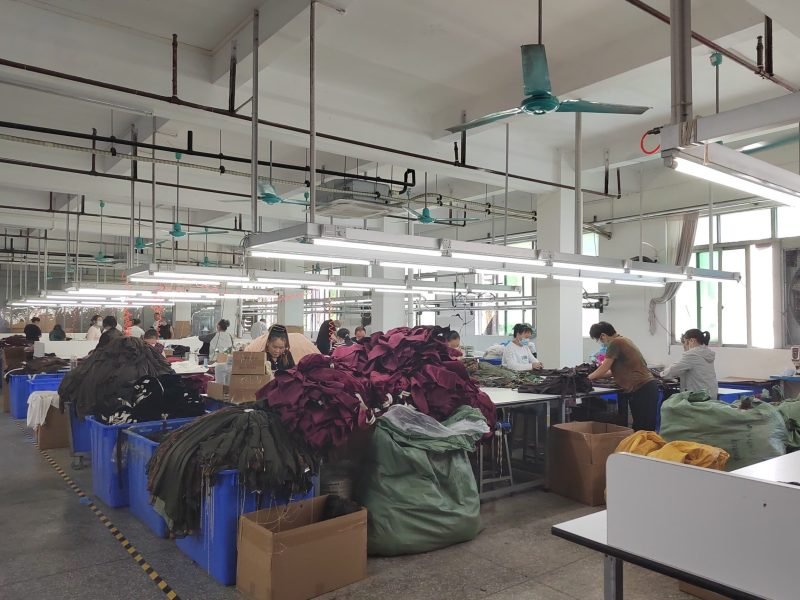
Quality problems become expensive when they are discovered after thousands of pieces have already passed the same operation. A controlled system therefore checks risk at the point where a decision can still be corrected. XZ Apparel’s documented quality flow is Fabric Inspection -> Pre-Production Meeting -> Cutting Inspection -> Inline QC -> Measurement Inspection -> 100% Finishing Inspection -> Final Inspection -> Packing Inspection. Each gate has a different purpose. Fabric inspection protects against shade, width, weight, visible defects, or other material issues before cutting. Pre-production review aligns teams on the approved standard. Cutting inspection checks panels before assembly. Inline QC catches workmanship and construction drift while operators can still correct the process. Measurement inspection checks whether garment dimensions remain within the agreed method and tolerance.
Specialist processes should join the same control logic. A processed panel returning from embroidery or printing should not bypass review simply because a process sample was approved earlier. Bulk variation, placement, damage, shade, distortion, or contamination can still appear. Incoming process checks should focus on the attributes that affect assembly and final appearance, then route problems back to the responsible specialist before the issue becomes embedded in finished garments. A clear handoff therefore protects both technical accuracy and schedule visibility, because unresolved issues remain visible before they affect larger quantities in bulk.
Use Final Inspection As Verification, Not A Late Rescue

Final inspection should verify that the production system held the approved standard; it should not be the first time quality is evaluated. XZ Apparel can perform final inspection according to AQL 2.5, AQL 4.0, a defined brand standard, or a 100% final inspection arrangement where agreed for a specific project. AQL is a sampling acceptance framework, so it should not be described as every garment being inspected under AQL. XZ Apparel’s 100% finishing inspection is a separate production-control step that occurs before final acceptance.
The final review can combine workmanship, measurements, appearance, function, labeling, packing, and project-specific criteria. If an issue appears, the decision should be based on defect type, frequency, risk, rework feasibility, and the agreed acceptance rule rather than a vague ‘strict QC’ statement. For large multi-style programs, consistent records also matter because recurring defects can be traced back to fabric, line, process, or supplier conditions. Controlled quality therefore depends on clear checkpoints, defined acceptance references, and corrective action ownership across the whole route – not on one inspection at the end. The principle is especially important when several materials or processes interact, since one unreviewed change can alter fit, appearance, construction, and timing at once. Recorded ownership also supports faster escalation: the team knows which function must review the issue and which downstream operations should wait for a decision.
A Multi-Style Collection Shows Why Central Control Matters
Collection programs combine different fabrics, fits, trims, processes, and production routes. Central coordination prevents each style from becoming an isolated project with its own standards and timing.
Representative Collection Structure: 18 Styles And 42,600 Pieces
Consider an anonymized representative program built around the order structures commonly handled for established fashion labels. The assortment contains 18 styles and 42,600 total pieces: 7 dresses totaling 16,800 pieces, 4 tops totaling 8,600 pieces, 3 skirts totaling 6,400 pieces, 2 coordinated sets totaling 5,800 pieces, and 2 bodysuits totaling 5,000 pieces. Individual styles may carry several colors and a mixed size range, while materials vary between stretch jersey, mesh, satin, lining, elastic, lace, and selected decorative treatments. The figures illustrate a realistic collection structure; they are not presented as a named-client disclosure.
A fragmented route would ask separate suppliers to interpret fit, material, decoration, and delivery logic independently. A centralized route starts by grouping shared decisions. Similar fitted styles can use a coherent fit block and measurement language. Repeated colors can be checked across fabric families. Common trims can be consolidated where technically suitable. Artwork and embellishment approvals can follow one file-control method. Sample comments and PPS approvals can be scheduled by risk rather than by whichever supplier responds first. Production allocation can then reflect actual capability: core cut-and-sew styles stay in the in-house garment system, while selected specialist processes move through controlled partner handoffs. The principle is especially important when several materials or processes interact, since one unreviewed change can alter fit, appearance, construction, and timing at once.

What Central Coordination Prevents Across A Collection Release
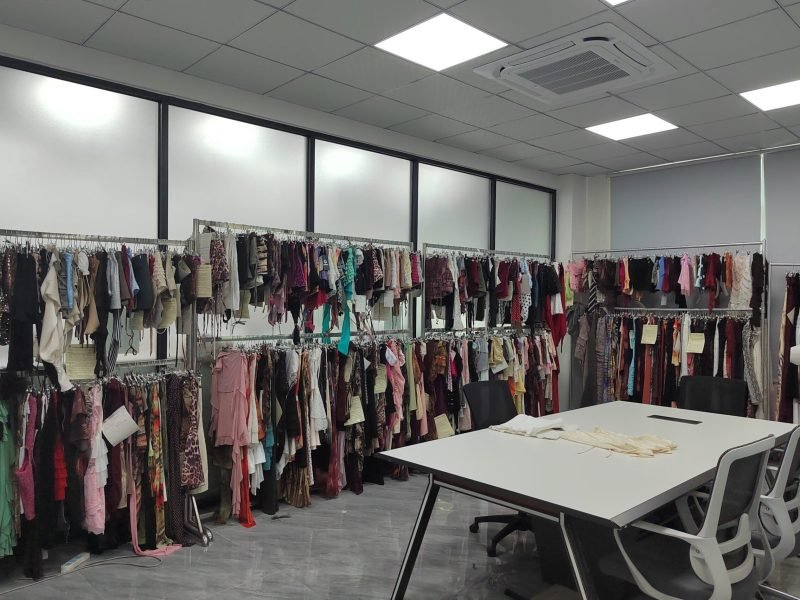
Collection control matters because one late or incorrect decision can affect several styles at once. A shade mismatch across satin and mesh can break the color story. An elastic change can alter fit in multiple bodycon pieces. A revised neckline can move embroidery placement. A late lining substitution can change opacity, hand feel, and measurements. Packaging or label changes can also create rework if they reach some styles earlier than others. Central coordination gives those changes one place to be reviewed before they spread.
For sourcing and merchandising teams, the operational benefit is visibility. Styles can be grouped by development status, material readiness, specialist-process approval, PPS status, and bulk readiness. Problems become exceptions to manage rather than surprises hidden inside separate supplier conversations. The same structure also supports reorders because approved standards, material routes, process references, and known deviations remain connected to each SKU. Multi-style programs do not become easy simply because one supplier is involved; they become more manageable when one system owns the cross-style decisions and uses specialist resources without losing accountability. Recorded ownership also supports faster escalation: the team knows which function must review the issue and which downstream operations should wait for a decision. The result is a production route where specialist depth can be used without allowing product knowledge to fragment between separate companies or departments.
Eight Questions To Ask Before Approving A Manufacturing Partner
Who Owns Development?
Ask who turns a reference, sketch, Tech Pack, physical sample, or size chart into a controlled development brief.
The answer should identify who closes missing information, who coordinates pattern and material decisions, and who has authority to release the style to the next stage.
A vague ‘merchandising team handles it’ answer is not enough.
How Are Versions Controlled?
Ask how pattern revisions, fit comments, BOM changes, artwork updates, and approved samples are identified. Strong control means an old file cannot quietly re-enter production after a newer version is approved.
The team should be able to explain how production, specialist partners, and QC know which version is current. A defined approval point turns the issue into a manageable production decision instead of a late-stage dispute between separate suppliers.
Who Owns Fit?
Ask whether fit remains with one pattern and sample team or is recreated by different factories. Review how POMs, ease, support, fabric behavior, tolerance, and size grading are approved.
The answer matters most for fitted, structured, stretch, swim, and coordinated products where small interpretation differences become visible quickly. The strongest control is simple enough for production teams to follow and specific enough for quality teams to verify consistently.
How Are Materials Approved?
Ask how fabric and trim options are compared, tested, approved, and replaced. A credible system should distinguish original approval from bulk lot control and should explain what happens when the preferred supplier cannot deliver.
Material substitutions should trigger review of affected fit, construction, color, performance, cost, and timing decisions. Link the decision to the approved sample, specification, or process record so responsibility remains clear after the style moves downstream.
How Are Partners Approved?
Ask which processes use specialist partners, what information leaves the development center, what sample is approved before bulk, and what inspection happens when the output returns.
Transparent ownership is stronger than an all-in-house claim when the factory can explain partner scope, approval gates, corrective action, and final garment responsibility. Keep the approved reference attached to the current product version so later teams can verify the decision before work continues.
Who Freezes PPS?
Ask what PPS approval actually locks. The answer should go beyond ‘one approved garment’ and include the documents, material references, measurements, artwork, workmanship, finish, and packaging information that production needs.
A PPS without linked specifications leaves too much room for interpretation during bulk.
The control should be visible in the production record, not dependent on one person’s memory or an informal message thread.
How Are Failures Escalated?
Ask what happens when a fabric lot, print, embroidery, fit sample, inline inspection, or final check fails.A mature system should identify who can stop release, who investigates the root cause, which evidence is reviewed, and whether rework, replacement, new sampling, or brand approval is required before production continues.
When a change affects another function, route it back to the relevant owner before bulk work continues under a new assumption.
How Are Reorders Protected?
Ask how the factory checks material, trim, pattern, process, packaging, and production-route changes before repeating a style.
Reorder control should compare current conditions with the approved run rather than assuming the old PO can simply be copied.
Change records are a strong sign that product knowledge survives beyond one season.
Match Each Sourcing Risk To A Visible Control Mechanism
A credible supply chain should show the specific control used against each risk. General promises about quality or communication are weaker than visible references, gates, and ownership.
Wrong Fabric Version
Risk appears when a supplier books a fabric that matches composition or color but not the approved behavior. Control should include an approved material reference plus relevant specification points such as weight, stretch, recovery, width, shade, surface, opacity, or shrinkage. Any replacement should return through material review before cutting.
Control evidence: approved swatch or lot reference, specification, incoming inspection, substitution approval. A defined approval point turns the issue into a manageable production decision instead of a late-stage dispute between separate suppliers.
Fit Drift
Risk appears when pattern changes, material changes, or local factory interpretation moves away from the approved silhouette.
Control should keep POM method, pattern version, fit comments, sample reference, and critical size logic together. When a specialist process changes stiffness, weight, or stretch, fit should be rechecked before bulk.
Control evidence: approved sample, POM sheet, pattern version, revision record. The strongest control is simple enough for production teams to follow and specific enough for quality teams to verify consistently.
Artwork Placement Error
Risk appears when artwork scale, orientation, repeat, color, or placement is interpreted differently by a specialist process team.
Control should connect the approved artwork to pattern pieces, final dimensions, base material, placement coordinates, and an approved strike-off or process sample.
Control evidence: versioned artwork, placement diagram, strike-off, approved process sample.
Link the decision to the approved sample, specification, or process record so responsibility remains clear after the style moves downstream.
Unapproved Trim Change
Risk appears when a visually similar elastic, zipper, cup, button, lace, or lining is substituted without considering function. Control should identify critical properties and require approval when a replacement could affect fit, support, sewing sequence, appearance, durability, or packing.
Control evidence: trim card, functional specification, approved alternative, change record. Keep the approved reference attached to the current product version so later teams can verify the decision before work continues. The control should be visible in the production record, not dependent on one person’s memory or an informal message thread.
Specialist Process Variation
Risk appears when bulk output from embroidery, printing, or another specialist step varies from the approved sample.
Control should define incoming checks before processed materials enter sewing or finishing, then isolate and escalate nonconforming output before variation spreads through finished garments.
Control evidence: approved process sample, incoming check criteria, rejection record, corrective action.
The control should be visible in the production record, not dependent on one person’s memory or an informal message thread.
Reorder Drift
Risk appears when a style is repeated after suppliers, material lots, operators, trims, packaging, or production routes have changed.
Control should compare the new conditions with the last approved production standard and identify which changes require new sampling, testing, fit review, or approval.
Control evidence: retained PPS reference, BOM and pattern version, material change log, reorder review.
When a change affects another function, route it back to the relevant owner before bulk work continues under a new assumption.
How XZ Apparel Organizes Development, Production, And Specialist Support
XZ Apparel combines a centralized development platform, scaled core garment production, in-house production control, and transparent long-term specialist support for processes outside core ownership.
Central Development Capacity Keeps Decisions Close To Product Teams
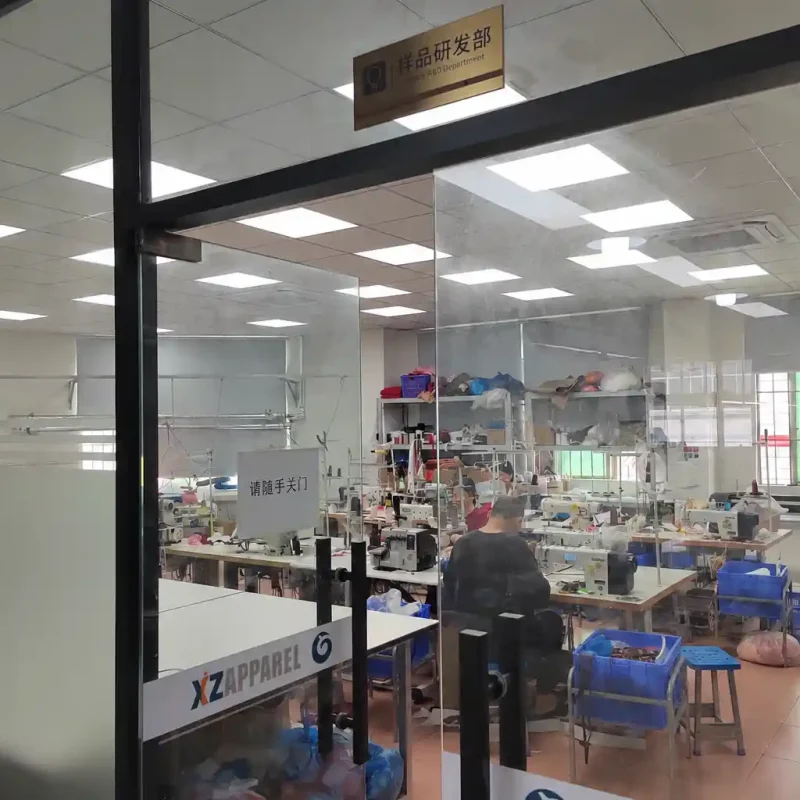
XZ Apparel’s development system is built around 6 sample rooms, 48 pattern makers, and 60 sample makers. Current output is approximately 45-60 samples per day and 1,500-2,000 per month, depending on style complexity and material readiness. Those figures matter because multi-style programs create parallel decision paths: one style may need fit correction, another a fabric replacement, another an embroidery strike-off, and another PPS approval. Keeping pattern, sample, sourcing, merchandising, and technical review close together reduces the number of uncontrolled handoffs before production begins.
Development can start from a Tech Pack, reference image, sketch, physical garment, concept, or size chart. The route is then shaped around missing information rather than forcing every project into the same document requirement. Pattern and sample teams translate the input into fit, measurement, construction, and manufacturability decisions. Fabric and trim sourcing connect material options back to those decisions. Specialist processes are introduced only when the product requires them, with ownership and approval kept visible. The aim is not maximum sampling volume. The aim is enough development capacity to review multiple SKUs without losing the record of what was approved. When the same approved reference is used for development, production, QC, and reorder review, consistency becomes easier to manage across seasons and production routes.
Core Production Scale Supports Recurring Multi-Style Programs
Core garment manufacturing is organized across 8 sewing workshops, approximately 80 sewing lines, and about 640 Brother sewing machines. Cutting support includes 2 automatic spreaders, 2 automatic cutters, and manual cutting for development or materials that are not suitable for automatic handling. Normal finished output is approximately 180,000-200,000 pieces per month, with capacity up to about 220,000 pieces depending on product mix. Those numbers describe the manufacturing platform, not a guaranteed allocation for every order. Line loading, fabric, construction, special processes, and delivery windows still determine a program-specific plan.
The operating model deliberately separates core ownership from specialist support. Dresses, tops, bottoms, swimwear, and sets sit within the proven core category base. Sweatwear, activewear, and fashion shapewear are established capabilities. Knitwear, embroidery, certain printing, and selected specialty processes can be managed through long-term specialist partners where appropriate. Final claims should stay tied to actual ownership. XZ Apparel does not need to call every specialist machine ‘in-house’ to keep the program controlled; development standards, partner handoffs, production coordination, QC, final inspection, and packing remain connected to the same manufacturing system. That discipline is more valuable than a broad capability claim because it shows how the product standard is protected when real production conditions begin to change.

Commercial Planning Should Reflect Product And Process Complexity Early
MOQ, material booking, specialist processing, approvals, and production timing should be reviewed together. Early visibility prevents a technically approved style from becoming commercially unworkable later.

Garment MOQ
XZ Apparel’s standard garment MOQ is 200 pieces per style per color, subject to fabric, trim, process, and supplier conditions.
Size quantities can be planned within the same style and color where the product and order structure allow.
A style should be reviewed against its real material and process route before the quantity is treated as confirmed.

Material Thresholds
Fabric mills and trim suppliers may have booking, dyeing, color, packaging, or custom-development minimums that sit above the garment MOQ.
A custom lace, plated trim, specific elastic, engineered print, or specialty fabric can therefore change feasibility.
Material thresholds should be checked while the style is still in development, not after PPS.

Specialist Process Thresholds
Embroidery, printing, knitwear, embellishment, or other specialist operations may have setup economics, sample charges, tooling, color limits, or production minimums. Those thresholds do not redefine the factory’s standard garment MOQ; they are project conditions that need to be mapped into style, color, and quantity planning before quotation is finalized. The control should be visible in the production record, not dependent on one person’s memory or an informal message thread.

Bulk Lead Time
A normal bulk planning baseline is about 25-35 working days after fabric and trims are ready, PPS is approved, and production details are confirmed.
Complex processes, material delays, additional approvals, capacity loading, or third-party requirements can move the schedule. Delivery planning should therefore start from readiness gates rather than a single calendar promise.

Collection Allocation
Multi-style orders should be planned by shared material, process, fit risk, and production route rather than treating every SKU as isolated.
Styles using the same base fabric, color story, trim family, or specialist process can often be coordinated more efficiently, while high-risk styles may need earlier sampling or separate production gates.

Reorder Impact
A reorder may look commercially simple but still needs a change check. New fabric lots, trim substitutions, packaging updates, artwork revisions, or production-route changes can affect cost, MOQ, timing, or quality. Confirming those changes early protects both the repeat standard and the launch calendar. For recurring programs, preserve the same reference and record any exception so a reorder does not silently become a different product.
Frequently Asked Questions About Controlled Apparel Supply Chains
No. Centralized development means key product decisions, approvals, versions, and production standards remain under one accountable system. Specialist processes can be performed by qualified partners when the execution scope, approval sample, handoff, incoming checks, corrective action, and final garment responsibility are clearly defined.
No. Uncontrolled outsourcing is the risk. A long-term specialist partner can add better equipment or process expertise than a general factory. The important questions are who defines the input, who approves the process sample, how bulk output is checked, and who owns corrective action and final quality.
The answer depends on the product. XZ Apparel transparently manages knitwear, embroidery, certain printing, and selected specialty processes through long-term specialist partners where appropriate. Third-party laboratories or inspection providers are kept separate from manufacturing partners because their role is independent verification, not production.
Approval should return to the development and product-control route that owns the garment standard. The specialist can produce the strike-off, embroidery sample, print sample, or process trial, but scale, placement, color, hand feel, distortion, compatibility, and final acceptance should be checked against the approved product requirement.
PPS freezes the production-ready combination of fabric, trims, pattern, measurements, construction, artwork, workmanship, finish, and packing. Internal sewing lines and specialist resources then work from the same approved state. Any change after PPS should be visible and reviewed before it enters bulk.
Yes. A style can meet the standard garment MOQ while a custom fabric, trim, embroidery, print, knit, embellishment, or other specialist process carries a higher booking threshold or setup requirement. Quantity, color structure, material route, and process complexity should therefore be reviewed together before quotation is treated as final.
A replacement should be compared with the approved material on the properties that matter to the garment, such as weight, stretch, recovery, drape, opacity, shade, width, shrinkage, surface, or hand feel. Fit, construction, testing, cost, and timing should be rechecked when the change affects them.
Shared decisions are managed across styles: color language, fit blocks, fabric families, trims, artwork methods, approval gates, PPS status, production readiness, and delivery priorities. Individual styles can use different manufacturing or specialist routes while remaining connected to one collection-level control system.
Reorders should compare the new production conditions with the last approved run. Pattern version, material lot, trims, artwork, process route, packaging, and quality points should be checked for changes. Any material difference that can affect the product should trigger the relevant approval before bulk restarts.
Share the product categories, style count, approximate quantity by style and color, target market, size range, launch window, and any available Tech Packs, sketches, reference images, size charts, material notes, or existing sample photos. Special processes should be identified early so feasibility and handoff needs can be reviewed together.
Bring Your Collection Into One Controlled Development Flow
Bring the assortment, not just one isolated style. XZ Apparel can review how a women’s collection should move through centralized development, core in-house garment manufacturing, specialist-process support, PPS approval, quality control, and delivery planning. A useful first review does not require every detail to be final, but it does need enough information to identify product risk, material dependencies, specialist handoffs, commercial constraints, and the next approval step. Share what is already available and mark what is still open. The development team can then separate confirmed inputs from decisions that need sampling, sourcing, fit work, process trials, or external verification.
Please include:
- Product categories and style count
- Quantity by style and color
- Target market and launch window
- Size range and fit direction
- Fabric, trim, print, embroidery, or embellishment notes
- Tech Packs, sketches, reference images, size charts, or existing sample photos where available