Skip to content

Women's Apparel Supplier Onboarding and Approval Process
A clear approval route for fashion brands that need to qualify a women’s apparel supplier before committing seasonal programs, repeat orders, or multi-SKU production.
- Supplier qualification starts with verified manufacturing scope, product maturity, development ownership, quality controls, and project fit – not a presentation deck alone.
- XZ Apparel operates 6 sample rooms with 48 pattern makers and 60 sample makers, creating a strong base for technical review, revision, and PPS preparation.
- Quality control follows Fabric Inspection -> PPM -> Cutting -> Inline -> Measurement -> 100% Finishing -> Final -> Packing, giving each approval stage a defined production reference.
- Standard garment MOQ is 200 pcs per style per color, subject to fabric, trim, process, and supplier requirements that may raise the project threshold.


Qualification, Approval and Onboarding Are Different Decisions
Supplier Qualification
Qualification answers whether a factory deserves to remain on the sourcing shortlist. Review the legal and manufacturing entity, relevant women’s apparel categories, development capability, production ownership, capacity range, quality controls, compliance scope, commercial fit, and available evidence.
The output should be a clear decision: continue technical review, request missing proof, or stop the evaluation before sample and sourcing resources are committed.
Supplier Approval
Approval confirms whether defined gates have been passed for the intended program. A factory may be commercially suitable but still require sample, material, compliance, or quality closure.
Approval should therefore be conditional on agreed evidence rather than reputation alone. Useful outputs include category approved, technical approved, compliance approved, commercially approved, conditionally approved, hold for correction, or not approved for the proposed program.
Supplier Onboarding
Onboarding begins after the relevant qualification gates are sufficiently closed. Responsibilities, approved product standards, communication routes, document ownership, purchase-order procedures, quality requirements, packaging instructions, logistics terms, change controls, and escalation paths are aligned so the supplier can operate inside the brand’s production system. The objective is not simply adding a vendor record; it is making an approved supplier ready to execute without losing the decisions made during qualification.
Six Stages Move a Supplier Toward Production Approval
Pre-Qualification Review
Factory Capability Approval
Technical Product Approval
Quality Compliance Approval
Review the quality management route, inspection gates, testing capability, traceability needs, audit status, certification scope, material documentation, third-party requirements, and corrective-action expectations.
Approval depends on the target market and product, so factory controls, supplier documents, and formal external reports must remain clearly separated. Any gap should have a named owner, required evidence, and closure condition.
Commercial Operational Approval
First PO Validation
Release production only after the approved product standard, materials, PPS, packaging, quality requirements, and production details are aligned.
The first order then becomes a controlled validation of communication, version discipline, bulk consistency, inspection response, delivery execution, and change management before larger repeat programs are expanded.
Record the outcome so future orders start from verified standards rather than memory.
Women's Apparel Supplier Approval Gate Matrix
Use one approval structure across sourcing, product development, technical, QA, compliance, and operations. The required evidence can change by product, market, risk level, and program scale.
| Approval Gate | What the Brand Reviews | Evidence Needed | Approval Output |
|---|---|---|---|
| Entity & Factory | Manufacturing identity, location, ownership, operating scope | Company/factory records, current site evidence, responsible contacts | Qualified / Clarify / Stop |
| Category Capability | Women’s apparel product maturity, construction range, development resources | Relevant samples, production evidence, capability scope | Category Approved / Conditional |
| Technical Development | Tech pack, reference, POM, fit, fabric, trim, construction, artwork | Clarification list, pattern/sample records, material and process references | Technical Route Approved |
| Sample & PPS | Fit, measurements, material behavior, construction, appearance, packaging standard | Approved samples, comments, size records, PPS reference | Sample/PPS Approved |
| Quality | Incoming control, inline checks, measurement, finishing, final inspection, defect response | QC flow, inspection records, test records where applicable | Quality Approved / Correct / Retest |
| Compliance | Audit scope, factory documents, supplier material documents, target-market requirements | Current documents with entity, scope, status, and date | Compliance Approved / Pending |
| Commercial | MOQ, quantity mix, capacity, lead-time assumptions, quotation basis, terms | Program review, quote assumptions, capacity and timeline confirmation | Commercially Approved |
| Production Readiness | Approved inputs, material readiness, production details, packing, handoff | PPS, approved specs, production plan, QC requirements | PO Ready / Hold |
Verify the Supplier Behind the Production Claim
A strong approval process separates brand-level claims from the facility and process that will actually execute the order. Ownership transparency is a control tool, not a marketing detail.

Confirm the Manufacturing Entity and Operating Scope
A supplier review should identify the actual manufacturing operation before detailed product approval begins. Confirm the factory location, operating footprint, production organization, development resources, and the teams responsible for pattern, sampling, material coordination, sewing, quality, finishing, and packing. Group-level scale can be useful context, but approval needs to follow the entity and facility connected to the proposed program.
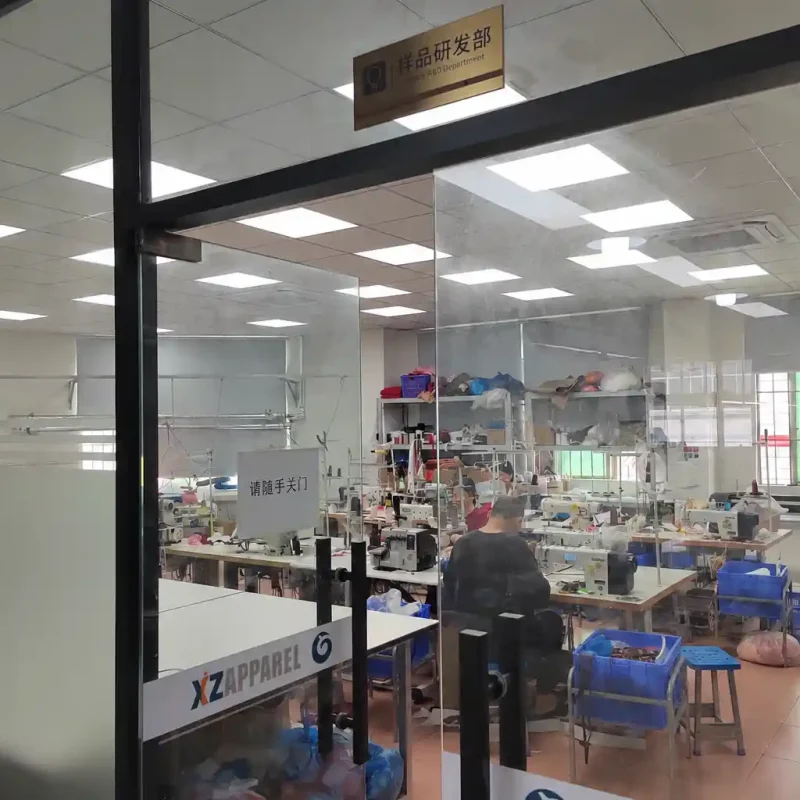
For XZ Apparel, the manufacturing operation is based in Humen, Dongguan, with three production buildings covering approximately 20,000 square metres and a workforce of about 1,120 people. Development is supported by six sample rooms, 48 pattern makers, and 60 sample makers. These facts matter because supplier approval is not only about monthly output. A sourcing team needs enough pattern and sample capacity to handle revisions, enough production organization to coordinate multiple styles, and enough quality ownership to keep approved standards visible as the project moves into bulk.
During qualification, request evidence that matches the claim being reviewed. A factory photograph can support site reality; a sample-room walkthrough can support development capability; inspection records can support a quality-control claim. One asset should never be stretched to prove a broader conclusion than it can support. Keep a simple evidence index showing which claim each document, photo, sample, or record is intended to validate.
Map In-House Work and Specialist Partner Processes
Supplier approval becomes weaker when every capability is described as in-house. Women’s apparel collections often combine core garment production with processes that need specialist equipment, materials, or technical experience. The stronger approach is to define who owns each stage, how approval is transferred, and who remains accountable for the finished garment.
XZ Apparel’s manufacturing logic is Centralized Product Development + Core In-House Manufacturing + Controlled Specialist Supply Chain. Dresses, tops, bottoms, swimwear, and sets sit within the proven core category base. Sweatwear, activewear, and shapewear are established capabilities. Knitwear, embroidery, selected printing, and certain specialist treatments may be managed through long-term specialist partners. Selected outerwear remains a development/expansion area and should be reviewed project by project.
For approval purposes, the important question is not whether every process sits under one roof. The important questions are whether ownership is visible, whether technical standards are passed correctly, whether strike-offs or process samples are approved where required, whether partner output is checked against the garment standard, and whether changes are controlled before bulk. Clear ownership reduces the risk of undocumented subcontracting, inconsistent standards, and compliance claims being assigned to the wrong entity. It also gives the sourcing team a clear escalation route when a specialist process changes after approval.

Approve Capability by Women's Apparel Category
Dresses

Tops

Top programs may involve fitted jersey, woven blouses, corset-inspired structures, mesh, lace, stretch fabrics, or fashion detailing. Approval should review neckline stability, armhole and bust fit, transparency, closure choice, seam behavior, and repeatability across colors. The development route needs to match both fabric behavior and the intended silhouette.
Material substitutions, neckline changes, and support details should trigger review before they become unrecorded bulk adjustments across colors, sizes, or repeat orders.
Bottoms
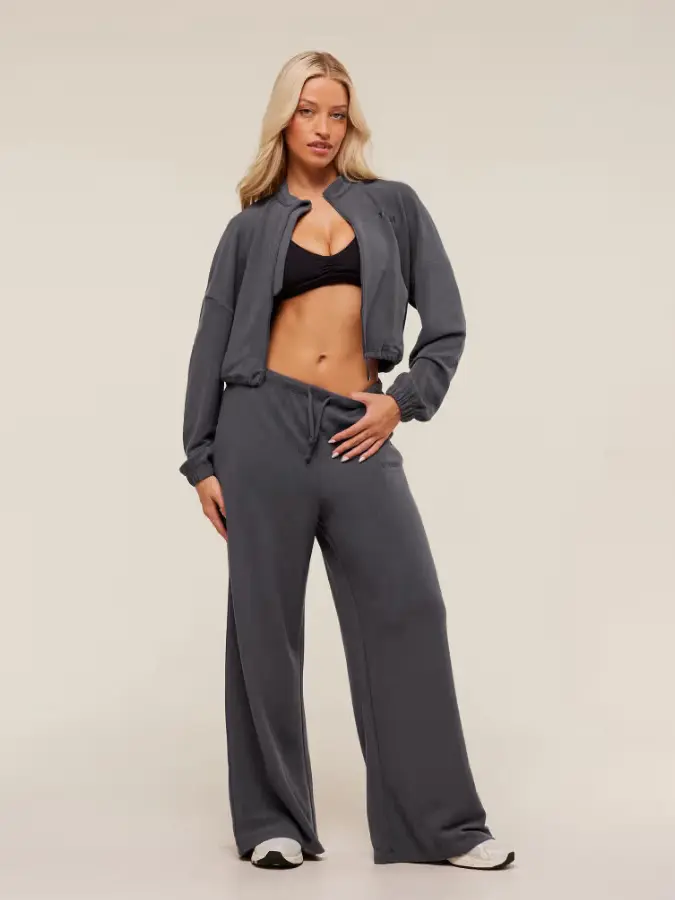
Bottom approval should focus on waist and hip fit, rise, crotch balance, pocket placement, closure performance, fabric stability, hem behavior, and grading. Wide-leg, fitted, stretch, and tailored fashion bottoms require different pattern and material controls.
A technically approved base size should not be assumed to guarantee the full size range without review. Higher-risk programs should include size-set or graded-measurement checks before the final production standard is frozen and released to cutting.
Swimwear

Swimwear qualification needs stronger attention to stretch direction, recovery, opacity, lining, elastic application, support, seam stretch, fit under tension, and wash or water-related material behavior. XZ Apparel classifies swimwear as a proven core category, making fit, material, lining, elastic, and testing evidence central to approval rather than optional detail.
Confirm that the approved sample uses representative materials, lining, and elastic settings before bulk release and later replenishment across approved colors.
Coordinated Sets

Sets create cross-SKU approval risks that single garments do not. Confirm color consistency, shared fabric lots, trim standards, proportion between pieces, size coordination, and packaging identity.
A top and bottom can each pass separately while the set still fails visually or operationally if shade, fit, trim, or version control is inconsistent. Approval records should keep paired pieces linked so changes to one component trigger a review of the complete set.
Capability Boundaries

Technical Readiness Starts Before the First Sample
Sampling works best when missing information is exposed before pattern and material decisions are locked. Strong onboarding converts creative inputs into a reviewable development brief.

Build a Development Brief From Real Inputs
A sourcing team may start with a complete tech pack, reference image, sketch, physical sample, size chart, or a combination of these inputs. Each starting point carries different unknowns. A detailed tech pack can still leave fabric behavior, trim availability, tolerance logic, artwork execution, or construction sequences unclear. A reference image may communicate silhouette well but say very little about internal construction, support, seam type, fabric weight, or fit intent.
The first technical approval step should therefore be a structured input review. For each style, identify product category, target fit, key POMs, size range, fabric family, GSM or weight where relevant, stretch and recovery needs, lining, closure, trims, artwork, embellishment, finishing, packaging considerations, and target market. Missing items should be turned into a clarification list rather than silently assumed.
XZ Apparel’s pattern and sample organization supports this stage with 48 pattern makers and 60 sample makers across six sample rooms. That capacity becomes useful only when the development team receives a clear decision target. The goal of the first review is not to start sewing immediately. It is to decide which specifications are fixed, which need confirmation, and which can only be validated through a sample. A concise review record should show the owner, due date, and evidence required for every open item.
Convert Design Intent Into Measurable Approval Points
Creative language must become measurable production language before a supplier can be technically approved. Terms such as fitted, sculpted, draped, relaxed, supportive, sheer, soft, structured, or fluid are useful design directions, but production needs corresponding dimensions, materials, construction choices, and approval references.
A fitted stretch dress, for example, requires more than a bust-waist-hip chart. Pattern balance, negative ease, stretch direction, recovery, lining behavior, neckline stability, zipper or closure choice, support structure, and hem response all influence the final silhouette. A lightweight blouse may require a different approval focus: drape, opacity, seam puckering, neckline shape, sleeve balance, placket stability, and wash response.
Technical onboarding should produce a list of approval points for each style. Typical outputs include a confirmed development route, key POMs, material target, construction notes, risk items, sample objectives, and responsibilities for unanswered questions. When a point cannot be confirmed from documents alone, it should become a sample gate. This prevents visual references from being treated as complete specifications and helps the brand compare suppliers on technical interpretation rather than speed of quotation alone. It also creates a repeatable baseline for later fit comments, cost review, PPS approval, and internal handoff between product, sourcing, and quality teams across the full approval cycle.

Sample, Fit and PPS Gates Close Different Risks
A sample is not simply a smaller version of bulk production. Each stage should close defined fit, material, construction, size, and production questions before approval moves forward.
First Sample: Validate Direction Before Refinement
The first sample should prove whether the proposed interpretation is moving in the right direction. Review silhouette, proportion, pattern balance, major POMs, fabric behavior, construction sequence, lining or support, closure function, placement of trims or artwork, and the overall appearance against the reference or tech pack. A first sample that looks attractive can still be technically unsuitable if key specifications are missing or construction cannot be repeated consistently.
XZ Apparel typically completes normal samples in 3-5 working days and more complex samples in about 5-7 working days, subject to material availability, construction complexity, and the readiness of project inputs. These timings should be treated as planning ranges rather than automatic approval deadlines. A fast first sample has limited value if the review comments are vague or if the material used is not representative of the intended bulk route.
Approval output at this stage should identify what is accepted, what must change, and what remains open. Comments should separate pattern corrections, measurement changes, material substitutions, construction corrections, trim changes, and appearance adjustments. When comments are translated into clear actions, the next revision becomes a controlled experiment rather than another interpretation of the same brief. Keep the approved and rejected points visible so old comments are not accidentally reintroduced.
Fit and Size Review: Turn Comments Into Controlled Revisions
Fit approval requires more than measuring a garment against a table. Static measurements, body shape, ease, stretch, recovery, garment length, support, construction, and intended wearing behavior all affect fit. A brand should therefore define the size chart, fit intent, key POMs, tolerance method, fit model or body reference where applicable, and the areas where proportion is more important than a single measurement.
Revision control is essential. Each fit round should record the pattern version, POM changes, material used, unresolved risks, and whether the next sample is intended to recheck fit, construction, size grading, or another specific point. XZ Apparel’s normal revision timing is typically around 2-3 working days once comments and required materials are ready, but the number of rounds depends on the style rather than a fixed target.
For size-sensitive categories such as bodycon dresses, swimwear, activewear, shapewear, corset-inspired fashion, jumpsuits, and fitted bottoms, a base-size approval may not be enough. Graded sizes can expose balance, rise, torso, support, strap, or compression issues that do not appear in the fit size. The approval plan should match the risk of the product rather than following the same sample sequence for every style. A risk-based route saves time by concentrating extra samples and size checks where they materially change the production decision.


PPS: Freeze the Reference for Bulk Production
Pre-production sample approval is the point where development decisions need to become a stable bulk reference. Before PPS is released, confirm the intended fabric and trims, color, pattern version, measurements, construction, artwork or placement, finishing, labels, packaging details, and any agreed deviations. A PPS should not carry unresolved changes into bulk with the expectation that the production line will interpret them later.
XZ Apparel’s PPS timing is typically around 4-5 working days once the relevant materials, comments, and specifications are ready. The approval output should be explicit: approved for bulk, approved with listed conditions that must be closed before cutting, or held for correction. Where a customer uses different terminology for PP Sample or PPS, the functional definition matters more than the name – the final sample must be identified as the bulk approval gate.
A controlled PPS also supports quality and traceability. Inline measurement, appearance checks, finishing inspection, final inspection, and repeat-order comparison all become stronger when teams can refer back to a frozen product standard. Without an approved reference, quality control risks becoming subjective because production staff and inspectors are trying to judge against different versions of the same style. The PPS record should therefore remain accessible to production, finishing, packing, and inspection teams throughout the order.
Material, Trim and Process Approval Needs Version Control
A supplier can pass factory qualification while a specific fabric, trim, color, or specialist process remains unapproved. Each component needs a defined standard before bulk commitment.

Approve Fabric by Behavior, Not Fiber Name Alone
Fabric approval should connect material specifications to the intended garment behavior. Fiber content alone does not tell a sourcing team how a fabric will drape, stretch, recover, shrink, show opacity, accept a print, hold a structured seam, or perform after washing. Relevant review points can include construction, weight or GSM, handfeel, stretch direction and percentage, recovery, drape, surface, opacity, shrinkage, colorfastness, pilling, dimensional stability, and compatibility with the intended finish.
XZ Apparel works with more than 30 regularly used fabric suppliers, including a smaller core group, and uses sourcing routes across Humen/Dongguan and the Guangzhou Zhongda ecosystem. The value of this network is not the supplier count alone. It creates alternative sourcing paths when a target fabric, color, finish, lead time, or minimum requirement does not fit the first option.
Approval should bind the material decision to the style and version. A swatch may be suitable for visual selection but insufficient for fit approval. A substitute fabric with similar composition can still change garment balance, stretch, drape, opacity, shrinkage, or sewing behavior. Material changes after sample approval should therefore trigger a defined review rather than being treated as purchasing substitutions. For fit-sensitive styles, even a close substitute should be checked against the approved sample before bulk cutting is released.
Control Trims, Closures and Support Components
Trims often create approval delays because they combine function, appearance, sourcing minimums, color matching, and lead time. Zippers, buttons, hooks, elastic, cups, underwire, boning, labels, tapes, drawcords, hardware, and decorative components need specifications that match both the garment design and production route.
For a corset-inspired dress, a visually similar boning or cup may change support, comfort, seam allowance, lining construction, and fit. For swimwear, elastic width, recovery, application tension, and lining can affect both fit and durability. For coordinated sets, a zipper pull, button finish, label, or elastic shade can create an obvious inconsistency across related SKUs even when each garment is technically acceptable alone.
A strong approval record should state the component specification, color or finish, approved supplier or equivalent route when relevant, placement, size, functional requirement, and the sample or document that confirms acceptance. If a custom trim carries a higher supplier minimum or longer lead time, the commercial impact should be identified before final quotation and production scheduling are approved. Record approved alternatives in advance only when function, appearance, and quality expectations are genuinely equivalent. For critical components, keep the approved sample or specification reference attached to the style record so purchasing changes remain visible throughout later production decisions.


Approve Specialist Processes With Clear Ownership
Embroidery, selected printing, special surface treatments, hand-applied decoration, pleating, and other fashion processes may involve long-term specialist partners rather than the core sewing facility. Approval needs to show who performs the process, who coordinates development, what sample or strike-off is required, what material compatibility must be checked, and where final quality responsibility sits.
XZ Apparel’s controlled specialist model keeps product development, standards, coordination, and garment-level quality connected while using specialist capability where appropriate. That model should be evaluated on transparency and control rather than described as all in-house. For process-heavy styles, the approval sequence may include artwork review, placement confirmation, color or finish approval, strike-off or process sample, garment sample, wash or adhesion checks where relevant, and bulk inspection points.
A process sample that passes on one fabric cannot automatically prove performance on another construction or stretch level. Material compatibility, seam distortion, heat exposure, wash resistance, handfeel, and appearance can change with the base fabric. Approval therefore belongs to the combination of product, material, process, and version – not to the process name alone. Reapproval should be considered whenever the substrate, artwork, placement, supplier, or process setting changes materially. The same rule applies when a process moves between facilities or partners, because equipment, handling, and finishing conditions can change the result.
Quality Approval Must Prove Bulk Repeatability
Quality approval is strongest when the standard, inspection stage, decision rule, and corrective path are visible. Final inspection alone cannot protect an unclear or changing product standard.

Start With Approved Inputs Before Inspecting Output
Quality control needs an approved reference. Before bulk production, the relevant teams should know which pattern version, material specification, trim version, measurements, construction details, artwork, finishing standard, labels, and packing requirements are approved. Without these inputs, inspectors may identify visible defects but cannot reliably distinguish a defect from an undocumented design change.
XZ Apparel’s production quality route follows Fabric Inspection -> PPM -> Cutting Inspection -> Inline QC -> Measurement -> 100% Finishing Inspection -> Final Inspection -> Packing Inspection. Each stage catches a different class of risk. Fabric inspection addresses incoming material issues before cutting. PPM aligns production details. Cutting checks protect panel identity and dimensional accuracy. Inline control identifies sewing and assembly issues before the full quantity is completed. Measurement checks verify agreed POMs. Finishing and final inspection address appearance, workmanship, labeling, and release readiness.
A sourcing team should ask what happens when a check fails. The useful answer is not simply recheck. Define whether the result triggers hold, correction, rework, segregation, retest, root-cause review, customer decision, or a production change. Approval becomes more dependable when defect response is part of the system rather than an improvised action at final inspection. Retain the disposition record so the same defect pattern can be recognized earlier on the next order.
Connect Testing to Product Risk and Production Decisions
Testing should answer a production question. XZ Apparel’s in-house control capabilities include fabric inspection and tests such as GSM, shrinkage, colorfastness, crock/rubbing, washing, pilling, stretch and recovery, spirality, dimensional stability, print adhesion, and heat resistance where relevant. These controls support development and production decisions; they should not be confused with accredited third-party certification.
The test plan should follow the product. A fitted jersey top may prioritize stretch, recovery, dimensional stability, opacity, and seam behavior. A lightweight dress may place more emphasis on shrinkage, colorfastness, transparency, drape changes, and finish. Swimwear may require closer attention to stretch/recovery, lining, opacity, elastic performance, and applicable customer or market requirements. Printed or heat-applied decoration needs compatibility checks that match the fabric and process.
Results should connect to a decision: approve, adjust the specification, change a material, change construction, retest, or escalate for customer review. Formal third-party reports should be coordinated separately when required by the program or target market. Keeping factory production controls and external reports distinct protects both technical accuracy and compliance credibility. It also helps internal teams understand which results can support routine production decisions and which require formal external verification before release, customer sign-off, or market-specific submission before production.


Protect Repeat Orders With Version and Change Control
A supplier can perform well on the first order and still create risk on the reorder if approved inputs change silently. Repeatability depends on controlling pattern versions, fabric lots or replacement sources, trims, color standards, artwork, process settings, packaging, measurement methods, and approved exceptions.
For repeat programs, the sourcing team should ask whether the supplier can compare the new order against the previously approved standard. Material availability may change, mills may adjust constructions, trim suppliers may change finishes, and a brand may revise fit or labeling. Each change needs a decision about whether the existing approval remains valid or whether a new sample, test, or PPS is needed.
The same principle applies to scaling. A style approved at one quantity does not automatically prove that a larger production allocation will behave identically. Capacity planning, line allocation, material booking, inspection coverage, and process ownership may need review. Treating reorder approval as controlled continuation – not automatic duplication – reduces the risk of sample-to-bulk and order-to-order inconsistency. A short change-review gate before every repeat order can prevent obsolete materials, patterns, or packaging instructions from returning to production unnoticed. Keep the previous approved reference and the new change request side by side so teams can see exactly what remains unchanged and what needs reapproval.
Compliance Approval Depends on Entity, Scope and Evidence
Factory audits, material documentation, internal production controls, and third-party reports prove different things. Keep each document tied to the entity, product, market, and period it actually covers.
| Review Area | Evidence to Request | Scope to Confirm | Approval Boundary |
|---|---|---|---|
| Factory Social Compliance | Current audit or assessment documents where applicable | Legal/manufacturing entity, site, audit date, validity/status | Do not extend one site result to unrelated facilities |
| Factory Management Systems | Relevant company or factory certificates and records | Issuing body, entity, address, scope, current status | Certificate wording must match actual covered activities |
| Material Documentation | Supplier/material GRS, OEKO-TEX, composition or other requested documents | Material supplier, article/fabric, transaction or scope details where relevant | Supplier material documents do not become XZ Apparel factory certificates |
| In-House Production Testing | Fabric inspection and internal control records | Product/material/batch context and method used | Production controls are not accredited third-party certification |
| Third-Party Testing | Reports required by product, market, or brand standard | Laboratory, report number, product/batch, date, tested items | Do not extrapolate a report beyond the tested scope |
| Traceability & Records | Style, material, version, production and inspection records | Required level of lot/style/order traceability | Depth depends on program requirements and available systems |
| Brand-Specific Requirements | Code of conduct, quality manual, restricted substance or packaging standards | Current brand specification and target market | Must be reviewed against the actual program before approval |
Commercial Approval Confirms the Program Can Actually Run
Garment MOQ
XZ Apparel’s standard garment MOQ is 200 pcs per style per color. Material, trim, custom component, specialist process, supplier minimum, or other project conditions may require a higher quantity.
Approval should review the full style-color-size structure instead of treating the garment MOQ as the only feasibility threshold. Confirm color splits and shared material opportunities before the quantity plan is signed off.
Sample Timing
Bulk Lead Time
Bulk production is typically around 25-35 working days after fabric and trims are ready, PPS is approved, and production details are confirmed. Development time, material procurement, specialist processes, customer approval delays, and destination requirements sit outside a simplistic single-number promise and should be mapped into the program calendar.
Approval should record the date from which the production lead time actually starts.
Production Capacity
Normal monthly output is approximately 180,000-200,000 pieces, with up to about 220,000 pieces possible depending on product mix. Capacity approval should look at the proposed assortment, complexity, line allocation, material readiness, and timing rather than assuming peak output applies equally to every combination of styles.
A seasonal program should be reviewed against real allocation rather than factory headline capacity alone.
Trade Terms
EXW, FOB, CIF, and DDP can be supported subject to order and destination confirmation. Commercial approval should define the selected term, responsibility for freight and customs, packing requirements, destination information, and any documentation needed so production and logistics teams work from the same handoff.
The agreed term should be consistent across quotation, order documents, and shipping instructions.
Program Constraints
Complex construction, custom trims, special processes, new materials, large color ranges, high SKU counts, or compressed approval calendars can affect MOQ, cost, sample routing, and lead time. The sourcing team should close these variables before comparing quotations because two prices built on different assumptions are not commercially comparable. Commercial approval should list the major assumptions behind the final quote and production calendar.
Approval Responsibilities Change Across the Brand Team
Brand Leadership
Sourcing Team
Product Development
QA and Technical
Compliance Function
Finance and Operations
Supplier Approval Red Flags Should Trigger a Hold
Unverified Factory Identity
A sales office, group profile, or sourcing contact is not enough to approve the production site.
Hold the review when the actual manufacturing entity, location, responsible team, or production route is unclear. Resolve the issue with current facility information and evidence tied to the proposed order.
The team should be able to identify who develops the style, who manufactures it, who inspects it, and which site is covered by the supporting documents before approval continues.
Unclear Production Ownership
Sample Standard Not Frozen
Do not release bulk while fit comments, pattern versions, materials, construction, artwork, or packaging details remain open. A visually acceptable sample is not enough if teams are referring to different versions. Hold until the final approval reference and outstanding conditions are explicit.
The approved PPS or equivalent should link the pattern, measurements, material, trims, appearance, and packaging standard to one controlled version that production and inspection teams can follow without interpretation gaps.
Unsupported Compliance Claims
Certificates, audit logos, material documents, and third-party reports should match the correct entity and scope. Hold approval when a supplier cannot show who owns the document, which site or material it covers, or whether it is current. Reframe unsupported claims rather than accepting broad assurances.
A material certificate, factory audit, internal test record, and third-party report each support different conclusions; none should be used as a substitute for the others.
Capacity or Timeline Mismatch
Uncontrolled Material Changes
A similar fabric, trim, color, finish, or process can alter fit, appearance, shrinkage, stretch, recovery, construction, or wash performance. Hold the change when the approved sample used a different input and no defined review confirms that the existing approval remains valid.
Change control should state what changed, why it changed, which styles are affected, whether resampling or retesting is required, and who approves the replacement before bulk use or replenishment.
XZ Apparel Evidence Supports a Structured Supplier Review
Factory Reality

XZ Apparel operates in Humen, Dongguan across three production buildings totaling approximately 20,000 square metres with about 1,120 people. Factory-site evidence should be used to confirm the proposed manufacturing operation, responsible teams, and the scope relevant to the collection under review.
A supplier review can then connect the physical site to development, production, quality, finishing, packing, and the specific program being evaluated in real time with named functions and responsibilities.
Pattern and Sampling

Core Production
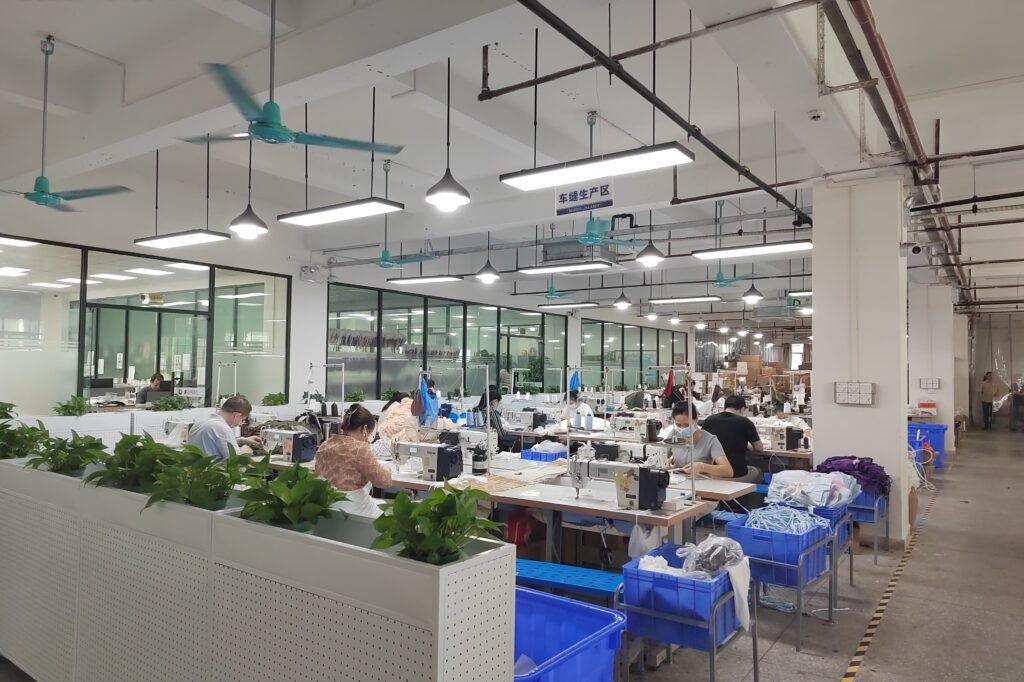
Approximately 80 sewing lines and around 640 Brother sewing machines support normal monthly output of roughly 180,000-200,000 pieces, depending on product mix.
Capacity review should still be tied to category, complexity, material readiness, allocation, and requested delivery window rather than using factory scale as an automatic approval. The proposed assortment should be matched to actual production planning, complexity, material readiness, and line allocation before commercial approval is closed.
Material Control
Quality Gates

Ownership and Documents

Core garment development and manufacturing are combined with controlled long-term specialist partner capability where appropriate. SMETA and ISO are recorded facts; BSCI support is project dependent; supplier/material GRS or OEKO-TEX documentation should not be presented as XZ Apparel factory certification. Scope transparency is part of qualification readiness. Any controlled document review should confirm entity, site, date, scope, current status, relevance, and document owner before it is used for internal approval.
A Multi-Style Approval Program Needs Coordinated Gates
A representative seasonal program shows why supplier approval cannot be reduced to one factory audit or one perfect sample. Multi-SKU work creates shared material, timing, and version risks.
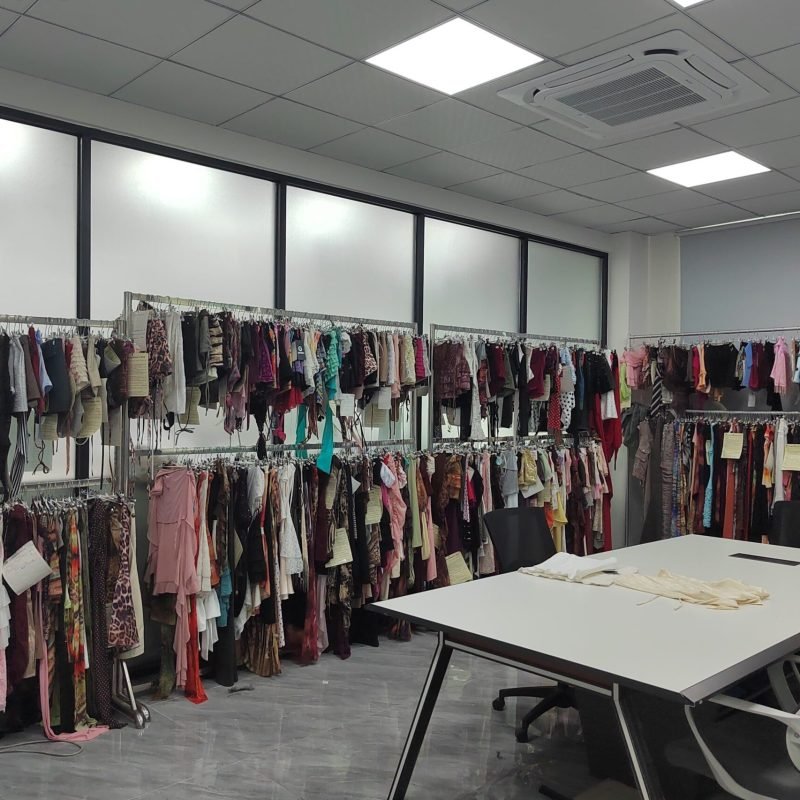
Program Structure: 18 Styles and 42,000 Pieces
Consider a representative women’s fashion program containing 18 styles and approximately 42,000 pieces: six dresses at about 18,000 pieces, four tops at 10,000 pieces, three bottoms at 6,000 pieces, three coordinated sets at 6,000 pieces, and two swimwear styles at 2,000 pieces. The mix sits within the type of 10-30 style, 20,000-80,000 piece order structure commonly handled in established brand programs, while still requiring different technical routes across categories.
The first approval challenge is not total quantity. It is the number of simultaneous decisions. Dresses may share satin, mesh, lining, zippers, or supportive components. Tops may use stretch jersey, woven fabric, or fashion trims. Bottoms add rise, waist, closure, and grading concerns. Sets require color and material consistency across paired SKUs. Swimwear introduces stretch/recovery, lining, opacity, elastic, and fit-under-tension requirements.
A sensible onboarding plan groups common decisions without forcing every style through the same path. Shared fabric or trim families can reduce duplication, but each style still needs its own fit, construction, and approval reference. The program calendar should therefore show which approvals are common across the assortment and which must remain style specific. Shared decisions can save time only when the underlying specification is genuinely identical.
Approval Route: Parallel Development Without Losing Control
For an 18-style assortment, development should run in controlled parallel streams. Start with a collection-level matrix listing style, color, quantity, size range, material family, special process, sample status, open technical issues, and commercial constraints. This provides sourcing, product, QA, and operations with one working view instead of separate email threads.
Next, prioritize styles by risk rather than by style number. A simple knit top may move quickly, while a structured dress, lined swim style, complex set, or embellished garment needs earlier material and process review. Common fabrics can be swatched and tested together, shared trims can be approved once where specifications are identical, and repeated construction details can use a common technical standard. Approval still stays linked to the correct style and version.
Sampling capacity matters because revision peaks often arrive together. XZ Apparel’s six sample rooms, 48 pattern makers, and 60 sample makers create room to develop multiple styles in parallel, but approval discipline remains essential. If comments, materials, or decisions arrive late, extra physical capacity cannot recover a fragmented approval route. The strongest program separates inputs, sample gates, PPS status, and commercial readiness so each style can move forward without dragging unresolved risks into bulk. A weekly approval dashboard can keep all functions aligned on the same current status.


Production Release: Approve the Collection in Controlled Waves
The 42,000-piece program does not need every style to enter production on the same day. A controlled release can move styles into bulk when their materials, PPS, production details, and quality requirements are ready, while later styles continue development. This approach protects the launch calendar without lowering the approval standard.
For each release wave, confirm fabric and trim readiness, final pattern and measurement version, PPS status, artwork or specialist process approval, packaging, line allocation, and inspection requirements. Shared materials need lot and shade controls where relevant. Sets need paired-SKU coordination. Swimwear needs the approved lining, elastic, and stretch behavior to remain consistent with the sample standard. Any approved substitution should be visible before cutting.
The result is a program that can scale without hiding variation. Sourcing sees which styles are commercially ready; product development sees open technical points; QA sees the approved standard and inspection plan; operations sees the production sequence. Supplier onboarding becomes valuable because it creates a repeatable working system for the next 20,000-80,000 piece program rather than treating qualification as a one-time administrative exercise. The same gate logic can then be reused for replenishment, new categories, and second-source development across future seasonal programs without rebuilding the approval framework from scratch.
Approved Supplier Status Must Lead to First-PO Readiness
Approval is only useful when the decisions can survive the handoff into production. The final onboarding stage freezes standards, responsibilities, and change controls before commercial commitment increases.

Close the Production Readiness Gate
Before the first production PO is released, confirm the approved style list, quantities, colors, size breakdown, material and trim versions, pattern and measurement references, PPS status, artwork or specialist-process approvals, labels, packaging, quality requirements, and target shipping terms. Open items should be assigned an owner and deadline rather than buried in an approval email.
The production calendar should begin from real prerequisites. XZ Apparel’s normal bulk lead time is typically around 25-35 working days after fabric and trims are ready, PPS is approved, and production details are confirmed. A sourcing team should therefore separate development, material lead time, customer approval time, production, and logistics instead of using one total lead-time number without conditions. The approval record should show the planned production-start trigger explicitly.
For programs using specialist partners, production readiness also confirms who owns process execution and how the approved sample, artwork, placement, or process standard is transferred. For multi-SKU programs, shared materials and trims should be booked against the correct style-color quantities. The release decision should be based on closed inputs, not pressure created by a target ship date. If a critical approval remains open, the program should show the impact on cutting, line allocation, production sequencing, or shipment before any exception is accepted by the responsible function.
Treat the First Order as a Controlled Performance Validation
The first order tests more than garment quality. It tests communication discipline, version control, material consistency, production planning, inspection response, packaging accuracy, document handling, change escalation, and delivery execution. These observations should be captured because they determine whether the supplier is ready for a larger repeat program.
During bulk, compare output against the approved inputs and PPS rather than against memory. Record significant defects, corrections, material or process changes, approval delays, and any deviation accepted by the brand. When an issue appears, the useful response includes root cause, containment, correction, and prevention for the next order. A supplier that can close problems transparently may be more valuable than one that simply promises zero defects. Keep the closure record available for the post-order review.
After shipment, hold a short supplier review covering product consistency, communication, quality findings, timeline performance, packaging, documentation, and unresolved risks. The decision can then be maintain approval, expand category scope, maintain with conditions, require corrective action, or requalify a specific process. Onboarding is complete when the supplier can repeat the approved standard, not merely when the first PO has been entered into a system. The post-order review should become the starting evidence for the next sourcing, quality, capacity, category-expansion, and repeat-order decision across the brand team.

Frequently Asked Questions About Supplier Approval
Start a Structured Supplier Qualification Review
Send enough project information for a meaningful supplier review. XZ Apparel can assess category fit, development route, sample planning, commercial feasibility, and evidence needed for internal approval while reducing repeated clarification between sourcing, product development, QA, compliance, and operations.
Please include:
- Brand or company name and your role in the approval process.
- Target market and women’s apparel categories under review.
- Number of styles, colors, size range, and expected quantities.
- Tech packs, reference images, size charts, or physical-sample details where available.
- Fabric, trim, construction, artwork, or specialist-process requirements.
- Required audit, compliance, testing, quality, and packaging standards.
- Target sample review dates, launch window, and expected delivery timing.
- Any current-supplier, second-source, repeat-order, or multi-SKU considerations that affect qualification.
A complete brief should return category fit, missing information, sample route, commercial constraints, required evidence, and the next approval gate. Share sensitive files through the agreed project channel.