XZapparel Manufacturing Base: Factory Infrastructure
A connected Dongguan manufacturing system for women’s apparel development, material control, bulk production, quality management and shipment preparation.
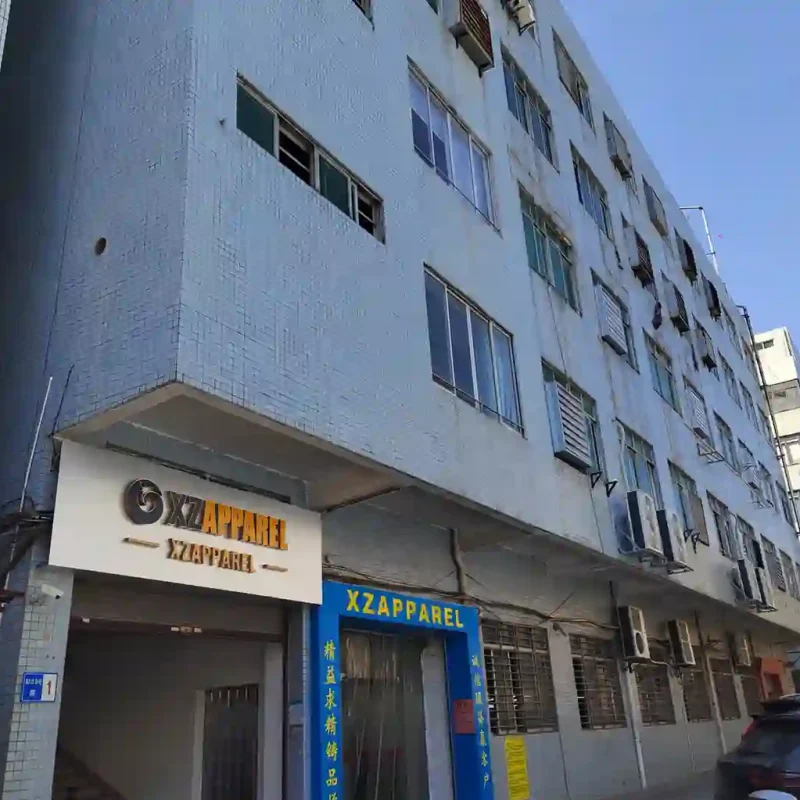
- Approx. 20,000 m2 manufacturing base across 3 production buildings in Humen, Dongguan.
- 6 sample rooms, 48 pattern makers and 60 sample makers support multi-style development and fit revision.
- Approx. 80 sewing lines and 640 Brother sewing machines support regular multi-category bulk production.
- Material inspection, pre-shrinking, cutting, inline quality control, measurement, finishing and packing are linked through defined production gates.
- Dedicated fabric, trim and finished-goods storage keeps material identity, production issue and shipment preparation clearly separated across active programmes and seasonal collection drops.





What the XZapparel Manufacturing Base Actually Covers
Physical Manufacturing Base
Connected Operating System
Factory Facts Sourcing Teams Can Verify Quickly
Manufacturing Footprint
Workforce Scale
Sample Infrastructure
Six sample rooms work with 48 pattern makers and 60 sample makers. The structure supports parallel style development, first samples, revisions and PPS preparation, with fit, measurement and manufacturability questions addressed before bulk allocation instead of being pushed into sewing lines. Development capacity can be reviewed through active sample tracking rather than sample-room photographs alone.
Sewing Capacity
Normal Monthly Output
Material Control
Cutting Resources
Quality Flow
A Manufacturing Base Built Around Product Flow
The site is organised around how a women’s apparel style moves from development into controlled bulk production, not around a showroom-style equipment display. The same flow also clarifies where technical responsibility changes hands.
Dongguan Base Connected to the Development Chain
XZapparel is built on a garment manufacturing operation that began in 2008, with the current manufacturing base located in Humen, Dongguan. The production footprint covers three buildings and approximately 20,000 m2, but the more useful sourcing question is how the space supports development and manufacturing decisions. Product information can enter through a tech pack, reference image, sketch, physical garment, size chart or design concept. Merchandising, technical design, pattern, sample and sourcing functions then convert those inputs into a development brief, material direction, sample and approval path.
A mature fashion programme rarely moves in a straight line from quotation to sewing. Fit comments can change pattern balance; fabric behaviour can change seam or lining choices; an embellishment can alter lead time and supplier minimums; a revised measurement can affect grading or construction. Housing core development functions close to sampling, material control and production reduces the number of uncontrolled handoffs before bulk. The result is not a promise that every style is simple to develop. It creates a clearer route for identifying open questions early, assigning them to the right technical owner and freezing approved standards before production allocation.
For large assortments, the same structure supports prioritisation. Launch-critical styles can move first, while styles carrying unresolved material, fit or specialist-process risk remain visible rather than being pushed forward simply to keep the calendar moving.
Infrastructure Is Measured by Control Points
For a sourcing or production team, a factory tour should reveal more than floor area and machine rows. A credible manufacturing base needs visible points where information, materials and garments are checked before moving forward. At XZapparel, material receiving and storage connect to fabric inspection and pre-shrinking where relevant; cutting follows approved markers and material handling decisions; sewing is supported by inline QC and measurement; finishing includes pressing and 100% finishing inspection; final inspection and packing checks precede finished-goods storage and shipment preparation.
The same logic applies when a process leaves the physical site. Knitwear, embroidery, certain printing routes, selected dyeing and other specialist processes may be completed by long-term partners. The control requirement does not disappear at the handoff. Project specifications, strike-offs or process samples, placement, material compatibility, approval standards and final garment inspection still need to be controlled by the XZapparel project team. A sourcing team can therefore evaluate the manufacturing system by asking where each operation happens, who owns the approval and what record or physical standard is used at the next gate.
The most useful evidence is therefore a combination of real working areas, current process records and clear ownership. Machine quantity, workshop size and photographs become more credible when they support an identifiable manufacturing step and a documented approval gate.
Factory Function Map From Development to Shipment
The operating map shows where critical work occurs, what moves between functions and which sourcing risk each area is designed to control before approval, production release, final packing and shipment.
| Function | Confirmed Infrastructure | Main Input / Output | Risk Controlled |
|---|---|---|---|
| Product Development | Design, merchandising, technical, pattern and sample coordination | Idea / tech pack / reference -> development brief and sample path | Front-end information loss and unclear technical ownership |
| Sample System | 6 sample rooms; 48 pattern makers; 60 sample makers | Pattern + material + spec -> fit sample / revision / PPS | Fit, structure and manufacturability before bulk |
| Fabric & Trim Storage | Separate fabric, trim/accessory and finished-goods storage | Approved lots -> controlled issue to production | Lot, shade, trim and assortment mix-up risk |
| Fabric Inspection | 1 inspection machine + production-control checks | Incoming rolls -> inspected material | Defect, shade, width and visible material issues |
| Pre-Shrinking | 1 pre-shrinking machine where relevant | Selected fabric -> conditioned fabric | Dimensional change risk before cutting |
| Spreading & Cutting | 2 auto spreaders + 2 auto cutters + manual cutting | Approved marker and fabric -> cut panels | Layering, direction, precision and special-fabric handling |
| Sewing | 8 workshops; approx. 80 lines; approx. 640 Brother machines | Cut bundles / components -> assembled garments | Operation consistency, line balance and inline quality |
| Pressing & Finishing | 10 steam ironing tables + finishing inspection | Sewn garment -> finished garment | Appearance, pressing, loose threads, stains and finishing defects |
| Quality & Needle Detection | QC flow + 1 needle detector | Garment and records -> inspection disposition | Measurement, workmanship and metal/needle risk where applicable |
| Packing & Warehouse | Packing, carton preparation and finished-goods warehouse | Approved garments -> shipment-ready cartons | Size, label, quantity, packing and carton accuracy |
Product Development and Sampling Before Bulk Allocation
Fast fashion programmes depend on development bandwidth as much as sewing capacity, especially when several styles, fits and materials move in parallel. before production capacity is committed.
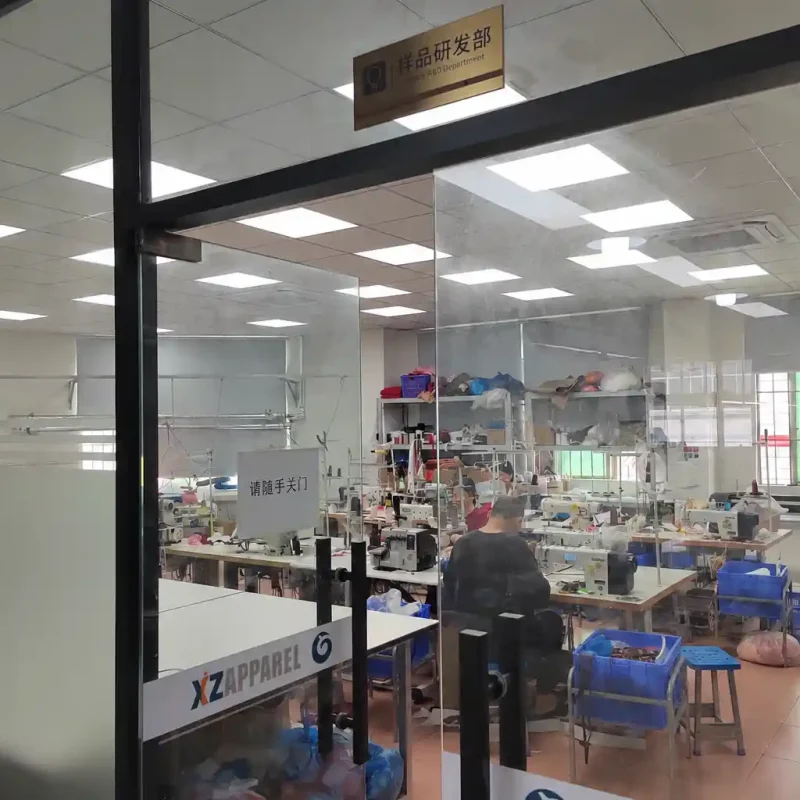
Six Sample Rooms Support Parallel Style Development
XZapparel operates six sample rooms supported by 48 pattern makers and 60 sample makers. The value is not the headcount by itself. A multi-style programme needs enough technical capacity to review references, clarify measurements, build patterns, cut sample materials, sew first samples, record fit comments, complete revisions and prepare PPS without sending every question through one overloaded development cell. For regular styles, first samples are typically around 3-5 working days; more complex styles are typically around 5-7 working days. Revisions are commonly around 2-3 working days, while PPS preparation is typically around 4-5 working days, subject to material readiness, construction complexity, special trims and approval speed.
Development can begin from different levels of input. A complete tech pack offers the clearest starting point, but a reference image, sketch, existing garment, size chart or design concept can also start the review. Missing information is converted into explicit questions covering fabric, fit, measurements, lining, closures, support, trims, embellishment, finishing and target market requirements. Visual references are never treated as full technical specifications. The sample process is used to transform visual intent into measurable, manufacturable standards before bulk commitments are made.
When several styles share launch dates, the development team can also sequence work by fit risk, material readiness and construction difficulty. The goal is to protect the critical path instead of allowing a simple style and a technically unresolved style to compete for the same attention.
Pattern, Fit and PPS Create the Production Standard
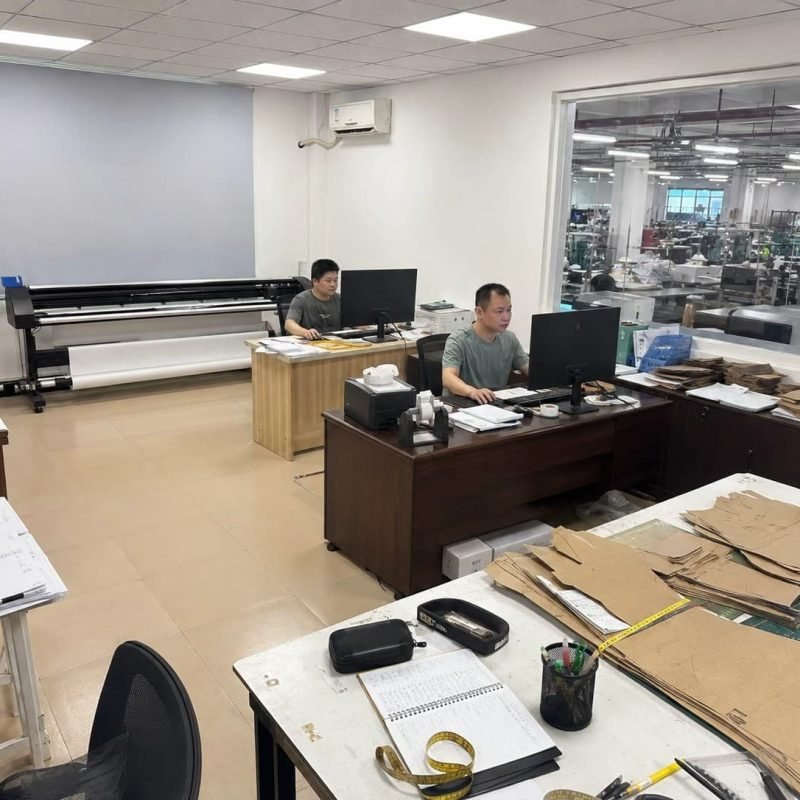
Pattern making is where silhouette, ease, length, balance, support and garment construction become measurable production instructions. XZapparel’s pattern team includes experienced specialists, with core pattern experience of around 20 years. Sample makers then turn pattern and material decisions into physical garments that can be reviewed for appearance, measurement, sewing sequence and manufacturability. The aim is not to produce a visually acceptable showroom sample while leaving unresolved production risks behind.
Fit comments need to be tied to the correct sample version and measurement method. A changed bust point, torso length, neckline opening, waist position or leg opening may require more than a simple measurement edit; pattern balance, elastic length, lining, support components or seam placement may also need review. PPS becomes the final pre-bulk checkpoint for approved material, colour, construction, measurement, finishing, artwork or process details and packing inputs. For sourcing teams managing 10-30 styles in one order cycle, the combination of pattern capacity, sample capacity and version control is what prevents revisions from drifting across SKUs as the programme approaches production.
Approved sample information should also remain usable after PPS. Production, QC and packing teams need access to the same confirmed version so bulk decisions are not rebuilt from email threads or verbal instructions once the style leaves the sample room.
Material Control Before Fabric Reaches the Cutting Room

Fabric Receiving
Incoming fabric is checked against project information before production issue. Rolls need to match the intended style, colour, supplier lot and material specification. Receiving records and clear identification reduce the risk of similar-looking fabrics entering the wrong programme or shade lot being mixed without review. Receiving control also gives the sourcing team a defined point for resolving shortages or obvious lot discrepancies before cutting.
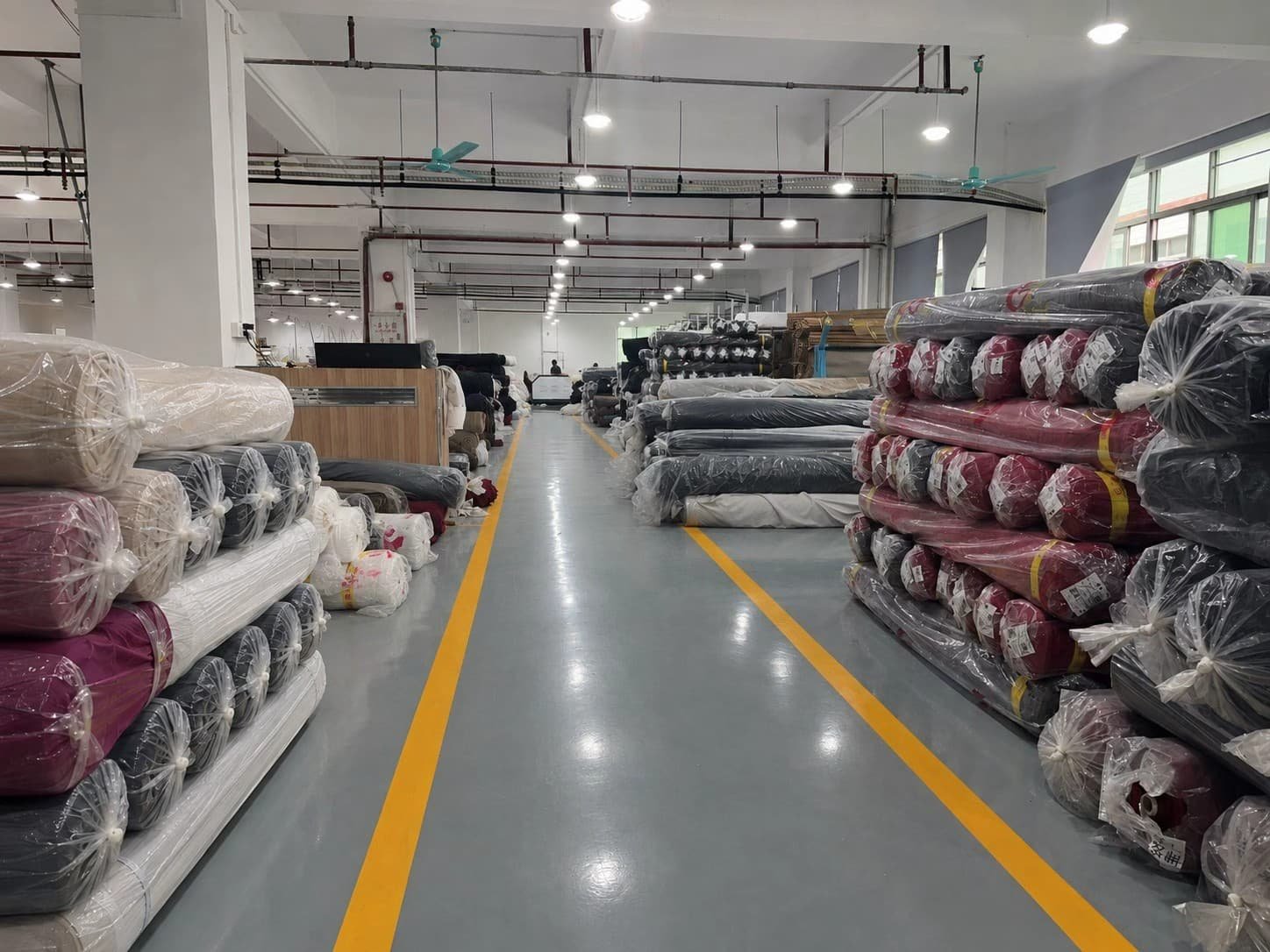
Fabric Warehouse
A separate fabric warehouse keeps material storage distinct from trim/accessory and finished-goods areas. Storage control matters when several colours and styles are active at the same time. Approved lots can be identified and issued to the correct cutting plan rather than treated as interchangeable stock. Clear warehouse identification becomes especially useful when related styles use similar fabrics with different compositions, finishes or colour standards.
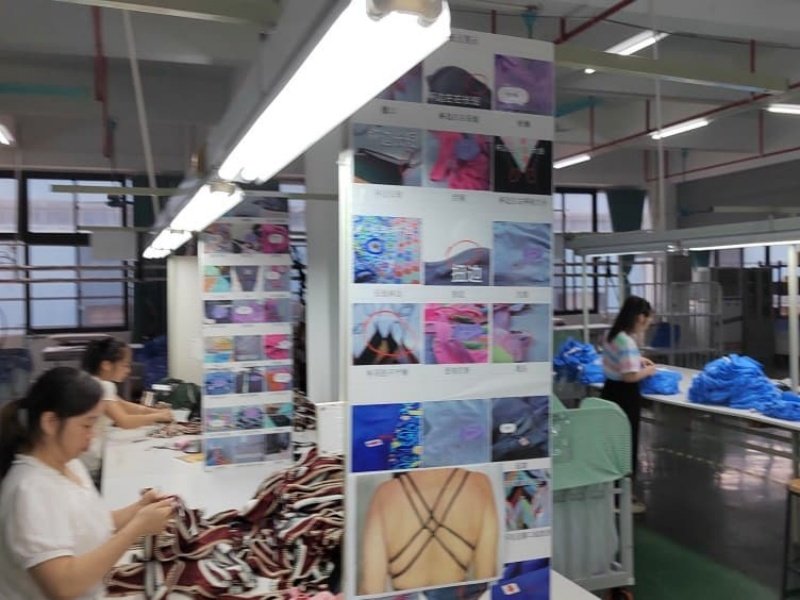
Trim Storage
Buttons, zippers, elastic, lace, cups, boning, labels, hangtags and packing items can carry their own colour, size, supplier and minimum-order conditions. Separate trim and accessory handling helps teams track approved versions and avoid using visually similar components with different dimensions, finishes or functions. Approved trim references should stay linked to style, colour and version so substitutes are not introduced without review.
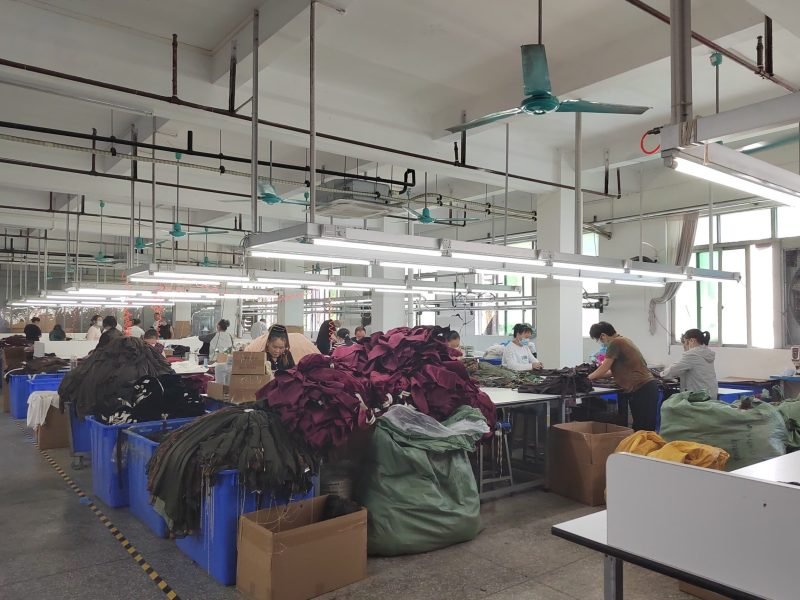
Fabric Inspection
One fabric inspection machine supports incoming roll review for visible defects, shade, width and handling concerns. Inspection is a production-control step, not an accredited laboratory claim.
Findings can trigger segregation, supplier clarification, alternative lot selection or extra review before spreading and cutting begin. Inspection findings should be recorded against the relevant roll or lot so production action can be traced later if needed.

Pre-Shrink Control

Production Testing
In-house production-control checks can cover GSM, shrinkage, colourfastness, crock/rubbing, washing, pilling, stretch and recovery, spirality, dimensional stability, shade, defects, print adhesion and heat resistance where relevant.
Results are used to inform production decisions; formal third-party reports remain a separate scope when required. Production-control results are used to approve, hold, adjust or escalate a material decision before bulk risk grows.
Cutting Routes Matched to Fabric and Construction
Automatic equipment adds repeatability, while manual cutting remains essential when fabric behaviour or garment structure makes an automated route unsuitable for accurate production. for reliable bulk execution.
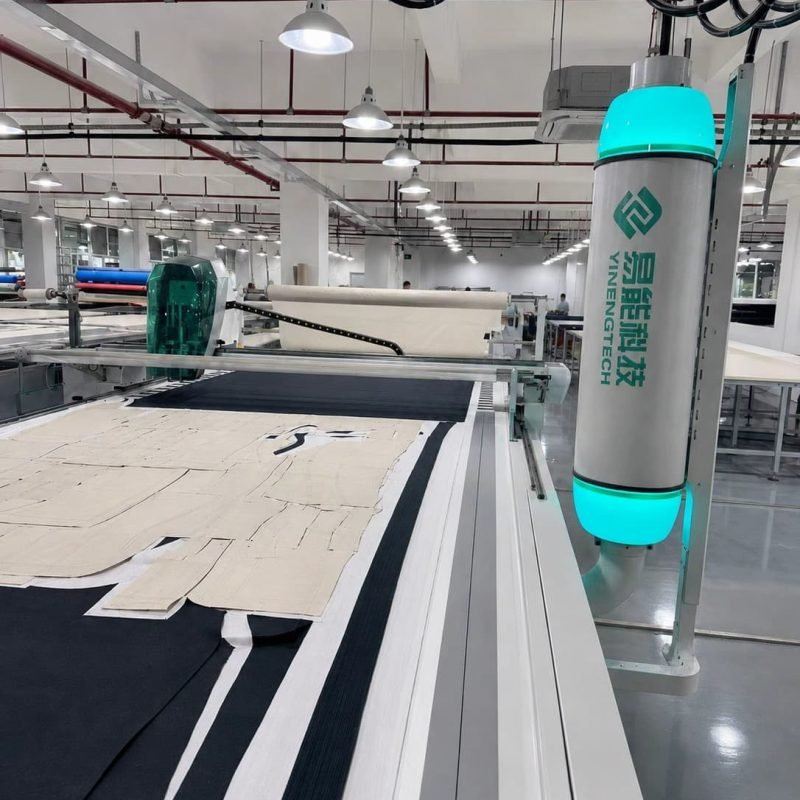
Automatic Spreading and Cutting for Suitable Bulk Fabrics
The cutting area includes two Xiaomai MX-190 automatic spreaders and two YINENG APro2025 automatic cutting systems. For suitable woven and knit materials, automatic spreading helps control layer preparation, tension and production efficiency, while automatic cutting supports repeatable panel geometry across bulk quantities. The equipment is especially useful when a programme has repeated shapes, multiple sizes and enough volume to benefit from controlled marker execution.
Automatic equipment does not remove the need for material review. Stretch, nap direction, surface finish, stripe or check matching, slippery handfeel, thickness, fusible components and sensitive surfaces can change the way fabric should be spread and cut. Marker approval also needs to reflect the correct pattern version and size ratio. Before cutting begins, material identity, colour/lot, direction, layer settings and marker information need to match the production plan. Cutting accuracy cannot recover a wrong pattern version or wrong fabric lot, so the control sequence starts before the machine begins.
For sourcing review, the strongest evidence is not a maximum cutting speed. It is a repeatable setup process that links the current pattern version, fabric lot, size ratio and marker to the correct spreading and cutting instructions. That connection matters when an assortment changes late or when several similar colourways enter production together.
Manual Cutting Protects Special and Development Work
Manual cutting remains available through dedicated tables and operators for development work, special fabrics and constructions that are unsuitable for automatic handling. Fashion collections often include lightweight satin, mesh, lace, delicate surface effects, highly elastic materials, layered structures or limited development quantities. Forcing every material through the same automation route can create distortion, slippage, edge damage or inaccurate panel geometry.
A flexible cutting system therefore needs two decisions: which route gives the required accuracy, and what material handling controls are needed for the chosen route. Manual cutting is not presented as a fallback for poor equipment. It is a controlled option for fabrics and product structures where operator judgement, reduced layer height, careful alignment or slower handling produces a better result. Cutting inspection then checks panel identity and obvious execution issues before bundles move to sewing, preventing downstream lines from discovering avoidable cutting errors after assembly has already started.
Manual routing can also protect development learning. A difficult fabric first handled manually may reveal stretch, slippage, edge stability or alignment behaviour that informs later bulk settings. Keeping the route decision open until the material has been reviewed avoids treating automation as the objective when garment accuracy is the real requirement.
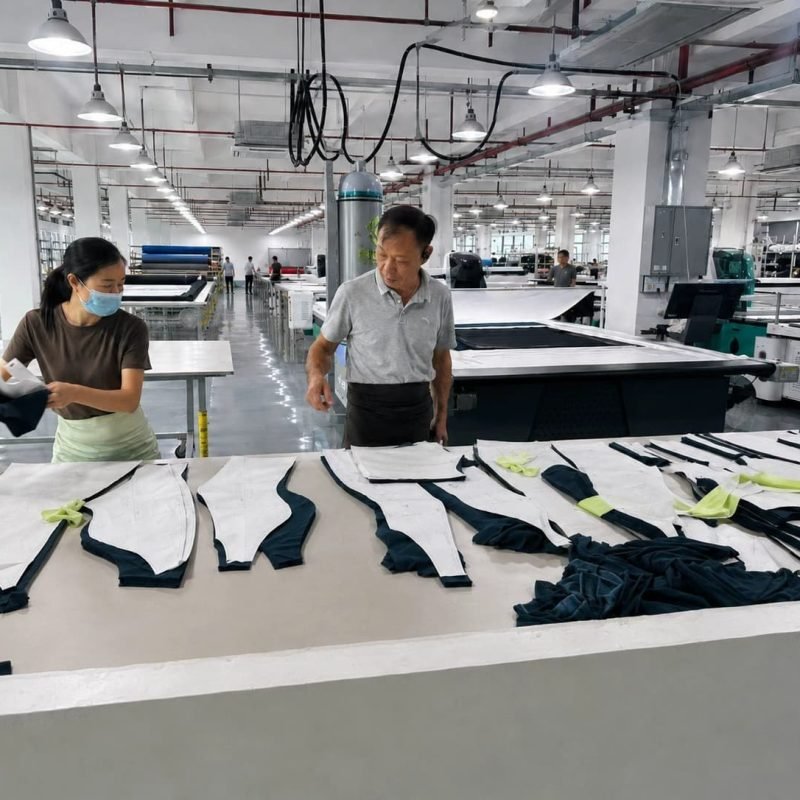
Sewing and Finishing Infrastructure for Fashion Production
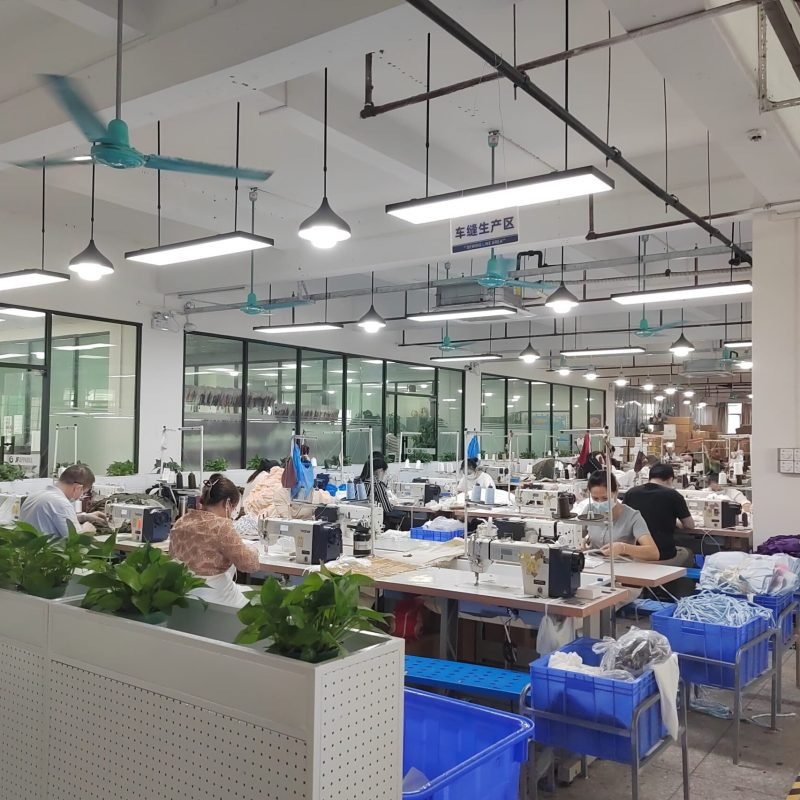
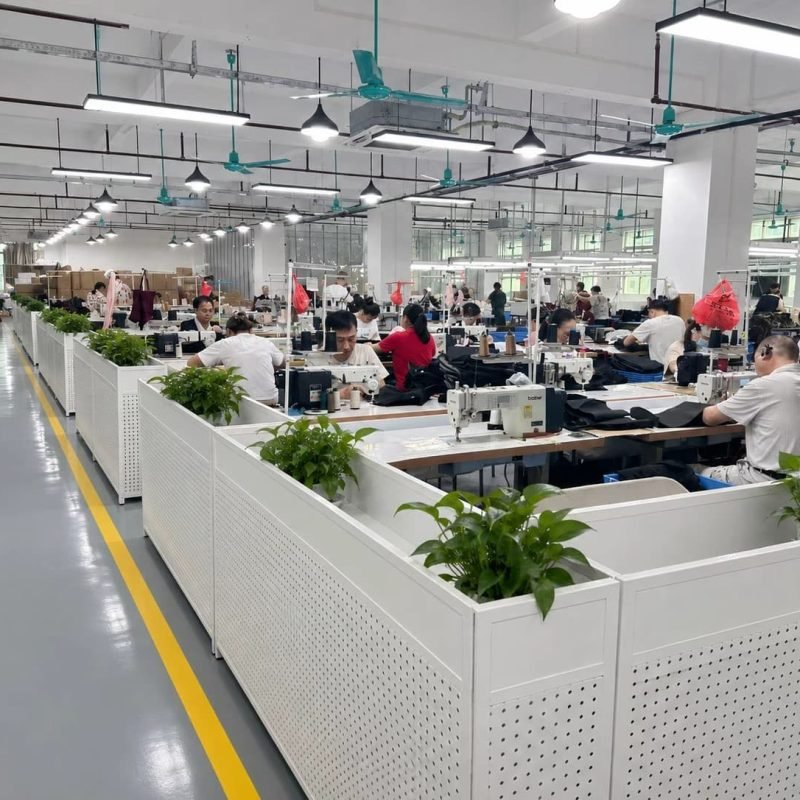
Eight sewing workshops combine line capacity with selected fashion processes, inline checks, pressing and finishing controls for multi-category women’s apparel. across changing style mixes and launch calendars.
Eight Workshops and Approximately Eighty Sewing Lines
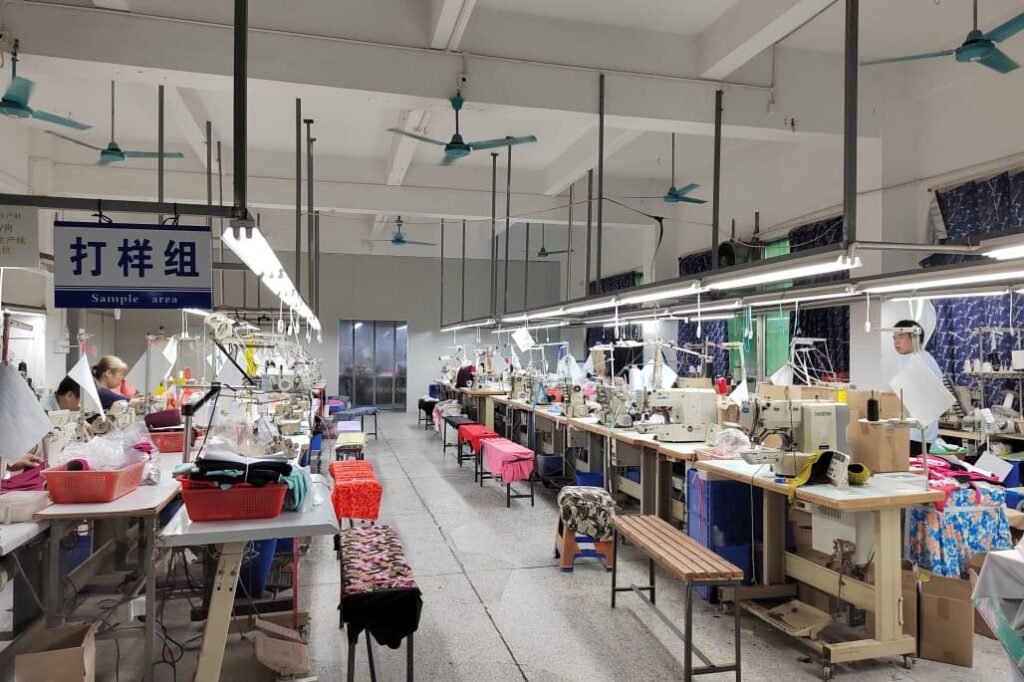
XZapparel operates eight sewing workshops with approximately 80 sewing lines and about 640 Brother sewing machines. Confirmed sewing coverage includes single-needle lockstitch, 4-thread overlock, 5-thread overlock, coverstitch, buttonhole and button sewing, supported by selected in-house smocking, pleating and template sewing equipment. The combination allows line planning to reflect garment construction rather than treating every style as the same sewing workload.
A fitted woven dress, a stretch swim style, a coordinated set and a sweatwear item can require very different operation sequences, machine combinations, operator skills and inspection points. Line allocation therefore starts from style complexity, fabric behaviour, critical operations and delivery windows. Inline QC is positioned within production so workmanship or construction issues can be corrected before they accumulate across a larger quantity. Measurement control is also separated from visual workmanship checks because a clean seam does not confirm that the garment meets approved dimensions. For multi-SKU programmes, line balance and technical ownership are more meaningful than an isolated machine count.
Critical operations can be identified during pre-production planning so supervisors, QC and operators know where extra attention is needed. The same planning step helps determine whether selected pleating, smocking, template sewing or another process should be integrated into the normal line sequence or handled as a separate controlled operation.
Pressing, Finishing and Shipment Appearance Control
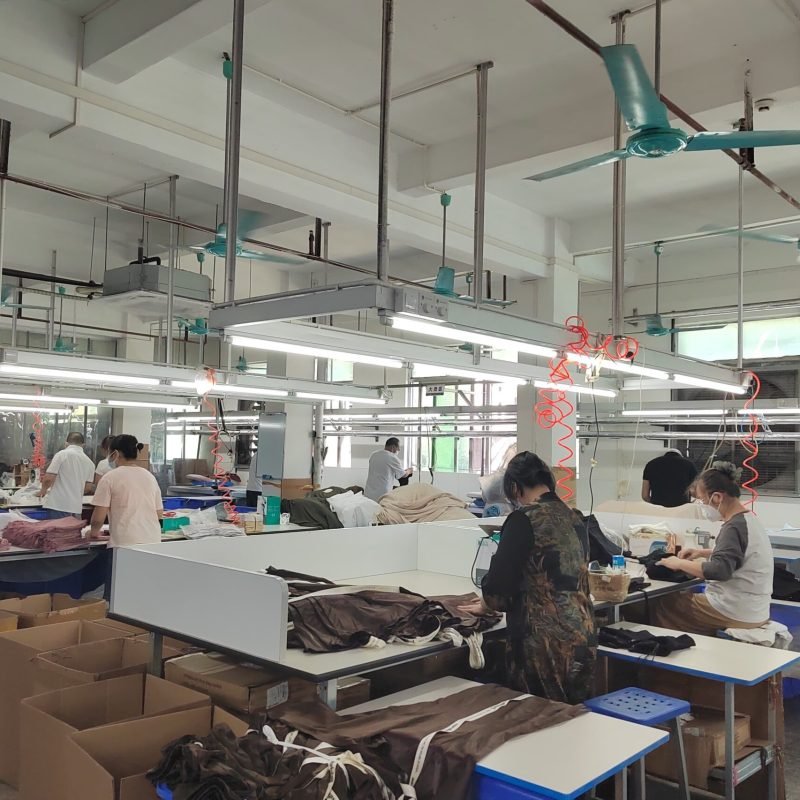
After sewing, garments move through pressing and finishing rather than directly into cartons. XZapparel records ten FUWEI FT-1500D steam ironing tables for pressing and final presentation work, supported by 100% finishing inspection. Pressing conditions need to match fabric and construction because excessive temperature, pressure or steam can create shine, distortion, seam impressions or shape changes on sensitive fashion materials.
Finishing inspection looks for loose threads, stains, visible workmanship issues, pressing quality and overall presentation before final inspection. Measurement or approved appearance standards can be rechecked where required. A separate needle detector is available for finished garments where the product and programme call for metal/needle risk screening. Packing follows final approval, with size, colour, label, quantity, folding and carton requirements checked against the approved packing specification. Finished goods then move to dedicated warehouse handling before shipment, creating a clear separation between work-in-process garments and released cartons.
For retail-ready programmes, finishing and packing also carry version risk. Care labels, size labels, hangtags, barcode information, folding method and carton assortment need the same approval discipline as the garment. Keeping packing inspection inside the manufacturing flow reduces the chance that correctly made garments create avoidable warehouse or receiving errors at destination receiving warehouses.
Equipment Mapped to Garment Production Decisions
Equipment matters when its role is connected to fabric behaviour, garment construction, repeatability and risk control rather than presented as a machinery inventory without production context, ownership or approval logic.
| Equipment / Process | Confirmed Coverage | Typical Apparel Use | Production Value |
|---|---|---|---|
| Automatic Cutting | 2 x YINENG APro2025 | Multi-style woven and knit garments where suitable | Panel precision and repeatability across approved markers |
| Automatic Spreading | 2 x Xiaomai MX-190, 20 m | Regular bulk fabrics | Layer preparation, tension control and spreading efficiency |
| Manual Cutting | 2 tables; dedicated operators recorded | Special fabrics, development and automation-unsuitable materials | Flexible handling for slippery, delicate or structured materials |
| Brother Sewing Machines | Approx. 640 | Broad women’s apparel | Lockstitch, overlock, coverstitch, button and assembly operations |
| Smocking | Selected in-house equipment | Fashion dresses, tops and sets | Repeatability for elasticated decorative structures |
| Pleating | Selected in-house equipment | Skirts, dresses and tops | Controlled pleat formation and repeatable placement |
| Template Sewing | Selected in-house equipment | Repeated shapes and positioned details | Stitch placement and shape consistency |
| Pre-Shrinking | 1 machine | Relevant woven and knit fabrics | Material conditioning before cutting where needed |
| Steam Ironing | 10 x FUWEI FT-1500D | Finished garments | Final shape, surface appearance and presentation |
| Needle Detection | 1 detector | Finished garments where applicable | Metal/needle risk screening before release |
Quality Gates Built Into the Manufacturing Flow
Fabric Inspection
Incoming material is reviewed before cutting for visible defects, shade, width and handling concerns. Findings can change lot allocation, material approval or production timing.
A clean finished garment cannot correct a fabric problem that should have been identified before panels were cut. Inspection records should identify the material lot or issue clearly enough for follow-up.
Pre-Production Review
Cutting Inspection
Inline QC
Measurement Control
Finishing Inspection
Final Inspection
Final inspection can follow AQL 2.5, AQL 4.0, a brand-defined standard or an agreed 100% final inspection approach.
AQL is used as an acceptance sampling framework where applicable; it is not described as a claim that every piece is individually inspected under an AQL method. The agreed inspection standard should be documented before the final lot is presented for release.
Packing Inspection
Clear Ownership From Development Through Shipment
Merchandising Ownership
Pattern and Fit
Sample Development
Sixty sample makers support first samples, revisions and PPS. Sample development is used to expose construction difficulty, material behaviour and sewing sequence before bulk lines are booked.
Version control matters: comments need to be tied to the correct sample and specification so a later revision does not accidentally reintroduce an already corrected detail.
Material Sourcing
Fabric and trim sourcing teams review availability, supplier conditions, material alternatives, colour, lead time and documentation. Sixteen fabric sourcing and sixteen trim sourcing roles are recorded.
Material choices are evaluated against the intended product, not as a catalogue exercise, because GSM, stretch, drape, opacity, finish and trim construction can change both fit and production method.
Production Management
QA and QC
Thirty-one QC staff and thirty QA engineers are recorded across production-control and technical quality functions. QC focuses on inspection points and production findings; QA adds testing, system support and root-cause review.
The split is useful when recurring defects, measurement issues or material behaviour require technical correction rather than simply more final inspection.
Capacity Planning for Multi-SKU Fashion Programmes
Capacity Context
Multi-SKU Allocation
Representative Programme
Infrastructure Matched to Core Women's Apparel Categories

Dresses

Fashion Tops
Bottoms

Swimwear

Matching Sets
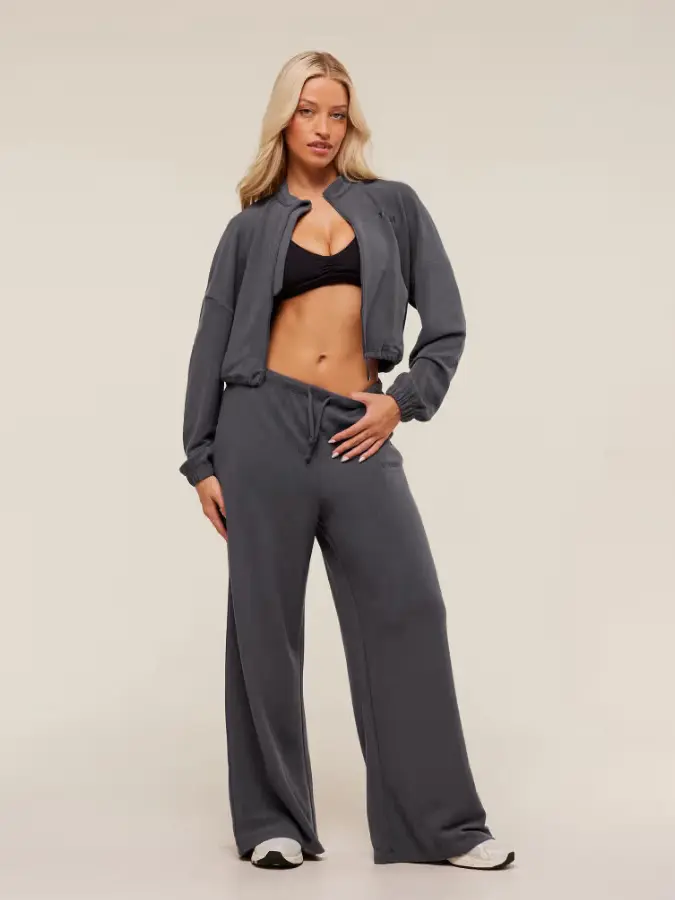
Sets need coordination across top and bottom fit, fabric lot, colour, trims, size ratio and packing. A connected development and production system reduces the risk of two garments that look coordinated in design but arrive with inconsistent shade, handfeel, sizing logic or finishing standards.
Packing and assortment control also need to preserve the relationship between coordinated pieces through shipment.
Collection Drops
In-House Manufacturing With Transparent Specialist Support

Core In-House Operations

Controlled Specialist Partners
What to Verify During a Factory Review
Development Capacity
Material Control
Cutting Control
Sewing Planning
Quality Evidence
Process Ownership
Factory Evidence Worth Showing to Sourcing Teams
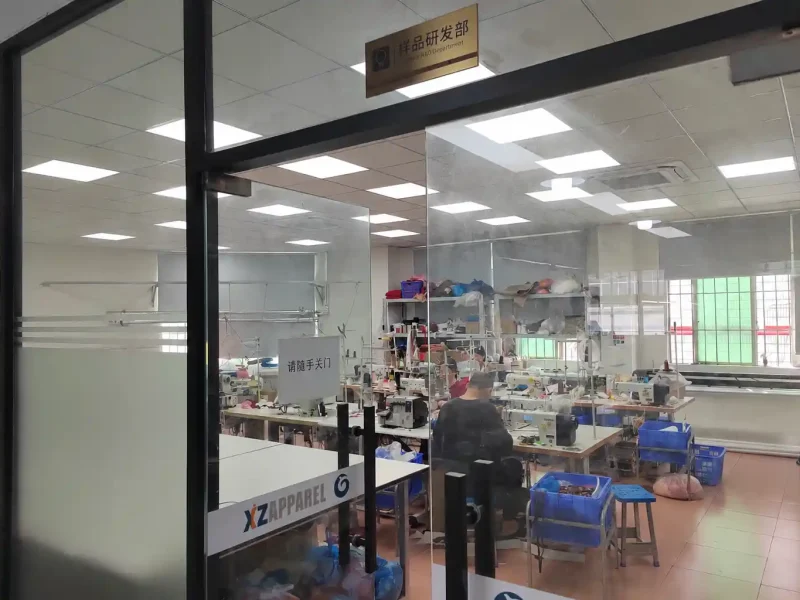
Pattern and Sample Room
Fabric Inspection
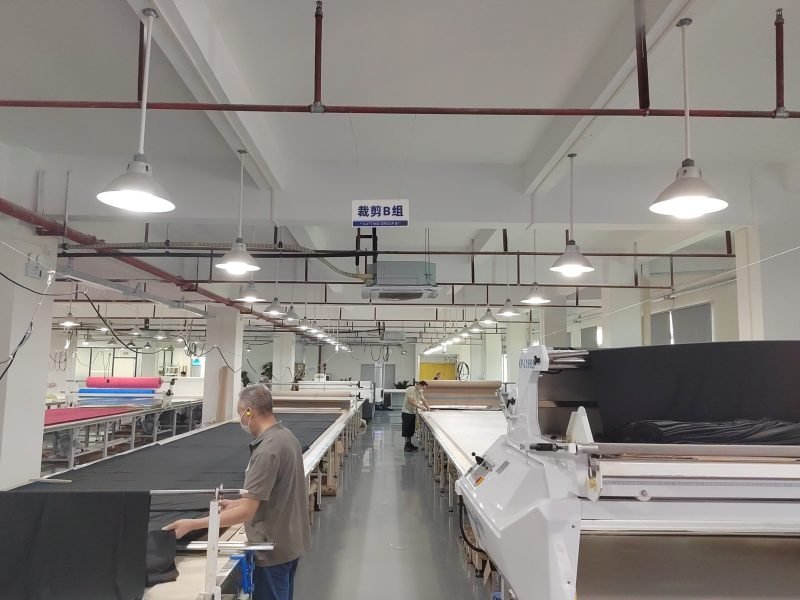
Cutting Area
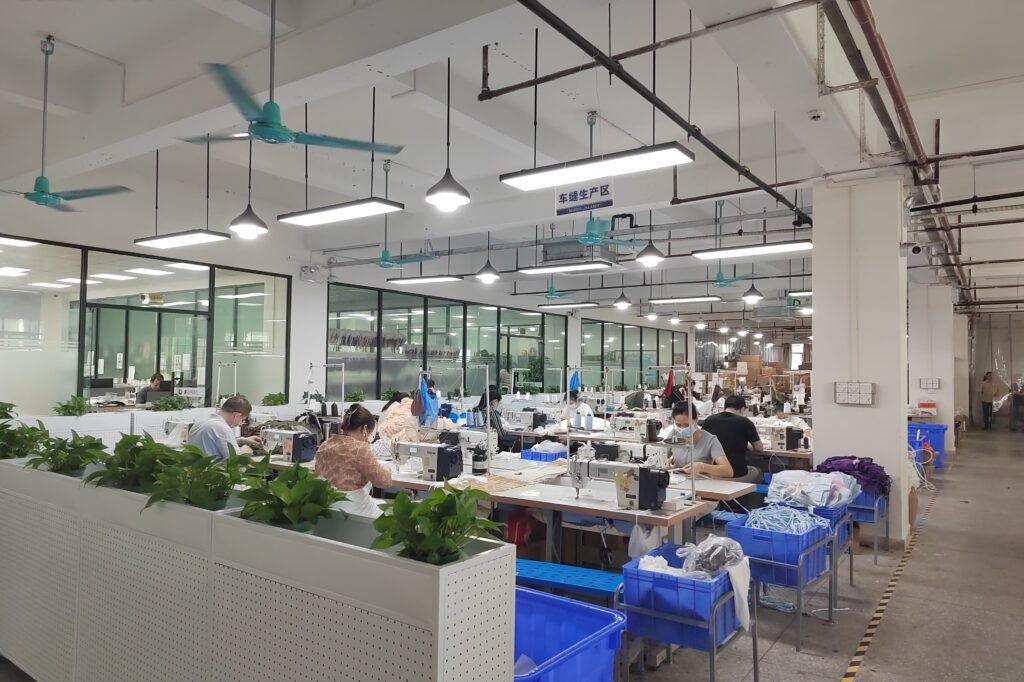
Sewing Workshop
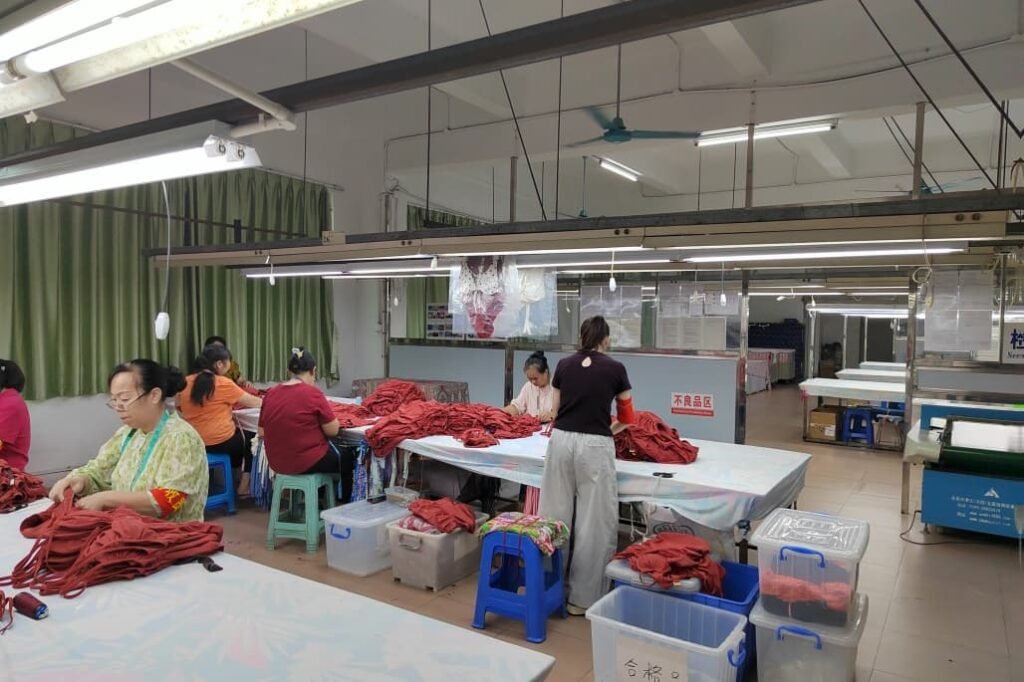
Measurement and QC
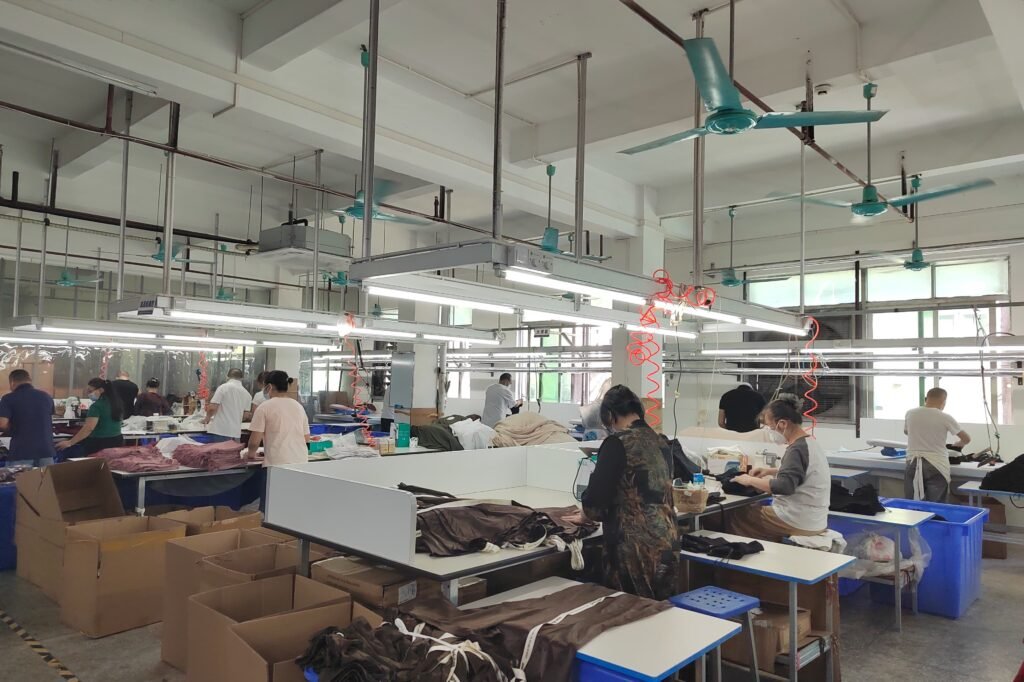
Finishing and Packing
Compliance and Qualification Boundaries Stated Clearly
SMETA and ISO
SMETA and ISO are recorded within the current XZapparel company/factory knowledge base, but public use should still match the correct entity, validity period and scope at the time of publication or qualification.
Certificates should be supplied through the appropriate review process rather than converted into broad claims covering products, partners or requirements they do not address.
BSCI Support
BSCI is handled as project or client support unless the verified certification status changes.
The wording should therefore remain different from a claim that the XZapparel factory is currently BSCI certified.
Sourcing teams with audit requirements can include them in the qualification brief so the correct documentation and scope can be reviewed before commercial commitment.
Material Documentation
Testing Boundaries
In-house fabric and garment checks support production control, while accredited or formal third-party reports are coordinated separately when a market, retailer or programme requires them.
A production test for shrinkage, colourfastness or stretch recovery should not be described as an accredited laboratory certificate.
The required evidence level is agreed from the product and destination-market requirements.
Factory Infrastructure Frequently Asked Questions
The manufacturing base is in Humen, Dongguan, Guangdong, China. The confirmed manufacturing footprint covers approximately 20,000 m2 across three production buildings, with development, sample, material, cutting, sewing, finishing, QC, packing and warehouse functions connected to the garment production flow.
XZapparel records approximately 80 sewing lines across eight sewing workshops, supported by about 640 Brother sewing machines. Actual programme capacity depends on product mix, construction complexity, material readiness, specialist processes and line allocation, so a factory-wide number is not treated as a guaranteed allocation for one order.
Yes. Six sample rooms, 48 pattern makers and 60 sample makers support parallel style development, revisions and PPS preparation. Multi-style programmes are prioritised by launch timing, technical risk, material readiness and approval status rather than processed as one undifferentiated queue.
Core in-house functions include pattern and sampling, material handling, fabric inspection, pre-shrinking where relevant, spreading, automatic and manual cutting, broad sewing operations, selected smocking and pleating, template sewing, garment washing capability, pressing, QC, finishing, packing and finished-goods handling.
Knitwear, embroidery, certain printing routes, selected dyeing and other specialist material or process requirements may use long-term specialist partners. Partner resources are not presented as XZapparel-owned assets. XZapparel coordinates development inputs, approvals, garment integration, QC and final delivery.
Fabric receiving connects to controlled storage, roll inspection, basic production-control testing and pre-shrinking where relevant. One fabric inspection machine and one pre-shrinking machine are recorded. The actual review route depends on fibre, construction, finish, colour, lot and garment requirements.
Normal monthly output is approximately 180,000-200,000 pieces, with up to around 220,000 pieces depending on product mix. Dresses, swimwear, structured garments and simpler knit items create different cutting, sewing and inspection loads, so programme feasibility is confirmed from the proposed SKU mix.
The quality flow covers fabric inspection, pre-production review, cutting inspection, inline QC, measurement, 100% finishing inspection, final inspection and packing inspection. Final inspection can follow AQL 2.5, AQL 4.0, a brand-defined standard or an agreed 100% final approach.
A factory visit or remote review can be discussed as part of supplier qualification. The most useful review covers sample rooms, material storage and inspection, cutting, sewing, QC, finishing, packing and clear in-house versus specialist-partner boundaries rather than a short showroom or office tour.
- product categories
- style count
- quantity by style and colour
- target market
- size range
- fabric or trim requirements
- special processes
- sample status
- required delivery window
Tech packs, reference images or existing sample photos help the team assess development load, material route and production allocation more accurately.
Review Your Programme Against Our Manufacturing Base
A useful factory discussion starts with the programme you actually need to place, not with a generic request for a catalogue. Send the product mix, style count, quantities, target market, sample status and delivery window so the XZapparel team can review development load, material requirements, production routing and quality checkpoints against the manufacturing base. Tech packs are welcome, but a reference image, sketch, existing sample photo or size chart can also start the first feasibility review when technical information is still being completed.
For multi-style orders, indicate which styles are launch-critical and which processes carry the highest risk. That helps pattern, sourcing, sampling, production and QA teams focus the first review on the decisions most likely to affect timing or bulk consistency. Factory visits, remote reviews and audit requirements can be discussed alongside the product brief so the qualification process and product-development process use the same confirmed information.
Include any audit timetable or factory-review format already required by your sourcing organisation.
- Product categories and style count
- Quantity by style and colour
- Tech pack, reference or sample photos
- Fabric, trim and special-process requirements
- Target market and quality requirements
- Sample target and bulk delivery window