Skip to content

Denim is one of the most recognizable fabrics in the fashion industry, yet its familiar blue appearance tells only part of the story. Two denim fabrics can look almost identical on a hanger but behave very differently during cutting, sewing, washing, and repeated wear. One may create a crisp, structured jacket, while another falls softly into a relaxed shirt or a summer dress. These differences come from the interaction of fiber composition, yarn construction, weave, fabric weight, dyeing, and finishing. Understanding these variables helps clothing brands make more informed material decisions before investing in product development and bulk production.
What is denim fabric? Denim is a durable woven fabric traditionally made from cotton and constructed with a twill weave that creates distinctive diagonal lines across its surface. Classic blue denim usually features indigo-dyed warp yarns running lengthwise and lighter weft yarns running across the width. Modern denim may also contain elastane, polyester, or other fibers to adjust stretch, recovery, softness, weight, and performance. It is widely used for jeans, jackets, skirts, shirts, dresses, shorts, and other casual apparel.
For fashion brands, however, understanding the definition is only the beginning. A fabric that looks attractive in a swatch may shrink unexpectedly, transfer color during washing, or fail to support the intended silhouette. A stretch denim that feels comfortable during a fitting may gradually lose its shape if its recovery is inadequate. These issues affect more than appearance; they can influence sizing consistency, customer satisfaction, repeat orders, and production costs. At XZapparel, we view fabric selection as part of the wider garment development process, where the material must work with the design, construction, finishing, and intended customer. The following guide explains the key differences and how to evaluate denim more carefully.
What Is Denim Fabric?
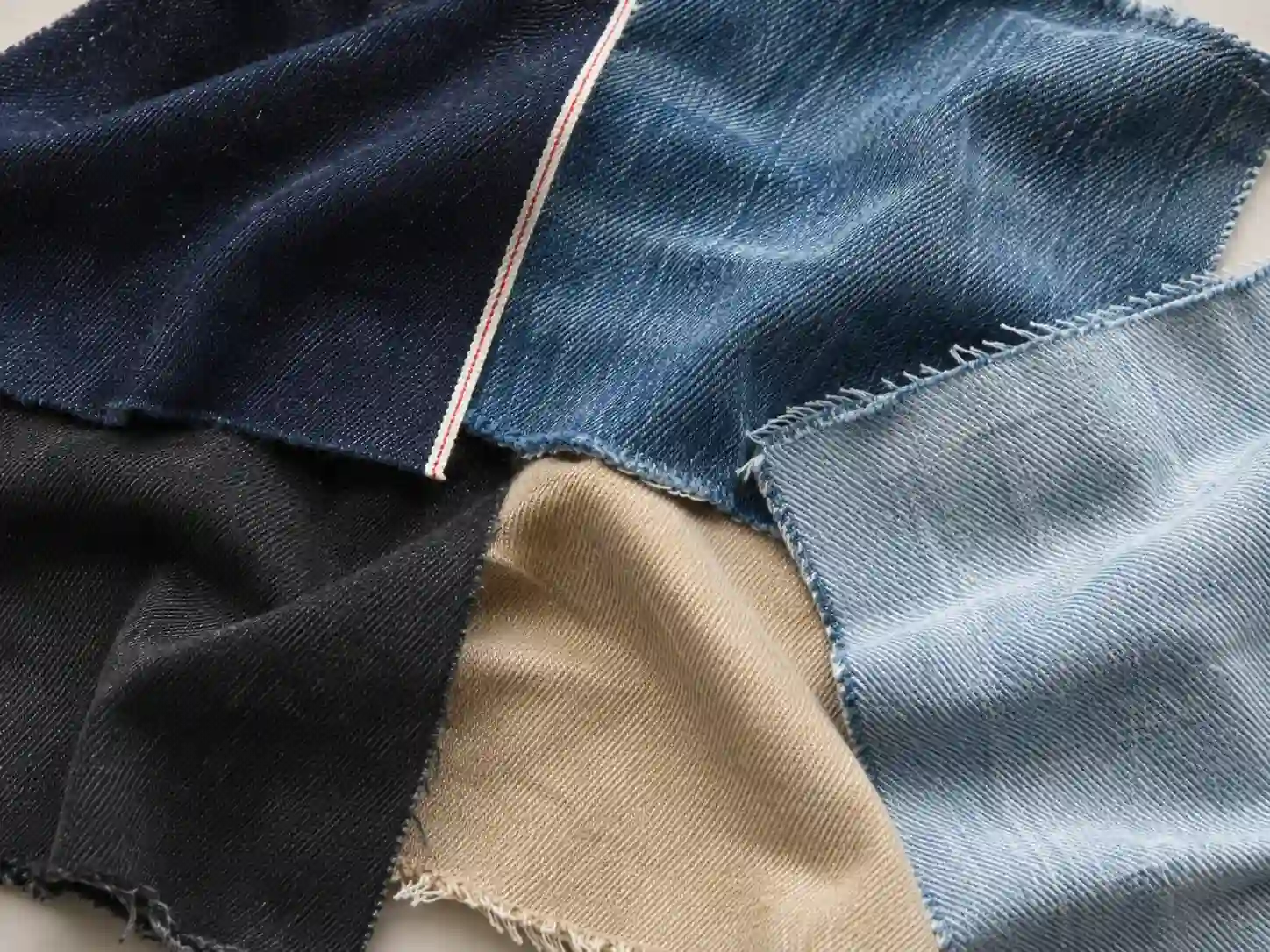
Denim is a woven twill fabric traditionally made from cotton, with a colored warp and a lighter weft. Its diagonal surface, recognizable texture, and characteristic fading behavior distinguish it from many other apparel fabrics. Although blue cotton denim remains the classic version, modern alternatives include stretch, rigid, lightweight, heavyweight, black, colored, and washed denim, each offering different combinations of structure, comfort, appearance, and performance.
Is Denim a Woven or Knitted Fabric?
Denim is traditionally a woven textile, meaning that two systems of yarn are interlaced at approximately right angles. The lengthwise yarns are called the warp, while the crosswise yarns are called the weft. In conventional denim, the warp often dominates the visible surface, creating the diagonal ribs associated with twill. This construction provides a stable foundation for garments that need a defined shape, although the finished fabric can range from soft and flexible to firm and substantial. The exact behavior depends on yarn properties, weave construction, density, finishing, and fiber composition.
The difference between woven and knitted construction matters when selecting materials for a collection. Woven denim is commonly used for jeans, skirts, jackets, shorts, shirts, and dresses because it can support a variety of silhouettes. Knitted fabrics, by comparison, are formed from interconnected loops and often provide greater natural flexibility, depending on their structure and composition. This does not mean woven denim must feel stiff or restrictive. Lightweight constructions, elastane-containing yarns, and softening treatments can make denim comfortable enough for relaxed everyday clothing.
For product development, the important question is how the material behaves in the finished garment. A firm woven denim may maintain a crisp pleat or structured waistband, while a softer alternative may create a more relaxed drape. These differences influence pattern development, seam construction, fit, and finishing requirements. When evaluating a candidate fabric, examine its construction alongside its weight, fiber composition, thickness, and intended garment application rather than relying on the word denim alone.
Is Denim the Same as Jeans?
Denim and jeans are closely related, but they describe different things. Denim refers to the textile, whereas jeans are a garment category traditionally made from denim. Jeans commonly feature a waistband, pockets, belt loops, a fly closure, and reinforced construction details, although designs vary considerably. Denim itself can be used for many other products, including skirts, dresses, shirts, jackets, shorts, jumpsuits, and coordinated fashion sets. Understanding this distinction allows designers and sourcing teams to evaluate the material independently of the garment style.
This distinction becomes especially useful when developing a collection for a specific customer or season. A lightweight denim may work well for a summer shirt or relaxed dress, while a more substantial material can support a structured jacket or a defined skirt silhouette. A single fabric family can therefore serve several product categories, provided the weight, drape, construction, and finishing suit the design. For women’s apparel, these considerations become particularly important when a collection combines fitted tops, flowing dresses, structured skirts, and casual outer layers.
Not every garment that resembles jeans is made from conventional denim. Some products use denim-look twill, printed cotton, coated fabrics, or other materials that reproduce the appearance of indigo denim. These alternatives can be appropriate for particular designs, but they may differ in durability, color behavior, handfeel, and care requirements. Before material sourcing begins, clarify whether the project requires genuine woven denim or simply a denim-inspired appearance. This small distinction can prevent unnecessary sampling and help align material selection with the intended retail price, garment function, and customer expectations.
What Makes Denim Different From Other Fabrics?
Denim’s identity comes from the interaction of its weave, yarn arrangement, color, and finishing. In classic blue denim, indigo-dyed warp yarns create a predominantly blue face, while the lighter weft is more visible on the reverse. The twill structure produces diagonal surface lines, distinguishing denim from many plain-weave fabrics such as poplin. These features also contribute to the familiar contrast and fading effects associated with traditional denim garments. Denim is therefore more than a particular shade of blue; it is a fabric construction with characteristic material behavior.
Compared with plain-weave cotton poplin, denim often has a more pronounced surface texture and a stronger visual association with casual clothing. Compared with many jersey knits, woven denim can provide a more defined silhouette. However, these differences are not absolute. Lightweight denim can drape softly, while heavyweight denim can feel firm, and stretch denim can provide considerable flexibility. A fabric’s weight and construction should always be considered together because two materials with similar compositions may produce different results when used in the same pattern.
Denim also responds to finishing in distinctive ways. Washing, abrasion, dyeing, and softening treatments can change its color, surface texture, and handfeel. Two fabrics with similar compositions and weights may therefore look noticeably different after processing. This becomes particularly important when a brand needs consistent shade and appearance across several styles. A useful comparison should consider fiber composition, weave construction, fabric weight, surface appearance, and finishing. For stretch denim, extension and recovery should also be assessed. Looking at these characteristics together provides a more reliable basis for selecting materials than comparing color or price alone.

What Is Denim Made Of?
Traditional denim is primarily made from cotton yarns woven in a twill structure, but modern versions may incorporate elastane, polyester, recycled fibers, or other materials. Composition influences handfeel, flexibility, durability, care behavior, and cost. Choosing the right blend requires understanding the garment’s intended fit, appearance, and performance rather than assuming that 100% cotton or a particular fiber percentage is always the best option.
Is Denim Always 100% Cotton?
No. Although cotton is the traditional fiber used in denim, many contemporary fabrics contain blended fibers to achieve specific performance or commercial objectives. Cotton provides a familiar textile handfeel and can develop characteristic fading through abrasion and wear. It is widely used for casual clothing because it offers a useful balance of comfort, strength, and versatility. However, cotton-only denim does not provide the same elasticity as a fabric engineered with an elastic fiber. Its actual performance still depends on yarn construction, weave density, finishing, and garment design.
Cotton-polyester blends may be considered when a project requires a different balance of dimensional stability, wrinkle behavior, durability, or material cost. The result depends on the proportion of each fiber, yarn construction, weave, and finishing. Polyester does not automatically prevent shrinkage or guarantee superior durability, so the finished fabric still needs to be evaluated. Other constructions incorporate elastane to improve movement and comfort. Some denim fabrics also use recycled fibers or alternative material sources to meet particular sourcing objectives, although these choices require appropriate supplier documentation when specific material claims are needed.
For apparel development, composition should be selected according to the intended garment. A structured jacket may benefit from a stable cotton-rich material, while fitted trousers may require controlled stretch and recovery. A denim shirt intended for warmer weather may need a lighter construction than a jacket designed to hold its shape. Record the approved fiber percentages in the material specification, and verify that the production fabric matches the agreed requirements. The fiber label is an important starting point, but it cannot independently establish quality, suitability, or expected garment performance.
Which Fibers Are Used in Stretch Denim?
Stretch denim commonly combines cotton with elastane, also known as spandex in the United States. Some commercial constructions use elastane proportions around 1–3%, although actual compositions vary according to the fabric and intended performance. The elastic component enables the fabric to extend during movement, making it useful for fitted trousers, slim jeans, body-conscious skirts, and other garments where unrestricted movement is important. The exact amount required depends on the design, fabric construction, and expected level of comfort rather than a universal formula.
The percentage of elastane alone does not determine whether a fabric performs well. A material with substantial stretch may still have poor recovery, meaning it does not return adequately toward its original dimensions after being extended. This can lead to bagging around the knees, seat, or waistband. Conversely, a fabric with limited extension may feel restrictive if the garment is designed for a close fit. Stretch should therefore be evaluated alongside the material’s ability to recover, the garment’s pattern, and the expected wear conditions.
Three properties should be considered together:
- Extension: How far the fabric stretches under specified test conditions.
- Recovery: How effectively it returns toward its original dimensions after stretching.
- Growth: How much the material remains elongated after repeated extension or use.
The direction of stretch matters too. A fabric may extend differently across its width and along its length, affecting garment fit and dimensional stability. Test conditions, applied force, and recovery time also influence the results, so supplier percentages should not be treated as complete performance specifications. The correct stretch level depends on the design, and sample fittings should confirm that the material provides suitable comfort without compromising shape retention.
How Do Warp and Weft Yarns Affect Denim?
Warp and weft yarns have different roles in the construction of conventional denim. The warp runs lengthwise through the fabric and usually carries the indigo color in traditional blue denim. The weft runs across the width and is commonly lighter or undyed. Because the colored warp dominates the face of a warp-faced twill, the outer surface appears predominantly blue, while the reverse often looks considerably lighter. This arrangement is one of the most recognizable features of classic denim and helps explain its characteristic surface contrast.
Yarn properties also influence the fabric’s character. Yarn thickness, spinning method, twist, regularity, and strength can affect the surface texture, durability, and handfeel. Ring-spun yarns, for example, can contribute to a textured appearance, while other spinning methods may be selected to meet different manufacturing or commercial objectives. The result depends on the complete yarn and fabric construction rather than a single characteristic. A more textured denim may suit a vintage-inspired design, while a smoother surface may support a cleaner, contemporary appearance.
These details become important when a collection requires a specific visual effect. Surface texture should be evaluated alongside color consistency, weight, and finishing because these characteristics interact. When requesting swatches, record the fiber composition, construction, weight, width, and shade. If texture or fading is important, document the expected appearance using an approved sample. This gives the development team a clear reference for evaluating alternatives and helps reduce the risk of receiving a production fabric that differs from the material originally selected.
How Is Denim Fabric Made?
Denim manufacturing involves fiber preparation, yarn spinning, warp preparation, dyeing, weaving, and finishing. The yarns are interlaced in a twill structure to create the characteristic diagonal surface. Depending on the intended product, additional treatments may control shrinkage, soften the fabric, or create a washed appearance. Each stage can affect color, dimensional stability, handfeel, and suitability for the finished garment, making process control important when a brand needs a repeatable result across samples and production batches.
What Is Twill Weave?
Twill is a woven construction in which the interlacing points shift across successive rows, producing diagonal lines on the fabric surface. Conventional denim frequently uses a 3×1 twill structure, in which the warp passes over three weft yarns before passing under one, although other constructions are also used. The exact arrangement influences the surface appearance and contributes to the fabric’s handling characteristics. The diagonal ribs are not merely decorative; they reflect the underlying structure of the textile and interact with yarn properties and fabric density.
Different twill constructions can produce different visual effects, but the weave name alone cannot predict every aspect of performance. Fiber composition, yarn size, density, finishing, and weight remain important variables. During product development, twill construction should be evaluated against the intended silhouette. A firm fabric may help maintain the shape of a structured jacket or skirt, while a lighter construction may be more appropriate for relaxed trousers or shirts. A garment with gathers, pleats, or curved seams may require particular attention to bulk and fabric handling.
A useful specification records the verified fabric construction alongside the required finished behavior. If a design depends on a specific surface texture, drape, or contrast, the approved swatch and sample garment should provide the reference for later production. This is especially important when several styles use similar denim but require different finishes. The same weave family can support very different products, but the weight, density, yarn properties, and finishing need to match each garment’s purpose.
Why Is Denim Usually Blue?
Classic blue denim gets its appearance from indigo-dyed warp yarns. The yarns are colored before weaving, while the weft is commonly left undyed or lighter. This arrangement produces the familiar blue face and paler reverse. Indigo is strongly associated with denim because of its historical use and its characteristic fading behavior under abrasion and wear. The exact appearance depends on the dyeing system, yarn characteristics, finishing, and how the garment is used and maintained.
Depending on the dyeing system, indigo may color the outer regions of a yarn more strongly than its core. As the surface wears, lighter areas can become visible, contributing to the faded appearance associated with many traditional denim garments. The degree of fading depends on the dyeing process, yarn properties, finishing, and repeated wear or washing. This behavior is part of the appeal of some denim products, but it can also create challenges when a brand expects the original shade to remain highly consistent.
Not all denim is intended to fade in the same way. Some products are designed to retain a relatively uniform, deep shade, while others are developed for high-contrast whiskering, abrasion, or a vintage appearance. Black and colored denim also use different color systems and may behave differently during washing. For apparel brands, color requirements should therefore be more precise than simply requesting dark blue denim. Specify the intended shade, surface appearance, and desired level of fading. Where several styles need to coordinate, approve shade references and evaluate the actual fabric or finished garment to reduce unwanted variation.
How Do Dyeing and Finishing Change Denim?
Dyeing establishes the base color, while finishing influences much of the final appearance and handfeel. After weaving, denim may undergo treatments to improve handling, control dimensional changes, or prepare the fabric for garment manufacturing. Once the garment is assembled, further processing may create a washed, softened, faded, or distressed appearance. These treatments can change not only the look of the material but also its dimensions, surface strength, and consistency, so they need to be considered during product development.
Different finishing methods produce different results. Enzyme washing can help develop a softer, worn appearance, while stone washing uses abrasive action to create fading and surface contrast. Bleaching and other controlled treatments can produce lighter shades, but excessive processing may affect fabric strength, seam integrity, hardware, and color consistency. The outcome depends on the starting material and the specific process conditions. A process that works well on one denim construction may not deliver the same result on another fabric with a different composition or weight.
Finishing also affects garment fit. A garment that meets its measurements before washing may become smaller or change shape afterward. Different panels or components may react differently if materials and processing conditions are inconsistent. A practical development sequence therefore begins with an approved base fabric and shade, followed by a sample using the intended construction and finishing route. The finished garment is then measured and reviewed for appearance, handfeel, and defects before the result is approved for bulk production. This connects material selection with the final product and helps identify problems before they affect a larger production run.

What Are the Main Types of Denim?
Common denim categories include raw denim, rigid denim, stretch denim, selvedge denim, washed denim, black denim, and colored denim. These terms describe different characteristics: some refer to finishing, others to elasticity, weaving methods, or color. They are not mutually exclusive, so one fabric may belong to several categories, such as stretch black denim or washed selvedge denim. Understanding these distinctions helps brands choose materials according to the garment’s intended appearance, comfort, and commercial position.
What Is Raw Denim?
Raw denim, also called dry denim, generally refers to denim that has not undergone the usual washing process intended to create a pre-washed appearance. It often begins with a deeper color and a firmer handfeel, although its stiffness depends on the fabric construction and any finishing applied before the garment reaches the customer. Its appearance can change through wear, with repeated friction creating lighter areas around creases, pockets, knees, and other high-contact zones. Some customers value this gradual change because it gives the garment a more individual appearance over time.
Raw denim is not automatically better than washed denim. Its suitability depends on the target customer, product positioning, desired comfort, and willingness to accept changes in color and appearance. Customers who prefer immediate softness and a relatively consistent shade may find pre-washed denim more suitable. Brands should also distinguish raw denim from unsanforized denim. Raw denim describes the absence of conventional washing or comparable treatments that create a worn appearance, while sanforization is a dimensional-stabilization process. A raw denim fabric can therefore be sanforized, and shrinkage behavior should be evaluated separately rather than inferred from the raw-denim label.
For product development, the key question is whether the untreated appearance is commercially desirable. If raw denim is selected, the product description and care instructions should explain that color transfer and fading may occur. During sampling, assess the actual fabric handfeel, dimensional stability, shade consistency, and construction rather than assuming all raw denim behaves the same way. The final decision should reflect customer expectations, intended fit, and the product’s expected use conditions.
How Do Rigid and Stretch Denim Differ?
Rigid denim contains no intentionally added elastic fiber and generally offers less stretch than stretch denim. It is often selected for structured or classic silhouettes because it can provide a defined appearance. Comfort depends on the fabric weight, weave, fit, and ease built into the pattern. Stretch denim incorporates an elastic component to improve flexibility, making it useful for fitted trousers, close-fitting skirts, and garments that need to accommodate body movement. The correct choice depends on the design and the expected balance between structure and comfort.
| Feature | Rigid denim | Stretch denim |
|---|---|---|
| Elastic fiber | Usually none intentionally added | Commonly includes elastane |
| Movement | Depends heavily on fit and construction | Can provide additional flexibility |
| Shape retention | Depends on weave, fiber, and finishing | Depends on recovery and construction |
| Main development checks | Fit, ease, shrinkage, and stability | Fit, extension, recovery, and growth |
| Typical design direction | Structured or classic silhouettes | Close-fitting or movement-focused silhouettes |
Stretch denim must be assessed for recovery as well as extension. A material that stretches comfortably but fails to return adequately may lose shape around the knees, seat, or waistband. Rigid denim has different challenges, including the need to provide sufficient ease and account for shrinkage or changes in handfeel. Neither category is universally superior. A structured jacket may benefit from rigid denim, while fitted trousers may require stretch. Before approval, assess the garment during movement and review its dimensions after the agreed care or washing process.
What Is Selvedge Denim?
Selvedge denim is woven with a finished fabric edge, traditionally using a shuttle loom. The self-finished edge helps prevent the woven edge from unraveling in the same way as a cut edge. It is often visible as a decorative strip when a garment’s hem is turned up, making it a recognizable feature in certain denim products. The construction is associated with traditional weaving methods and specialist products, but the presence of a selvedge edge alone does not establish that the fabric is superior in every respect.
Yarn quality, weave consistency, dyeing, finishing, fabric weight, and garment construction all influence the final result. A well-made non-selvedge denim may be more appropriate for a particular design than a poorly specified selvedge fabric. Selvedge production can also introduce sourcing considerations because loom type, usable fabric width, availability, minimum quantities, and price may differ from those of conventional denim. These factors matter when a brand is planning a commercial collection rather than developing a single sample.
When considering selvedge denim, clarify whether the finished edge is an important design feature. If it will be visible, the pattern and cutting plan should account for its placement. If the garment does not use the selvedge edge visibly, the additional cost may not deliver a meaningful benefit to the customer. Material selection should balance appearance, performance, and commercial feasibility instead of treating a specialist construction term as a universal quality rating.
How Do Washed, Black, and Colored Denim Differ?
Washed denim has undergone processing intended to change its color, softness, surface, or overall appearance. The result may range from a lightly softened finish to a faded vintage effect or more pronounced contrast. Because different fabrics respond differently to processing, the term washed denim does not describe one standardized specification. The starting fabric, dyeing system, and washing method all influence the finished result, so a sample should represent the actual process planned for production.
Black denim uses black or dark-colored yarns, while colored denim may appear in shades such as brown, green, red, or pastel colors. The dyeing system, yarn construction, and finishing influence the final appearance and how the fabric changes during washing and wear. Black denim, for example, may develop a different fading pattern from traditional indigo denim. These categories can overlap: a fabric may be stretch denim, dyed black, and garment-washed, combining several characteristics in one material.
When developing a collection, specify the required properties rather than selecting a single category name and assuming it defines the entire fabric. Consider whether the target shade should remain uniform or appear intentionally faded, whether the surface should feel crisp or soft, and whether several garments must maintain consistent color. Also consider whether the finishing process could affect dimensions, strength, seams, or hardware. Document the approved result using a shade reference and finished sample, especially when a collection includes several denim colors or wash effects.
Which Denim Fabric Is Best for Different Uses?
The best denim depends on the garment’s silhouette, season, fit, comfort, and finishing requirements. Lightweight denim is often suitable for shirts, dresses, and summer pieces, while medium-weight denim is commonly used for everyday trousers and skirts. Heavier denim can support structured jackets and workwear-inspired products. These ranges are starting points rather than fixed rules because construction, fiber composition, and finishing also influence the final result. The right material is the one that supports the intended garment and customer expectations.
Which Denim Weight Suits Jeans, Shirts, Dresses, and Jackets?
Denim weight is commonly expressed in ounces per square yard (oz/yd²) or grams per square meter (GSM). One ounce per square yard is approximately 33.9 GSM. Weight provides a useful indication of how substantial a fabric may feel, but it does not independently determine softness, strength, durability, or drape. Two fabrics with the same measured weight can behave differently because of differences in fiber composition, yarn construction, weave density, and finishing.
The following ranges are practical starting points for material selection. Industry descriptions of lightweight, medium-weight, and heavyweight denim vary, so each candidate fabric should be checked against its actual specification and intended application.
| Approximate weight | Approximate GSM | Potential applications | Main considerations |
|---|---|---|---|
| 5–7 oz/yd² | 170–237 GSM | Shirts, lightweight dresses, summer skirts | Drape, opacity, seam stability |
| 8–10 oz/yd² | 271–339 GSM | Shorts, relaxed trousers, casual skirts | Balance of structure and comfort |
| 11–13 oz/yd² | 373–441 GSM | Everyday jeans, structured trousers, skirts | Fit, shrinkage, movement, finishing |
| 14–16 oz/yd² | 475–542 GSM | Structured jackets, substantial trousers | Bulk, stiffness, sewing, comfort |
| Above 16 oz/yd² | Above 542 GSM | Selected heavyweight or specialist products | Handling, stiffness, wear comfort |
These figures are illustrative rather than universal product standards. A lighter fabric with a dense construction can behave differently from another fabric at the same weight. Likewise, washed denim may feel softer than untreated denim with a similar measured weight. For product development, begin with the intended garment rather than choosing a weight in isolation. Determine whether the design needs to drape, maintain a structured shape, stretch, or provide a substantial handfeel. Then compare available fabrics, construct samples, and assess the finished garment.
How Do Weight and Drape Affect Garment Shape?
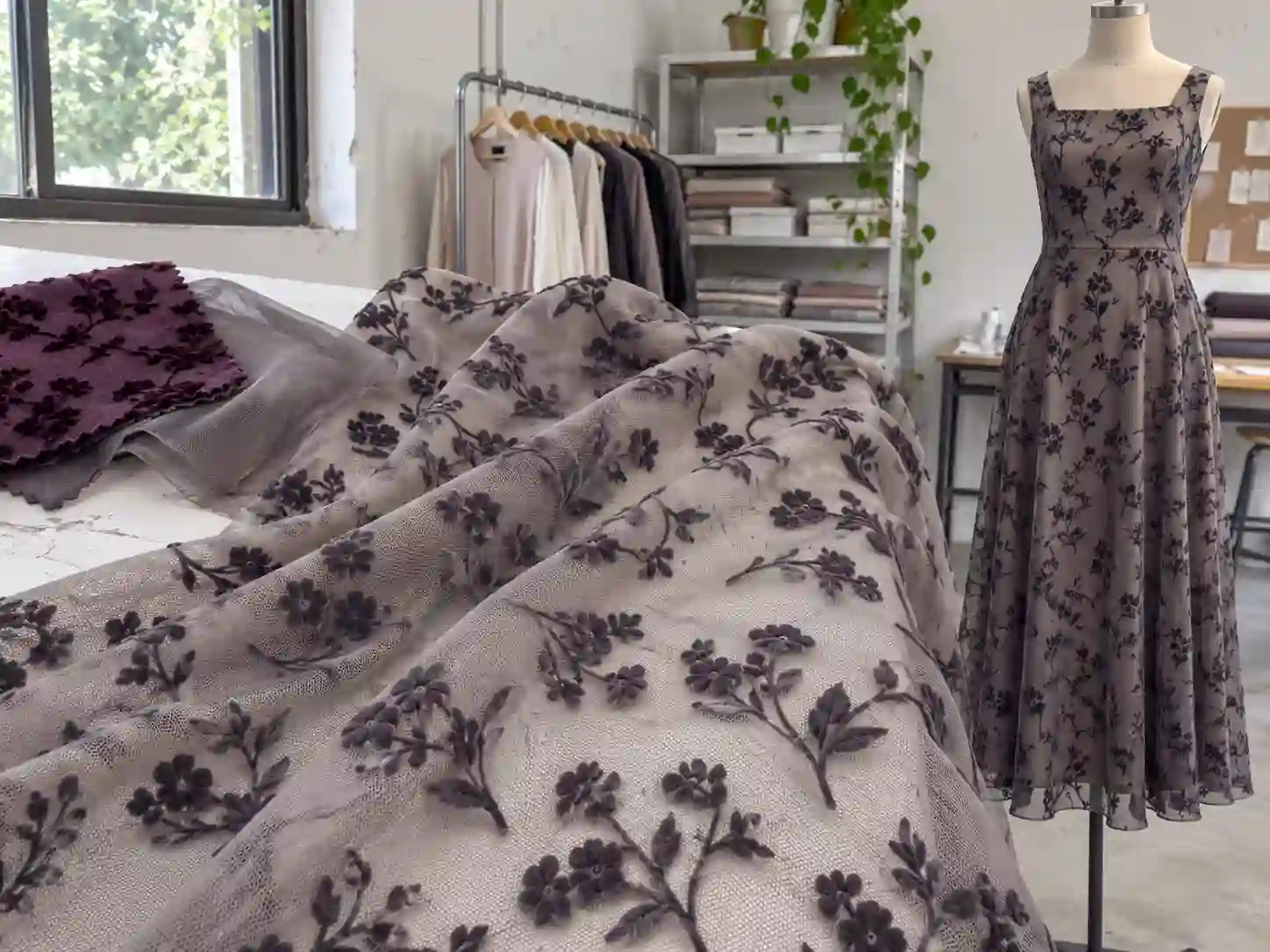
Weight and drape are related but distinct properties. Weight describes the mass of fabric per unit area, while drape describes how the fabric falls and forms folds under its own weight. Fiber composition, yarn properties, weave density, thickness, and finishing all influence how a textile behaves. A heavier denim may help create a structured jacket or skirt, but excessive weight can make a gathered dress feel bulky. A lighter fabric may produce softer folds and be more comfortable in warm weather, yet require closer attention to opacity, seam strength, and stability around fitted areas.
Pattern design must account for these differences. A firm fabric can create more volume around pleats or gathers than a softer material. It may also require different seam allowances, needle selection, or handling during sewing. A more flexible fabric may hang closer to the body, changing the appearance of the same pattern. This means that fabric selection and pattern development should be considered together rather than as separate tasks. When a design relies on a specific silhouette, the material must support that shape without making the garment unnecessarily heavy or difficult to wear.
For this reason, GSM alone is not enough to predict garment shape. A more complete review should include measured weight, usable width, handfeel, thickness, drape, shrinkage, and behavior at seams and hems. A sample garment is the most practical way to evaluate these properties together. The approved sample should reflect the intended finishing process because washing and softening may change the fabric’s final behavior. If the garment relies on a particular silhouette, review it on the intended fit model or an appropriate dress form before confirming the material.
How Do Stretch and Recovery Affect Fit?
Stretch and recovery are particularly important for fitted denim garments. Stretch describes how much a fabric extends under a defined force or test condition. Recovery describes how closely it returns toward its original dimensions after the force is removed. Together, these properties influence comfort, movement, and the garment’s ability to maintain its intended shape. Suitable stretch can improve comfort in fitted trousers and denim dresses, but the pattern must still provide appropriate ease and balance.
Excessive stretch cannot automatically correct poor proportions, and insufficient recovery may cause bagging around the knees, seat, or waistband. The finished result depends on the interaction between the fabric, garment construction, and fit. The direction of stretch matters as well because a fabric may extend differently across its width and along its length. Results also depend on the applied force, extension time, recovery period, and testing method. A stretch percentage copied from a supplier description should therefore not be treated as a complete performance specification.
For product development, define the intended fit before selecting the stretch level. Review extension and recovery information, then test the material in a sample garment. Assess comfort during movement, appearance after sitting and standing, and dimensional stability after the agreed wash cycle. For a graded size range, evaluate more than one sample size where practical. Fabric behavior interacts with grading, so a material that performs well in one size may need further review across the collection. The goal is consistent, comfortable fit rather than the highest possible stretch percentage.

How Do You Choose and Care for Denim Fabric?
Choosing denim requires matching composition, construction, weight, stretch, color, and finishing to the intended garment. Before bulk production, confirm the material specifications, evaluate a finished sample, and establish suitable checks for shrinkage, colorfastness, pilling, and dimensional stability. After purchase, follow the garment’s care label and use washing conditions appropriate to its composition and finishing rather than assuming every denim fabric responds in the same way. Good material decisions connect appearance, performance, and production feasibility.
Which Specifications Should Brands Check Before Sampling?
A useful denim specification turns a visual design idea into a set of measurable requirements. Instead of requesting simply “blue denim,” a brand should document the properties that affect appearance, fit, performance, and production feasibility. This makes it easier to compare supplier options and reduces the risk of approving a fabric that looks suitable but behaves differently after finishing. The specification should describe the material as it will be used, not merely the fabric’s general commercial category.
A practical material brief should cover fiber composition, construction, weight, usable width, stretch and recovery where applicable, color, finishing, dimensional stability, and sourcing constraints. These details influence not only the fabric itself but also pattern development, material consumption, and the finished garment’s consistency. Where supplier specifications are available, record the actual values and acceptable tolerances. If a property is unknown, request technical information or arrange an appropriate evaluation before finalizing the material. Avoid treating typical industry values as guarantees for a specific fabric or production batch.
The material specification should distinguish between the fabric before processing and the finished garment after washing or other treatments. A fabric that meets the initial requirements may behave differently after finishing, so approval should include the intended production route. For selected denim projects, XZapparel can review the proposed garment, material expectations, sourcing options, and finishing requirements against the project’s actual feasibility. Denim is not a core specialist category within XZapparel’s current positioning, so suitability and process ownership should be confirmed rather than assumed.
Before requesting a sample, prepare a design reference, target weight, composition preference, intended wash, estimated quantity, and target market. These inputs make the material review more focused and help establish whether the proposed development route is commercially realistic. A clear specification also provides a common reference for communication between design, sourcing, pattern development, sampling, and production teams, reducing the risk of misunderstandings as the project progresses.
How Do Shrinkage, Colorfastness, and Pilling Affect Performance?
Fabric quality should be assessed against the risks that matter for the intended garment. Shrinkage measures dimensional change under specified conditions. If it is not controlled, a garment may become smaller or change proportion after washing. Warp and weft directions can also behave differently, affecting leg length, garment width, panel balance, or seam alignment. The acceptable result depends on the product’s measurement requirements, intended care instructions, and the material’s performance after finishing.
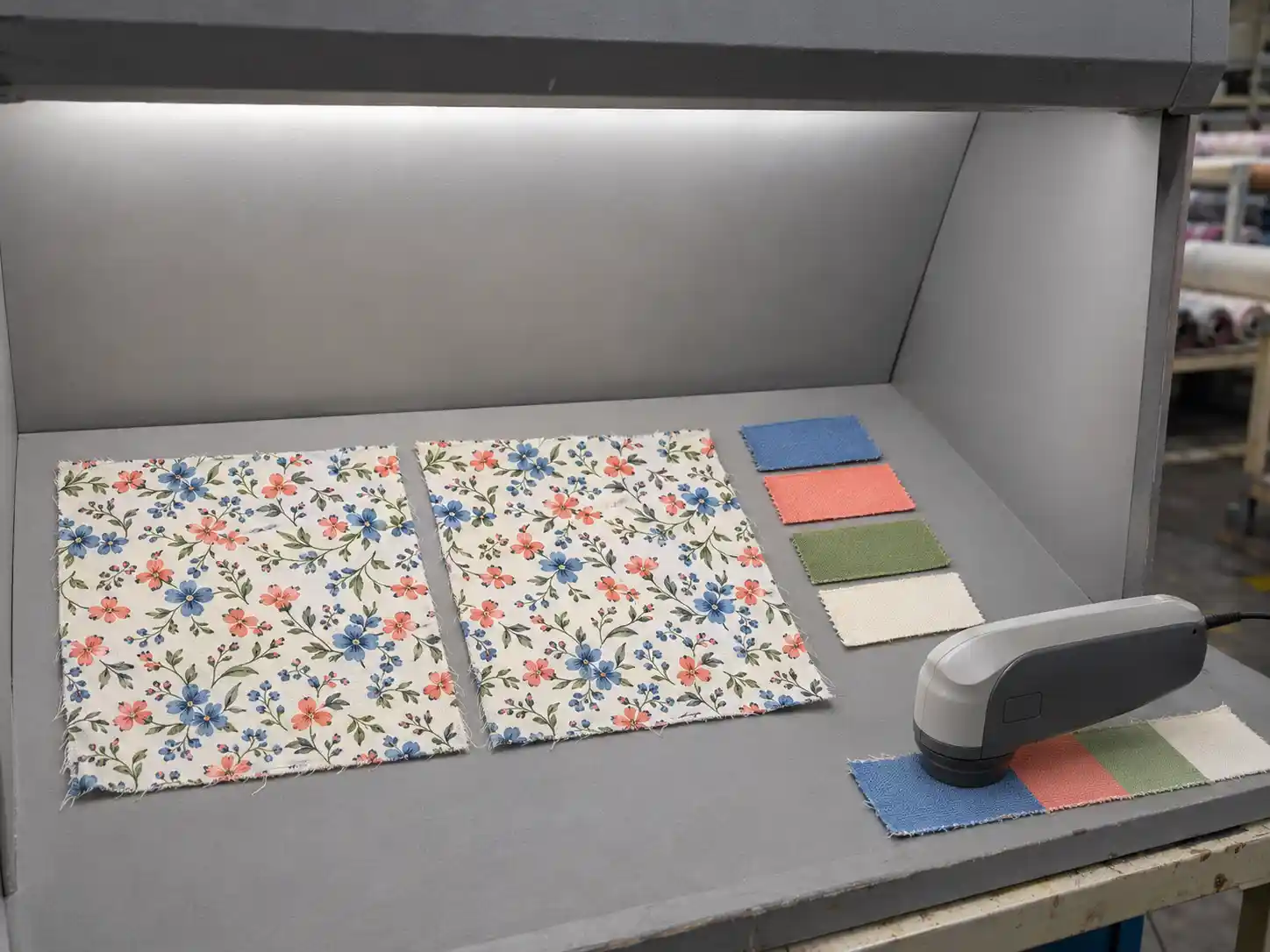
Colorfastness describes resistance to color change or color transfer under defined exposures, such as rubbing or washing. Indigo denim can transfer color, particularly in some dark or raw constructions, but the degree depends on the dyeing system, finishing, and fabric characteristics. A dark appearance does not automatically establish acceptable colorfastness. Pilling refers to the formation of small fiber balls on a fabric surface. It can affect appearance and perceived quality, although susceptibility varies with yarn construction, fiber blend, finishing, and wear conditions. Other relevant risks include shade variation, skewing, bowing, seam performance, and dimensional instability.
A practical quality plan identifies the material or garment being tested, the method used, the acceptance criteria, and the decision that follows the result. The following checks illustrate how different properties relate to apparel development.
| Quality check | What it evaluates | Why it matters |
|---|---|---|
| Fabric weight and width | Whether measurements match the specification | Supports material planning and consumption estimates |
| Shrinkage | Dimensional change after specified treatment | Helps maintain finished garment measurements |
| Colorfastness to rubbing | Color transfer under defined rubbing conditions | Reduces the risk of staining other surfaces or garments |
| Wash appearance | Color and surface changes after laundering | Helps confirm the intended finished appearance |
| Pilling | Formation of surface fiber balls under defined conditions | Supports appearance and durability evaluation |
| Stretch and recovery | Extension and return toward original dimensions | Helps control fit and shape retention |
| Skewing and bowing | Distortion in the fabric structure | Helps prevent twisting or misalignment in finished garments |
The appropriate test plan depends on the material, product, target market, and customer requirements. XZapparel’s broader apparel workflow includes selected in-house fabric checks for properties such as weight, shrinkage, colorfastness, rubbing, washing, pilling, stretch and recovery, spirality, and dimensional stability. These production-control checks are distinct from formal third-party laboratory reports, which can be arranged when a project requires them. Testing is most useful when its results guide a production decision, allowing the team to investigate problems, consider another fabric or finishing route, or revise the specification before committing to bulk production.
Is Sustainable Denim Always the Better Choice?
Sustainable denim is not a single material category. The term may refer to preferred fiber sourcing, recycled content, reduced-impact dyeing, more efficient finishing, water management, chemical control, or longer product life. These approaches address different environmental concerns, so a fabric cannot be evaluated reliably through a sustainability label or a single headline claim alone. A meaningful comparison identifies which impact a proposed change is intended to reduce and what evidence supports that claim.
Denim production can involve resource-intensive processes. Cotton cultivation requires land and water, while dyeing, finishing, and garment washing can consume water, energy, and chemicals. Research published in ACS Omega reviews environmental challenges associated with denim manufacturing and efforts to improve dyeing, finishing, and resource use.
When comparing materials, recycled fiber content may support a particular sourcing objective, while a revised washing process may focus on processing impacts. Neither automatically proves that every other environmental impact is lower. Product durability and useful life also matter, depending on how the garment is worn and maintained. A responsible sourcing decision should examine the evidence behind each claim, request relevant supplier documentation, and confirm exactly what the document covers. Material-level certification should not be confused with factory-level certification, and documentation for one material or production scope should not automatically be assumed to cover every product.
For XZapparel, material and supplier documentation must be evaluated within the actual sourcing arrangement. The appropriate choice depends on the garment specification, customer standards, availability, and verified supporting records rather than a general assumption that one denim type is always more sustainable. Brands should prioritize transparent documentation and product suitability while avoiding environmental claims that cannot be substantiated by the available evidence.
How Should Denim Be Washed to Preserve Color and Shape?
The best way to care for denim depends on its composition, dyeing, finishing, and garment construction. Washed cotton denim may tolerate a different routine from dark raw denim, while stretch denim containing elastane may require additional care to protect its recovery. The garment’s care label should take priority over general advice because it reflects the requirements of the finished product. There is no single washing routine that is suitable for every denim garment, especially when coatings, embellishments, or specialist finishes are involved.
For many denim garments, several practical habits can help preserve color and shape when they are consistent with the care label. Check the recommended washing temperature, drying method, and restrictions on bleaching or ironing before laundering. Avoid unnecessary washing when the garment can simply be aired and remains clean, but do not compromise hygiene or ignore actual use conditions. Dark indigo or black denim may transfer color, particularly during early washes, so separation from light garments can be appropriate. Use suitable detergent and avoid harsh bleaching treatments unless the care instructions explicitly allow them.
Drying conditions matter as well. Excessive heat may contribute to shrinkage or affect elastic fibers, so follow the specified drying instructions rather than assuming that every denim garment can tolerate high-temperature drying. After washing, inspect the garment for changes in fit, color, seams, and surface appearance, particularly when evaluating a new or unfamiliar material. These observations can help identify whether the care routine is suitable for the garment and whether further adjustments are needed.
Brands developing denim should evaluate care performance before bulk approval. A fabric may look excellent before laundering but change in dimensions, shade, or handfeel afterward. Washing trials should therefore reflect the intended care conditions and the product’s quality requirements. For collections containing several denim styles, consistent care instructions are also important. If garments use related fabrics but respond differently to washing, each product may need its own validated instructions. Avoid promising that denim will never fade or shrink; the realistic objective is to understand, control, and communicate its expected behavior.
Choosing Denim With Confidence
Successful denim development is about more than choosing a familiar blue fabric. It requires the right combination of construction, weight, fiber content, color, finishing, fit, and verified performance. When these decisions are documented and checked against an approved sample, fashion brands have a stronger foundation for producing garments that look right, wear comfortably, and meet their intended commercial requirements. The most suitable material is not necessarily the heaviest, most expensive, or most technically complex option; it is the one that supports the design and performs consistently under the conditions for which the garment is intended.
At XZapparel, fabric selection is considered within the broader process of apparel development, sampling, sourcing coordination, and quality review. Selected denim-related projects can be assessed according to the garment design, material availability, finishing requirements, estimated quantity, and production feasibility. Brands considering denim dresses, skirts, shirts, or other casual apparel can begin with a design reference and a clear material brief. Confirming the actual requirements early makes it easier to evaluate alternatives, identify potential risks, and establish a realistic route from initial concept to an approved garment.
Frequently Asked Questions About Denim Fabric
Is Denim Fabric 100% Cotton?
Traditional denim is commonly made from cotton, but not all denim is 100% cotton. Modern versions may contain elastane to improve stretch and recovery or polyester to achieve selected performance and commercial objectives. The best composition depends on the garment’s intended fit, weight, comfort, and care requirements. Always check the fiber percentages on the material specification rather than assuming that the word denim describes a particular composition.
Is Denim a Natural or Synthetic Fabric?
Denim describes a woven fabric construction rather than one specific fiber. Traditional denim is primarily cotton, a natural fiber, but modern denim can include synthetic fibers such as polyester and elastane. Some fabrics combine natural and synthetic fibers to achieve a particular balance of comfort, flexibility, dimensional stability, or cost. To understand the actual material, check its fiber composition, weave, finishing, and care instructions instead of relying on the category name alone.
What Is the Difference Between Denim and Jeans?
Denim is the fabric, while jeans are a type of garment traditionally made from that fabric. Denim can also be used for dresses, skirts, jackets, shirts, shorts, and jumpsuits. Jeans usually have recognizable construction features such as a waistband, pockets, belt loops, and a fly closure. Some jeans-inspired garments use other fabrics that imitate denim’s appearance, so the finished product’s material should be confirmed when genuine woven denim is required.
What Is the Best Denim Weight for Dresses and Shirts?
The appropriate denim weight depends on the design, season, and desired silhouette. As a general starting point, lightweight denim around 5–7 oz/yd², or approximately 170–237 GSM, may suit shirts, lightweight dresses, and summer skirts. However, weight alone does not determine drape or comfort. Weave density, fiber composition, finishing, and opacity also matter. Always evaluate a sample garment to confirm that the material supports the intended shape and remains suitable after washing.
Does Denim Shrink After Washing?
Denim can shrink during washing, but the degree depends on fiber composition, construction, prior stabilization, finishing, and washing conditions. Some fabrics receive dimensional-stabilization treatments to reduce subsequent shrinkage, although this does not guarantee zero dimensional change. For apparel development, measure the fabric or garment before and after an agreed washing procedure and record the results. Follow the care label for finished garments, since high temperatures and unsuitable drying methods may affect both dimensions and stretch performance.
What Is the Difference Between Raw Denim and Washed Denim?
Raw denim generally refers to denim that has not undergone the usual washing process used to create a pre-washed appearance. It often starts with a deeper color and firmer handfeel and may develop distinctive fading through wear. Washed denim has been processed to change its softness, color, or surface appearance before reaching the customer. Neither type is universally better. The choice depends on the intended aesthetic, comfort, color consistency, customer expectations, and care requirements.
How Can Brands Check Denim Quality Before Bulk Production?
Brands should confirm the fabric composition, construction, weight, usable width, shade, finishing, and any stretch requirements before approving a material. Depending on the product, relevant checks may include shrinkage, colorfastness to rubbing and washing, pilling, stretch recovery, and dimensional stability. The finished sample should be evaluated after the intended washing or finishing process, because untreated fabric alone cannot show every potential issue. Acceptance criteria and the agreed test method should be documented before bulk production begins.