Skip to content

Choosing a lightweight fabric can seem straightforward until the first garment sample comes back from the sewing room. The material that looked beautifully airy on a supplier’s swatch may turn out to be too transparent for a summer dress, too soft to support gathered sleeves, or too difficult to control around a narrow hem. Voile is particularly interesting because it offers a delicate appearance while retaining some structure, making it a useful option for women’s blouses, dresses, skirts, and layered designs. Its performance, however, depends on more than the name printed on a fabric card. Fiber composition, yarn construction, fabric weight, finishing, and garment design all influence the final result.
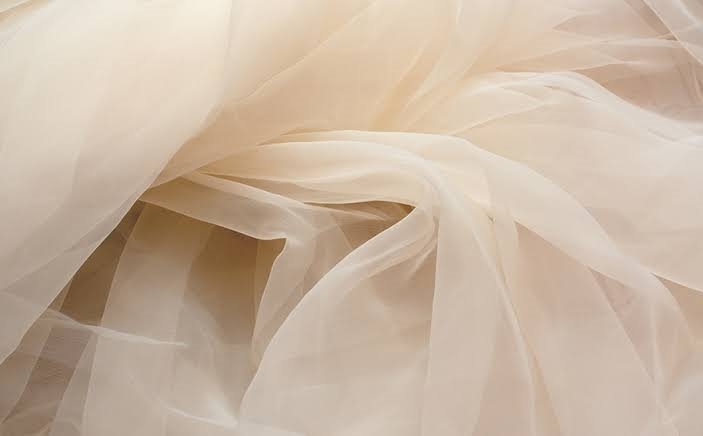
Voile is a lightweight woven fabric, usually made with a plain weave and fine yarns, that creates a soft, airy, often semi-sheer appearance. It can be produced from cotton, polyester, linen, or blends, so its breathability, wrinkle resistance, drape, and opacity vary by specification. In women’s clothing, voile is commonly used for summer dresses, blouses, skirts, sleeves, and layered garments, with lining added when the design requires greater coverage.
For fashion brands, the real value of understanding voile lies in making better material decisions before committing to sampling and bulk production. A fabric that works beautifully for a relaxed blouse may not deliver the right body for a tiered skirt, and a version that looks opaque in a small swatch may become more transparent under strong light. At XZapparel, fabric selection is considered alongside garment construction, fit, finishing, and quality control. Understanding these relationships helps brands develop garments that look right, feel comfortable, and remain consistent from the approved sample to the finished collection.

What Is Voile Fabric?
Voile is a lightweight woven fabric, commonly made with a plain weave and fine yarns, that creates an airy appearance and a smooth, soft, or slightly crisp handfeel. It is often semi-sheer, although transparency varies with fiber composition, yarn density, weight, color, and finishing. In women’s apparel, voile is frequently used for lightweight blouses, summer dresses, gathered skirts, sleeves, and layered designs.
How Is Voile Woven?
Voile is commonly constructed using a plain weave, in which lengthwise warp yarns and crosswise weft yarns pass alternately over and under one another. This balanced interlacing creates a relatively stable woven structure without the prominent diagonal ribs of twill or the longer yarn floats found in some satin constructions. Fine yarns contribute to the fabric’s lightweight appearance, while yarn twist and finishing influence its characteristic combination of softness and slight crispness. Traditional cotton voile often uses fine, relatively high-twist yarns, although commercial versions vary considerably.
The plain weave alone does not determine whether a fabric will be transparent, soft, or suitable for a particular garment. Yarn diameter, thread density, fiber characteristics, and finishing all influence the finished material. Two plain-weave fabrics can therefore behave differently even when their fiber compositions are similar. A more densely constructed voile may provide greater coverage, while a lighter version may be better suited to overlays or garments designed to be worn with an underlayer.
When assessing voile for garment development, it helps to examine the fabric both flat and when draped. A flat swatch reveals the surface, color, and regularity of the weave, while a draped swatch shows how the material falls and whether it develops unwanted stiffness or creases. Holding the fabric against a contrasting background can also reveal its actual transparency. For production, construction should be considered alongside GSM, usable width, composition, and finish, rather than treating the word voile as a complete technical specification.
What Makes Voile Different From Other Sheer Fabrics?
Voile is valued for its combination of lightness, softness, and relatively natural movement. Depending on its construction, it can provide more body than a particularly fluid chiffon while remaining less rigid than organza. This balance makes it useful for garments that need an airy appearance without excessive stiffness or dramatic volume. Common applications include relaxed blouses, gathered sleeves, summer dresses, tiered skirts, and lightweight overlays.
These distinctions are general tendencies rather than absolute rules. A denser voile may feel firmer than a lightweight chiffon, while a specially finished organza may be softer than expected. Fiber choice, yarn characteristics, weight, and finishing can change the behavior of each fabric category. Comparing materials by name alone can therefore lead to an unsuitable selection, especially when the finished design depends on a specific level of movement or structure.
A more reliable approach begins with the intended garment. A flowing overlay may need fluid movement and a delicate appearance, while a gathered sleeve may require enough body to maintain its shape. A summer blouse worn directly against the skin may prioritize comfort, whereas a layered occasion dress may place greater emphasis on transparency and texture. Lining, seams, gathers, and pressing can also change the way the fabric behaves after sewing. Evaluating the material within the intended construction makes it easier to determine whether voile supports the design rather than simply whether the swatch looks attractive.
What Is Voile Made Of?
Voile can be made from cotton, polyester, linen, and fiber blends. Cotton versions are often chosen for their familiar natural handfeel, while polyester versions may offer better wrinkle resistance and appearance retention. Blended fabrics can balance different properties, but their performance depends on actual fiber percentages, yarn construction, density, and finishing. The composition should therefore be confirmed before a fabric is selected for a commercial garment collection.
Is Voile Always Made From Cotton?
No. Although cotton is strongly associated with traditional voile, the term does not guarantee a specific fiber composition. Commercial voile may contain cotton, polyester, linen, or combinations of fibers. These materials can share a lightweight woven appearance while differing substantially in comfort, wrinkle behavior, transparency, surface texture, and care requirements. The fabric name describes a broad material category, not a promise that every version will perform in the same way.
Cotton voile is frequently used in warm-weather clothing because it can feel comfortable against the skin and provide a soft, breathable character. However, cotton does not automatically mean that a fabric will resist wrinkles, retain its dimensions, or remain opaque after washing. Those characteristics depend on the construction, finishing, and care conditions. A lightweight cotton fabric may need dimensional-stability checks before approval, particularly when the garment has carefully controlled proportions or requires a consistent finished length.
Polyester voile can offer practical advantages when a product requires reduced wrinkling or a more consistent appearance during wear. Its handfeel and comfort still depend on yarn design, fabric density, and finishing. A poorly selected polyester voile may not deliver the softness or drape expected in a premium summer garment, just as a cotton version may not meet a brand’s maintenance expectations. Fiber blends can provide a useful compromise, but the blend ratio should be confirmed rather than assumed. For XZapparel, the relevant question is whether the material meets the intended garment’s appearance, comfort, care, and production requirements.
How Do Cotton, Polyester, Linen, and Blends Differ?
Different fibers influence the way voile feels, drapes, wrinkles, and responds to care. Cotton often provides a natural handfeel and suits relaxed summer clothing. Polyester can help reduce wrinkling and maintain a consistent appearance. Linen and linen-rich blends can introduce a distinctive natural texture, although visible irregularities and creasing may not suit designs that require a perfectly smooth surface. These differences are particularly important when one collection includes several silhouettes with different expectations for appearance and maintenance.
Blends offer another option when one fiber does not meet every requirement. A cotton-polyester voile may provide a balance between familiar comfort and easier maintenance, while a linen blend may soften the pronounced texture associated with linen. Nevertheless, these outcomes depend on the percentages of each fiber and the way the fabric has been constructed and finished. A small amount of one fiber does not guarantee a meaningful improvement in performance, so the finished material should always be evaluated against the intended use.
| Material option | Potential strengths | Main considerations | Possible apparel applications |
|---|---|---|---|
| Cotton voile | Natural handfeel and warm-weather comfort | Wrinkling, shrinkage, opacity | Summer blouses, dresses, tunics |
| Polyester voile | Potential wrinkle resistance and appearance retention | Handfeel, static, heat sensitivity, drape | Lightweight blouses, overlays, printed garments |
| Cotton-polyester voile | Potential balance of comfort and maintenance | Blend ratio and washing behavior | Casual dresses, shirts, coordinated summer styles |
| Linen or linen-blend voile | Natural texture and relaxed appearance | Creasing, surface irregularities, shrinkage | Resortwear, relaxed tops, loose dresses |
These are general tendencies rather than guarantees for every fabric. Two cotton voiles can perform differently because one uses finer yarns or a denser weave, while another has a different finish. Color and finishing can also influence the final appearance. For a commercial collection, the specification should identify composition, construction, weight, usable width, color, finish, and intended use. If the garment will be washed frequently, dimensional stability and color performance become especially important. If the design relies on a particular texture or drape, the physical sample should be approved against a clear reference.
How Does Fiber Choice Affect Garment Performance?
Fiber selection affects the complete garment, not just the fabric’s feel when handled. It can influence pressing behavior, seam appearance, care instructions, shrinkage, color retention, and the way a garment looks after repeated wear. These factors become particularly important in women’s apparel, where small changes in drape or transparency can alter the intended silhouette. A fabric that performs well in one style may need a different assessment when used in a fitted bodice, gathered sleeve, or multi-layered skirt.
Consider a lightweight summer blouse. Cotton voile may create a soft, natural appearance, but its wrinkling and shrinkage behavior must be acceptable for the intended product. Polyester voile may be easier to maintain, yet its handfeel and response to pressing still need to be checked. If the design includes gathers, narrow hems, or delicate button plackets, the material must also be manageable during sewing. The same logic applies to printed garments, where the fabric surface, color, and finish influence the final visual result.
A linen-blend voile may work well for a relaxed resort collection where natural texture is part of the aesthetic. That same texture may be less suitable for a formal blouse requiring a uniform, polished surface. The most effective selection process begins by defining the desired appearance and care performance, then comparing physical samples and confirming their specifications. Relevant tests should follow before production approval. This sequence reduces the risk of choosing a material that sounds appropriate in a description but fails to meet expectations during sampling or bulk manufacturing.

What Are the Main Properties of Voile?
Voile is generally lightweight, airy, and often semi-sheer, with a soft handfeel and drape that ranges from relaxed to moderately crisp. Its actual properties depend on fiber composition, yarn construction, fabric weight, density, and finishing. For garment development, breathability, opacity, dimensional stability, and drape should be assessed together rather than treated as separate qualities, because each can affect comfort, appearance, and production performance.
Is Voile Breathable and Lightweight?
Voile is commonly used for warm-weather garments because its lightweight construction can help clothing feel airy and comfortable. Cotton versions are particularly popular for summer blouses, loose dresses, and resortwear. However, breathability is not determined by fiber content or weight alone. Yarn structure, weave density, finishing, garment ease, and the number of fabric layers all influence how comfortable the finished product feels. A loose blouse made from a lightweight voile may feel very different from a fitted dress made from the same fabric with a full lining.
GSM, or grams per square meter, is a useful measurement for comparing fabric weight. As a broad market reference, lightweight voile is often available around 50–100 GSM, although individual products can fall outside that range. This is an indicative range rather than a universal definition or required specification. A 60 GSM fabric may be suitable for a delicate overlay, while a slightly heavier version may provide more body for a gathered blouse. The correct choice depends on the design, intended coverage, and finished silhouette.
| Indicative fabric weight | Possible behavior | Selection consideration |
|---|---|---|
| Around 50–70 GSM | Very lightweight appearance; potentially high transparency | Check coverage, handling, and lining requirements |
| Around 70–100 GSM | Lightweight with potentially greater body | Compare drape, opacity, and garment construction |
| Above 100 GSM | May provide more body or coverage, depending on construction | Confirm that the fabric still delivers the intended lightness |
These ranges are illustrative, not standardized voile grades. Weight should never be treated as a direct measure of quality. A heavier voile is not automatically more durable or more comfortable, and a lighter fabric is not necessarily superior for summer clothing. When evaluating a candidate, record its weight and usable width, examine its drape, and assess the complete garment design. This gives the development team a more dependable basis for selection than simply choosing the lightest available material.
Is Voile See-Through?
Voile is often semi-sheer, but the degree of transparency varies considerably. Fine yarns and a more open construction can allow more light to pass through, while denser construction, darker colors, or particular finishes may provide greater coverage. The appearance also changes depending on what sits behind the fabric. A voile that looks relatively opaque against a white background may reveal more detail when placed over a contrasting color or held in strong backlighting.
This matters because different garments require different levels of coverage. A blouse intended to be worn over a camisole may deliberately use a sheer fabric, while a summer dress may need lining across the body and skirt. A sleeve may remain unlined to preserve its lightness even when the main body requires additional coverage. Transparency should therefore be evaluated according to the intended product rather than judged as an isolated fabric characteristic.
A practical assessment involves holding the fabric against both light and dark backgrounds, examining it under direct and indirect lighting, and draping it over a form or representative underlayer. Areas that stretch during wear should also be checked, because transparency can change when the fabric is under tension. If the garment includes lining, evaluate the combination rather than the outer fabric alone. These checks help identify coverage issues before the sample is finalized.
Lining is not a universal solution because it changes the finished garment. It can increase weight, affect drape, add material consumption, and make the garment warmer. If opacity is critical, document the required result with a reference sample or approved garment rather than relying on descriptions such as “slightly sheer.” The objective is to provide appropriate coverage without losing the light, airy appearance that made voile attractive in the first place.
Does Voile Wrinkle, Shrink, or Lose Shape?
Voile can wrinkle, shrink, or change dimensions, but the level of risk depends on its fiber composition, construction, finishing, and care conditions. Cotton voile may crease during wear and shrink if it has not been adequately stabilized. Polyester versions may resist wrinkles better, but their performance still depends on the actual specification. Neither fiber category should be treated as a guarantee of dimensional stability, especially when the finished garment has precise length, fit, or proportion requirements.
For garment production, the important question is whether the fabric behaves acceptably under the conditions the product will experience. Some surface creasing may suit a relaxed summer design, while unexpected shrinkage that changes dress length or sleeve proportions can create a serious quality issue. A fabric that looks correct before washing may also behave differently after laundering or pressing. These risks should be assessed before bulk cutting, when material or pattern adjustments are generally easier to manage.
| Potential issue | Relevant check | Possible response |
|---|---|---|
| Shrinkage | Washing and dimensional-stability assessment | Review fabric preparation or pattern allowance |
| Color transfer | Rubbing and colorfastness checks | Review material approval and care requirements |
| Uneven weight | GSM measurement and incoming inspection | Confirm suitability and lot consistency |
| Distortion | Alignment and dimensional review | Review spreading and cutting practices |
| Surface pilling | Appropriate pilling assessment where relevant | Reconsider material or finish if needed |
| Pressing problems | Sample pressing and finishing review | Adjust the process or reconsider the fabric |
Not every test is necessary for every voile. The appropriate plan depends on the garment, customer requirements, and likely risks. For example, colorfastness may be particularly important for saturated colors, while pilling may be less central for a particular lightweight woven blouse than for a fabric exposed to repeated friction. XZapparel’s documented material-control capabilities include GSM, shrinkage, colorfastness, rubbing, washing, pilling, stretch recovery, spirality, and dimensional-stability checks. Formal third-party testing may be needed when customer requirements or the destination market call for an official report.
What Is Voile Used for in Women’s Clothing?
Voile is commonly used for lightweight blouses, summer dresses, skirts, sleeves, ruffles, tunics, and layered garments. Its airy appearance and soft movement make it useful for relaxed silhouettes and warm-weather collections. Whether it works as a single layer or needs lining depends on its opacity, weight, construction, and the intended coverage and support of the finished garment. The fabric should be assessed within the actual design rather than approved solely because it looks attractive as a swatch.
Is Voile Suitable for Dresses, Blouses, and Skirts?
Yes. Voile can work well for women’s dresses, blouses, and skirts, particularly when the design calls for a lightweight appearance and gentle movement. In blouses, it can create soft sleeves, gathered shoulders, relaxed bodies, and delicate layering. In dresses, it can support tiered skirts, loose silhouettes, ruffles, and printed summer styles. In skirts, it can provide volume without the heavier feel of some denser fabrics, making it useful for designs that need movement without excessive bulk.
The design must still be compatible with the fabric. A loose, gathered silhouette may work naturally with soft voile, while a fitted bodice requires closer attention to opacity, seam strength, and support. Narrow straps, button plackets, and concentrated gathers may also need careful construction because lightweight fabric can reveal puckering or uneven stitching more readily than a firmer material. A design with several layers or heavy embellishments may need a different fabric or additional structural support.
Print and color choices are equally important. A small-scale print can look different from a large, high-contrast pattern when viewed through a semi-sheer surface. Lining can change the apparent color or mute the print, so the complete fabric combination should be reviewed before the design is approved. For collections with several styles, the same voile should not automatically be used across every garment. A blouse, a tiered dress, and a full skirt place different demands on drape, coverage, and construction.
Reference images, sketches, and a Tech Pack help establish the silhouette, construction details, and expected finish. This information allows a development team to assess whether voile is appropriate or whether a related material would deliver a more reliable result. The aim is to select a fabric that supports the design throughout sampling and production rather than choosing one based only on its appearance in a supplier photograph.
When Does Voile Need a Lining?
Voile needs lining when the outer fabric does not provide the coverage, opacity, comfort, or support required by the garment. A summer dress may need lining across the body and skirt, while a blouse designed for layering may intentionally remain sheer. The decision should reflect the garment’s intended use, target customer, and desired level of transparency. It should also consider the climate in which the garment will be worn and whether the extra layer affects comfort.
Lining changes more than coverage. It adds fabric consumption, weight, sewing operations, and potentially cost. It can also change the way a skirt moves or make a loose garment feel warmer. If the lining is significantly less fluid than the voile, the two layers may move differently, creating an uneven hem or a silhouette that looks heavier than intended. For this reason, the lining should be chosen alongside the outer fabric rather than added at the end without testing.
Before approving the combination, compare color, drape, shrinkage, and care requirements, and confirm that the layers do not create unwanted outlines or contrast. A garment may need full lining, partial lining, or a separate underlayer depending on its design. Useful questions include which body areas require full coverage, whether the lining should match the outer fabric, and whether both materials tolerate the same washing and pressing conditions.
Testing the complete garment is more reliable than judging each fabric independently. The finished sample should confirm that the lining provides the required coverage without compromising comfort, movement, or appearance. This is especially important when the garment includes gathers, multiple skirt tiers, or lightweight sleeves designed to remain unlined. The best lining solution is the one that preserves the intended silhouette while meeting the garment’s practical requirements.
How Does Voile Affect Drape and Silhouette?
Voile can create a soft, light silhouette, but its drape depends on fabric weight, yarn characteristics, construction, finishing, and pattern design. A fluid version may fall naturally around the body, while a slightly firmer version may support gathered sleeves or tiered skirts. These differences influence how a garment moves, how much volume it holds, and whether the finished silhouette matches the design reference. Fabric selection and pattern development therefore need to be considered together.
Pattern construction is particularly important for lightweight fabrics. Gathers, narrow hems, seams, and changes in grain direction can all influence the finished appearance. A gathered skirt may require enough body to distribute fullness evenly, while a relaxed blouse may benefit from softer drape. A panel cut on the bias can hang differently from one cut on the straight grain, so fabric behavior should be evaluated alongside the pattern. Seam puckering or visible seam allowances may also affect the finished appearance.
A flat swatch cannot reveal every aspect of this relationship. A sample garment shows how the material behaves around the neckline, armhole, waist, and hem, where puckering, seam show-through, or uneven movement may become apparent. It also allows the development team to evaluate whether lining or interfacing changes the intended effect. For a brand developing several styles, each pattern should be reviewed on its own merits because a voile suitable for a loose blouse may not provide enough body for a voluminous skirt.
The most reliable decision combines physical fabric evaluation with garment sampling. Once the material, construction, and silhouette work together, the approved sample becomes a practical reference for maintaining the intended appearance during bulk production. This process also helps identify whether the material requires a different finish, a construction adjustment, or a related fabric with more suitable characteristics.

How Does Voile Compare With Chiffon, Organza, and Cotton Lawn?
Voile, chiffon, organza, and cotton lawn are lightweight woven fabrics, but they typically differ in handfeel, drape, transparency, and structure. Voile often offers a soft, airy appearance; chiffon is generally more fluid; organza is typically crisper; and cotton lawn often provides a smoother, more covering surface. Actual performance varies by specification, so physical samples are more reliable than fabric names alone when selecting material for a commercial garment collection.
What Is the Difference Between Voile and Chiffon?
Voile and chiffon are both used in lightweight garments, but they generally create different visual effects. Voile often has a relatively smooth surface and a soft, airy drape with some body. Chiffon is commonly chosen for its flowing movement and delicate appearance, particularly in overlays, loose sleeves, scarves, and occasionwear. These differences can be especially noticeable in garments where the material’s movement is an important part of the design.
Fiber composition and construction matter as much as the category name. Traditional cotton voile may feel different from polyester chiffon, but modern versions can use a wider range of fibers and finishes. It is therefore unsafe to assume that every voile is heavier or more opaque than every chiffon. A particular chiffon can have more body than an exceptionally light voile, while finishing can change the softness or surface of either fabric.
Voile is often useful when the design needs an airy appearance without excessive fluidity. Chiffon may be more suitable when a flowing overlay or pronounced movement is central to the silhouette. Both can work for dresses and blouses, but the better choice depends on coverage, sewing requirements, care expectations, and the target price position. Neither material is universally superior, and the most appropriate selection is the one that produces the intended garment without creating unnecessary construction or quality risks.
When comparing samples, use similar lighting and draping conditions. Check weight, transparency, edge behavior, and the response to gathers or seams. If the garment requires lining, evaluate the combination rather than the outer fabric alone. This makes it easier to identify which material will deliver the intended result and which may require adjustments to the design or production process.
Is Voile Softer Than Organza?
Voile is generally softer and more fluid than organza, while organza is commonly chosen for its crisp hand and ability to hold a defined shape. Voile is often suitable for relaxed blouses, lightweight dresses, and soft gathers. Organza is more commonly used for structured overlays, statement sleeves, sculptural details, and designs that need controlled volume. The difference can influence both the visual result and the construction methods required to achieve it.
The distinction comes from construction, yarns, and finishing rather than weight alone. Organza often uses fine filament yarns and a construction that creates a crisp, transparent surface. Voile typically has a less rigid hand, allowing it to fall more naturally around the body. However, a particular finish or fiber choice can produce exceptions, so the fabric category should not replace sample evaluation. A brand that needs a defined sleeve shape should test how the actual material holds volume rather than assuming that every organza will behave identically.
The garment design determines which behavior is more useful. A sleeve intended to stand away from the body may benefit from organza’s structure, while a sleeve designed to fall softly may be better suited to voile. A layered dress could use both materials in different components if the combination supports the desired appearance and remains practical to sew. Before approval, examine how the fabric holds folds, how much volume it creates, and whether the finished garment needs support from lining or interfacing.
A sample should also reveal whether the fabric develops unwanted creases, visible seam allowances, or an uneven silhouette. This is particularly important for designs with several layers, narrow seams, or decorative construction. Choosing material according to its intended role is more reliable than assuming one category is universally better than another.
How Does Voile Compare With Cotton Lawn?
Cotton voile and cotton lawn are both lightweight woven cotton fabrics, but they often differ in density, transparency, surface, and body. Voile is generally associated with an airy, semi-sheer appearance, while cotton lawn often has a smoother, relatively denser construction that provides more coverage. Both can suit warm-weather clothing, but they serve different design priorities. The distinction matters when a garment needs to balance comfort, transparency, and a polished surface.
Cotton lawn may be a strong option for shirts, blouses, and dresses that need a smooth surface and relatively dependable coverage. Voile may be preferable when the design benefits from layering, soft movement, or a delicate appearance. A printed lawn can provide a clear surface for detailed artwork, while a semi-sheer voile may change the visual impact of a print depending on the background and whether lining is used. The choice should reflect the desired appearance rather than a general assumption that one fabric is better quality.
Neither category guarantees a particular GSM or opacity. A dense voile may provide more coverage than a particularly light lawn, so the actual fabric should be checked before selection. The intended care process also matters because cotton fabrics can respond differently to finishing, washing, and pressing. Where a design requires precise coverage or a particular degree of crispness, compare physical samples under the same conditions and assess them within the intended garment.
| Comparison factor | Voile | Chiffon | Organza | Cotton lawn |
|---|---|---|---|---|
| Typical handfeel | Soft and airy | Fluid and delicate | Crisp and structured | Smooth, often slightly firmer |
| Typical drape | Soft with some body | More flowing | Holds shape | Relatively controlled |
| Transparency | Often semi-sheer | Often sheer | Often sheer | Usually more covering |
| Common apparel use | Blouses, summer dresses, layers | Flowing overlays, occasionwear | Structured details, overlays | Shirts, blouses, summer dresses |
| Main selection concern | Opacity and dimensional stability | Handling and seam control | Stiffness and desired volume | Density, handfeel, and shrinkage |
This comparison describes typical tendencies rather than fixed specifications. When a style requires a particular level of coverage or movement, the approved fabric and sample should establish the standard. If several colors are used, each should be checked because color and finishing can affect the visual result. For XZapparel, comparing the material in the context of the actual garment helps keep fabric choice aligned with fit, construction, and production requirements.
How Do You Choose Voile for Garment Production?
Choosing voile for garment production requires more than selecting a fabric name. Brands need to define the intended appearance, confirm composition and construction, record GSM and usable width, assess opacity and drape, and identify relevant quality risks. The selected material should then be evaluated in the intended garment before bulk cutting, with sourcing conditions, minimum quantities, and production requirements confirmed separately.
Which GSM, Width, Opacity, and Drape Should You Specify?
The correct GSM, width, opacity, and drape depend on the garment’s design and intended use. As an indicative market reference, lightweight voile is often available around 50–100 GSM, but this range is not a universal definition or required specification. A blouse, lined dress, and tiered skirt may all need different material behavior even when each is described as lightweight voile. The specification should therefore begin with the desired garment performance rather than an arbitrary weight target.
Usable width is important because it affects pattern layout, fabric consumption, and cutting efficiency. The nominal width listed by a supplier may not equal the usable width after allowing for selvedges or defects. This difference can influence marker planning, particularly for wide skirt panels, large sleeves, or directional prints. Before estimating material consumption, confirm the actual usable width of the selected fabric and consider whether the design requires print matching or a specific cutting direction.
Opacity should be described in practical terms. Instead of writing only “semi-sheer,” specify whether the garment should be suitable for single-layer wear, whether lining is planned, and which areas require coverage. Drape can be documented with reference images, an approved swatch, or a sample garment that demonstrates the intended movement and fullness. The more clearly these characteristics are recorded, the easier it becomes to compare alternatives and assess whether a substitute material will deliver a similar result.
A useful material specification includes fiber composition, fabric construction, target GSM and agreed tolerance, nominal and usable width, required opacity, intended lining, handfeel, drape, color, finish, and relevant performance requirements. It should also identify the intended garment, quantity, color count, and development schedule. A physical sample should support the written specification wherever possible because a photograph cannot fully establish handfeel, weight, transparency, or sewing behavior.
How Should Voile Be Tested Before Bulk Production?
Voile should be tested according to the risks relevant to the garment, care requirements, and target market. A lightweight blouse may need particular attention to opacity, shrinkage, colorfastness, and seam appearance, while a gathered dress may also require a closer review of drape, fabric handling, and dimensional changes. The objective is to confirm that the material remains suitable after the processing and care conditions expected for the finished product.
A practical validation sequence begins with incoming fabric inspection and specification confirmation. GSM and width checks help establish whether the material matches the agreed requirements. Washing and dimensional-stability assessments can identify shrinkage risks, while rubbing and colorfastness checks may be important for dark or saturated colors. Pilling and stretch-recovery checks should be selected when relevant to the actual material and application, rather than automatically applied to every woven voile. The test plan should be based on the garment’s construction, intended use, and customer requirements.
| Quality concern | Typical check | Production decision |
|---|---|---|
| Incorrect weight or width | GSM and width measurement | Confirm acceptance and material consumption |
| Shrinkage | Washing and dimensional-stability assessment | Review fabric preparation or pattern allowance |
| Color transfer or fading | Rubbing and colorfastness checks | Approve, reject, or review the material lot |
| Surface pilling | Relevant pilling assessment | Review material or finishing where necessary |
| Unexpected drape | Physical swatch and garment sample review | Reconsider the fabric or adjust the design |
| Fit changes after care | Garment measurement and wash review | Revise the pattern or approval requirements |
XZapparel’s documented fabric-control capabilities include GSM, shrinkage, colorfastness, rubbing, washing, pilling, stretch recovery, spirality, and dimensional-stability checks. The appropriate checks depend on the specific project, and formal third-party testing may be required when customer requirements or the destination market call for an official report. In-house checks should not be presented as equivalent to accredited third-party certification unless the relevant evidence supports that claim.
Testing is valuable only when the results guide action. If the material fails an agreed shrinkage or shade requirement, the team may need to review the fabric, finishing, pattern allowance, or supplier lot before proceeding. The approved fabric and pre-production sample should then serve as references for bulk production, reducing the risk of discovering important problems after cutting has begun.
What Should a Voile Fabric Brief Include?
A useful voile fabric brief explains what the brand wants the material to achieve and provides enough information for a supplier or garment developer to assess feasibility. It should identify the intended garment, reference images or Tech Pack, target composition, preferred weight, width, color, drape, opacity, and relevant care or testing requirements. Quantity and timing are also necessary because they can influence sourcing options, material availability, and production planning.
For example, a printed summer dress may require a soft handfeel, good drape, a specific print appearance, and acceptable coverage with a lightweight lining. A relaxed blouse may place greater emphasis on breathability, color consistency, and how the fabric behaves around gathers and button plackets. These differences should be documented before the material is approved. If some details are uncertain, they can be recorded as open decisions for the development stage rather than treated as confirmed specifications.
A practical brief covers the following details:
- Product: garment category, silhouette, intended use, and target customer.
- Material: fiber composition, construction, target GSM, usable width, and finish.
- Appearance: reference color, print artwork, handfeel, opacity, and drape.
- Construction: lining, gathers, seams, closures, hems, and other important details.
- Quality: shrinkage, colorfastness, dimensional stability, and customer-specific testing requirements.
- Commercial inputs: quantity per style and color, target cost, destination market, and delivery window.
- Reference files: Tech Pack, size chart, sketches, photographs, or an existing physical sample.
Not every detail needs to be finalized at the beginning. If the target GSM or lining choice is uncertain, the team can compare appropriate options during development. This is more effective than inventing a precise specification before the design and material have been evaluated together. A clear brief helps the supplier and garment developer identify the important decisions early, compare alternatives fairly, and reduce avoidable clarification rounds.
XZapparel can review the available garment and material information to identify what needs to be confirmed during sourcing and sampling. This approach connects fabric choice with the finished garment’s fit, construction, and quality requirements, helping the brand establish a practical development plan before making a production commitment.
What Affects Sourcing, MOQ, and Lead Time?
Voile sourcing depends on fiber composition, construction, weight, width, color, finishing, quantity, and supplier availability. Existing stock may be practical for a straightforward project, while a close material match may require additional swatch comparison. Custom colors, special finishes, or custom constructions can introduce additional minimum quantities, approval steps, and lead-time dependencies. The sourcing route should be chosen according to the garment’s requirements and commercial schedule rather than assuming that every voile specification is readily available.
XZapparel’s sourcing network includes Humen and Dongguan, as well as Guangzhou’s Zhongda fabric market. The company’s documented sourcing resources include more than 30 regularly used fabric suppliers and approximately 8 core long-term fabric suppliers. This network provides options for material development, but it does not mean every voile specification, color, or quantity is always available from stock. Availability, shade consistency, supplier minimums, and commercial terms must be confirmed for the specific project.
XZapparel’s standard garment MOQ is 200 pieces per style per color, subject to project conditions. Special fabrics, trims, finishing processes, or supplier requirements may increase the quantity needed. A fabric supplier’s MOQ or dye-lot requirement may also differ from the finished garment MOQ, so the two must be considered separately. This distinction is particularly important for brands developing multiple colors, since each color may introduce its own sourcing and approval requirements.
The company’s general planning references indicate that simple samples typically take 3–5 working days, complex samples 5–7 working days, revisions 2–3 working days, and pre-production samples 4–5 working days. Bulk production is typically planned for 25–35 working days after materials are ready and the pre-production sample is approved. These are planning references rather than guaranteed timelines; the actual schedule depends on confirmed specifications, material availability, approvals, and project requirements.
Before confirming a production schedule, establish the sourcing route, color approval process, material availability, sample requirements, testing needs, quantity, and delivery destination. A complete Tech Pack and clear reference sample can reduce avoidable clarification rounds. For brands developing a voile-based collection, reviewing these factors early helps determine whether the proposed material and production plan are commercially practical.
Conclusion
Voile is valuable because it can create the lightweight, airy appearance that many women’s summer garments need, but a successful result depends on more than choosing a fabric by name. Fiber composition, weave, GSM, opacity, drape, lining, and dimensional stability all influence the finished product. A material that looks beautiful in a swatch may behave differently once it is cut, sewn, washed, and worn, which is why garment-level validation matters. The most reliable approach is to define the intended result, compare physical fabric options, document the agreed specification, and confirm relevant risks before bulk production.
For fashion brands, fabric development works best when material selection and garment construction are treated as connected decisions. XZapparel brings fabric sourcing, sampling, garment development, and documented quality-control processes into the same project workflow, helping brands assess whether a proposed voile is suitable for their designs and production requirements. When the material, pattern, and finishing are evaluated together, teams can make clearer decisions, manage avoidable production risks, and develop garments that better match the intended fit, appearance, comfort, and quality expectations.
Frequently Asked Questions About Voile Fabric
1. What Is Voile Fabric Made Of?
Voile is a lightweight woven fabric commonly made from cotton, polyester, linen, or blends. Traditional cotton voile is associated with a soft, airy handfeel, while polyester versions may offer better wrinkle resistance depending on construction and finishing. The fiber composition affects comfort, care requirements, drape, and dimensional stability, so brands should confirm the actual blend and assess a physical sample before selecting voile for a commercial garment collection.
2. Is Voile Fabric Breathable?
Voile is commonly used for warm-weather clothing because its lightweight construction can create an airy feel. Cotton voile is often selected for summer blouses and dresses, although breathability depends on more than fiber content alone. Yarn structure, weave density, finishing, lining, and garment design also influence comfort. A loose, single-layer blouse may feel cooler than a fitted dress made from the same voile with several layers, so the finished construction matters.
3. Is Voile Fabric Transparent?
Voile is often semi-sheer, but its transparency varies with weight, density, color, fiber composition, and finishing. A lightweight pale fabric may reveal more than a darker or more densely constructed version. For clothing, transparency should be checked against light and dark backgrounds and evaluated under realistic lighting. If greater coverage is required, a lining or underlayer may help, but it should be tested with the outer fabric to preserve the intended drape and comfort.
4. What Is the Difference Between Voile and Chiffon?
Voile generally has a soft, airy character with some body, while chiffon is commonly selected for its fluid movement and delicate appearance. Both fabrics can be lightweight and sheer, but their actual behavior depends on fiber composition, yarn construction, weight, and finishing. Voile may work well for summer blouses and gathered dresses, whereas chiffon is often used for flowing overlays. Comparing physical samples within the intended garment is more reliable than choosing by fabric name alone.
5. What GSM Is Best for Voile Dresses?
There is no single GSM that is best for every voile dress. Lightweight voile is often encountered around 50–100 GSM, but this is an indicative market range rather than a universal standard. A very light fabric may suit a sheer overlay, while a slightly heavier version may provide more body for a gathered skirt. The appropriate weight depends on opacity, lining, drape, silhouette, and the level of coverage expected in the finished garment.
6. Does Voile Need a Lining?
Voile needs lining when the outer fabric does not provide the required coverage, opacity, comfort, or support. A summer dress may need a lining across the body and skirt, while a blouse designed for layering may intentionally remain sheer. Lining also adds weight, fabric consumption, and sewing operations, and it can change the garment’s movement. The outer fabric and lining should therefore be evaluated together in a sample before the final construction is approved.
7. Can XZapparel Help Develop Women’s Clothing Using Voile?
XZapparel can review a proposed women’s garment design alongside its fabric requirements, reference images, Tech Pack, target quantity, and development schedule. The evaluation can cover material sourcing, sample development, construction considerations, and relevant fabric-control checks. Suitability, availability, MOQ, and lead time depend on the specific project and supplier conditions. Providing a clear design brief and physical reference where available helps establish which material and development steps should be confirmed before bulk production.