Skip to content

What Is the Occasionwear Market? Trends, Growth, and Opportunities

Your trusted Women’s Apparel Manufacturer from China
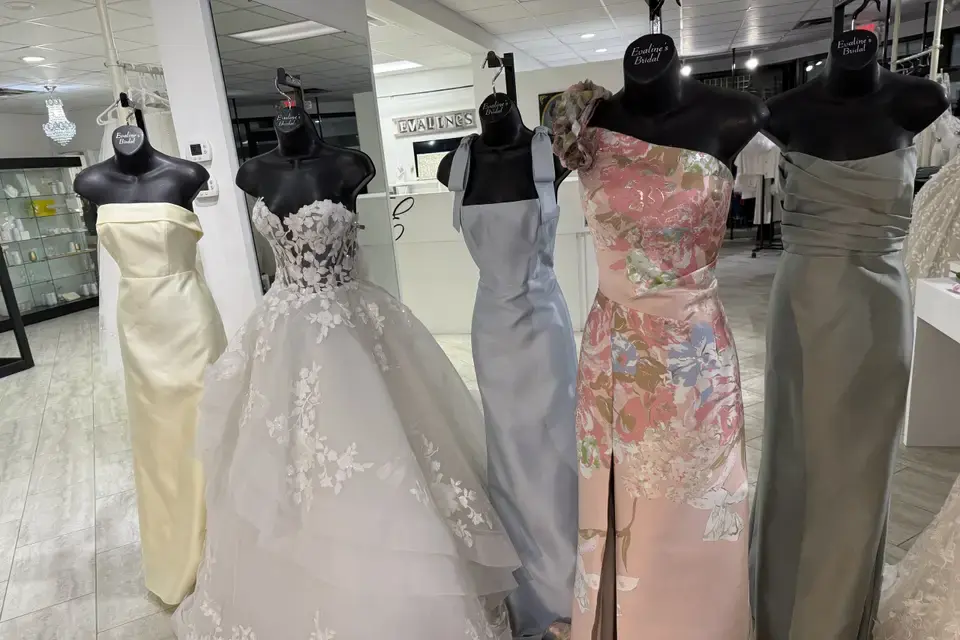
ashion has a special relationship with important moments in people’s lives. Weddings, graduation ceremonies, birthday celebrations, formal dinners, holiday parties, and corporate events all create occasions when consumers want to wear something different from their everyday clothing. Yet the occasionwear market is more complicated than a collection of elegant dresses and formal outfits. It brings together changing social habits, regional traditions, fashion trends, fabric innovation, retail strategies, and the practical challenges of producing garments that look attractive while remaining comfortable and commercially viable.
The occasionwear market covers clothing designed for special events, celebrations, and formal or semi-formal settings. It includes wedding guest dresses, cocktail dresses, evening gowns, partywear, formal separates, and selected ceremonial garments. Market performance depends on event frequency, consumer spending, product versatility, regional preferences, retail channels, and the ability of brands to balance distinctive design with fit, quality, and price.
For fashion brands, the real opportunity lies in understanding what happens between the moment a customer receives an invitation and the moment a garment earns a place in their wardrobe. A dress may attract attention through its color or silhouette, but its commercial success also depends on whether the customer can find the right size, wear it comfortably for several hours, justify its price, and imagine using it again. For XZapparel, these details connect market demand with decisions made during product development, material selection, sampling, and bulk production. Understanding this connection provides a more useful foundation for building an occasionwear collection than following a trend simply because it looks promising.
What Is the Occasionwear Market?
The occasionwear market covers clothing developed for special events, celebrations, and formal or semi-formal settings. It includes wedding guest dresses, cocktail dresses, evening gowns, partywear, formal separates, and selected ceremonial garments. Its commercial potential depends on event frequency, consumer preferences, regional dress expectations, product versatility, and the ability of brands to deliver attractive, well-fitting garments at the right price.
What Does Occasionwear Include?
Occasionwear is not a single clothing category. It is a broad group of garments connected by the occasions for which people wear them. A wedding guest may choose a floral midi dress, a customer attending a formal dinner may prefer a tailored two-piece set, and someone preparing for a birthday celebration may look for a sequined mini dress or a statement evening outfit. Although these products serve different needs, they share an important commercial characteristic: customers often purchase them for a specific event, making appearance, fit, delivery timing, and perceived value particularly important.
The category generally includes several overlapping product groups:
- Wedding guest dresses: Midi, maxi, and shorter dresses for ceremonies, receptions, and related celebrations.
- Cocktail dresses: Outfits for evening gatherings, receptions, formal dinners, and social events.
- Evening gowns: More formal garments for galas, black-tie occasions, and ceremonial events.
- Partywear: Dresses, skirts, tops, and coordinated sets featuring distinctive colors, textures, or decorative details.
- Formal separates: Blouses, trousers, skirts, and matching sets that can be styled for different events.
- Festive and cultural occasionwear: Garments developed for regional celebrations, holidays, and culturally significant occasions.
- Resort occasionwear: Dresses and coordinated outfits for destination weddings, outdoor celebrations, and warm-weather events.
For fashion brands, the distinction between these groups helps determine the right product mix. A collection designed for wedding guests may need versatile colors, comfortable silhouettes, and fabrics that work across daytime and evening settings. A partywear collection may place greater emphasis on statement details, texture, and visual impact. These differences influence fabric sourcing, pattern development, construction, finishing, and quality-control requirements before a garment reaches the customer.
How Is Occasionwear Different from Formalwear and Bridalwear?
Occasionwear is generally broader than formalwear because it includes garments for both formal and semi-formal events. Formalwear usually refers to clothing associated with a defined level of dress, such as evening gowns and other garments intended for black-tie or similarly formal settings. Bridalwear focuses on wedding clothing, including wedding dresses and related ceremonial pieces. Partywear tends to cover a wider range of social events and can include both casual statement pieces and more elaborate outfits.
These categories overlap, but their product requirements can be quite different. A cocktail dress may need a comfortable fit and a flattering silhouette that works for several hours of socializing. A bridal gown may require more specialized construction, extensive fitting adjustments, intricate embellishment, and carefully controlled finishing. A wedding guest dress, meanwhile, may need to balance elegance with versatility, comfort, and a price that makes sense for an outfit that may not be worn every week.
Market research also depends on these boundaries. One report may count only women’s occasion dresses, while another may include bridalwear, men’s formal clothing, ceremonial garments, and accessories. Their market estimates will not necessarily be comparable, even if both use the term occasionwear market. Before using any published figure, brands should establish which product categories and sales channels the underlying research actually covers.
For product developers, the practical lesson is to define the intended use before choosing the construction method. The event, customer, target price, and expected frequency of wear should guide decisions about fabric weight, lining, support, closures, decoration, and finishing. Clear product definitions help brands avoid treating every special-occasion garment as though it requires the same materials, development process, or production expertise.
Are Occasion Types Defined the Same Way Across Markets?
No. Occasionwear preferences are shaped by local culture, climate, event traditions, purchasing power, and expectations around formality. A lightweight dress suitable for a summer garden wedding in the United Kingdom may not meet the coverage, material, or styling expectations of a formal celebration in the Middle East. Likewise, festive garments designed for culturally significant celebrations may require different colors, embellishment, silhouettes, and construction techniques from those associated with Western cocktail dressing.
Even within one country, customer needs can vary substantially. A daytime wedding, an evening reception, a graduation ceremony, and a corporate awards dinner may all call for different combinations of comfort, formality, and visual impact. Brands should therefore avoid assuming that a successful design can be transferred unchanged to every occasion or geographic market. Climate, event schedules, and cultural expectations all influence what customers consider appropriate and worth purchasing.
A practical market assessment considers three connected factors:
- Event requirements: Dress code, venue, duration, season, and expected level of formality.
- Customer preferences: Preferred silhouettes, fit, garment coverage, budget, and willingness to rewear an outfit.
- Local market conditions: Climate, cultural expectations, retail positioning, delivery requirements, and applicable product regulations.
These factors should influence product development from the beginning. A brand targeting several markets may retain a consistent design identity while adapting sleeve lengths, colors, fabric weights, or decorative details to suit local demand. This is more effective than creating entirely separate collections without evidence that the differences are commercially necessary.
At XZapparel, development decisions begin with product requirements rather than the garment name alone. Reference images, sketches, technical packs, size charts, and target-market information can help clarify the intended fit, materials, construction, and finishing. Establishing these details early makes it easier to assess feasibility and reduces the risk of discovering major product mismatches after sampling or bulk production has started.
How Large Is the Occasionwear Market?
The global occasionwear market is measured differently across research providers, with published estimates varying considerably according to product coverage and methodology. Market forecasts can help brands assess long-term potential, but meaningful comparisons require consistent definitions, geographic scope, base years, and revenue measures. A large headline figure is useful only when it describes the category a business actually intends to serve.
Which Market Estimates and Forecasts Are Available?
Market research reports offer a starting point for understanding the commercial scale of occasionwear. Future Market Report estimates the global market at approximately US$9.85 billion in 2025 and projects it to reach US$19.09 billion by 2033, representing a reported compound annual growth rate of 8.62%. Micro Market Insights publishes a considerably larger estimate of approximately US$25 billion for 2025, forecasting growth to nearly US$38 billion by 2033 at around 5.4% annually. These figures are reported estimates from individual providers, not independently harmonized measurements.
| Research provider | Reported 2025 market value | Forecast value | Forecast period | Reported CAGR |
|---|---|---|---|---|
| Future Market Report | US$9.85 billion | US$19.09 billion | 2025–2033 | 8.62% |
| Micro Market Insights | Approximately US$25 billion | Approximately US$38 billion | 2025–2033 | Approximately 5.4% |
Figures are provider-reported estimates, and the underlying definitions and methodologies must be checked before comparison.
The differences between these estimates are substantial. They should not be averaged into a single market value or treated as equally representative of the same product category. Some reports may cover a narrower selection of occasion dresses, while others may include broader formalwear, multiple consumer groups, or related apparel categories. Without reviewing the full methodology, the exact reason for each difference cannot be established confidently.
For a fashion brand, the more useful question is how much of the reported market is relevant to its actual product strategy. A company developing women’s wedding guest dresses for the United Kingdom, for example, has a different addressable market from a supplier covering men’s suits, bridalwear, children’s ceremonial clothing, and formal accessories across several continents. Defining the intended segment helps make broad industry figures more commercially meaningful.
Why Do Market-Size Estimates Differ?
Market-size estimates depend on the products counted, the revenue measurement used, and the assumptions applied to future growth. Occasionwear does not have one universally applied definition across every research provider, so a report focused on women’s dresses may produce a much smaller estimate than one covering multiple formal clothing categories. The difference may reflect market boundaries rather than an actual disagreement about how many garments consumers purchase.
Geographic coverage introduces another variable. A report covering selected countries may use different assumptions from a global study that includes mature retail markets, developing economies, and regions with distinct ceremonial clothing traditions. Some studies measure consumer spending at retail prices, while others may use broader industry revenue estimates. These measures should not be compared directly without understanding the adjustments and definitions behind them.
Before using a market figure in a business plan, brands should check at least five elements:
- Product scope: Are occasion dresses counted separately from bridalwear, formal suits, accessories, and festive clothing?
- Geographic coverage: Does the report include the countries the brand intends to serve?
- Revenue basis: Is the figure based on retail sales, manufacturing revenue, or another measure?
- Reference period: Are the historical value and forecast calculated from clearly stated years?
- Research methodology: Does the provider explain the sources, assumptions, and limitations behind its estimates?
These checks matter because an apparently impressive market figure can create a false sense of opportunity if it describes products the brand does not sell. For manufacturers, broad market reports are most useful when combined with customer-level information, product specifications, realistic order quantities, and evidence of demand from the intended market.
What Do CAGR and Forecast Periods Tell Brands?
Compound annual growth rate, or CAGR, describes the annualized growth that connects a market’s starting value to its ending value over a specified period. It provides a convenient way to compare forecasts, but it does not mean that sales will increase by the same percentage every year. Actual demand can fluctuate with consumer spending, event schedules, retail promotions, product availability, and changes in fashion preferences.
Consider a hypothetical market valued at US$10 billion that grows at 5% annually. After five years of compounding, its value would reach approximately US$12.76 billion. This is a mathematical illustration rather than a forecast for occasionwear. It demonstrates that even moderate annual growth can create meaningful long-term expansion, while emphasizing the importance of the starting value and forecast period.
Brands should also distinguish market growth from their own sales performance. A growing market does not guarantee that a new collection will sell well, particularly when several brands compete for the same customers or when product pricing, fit, and delivery fail to meet expectations. A manufacturer’s production activity may follow a different pattern from retail demand because brands order inventory in advance and release products according to seasonal calendars.
A more reliable commercial assessment combines three types of information:
- Market research describing the size, direction, and structure of the target category.
- Brand-level information covering sales, margins, returns, repeat purchases, and full-price performance.
- Product-level information covering sampling results, material availability, production feasibility, quality requirements, and delivery schedules.
When these sources support the same conclusion, the business case becomes more convincing. Market forecasts identify possible opportunities; actual customer and product performance determine whether those opportunities justify further investment.
Which Occasionwear Segments Matter Most?
Occasionwear demand is distributed across garments serving different events, levels of formality, price points, and customer preferences. Wedding guest dresses, cocktail dresses, evening gowns, partywear, and formal separates each address distinct needs, although some products serve several occasions. The most relevant segment depends on the intended customer, regional demand, pricing strategy, and the brand’s ability to develop and manufacture the required garments consistently.
Are Wedding Guest, Bridal, Party, Evening, and Prom Wear Separate Segments?
These categories overlap, but they should not be treated as interchangeable. Wedding guest dresses are designed for attendees rather than the person getting married, and they often need to balance elegance, comfort, and versatility. Bridalwear focuses on the wedding itself and may require specialized construction, extensive fitting adjustments, intricate embellishment, and more detailed approval procedures. Partywear covers a wider range of social events, while eveningwear generally serves occasions with a higher level of formality.
Prom wear can represent another distinct segment in markets where school and university celebrations create a concentrated seasonal buying period. Its products may emphasize statement silhouettes, decorative details, and distinctive colors, but price expectations and customer preferences can differ from those of adults shopping for formal dinners or wedding events. Treating these customers as one audience can result in an assortment that lacks a clear identity.
The commercial implications become clear when comparing development requirements. A lightweight wedding guest dress may depend heavily on fabric drape, opacity, lining, and comfort. A structured evening gown may require additional support, reinforcement, and finishing control. A party dress with ruching or pleating may need careful construction planning to maintain consistent proportions across different sizes.
Brands should classify products according to their primary occasion and record secondary uses separately. This makes demand easier to evaluate and reduces the risk of counting the same commercial opportunity several times under different category names. It also helps product teams identify which designs can support multiple collections without losing their intended identity.
Which Product Categories Serve Multiple Occasions?
Versatile products can be attractive because consumers may find it easier to justify purchasing a garment that works for several events. A well-designed midi dress, a coordinated two-piece set, or a tailored skirt and blouse may serve wedding guests, dinner occasions, holiday celebrations, and selected professional events. However, versatility must be supported by the garment’s design, not simply claimed in its product description.
| Product category | Potential occasions | Important development considerations |
|---|---|---|
| Midi dresses | Weddings, dinners, celebrations | Fit balance, lining, drape, and length consistency |
| Cocktail dresses | Receptions, parties, evening events | Silhouette, movement, closures, and decorative details |
| Evening gowns | Galas, formal dinners, ceremonies | Structure, support, material behavior, and finishing |
| Coordinated sets | Celebrations, dinners, smart-casual events | Proportion, color consistency, and independent styling |
| Dressy blouses and skirts | Work events, dinners, celebrations | Fabric compatibility, comfort, and styling flexibility |
| Resort occasionwear | Destination weddings, outdoor celebrations | Breathability, opacity, climate suitability, and care |
A versatile garment can appeal to more customers, but excessive versatility may weaken its identity. A dramatic evening gown may lose its appeal if it is redesigned to suit every possible setting, while a simple dress may not satisfy customers looking for a distinctive celebration outfit. The challenge is to identify a clear primary use while allowing realistic secondary uses.
Product development should follow that decision. Fabric weight, stretch, lining, seam construction, closures, and decoration all influence whether a design works for its intended occasions. A garment intended for outdoor summer celebrations may need different materials from one designed for a formal winter event, even when both share a similar silhouette.
For manufacturers, this means the reference image is only the beginning. The target use case must be translated into measurable specifications and suitable construction methods before sampling begins. That process helps ensure that a product’s commercial promise is reflected in the actual garment.
How Do Occasion, Price, and Purchase Frequency Shape Demand?
Occasionwear purchasing is often connected to a known event rather than an immediate everyday need. Customers may begin researching a wedding outfit weeks before the ceremony, compare different silhouettes and prices, and wait for a suitable promotion or reliable delivery date before ordering. This planned behavior creates opportunities for brands that communicate product details clearly and maintain realistic stock and delivery expectations.
Grand View Research’s U.S. occasionwear consumer report states that more than seven in ten surveyed consumers describe their purchases as planned, including 42% who report that their purchases are always planned. The report also identifies comfort, fit, price, and value among important considerations. These findings describe the report’s surveyed market and should not be assumed to represent every country or customer segment.
Purchase frequency can shape product strategy as well. Someone buying formal clothing for an occasional event may prioritize affordability, versatility, and durability. A customer attending social events frequently may be more interested in distinctive designs, new colors, and regular collection updates. Both groups can be commercially valuable, but they may respond to different assortments and price points.
Brands can assess demand through several practical questions:
- How frequently does the intended customer attend the relevant type of event?
- What price range feels reasonable for a garment that may be worn infrequently?
- Can the product be reused across several occasions without losing its appeal?
- Are the preferred sizes and fits consistently available?
- Does the design justify its price through material quality, construction, and visual distinction?
These considerations help brands look beyond initial trend appeal. A visually striking garment may generate attention, but sustained performance depends on whether customers can find the right size, understand the value, and feel satisfied after wearing it.
What Trends Are Shaping Occasionwear Demand?
Occasionwear demand is being influenced by digital discovery, changing event culture, consumer interest in comfort and versatility, and greater attention to quality and responsible sourcing. These trends do not affect every customer equally. Brands need to distinguish broad consumer signals from short-lived social-media attention and translate relevant insights into garments that meet real purchasing needs.
How Are Social Media and Event Culture Changing Outfit Choices?
Social media makes it easier for consumers to discover occasionwear through creator content, event photography, styling videos, and visual search. A dress may attract attention because of its color, silhouette, embellishment, or styling before shoppers recognize the brand behind it. This creates opportunities for emerging labels, but it can also shorten the period during which a distinctive design remains visually fresh.
Digital attention is not the same as purchase intent. A dress may receive thousands of views because it looks impressive on screen, yet sell poorly if the fabric feels uncomfortable, the fit is difficult, or the price exceeds the customer’s expectations. Brands should therefore evaluate social engagement alongside stronger commercial indicators such as product-page visits, conversion rates, returns, customer feedback, and full-price sales.
Event culture also extends beyond traditional formal occasions. Destination weddings, smaller celebrations, milestone birthdays, themed parties, and professional gatherings can influence the types of outfits consumers seek. The strength of these opportunities depends on local habits, customer demographics, and the brand’s price positioning. A trend observed among one audience may have limited relevance to another.
For product teams, a practical approach is to identify recurring design features across multiple sources, determine which features suit the intended customer, and test selected concepts through sampling. This reduces the risk of building an entire collection around one viral look. The objective is to recognize design ideas with lasting commercial potential rather than reproduce every trend that appears online.
Are Consumers Looking for Versatility, Comfort, and Personalization?
Comfort and versatility matter because occasionwear is often worn for several hours, sometimes through multiple parts of an event. Customers may sit, stand, walk, dance, travel, and move between indoor and outdoor settings while wearing the same garment. A dress that photographs beautifully but restricts movement, irritates the skin, or requires constant adjustment can disappoint even when its appearance is attractive.
Grand View Research’s U.S. occasionwear research identifies comfort and fit as important purchasing considerations, alongside price and value. Its category insights also describe demand for garments that can be worn for multiple occasions. These findings support the need to balance appearance with practical wearability, although the relative importance of each factor varies by market and audience.
Brands can respond without making every garment simple or understated. Adjustable straps, well-positioned closures, suitable lining, balanced garment weight, and thoughtful ease can improve comfort while preserving a distinctive silhouette. Coordinated separates may also provide more styling options, allowing customers to combine a dressy blouse with different skirts or trousers.
Personalization requires commercial judgment. Custom colors, length options, or selected design details may increase relevance, but each variation can add material, inventory, and production complexity. The strongest choices are those that improve customer value enough to justify the additional work. A useful development process distinguishes features that genuinely improve fit or styling flexibility from decorative changes that complicate production without a clear customer benefit.
Fit deserves particular attention. A garment should be assessed across its intended size range, not only on one sample size or model. Documented measurements, controlled revisions, and movement checks help translate the promise of comfort into a product standard that can be repeated during bulk manufacturing.
How Do Sustainability, Rental, and Rewear Influence Demand?
Sustainability in occasionwear involves several connected questions: how long a garment lasts, how often it is worn, which materials it uses, how it is manufactured, and what happens when its owner no longer needs it. Rental, resale, borrowing, and rewear can provide alternatives for customers who want a distinctive outfit without buying a new garment for every event. Their commercial relevance depends on the target customer, price point, product durability, and local retail habits.
These models do not automatically make every product more sustainable. Rental clothing must withstand repeated use, cleaning, handling, and transportation. A garment with delicate embellishment or fabric that loses its appearance after care may be difficult to maintain economically. A well-constructed dress with durable seams, reliable closures, and appropriate care instructions may be better suited to repeated wear or resale.
Material claims also need to be precise. Recycled fiber content, certified material documentation, and evidence of social-compliance practices represent different types of information. They should not be treated as interchangeable proof of overall environmental performance. Brands need documentation that matches the specific material, supplier, product, and claim being communicated. A certification held by a material supplier does not automatically establish that the finished garment or manufacturing facility holds the same certification.
Practical product-development measures include:
- Reviewing fabric yield and reducing avoidable cutting waste.
- Selecting materials suitable for the intended garment and care requirements.
- Assessing seam, closure, and decoration durability.
- Considering whether one fabric can support several coordinated styles.
- Providing clear care instructions to help customers maintain the garment.
- Checking that sustainability-related claims are supported by relevant documentation.
These decisions can influence product quality, cost, and customer satisfaction as well as environmental considerations. For manufacturers and brands, responsible development begins with verifiable facts rather than broad claims that a garment is automatically sustainable because it uses one particular material.
How Do Regional Markets and Sales Channels Differ?
Regional occasionwear demand varies according to climate, cultural traditions, event calendars, purchasing power, and expectations around dress. Sales channels influence how customers discover products, evaluate fit, and decide whether to buy. Brands should assess geographic demand and retail behavior together rather than assuming that one successful design or marketing strategy will work identically in every market.
Which Regions Have Distinct Occasionwear Preferences?
North America, Europe, Asia-Pacific, and the Middle East contain diverse occasionwear markets, each with differences between countries, communities, and customer groups. Wedding traditions, religious celebrations, seasonal weather, and expectations around formality can all influence product demand. A brand may therefore need different product details for urban retail customers, destination-event shoppers, and consumers attending culturally specific celebrations.
Consumer research offers useful examples of these differences. Grand View Research’s UK occasionwear report states that 70% of surveyed consumers wear occasionwear occasionally or more, while 47% report wearing it specifically for occasional events. Its U.S. occasionwear report emphasizes planned purchases, comfort, fit, and value. These findings provide market-specific context, but they should not be treated as a direct comparison between identical survey populations without reviewing the underlying methodology.Brands evaluating a new market should examine several factors:
- Climate and the season in which major events typically occur.
- Preferred garment lengths, sleeve coverage, silhouettes, colors, and materials.
- Cultural expectations surrounding weddings, religious ceremonies, and formal events.
- Typical price ranges and consumer sensitivity to value.
- Size availability, return behavior, and local retail expectations.
- Applicable labeling, product-safety, chemical, and import requirements.
A large population does not automatically represent the best opportunity for every brand. The relevant market is the group of customers whose preferences match the brand’s products and whose expectations can be met through its pricing, delivery model, and supply chain. Regional research should guide adaptation without reducing entire countries to stereotypes.
Brands can maintain a recognizable design identity while adjusting specific colors, sleeve lengths, garment coverage, or fabric weights when evidence supports those changes. This approach is more disciplined than creating separate collections without a clear understanding of the demand behind them. It also allows product development teams to reuse suitable patterns and materials where appropriate, while keeping region-specific requirements visible in the technical specifications.
How Do E-Commerce and Social Discovery Influence Purchases?
Online channels allow occasionwear brands to reach customers who may not have access to a broad selection of specialist stores in their local area. Shoppers can compare colors, silhouettes, prices, reviews, and delivery options before deciding which products to consider. Social platforms may create initial awareness, while search engines, marketplaces, brand websites, and customer reviews help shoppers evaluate the product more carefully.
Occasionwear presents a particular challenge for digital retail because customers cannot physically assess the garment before ordering. Photographs communicate styling and appearance, but they cannot fully explain fabric weight, transparency, stretch recovery, lining quality, or how the garment moves. Accurate product descriptions, clear size charts, consistent photography, and useful garment-care information can reduce uncertainty and help customers make better decisions.
Grand View Research’s U.S. consumer report identifies online e-commerce marketplaces as an important purchasing channel for occasionwear. Channel preferences nevertheless vary by consumer group, making it important for brands to understand the shopping habits of their intended audience rather than assume that every customer prefers the same type of retailer.
For manufacturers, digital retail increases the importance of repeatable product specifications. If a dress is sold in several colors, customers expect the approved silhouette, measurements, material behavior, and finishing quality to remain consistent. Uncontrolled variation can lead to negative reviews and returns even when the original design is strong. Clear specifications and documented approvals help keep the finished garment aligned with the product presented online.
Brands should connect digital performance with production information. Tracking which sizes sell, which colors generate returns, and which product details cause complaints can guide future development. This feedback loop helps transform online sales data into decisions about fit adjustments, material selection, and replenishment.
Do Seasonality and Cultural Calendars Change Demand?
Yes. Occasionwear demand is often connected to dates that customers know in advance, including wedding seasons, graduation periods, holiday celebrations, and regional festivals. These events can create concentrated selling windows, making launch timing and inventory planning particularly important. A product delivered after the event date has little immediate value to the customer, regardless of its design quality.
Seasonality also affects material and construction decisions. Summer weddings and outdoor celebrations may favor lightweight fabrics, breathable linings, and designs suited to warm weather. Colder-season events may support richer textures, longer sleeves, or layering options. Regional event calendars can create additional differences, so brands should not assume that every market shares the same peak selling months. A collection intended for several countries may require separate launch schedules even when the products are similar.
Planning needs to begin well before the retail season. Brands generally need time for concept development, fabric sourcing, sample reviews, fit corrections, production approvals, manufacturing, inspection, and shipping. The total schedule depends on product complexity, material availability, order quantity, and the number of approval rounds. A simple garment made from an available fabric may progress faster than a structured dress requiring custom materials and several rounds of fit or decoration changes.
A practical planning checklist includes:
- Identify the target retail launch and the date by which finished stock must be available.
- Work backward to establish sampling, approval, material-ordering, and bulk-production milestones.
- Allow time for revisions and potential supplier delays.
- Confirm which decisions must be finalized before bulk cutting.
- Review production availability and logistics requirements before committing to a launch date.
At XZapparel, typical bulk lead times are approximately 25–35 working days after materials are ready, the pre-production sample is approved, and production details are confirmed. This is a planning reference rather than an unconditional guarantee. Complex products, custom materials, special processes, peak-season scheduling, and changes to approved specifications can affect the final timeline.
How Can Brands Turn Market Insights into Better Collections?
Market research becomes commercially valuable when it informs specific decisions about product design, fabric selection, target pricing, development timelines, and manufacturing partners. Brands need to translate consumer demand into garments that can be sampled, approved, produced consistently, and delivered in time for the intended event season. Strong collections balance visual appeal with fit, quality, cost control, and realistic production requirements.
Which Fabrics, Silhouettes, Fits, and Details Suit Different Occasions?
Fabric and construction choices should follow the intended use of a garment, not just its appearance in a trend image. A flowing wedding guest dress may require good drape, suitable opacity, and lining that moves comfortably with the body. A fitted cocktail dress may need more careful attention to stretch, recovery, seam placement, and closure construction. An evening gown with decorative details may require reinforced attachment points and finishing methods that preserve its appearance during wear.
Brands should evaluate the interaction between fabric, silhouette, and construction. A lightweight material may look elegant but reveal seams or lining edges if the garment is poorly engineered. A stretch fabric may improve comfort, yet it can distort if the pattern, stitching, and recovery characteristics are incompatible. Pleating, ruching, smocking, and other design features also introduce specific requirements for construction consistency.
Before approving a material, development teams should consider:
- Weight and drape: Does the fabric support the intended silhouette?
- Stretch and recovery: Does it return to shape after movement?
- Opacity and lining: Is the garment appropriate under different lighting conditions?
- Shrinkage and dimensional stability: Will it maintain the intended measurements after care?
- Colorfastness and rubbing: Can it retain its appearance during use?
- Decoration durability: Can embroidery, sequins, prints, or other details withstand expected handling?
- Care requirements: Does the finished garment match the customer’s expectations for cleaning and repeated wear?
XZapparel’s development system includes fabric sourcing and inspection, pattern making, sampling, and material testing appropriate to the product and project. Available testing capabilities include checks related to GSM, shrinkage, colorfastness, rubbing, washing, pilling, stretch and recovery, and dimensional stability. Not every test is required for every style; the appropriate validation plan depends on the material, construction, and intended use.
How Do Sampling, MOQ, Quality Control, and Lead Times Affect Launch Plans?
Sampling and production planning are central to occasionwear because the final garment must match the approved design across sizes, colors, and bulk quantities. An initial sample can reveal problems that are difficult to identify from a sketch or reference photograph, including poor drape, an uncomfortable neckline, incorrect proportions, unstable decoration, or difficult closures. Resolving these issues before production is generally more manageable than correcting them after large quantities have been cut.
A practical development sequence may include an initial sample, a fit review, revisions, and a pre-production sample made against the finalized materials and specifications. Before bulk production, the brand and manufacturer should agree on measurements, fabric and trims, construction details, colors, finishing, labels, and packing requirements. Significant changes should be documented so production teams do not work from conflicting instructions.
The following figures describe XZapparel’s typical operating references:
| Development or production stage | Typical time or requirement |
|---|---|
| Simple sample | 3–5 working days |
| Complex sample | 5–7 working days |
| Sample revision | 2–3 working days |
| Pre-production sample (PPS) | 4–5 working days |
| Bulk production | Approximately 25–35 working days after prerequisites are met |
| Standard garment MOQ | 200 pieces per style and color |
These are typical baselines, not unconditional commitments. Special fabrics, trims, supplier requirements, construction complexity, and sample revisions can change both MOQ and timing. The standard MOQ should therefore be assessed against the actual product brief rather than treated as a promise that every material or process is available at that quantity.
Quality control must continue beyond sample approval. XZapparel’s quality flow includes fabric inspection, pre-production planning, cutting inspection, inline quality control, measurement checks, 100% finishing inspection, final inspection, and packing inspection. Each stage addresses different risks, from incoming material defects to garment appearance, size consistency, and packing accuracy.
Clear specifications and documented approvals help make these controls meaningful throughout production. Brands should also agree on the applicable inspection and acceptance criteria before manufacturing begins. This reduces the chance that a supplier and customer use different interpretations of an acceptable finished garment.
What Should Brands Evaluate in an Occasionwear Manufacturing Partner?
A manufacturing partner should be evaluated on more than the initial unit price. For occasionwear, brands need to understand whether the supplier can interpret design references, develop patterns, manage sampling, coordinate materials, control workmanship, and maintain consistency when an approved style moves into bulk production. The relevant question is not simply whether a factory can make a dress, but whether its systems match the complexity, quantity, and delivery expectations of the proposed collection.
Brands should examine several areas before committing to a program:
- Product experience: Can the manufacturer demonstrate relevant experience with the proposed garment structures and materials?
- Development capability: Are pattern making, sampling, revisions, and approval stages clearly organized?
- Material sourcing: Can the supplier identify suitable fabrics and trims while explaining availability, minimums, and potential risks?
- Production capacity: Is the proposed quantity compatible with the product mix and the factory’s current schedule?
- Quality ownership: Are inspection checkpoints, approval standards, and corrective-action responsibilities defined?
- Specialist processes: Are partner-managed processes identified honestly, with clear coordination and quality controls?
- Commercial fit: Do the MOQ, timing, communication process, and order requirements suit the brand’s operating model?
XZapparel is a women’s fashion and casualwear manufacturing partner based in Humen, Dongguan, Guangdong, China. Its manufacturing operation began in 2008. The current manufacturing system includes three production buildings covering approximately 20,000 square meters, around 1,120 employees, six sample rooms, 48 pattern makers, and 60 sample makers. The factory system also includes approximately 80 sewing lines, with normal monthly production capacity of around 180,000–200,000 pieces depending on product mix and scheduling.
For brands developing occasion dresses or coordinated women’s collections, these resources support a development-to-production model that brings product development, sourcing coordination, core manufacturing, and quality management into one controlled workflow. Certain specialist processes are managed through long-term partners rather than being represented as entirely in-house. This distinction matters because transparent process ownership is more useful to a purchasing team than an unsupported claim that every operation takes place under one roof.
Brands considering a new collection can begin with a reference image, sketch, existing sample, or technical pack. The next step is to establish the intended market, garment specifications, target quantity, fabric direction, decoration requirements, and required delivery window. With those inputs, the development team can review feasibility, identify missing information, and discuss the sampling and production route before the project moves forward.
Conclusion
The occasionwear market offers opportunities for brands that understand the relationship between event-driven demand, consumer expectations, product design, and reliable manufacturing. Market-size forecasts provide useful context, but their value depends on clear definitions and credible methodology. Product segmentation, regional preferences, digital discovery, and the growing importance of comfort and versatility all influence how brands should evaluate new collection ideas. No single trend or headline growth rate can replace a careful understanding of the intended customer and the commercial requirements of the product.
For fashion brands, the most effective approach is to turn market insight into specific development decisions: choose the right occasion and price segment, select materials that support the intended design, validate fit through sampling, establish clear quality standards, and plan production around realistic approval and delivery milestones. XZapparel supports this process through women’s apparel product development, fabric sourcing coordination, sampling, core manufacturing, and multi-stage quality control. A well-defined product brief, supported by target-market information and realistic order requirements, provides a practical starting point for assessing development feasibility and potential manufacturing cooperation.
Frequently Asked Questions
What Is Included in the Occasionwear Market?
The occasionwear market includes clothing designed for special events and celebrations, such as wedding guest dresses, cocktail dresses, evening gowns, partywear, formal separates, and selected ceremonial garments. The exact scope varies between research providers, particularly when bridalwear, men’s formalwear, children’s clothing, or accessories are included. Brands should check the category definition before using market estimates to compare opportunities or make investment decisions.
How Large Is the Global Occasionwear Market?
Published estimates differ substantially. Future Market Report places the 2025 market at approximately US$9.85 billion, while Micro Market Insights reports approximately US$25 billion for the same year. These figures should not be combined without checking product definitions, geographic coverage, revenue measures, and research methodology. Market size is most useful when the estimate closely matches the products and regions a brand intends to serve.
What Are the Main Occasionwear Trends?
Important areas to monitor include versatile designs, comfortable fit, personalization, expressive silhouettes, digital product discovery, and greater attention to material quality and responsible sourcing. Their commercial relevance varies by region and customer segment, so brands should validate trends against actual purchasing behavior. Product reviews, return reasons, sales performance, and customer feedback provide useful evidence for deciding which trends deserve further development.
Which Fabrics Are Commonly Used for Occasion Dresses?
Common options include satin, chiffon, crepe, lace, mesh, velvet, and other woven or stretch fabrics. The appropriate choice depends on the desired drape, structure, opacity, comfort, decoration, care requirements, and target price. Material testing and sample evaluation help confirm whether a fabric suits the intended garment. Brands should also consider shrinkage, colorfastness, dimensional stability, and the interaction between fabric behavior and garment construction.
What Is the Typical MOQ for Occasionwear Manufacturing?
Minimum order quantities depend on the manufacturer, product construction, fabric availability, trims, and specialist processes. XZapparel’s standard garment MOQ is 200 pieces per style and color, although specific material or process requirements may increase it. Brands should confirm the MOQ for the actual product brief before finalizing assortment size, color allocation, material orders, and inventory plans.
How Long Does Occasionwear Production Take?
Timing depends on sampling, revisions, material readiness, approval speed, product complexity, and factory scheduling. XZapparel’s typical bulk production lead time is approximately 25–35 working days after materials are ready, the pre-production sample is approved, and production details are confirmed. This does not include every preceding development, approval, or shipping activity. Brands should establish a complete schedule with appropriate allowances for revisions, inspection, and logistics.
How Can a Brand Choose an Occasionwear Manufacturer?
Evaluate relevant product experience, pattern and sampling capabilities, material sourcing, MOQ, lead time, production capacity, quality-control checkpoints, specialist-process ownership, and communication standards. Before confirming an order, provide a clear product brief and agree on measurable specifications, sample approvals, and delivery requirements. Reviewing real samples, documented procedures, and relevant production evidence can help establish whether a manufacturing partner is suitable for the collection and its expected scale.
Share This Article :

Jerry
Blog Categories

Latest Post