Skip to content

A fabric can look beautiful on a roll and still be the wrong choice for a finished garment. In women’s fashion, the way a textile holds its shape, reflects light, responds to movement, and behaves during sewing can make the difference between a successful design and a disappointing sample. Taffeta is a particularly interesting example because its crisp structure and subtle sheen can create dramatic silhouettes without necessarily relying on a heavy material. It is widely associated with formal dresses, full skirts, and statement details, yet not every taffeta behaves the same way. Fiber composition, yarn characteristics, weave density, dyeing method, and finishing all influence its final appearance and performance.
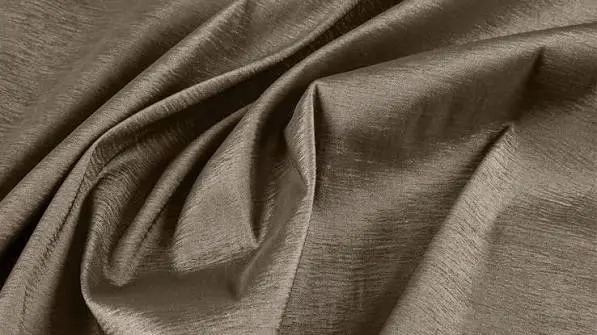
Taffeta is a crisp, smooth woven fabric, commonly made from silk, polyester, nylon, or acetate. It is generally recognized by its plain-weave construction, subtle sheen, firm hand, and ability to maintain a defined silhouette. Depending on its composition and finish, taffeta can be suitable for evening dresses, wedding gowns, structured skirts, decorative garment details, and selected linings. Its suitability depends on the actual fabric specification and the requirements of the finished garment.
For apparel brands, understanding taffeta involves more than identifying its appearance. A stiff fabric may support a sculptural skirt but feel uncomfortable in a close-fitting bodice. A glossy surface may elevate a simple design but reveal uneven seams or pressing marks. A material that performs well in a sample may also require further checks before it can be reproduced consistently across several sizes and colors. At XZapparel, fabric selection is considered alongside garment construction, pattern development, sampling, quality control, and production feasibility. This guide explains how taffeta works, where it performs best, how it compares with similar fabrics, and what brands should evaluate before committing to a production order.
What Is Taffeta Fabric?
Taffeta is a woven textile traditionally associated with silk and now widely available in synthetic fibers such as polyester and nylon. It is commonly made using a plain weave, with a smooth surface, crisp handle, and characteristic sheen. Its structure can help a garment maintain volume and defined folds, although the degree of stiffness, softness, and drape varies according to fiber content, yarn construction, density, and finishing. The name alone does not establish a complete material specification.
What Is Taffeta Made Of?
Taffeta can be made from silk, polyester, nylon, acetate, and selected fiber blends. Silk taffeta is traditionally associated with formalwear and luxury occasionwear, while polyester taffeta is widely used in commercial apparel because it offers a synthetic alternative with many available colors and finishes. Nylon taffeta is also used in lightweight applications where its particular construction and performance suit the intended product. Each fiber has its own characteristics, but composition alone does not determine how the finished fabric will behave.
For example, two polyester taffetas may differ considerably in stiffness, sheen, and drape because of differences in yarn fineness, yarn twist, weave density, or finishing. A firmer construction may support a structured skirt, while a softer version may be more suitable for selected lining applications or decorative details. Similarly, silk taffeta can vary in handle and appearance depending on how the yarn and fabric have been processed. These differences matter when a design relies on a specific degree of volume or a consistent surface appearance.
When evaluating taffeta for a women’s apparel collection, brands should confirm several basic specifications:
- Fiber composition: Record the exact fiber or blend rather than relying on descriptions such as silk-like or premium taffeta.
- Fabric weight: Confirm the measured or supplier-specified weight in grams per square metre (GSM), where available.
- Usable width: Check the width available for pattern cutting after accounting for selvages and any unusable edges.
- Surface finish: Identify whether the fabric is glossy, subtly lustrous, matte, crisp, or softened.
- Hand feel and drape: Determine whether the material maintains a shape, falls naturally, or feels too rigid for the intended garment.
- Care requirements: Confirm suitable cleaning, drying, and pressing methods for the specific composition and finish.
These details are especially important when a collection includes several colors or requires repeat orders. A fabric that looks similar to an approved sample may behave differently if its weight, construction, or finishing changes. Retaining an approved swatch and recording the specification gives the development team a reliable reference when comparing alternative materials or arranging replenishment. It also helps prevent a visually similar substitute from changing the silhouette of a garment after production begins.
Is Taffeta a Woven Fabric or a Fiber?
Taffeta is a fabric category, not a fiber. It is commonly associated with a plain-weave construction in which warp and weft yarns interlace in an alternating pattern. This structure contributes to the fabric’s smooth surface and relatively firm character, although it does not determine every aspect of performance by itself. Other fabrics can also use plain weave, so taffeta should be understood through its overall construction, yarn characteristics, finishing, and resulting appearance.
The distinction between fiber and fabric is important when translating a design concept into a production specification. Silk, polyester, and nylon identify materials from which yarns can be made, whereas taffeta describes a type of fabric. Polyester can be used in numerous woven and knitted constructions, each with a different feel and purpose. Likewise, silk can be woven into fabrics with very different levels of softness, fluidity, and surface texture. Asking for a fiber without specifying the required fabric behavior may therefore produce a material that is technically correct but unsuitable for the intended design.
For designers, the practical question is how the construction affects the finished garment. Taffeta’s relatively firm hand can help maintain clean folds, support volume, and create a defined outline. However, the same characteristic can make gathers appear bulkier or cause a fitted garment to feel less flexible. Pattern shapes, seam allowances, linings, and pressing methods must therefore be considered alongside the fabric itself. A material that looks appropriately crisp in a small swatch may project farther from the body when used in a full skirt.
A useful evaluation considers three connected elements: fiber composition, woven construction, and finishing. Together, they explain far more about a fabric’s behavior than its commercial name. Before approving taffeta, compare its weight, opacity, sheen, stiffness, and response to folding. This gives the product-development team a clearer basis for deciding whether the material supports the intended silhouette and whether its characteristics can be reproduced consistently in later production runs.

What Are the Main Properties and Drawbacks of Taffeta?
Taffeta is valued for its crisp structure, smooth surface, subtle sheen, and ability to maintain defined silhouettes. Potential drawbacks include limited stretch, visible creasing, snagging, and a firmer feel than softer dress fabrics. These characteristics vary according to fiber composition, construction, and finishing. The most suitable taffeta is therefore the one whose actual performance matches the garment’s design, comfort requirements, expected care conditions, and intended selling price.
Is Taffeta Stiff, Shiny, or Noisy?
Taffeta is generally recognized by its smooth surface and crisp hand. Depending on its construction and finish, it may reflect light evenly or produce a more noticeable sheen. Some varieties also create a light rustling sound when handled or worn, a characteristic often associated with traditional formalwear. These features make taffeta attractive for occasionwear because the fabric can hold volume, support clean folds, and maintain a defined outline without relying entirely on heavy internal structures.
However, stiffness and sheen are not automatically advantages. A crisp material may create the dramatic silhouette required for a full skirt, but it can feel restrictive around the shoulders or waist if used in a fitted garment. A reflective surface may elevate a simple design, yet it can also make uneven seams, puckering, or inconsistent pressing more visible. The appropriate degree of stiffness should therefore be determined by the intended design rather than treated as a universal indicator of quality.
A simple physical assessment can reveal useful information about a taffeta sample. Hold the fabric loosely to observe how it falls under its own weight, then fold or gather it to see whether it retains a defined shape. Turn the swatch under different lighting conditions to check how its surface reflects light. Finally, handle it gently to assess its sound, flexibility, and surface response. These observations do not replace technical testing, but they help establish whether the material’s visual character suits the design before the team invests in sample development.
For structured dresses and skirts, taffeta may offer the body needed to maintain volume. For fluid eveningwear, a softer satin or crepe may be more appropriate. A crisp material can be valuable when its characteristics solve a specific design problem, but unnecessary stiffness can create discomfort, additional construction challenges, or an appearance that differs from the designer’s original intention.
Does Taffeta Breathe, Stretch, or Wrinkle?
Taffeta’s breathability, stretch, and crease resistance vary with fiber composition, weave density, yarn characteristics, and finishing. Conventional woven taffeta generally has limited natural stretch, although versions incorporating suitable stretch yarns are available. Breathability also depends on fiber properties and fabric construction. It is therefore more useful to assess the actual material than to assume every taffeta has identical comfort or performance characteristics.
Creasing deserves particular attention when developing garments for retail distribution. A crisp fabric can form sharp, attractive folds, but unwanted creases may remain visible after packing, shipping, or wear. The response to pressing depends on the fiber and finish, so excessive heat should never be applied without confirming the appropriate care instructions. Some synthetic fabrics can be damaged or develop unwanted surface changes when exposed to unsuitable temperatures. Silk and acetate also have their own handling considerations.
When evaluating taffeta, consider these practical checks:
- Stretch and recovery: Measure extension and recovery if the design requires movement or a close fit.
- Crease behavior: Fold and release the fabric, then inspect whether unwanted marks remain visible.
- Opacity: Examine the material under normal lighting and backlighting to determine whether a lining is needed.
- Skin comfort: Assess the hand feel and consider whether the fabric is suitable for areas that contact the body directly.
- Snag resistance: Inspect the surface for susceptibility to catching or damage during sewing and wear.
- Dimensional stability: Check whether the material changes size or shape under the care conditions relevant to the garment.
These checks become particularly useful when taffeta is combined with stretch panels, soft linings, or decorative components. Different materials may react differently to moisture, heat, and tension, potentially affecting the finished garment’s shape. A sample should therefore be evaluated as a complete product rather than as a collection of individually attractive fabrics. This approach helps identify whether the fabric is suitable for the actual wearing conditions, not merely for a short presentation or product photograph.
How Should Taffeta Be Cleaned and Stored?
Taffeta care depends on its exact fiber composition, finishing, and garment construction. Silk, polyester, nylon, and acetate may respond differently to water, detergents, heat, and dry cleaning. The garment’s care label and the material supplier’s instructions should take priority over general recommendations. Before a brand approves a fabric for production, it should understand whether the material can maintain its intended appearance under the care conditions expected for the finished product.
Care requirements can influence fabric selection from the beginning. A material may look excellent in a showroom but become less suitable if its finish is easily damaged or if the outer fabric and lining require incompatible cleaning methods. Testing a representative sample under the intended care conditions can help reveal changes in color, stiffness, surface appearance, or dimensions. Claims about machine washing, ironing, or dry cleaning should be supported by appropriate assessment rather than assumptions based solely on fiber content.
Storage also affects how taffeta garments reach the customer. Excessive compression can create persistent folds, while poor hanger support can leave marks on structured shoulders. Garments should be stored in a way that supports their shape and minimizes unnecessary rubbing or pressure. During shipping, packaging should reduce avoidable creasing without placing excessive stress on delicate details or structured components. For heavily structured garments, the way the garment is folded, hung, and packed can be as important as the initial fabric choice.
For commercial collections, three questions are especially useful. Can the garment maintain its appearance after the expected cleaning process? Will the fabric retain its intended shape during storage, transport, and retail handling? Can the customer follow the care instructions without risking avoidable damage? Answering these questions before bulk production helps prevent problems that might otherwise appear only after garments reach the market. The objective is to ensure that the fabric’s natural characteristics match the product’s intended use and maintenance requirements.
Which Types of Taffeta Are Available?
Taffeta is available in different fiber compositions, dyeing methods, yarn arrangements, and finishes. Silk and polyester versions differ in their material characteristics, while yarn-dyed and piece-dyed fabrics may vary in appearance and handle. Shot taffeta uses contrasting warp and weft colors to create a changing visual effect. Each variation should be assessed for its actual performance, intended application, and ability to meet the garment’s design and production requirements.
How Does Silk Taffeta Differ from Polyester Taffeta?
Silk taffeta is traditionally associated with luxury occasionwear because of its natural fiber composition and distinctive surface character. Polyester taffeta offers an alternative for brands seeking a synthetic fabric with a broad range of colors and finishes. Neither material is automatically the better choice. The decision depends on the garment’s intended appearance, target price, care requirements, sourcing conditions, and expected production volume.
Silk may be appropriate when natural fiber content and a particular luxury aesthetic are central to the product concept. However, brands must consider its cost, availability, and care requirements. Polyester can be useful for commercial collections that need a repeatable synthetic material, but the exact fabric still needs to be assessed. A polyester taffeta with excessive stiffness or an unsuitable sheen may not meet the design brief, while another version may provide the required structure and surface appearance.
A practical comparison should focus on the actual fabric rather than assumptions about prestige or price. Request physical samples, examine them under consistent lighting, and compare their weight, opacity, stiffness, and crease behavior. If a collection includes several colors, inspect each color separately because dyeing and finishing may affect the final appearance and hand feel. The selected fabric should also be assessed against the garment’s construction and expected care conditions.
The exact fiber composition must be confirmed in supplier documentation. A material described as silk-like may imitate the appearance of silk while containing synthetic fibers. This distinction matters for product labeling, costing, care instructions, and customer expectations. Once composition and performance requirements are clear, a brand can make a more informed decision about which material supports both the design and the commercial plan. The aim is not to select the most expensive option, but to choose a fabric whose properties justify its place in the finished product.
What Are Yarn-Dyed, Piece-Dyed, and Shot Taffeta?
Yarn-dyed taffeta is produced using yarns that have been colored before weaving, whereas piece-dyed taffeta is colored after the fabric has been woven. These methods can influence the final appearance and handle, but their effects depend on the fiber, dyeing process, and finishing treatment. Some yarn-dyed taffetas have a particularly crisp hand, while some piece-dyed versions feel softer. This is a tendency rather than a universal rule, so the actual material should always be checked.
Shot taffeta creates a distinctive color-shifting effect through contrasting warp and weft yarn colors. As the fabric moves or catches light from different angles, its surface may appear to change color. This can add visual depth to statement dresses, full skirts, and occasionwear without requiring a printed pattern. Because the effect depends on the combination of yarn colors and the direction of light, physical samples are especially valuable when the color shift is central to the design.
| Taffeta variation | Defining feature | Potential apparel use | Important consideration |
|---|---|---|---|
| Silk taffeta | Natural silk composition | Luxury occasionwear | Cost, care, and availability |
| Polyester taffeta | Synthetic fiber composition | Commercial dresses and structured skirts | Confirm stiffness, sheen, and finish |
| Yarn-dyed taffeta | Yarn colored before weaving | Color-rich garments and selected formalwear | Check color consistency and hand feel |
| Piece-dyed taffeta | Fabric colored after weaving | Selected dress fabrics and linings | Confirm final shade and softness |
| Shot taffeta | Contrasting warp and weft colors | Statement dresses and skirts | Review color shifts under different lighting |
These categories provide a useful starting point, but they do not replace a complete fabric specification. A brand should record the approved composition, construction, color reference, finish, usable width, and relevant performance requirements. The approved swatch should be retained so that later samples or replenishment orders can be compared against the original material. If a supplier proposes a substitute, the replacement should be evaluated rather than accepted solely because its commercial name is similar.
This becomes particularly important when a collection depends on a consistent sheen or coordinated colors across several styles. A visually similar substitute may differ in weight, stiffness, or surface reflection, changing how the garment looks even if the nominal color is close. Clear specifications reduce this risk and make communication between the brand, fabric supplier, and garment manufacturer more reliable. They also provide a stronger basis for investigating differences if a later production batch does not match the approved sample.

What Is Taffeta Used for in Women’s Clothing?
Taffeta is commonly used for women’s garments that benefit from structure, volume, and a smooth, light-reflecting surface. Typical applications include evening gowns, wedding dresses, full skirts, party dresses, sculptural sleeves, and selected decorative details. Softer versions may suit certain lining applications. The right choice depends on fabric weight, stiffness, opacity, comfort, and the construction requirements of the finished garment rather than on the occasion alone.
Which Dress Silhouettes Work Best with Taffeta?
Taffeta is especially useful when a design requires a defined outline rather than a fabric that falls closely against the body. Full skirts, A-line dresses, sculptural sleeves, oversized bows, and structured panels can benefit from its crisp hand. The material can support visual volume without necessarily requiring a heavy fabric, making it attractive for occasionwear where silhouette is central to the design. Its smooth surface can also emphasize clean lines and give a garment a polished appearance under suitable lighting.
The fabric should nevertheless be selected according to the intended shape. A flowing evening dress may be better suited to a softer satin or crepe, while a structured skirt may benefit from taffeta’s body. A fitted bodice may need a softer material against the skin or a carefully designed lining to balance appearance and comfort. Using the same fabric throughout a garment is not always the best solution, particularly when different areas have different movement and support requirements.
Pattern engineering also influences the final result. A stiff fabric may project farther from the body than the designer expects, changing the apparent volume of a skirt or sleeve. Gathers and pleats may create more bulk than they would in a softer textile, while seams and darts may become more visible under directional lighting. These effects should be reviewed during sampling rather than corrected after bulk production begins. The pattern and fabric need to work together to achieve the intended silhouette.
A garment should be assessed from the front, side, and back, both at rest and in movement. This reveals whether the silhouette remains balanced and whether the fabric behaves as intended when the wearer walks, sits, or raises an arm. For a coordinated collection, taffeta may be appropriate for one statement piece while a softer woven fabric works better for another style. Consistency comes from a coherent design language, not necessarily from using the same material in every garment.
Is Taffeta Suitable for Linings, Blouses, and Everyday Garments?
Taffeta can work for selected linings, blouses, and everyday fashion pieces, but its crispness makes it less suitable for some applications than softer fabrics. A lighter or softer version may provide a smooth inner surface or support a decorative shape, while a firmer construction may be better for statement collars, sleeves, or panels. The decision should reflect the garment’s movement, comfort, construction, and care requirements.
For linings, smoothness is only one consideration. The lining must work with the outer fabric, seam construction, and expected movement. A lining that is too stiff can create unnecessary bulk or restrict movement, while differences in shrinkage or heat response can cause the finished garment to distort during care. Evaluating the complete combination is more reliable than selecting each fabric independently. It is also important to consider whether the lining will be visible through the outer material or affect the garment’s overall weight.
Blouses and everyday garments require particular attention to comfort. A crisp material may create a polished appearance but feel restrictive around the shoulders, elbows, or waist. If the design depends on movement, the development team should assess the fabric in the actual garment shape and consider whether a softer version or alternative material would perform better. The material should support the intended look without making ordinary wear unnecessarily difficult.
The following applications illustrate how the intended function affects selection:
- Evening dresses: Prioritize sheen, silhouette, and the behavior of folds.
- Full skirts: Check volume, hem shape, lining, and the weight of the complete garment.
- Statement tops: Balance crispness with comfort around the neckline, shoulders, and armholes.
- Linings: Evaluate friction, bulk, smoothness, and compatibility with the outer fabric.
- Decorative details: Confirm that bows, pleats, and shaped panels retain their intended form after sewing and pressing.
For product-development teams, the central principle is to match the material to the garment’s structure and wearing conditions. Taffeta can be an effective choice when its properties solve a real design problem, but it should not be selected simply because it is associated with formalwear. The finished sample remains the most useful reference for deciding whether the fabric delivers the intended balance of appearance, movement, comfort, and durability.
How Does Taffeta Compare with Satin and Organza?
Taffeta, satin, and organza can all be used in occasionwear, but they create different visual and structural effects. Taffeta is generally associated with crispness and defined volume, satin with a smooth, lustrous surface and often more fluid drape, and organza with sheerness and lightweight structure. These are broad tendencies rather than fixed rules because fiber composition, weight, construction, and finishing affect each fabric’s behavior.
Which Fabric Holds Its Shape Best?
Taffeta is often a strong choice for garments that need a defined outline, full skirts, or folds that stand away from the body. Its crisp handle can support volume without requiring the fabric itself to be heavy. Organza can also create structure, particularly when the designer wants a sheer layer that adds volume while allowing the layer underneath to remain visible. Satin is often selected for smoother surfaces and flowing folds, although heavier satin constructions can also have substantial body.
The best option depends on the intended silhouette. A full skirt made from taffeta may appear sculptural and sharply defined, while the same design in organza may look lighter and more transparent. In satin, the skirt may fall in longer folds and emphasize reflected light rather than a crisp outer shape. These differences can significantly affect how the garment looks in photographs, under retail lighting, and during movement.
Construction changes the result as well. Lining, interfacing, seam placement, pleats, and internal support all influence the finished shape. It would therefore be misleading to claim that one fabric always holds its shape better than every version of the others. A heavy satin may have more body than a soft taffeta, while a carefully selected organza may provide the exact sheer structure a design requires. The material must be assessed in relation to the complete garment.
A reliable comparison involves more than holding three small swatches side by side. Examine each material under similar lighting, then compare how it hangs, folds, gathers, and responds to the intended construction. If silhouette is the main deciding factor, a garment-level sample provides more useful information than a swatch alone. It reveals how the material behaves when its weight, seams, lining, and pattern shape interact.
When Should Designers Choose Taffeta over Satin or Organza?
Choose taffeta when crispness, defined volume, or a smooth surface supporting a structured silhouette is important. Choose satin when the design prioritizes a lustrous appearance and softer, flowing folds. Choose organza when transparency and lightweight volume are central to the look. These choices should be made in relation to the garment’s purpose rather than based on which fabric appears more luxurious in isolation.
| Design requirement | Taffeta | Satin | Organza |
|---|---|---|---|
| Crisp, defined silhouette | Often suitable | Depends on weight and finish | Suitable for lightweight structure |
| Fluid, flowing drape | Often less suitable | Often suitable | Usually less fluid |
| Visible transparency | Depends on specification | Depends on specification | Common defining feature |
| Lustrous surface | Common, but variable | Often prominent | Usually more subtle |
| Full, structured skirt | Often suitable | Depends on construction | Useful for layered volume |
| Sheer decorative overlay | Selected versions | Selected versions | Often suitable |
This comparison is a design guide rather than a universal performance ranking. Each category includes fabrics with different fibers, weights, and finishes, so the actual sample must be checked before a decision is finalized. Satin is commonly classified by its weave structure, whereas taffeta and organza are fabric categories with their own construction characteristics. Comparing the names alone can conceal important technical differences.
Designers may also combine materials instead of asking one fabric to perform every role. Taffeta can form the outer skirt, organza can provide a sheer overlay, and a softer lining can improve comfort. Such combinations create additional development considerations because the materials may respond differently to shrinkage, color, pressing, and seam tension. The development team should confirm that each layer works with the others before the design is approved for production.
The finished garment should therefore be reviewed as a complete system. The outer fabric, lining, support materials, and construction details must work together to achieve the desired appearance. A well-selected combination can create a more successful garment than using a single fabric throughout simply for convenience. The final choice should be based on the actual sample, not on broad assumptions about which fabric is always the most structured or luxurious.

How Should Brands Evaluate Taffeta for Garment Production?
Brands should evaluate taffeta by confirming the material specification, testing its behavior in a representative sample, and checking sourcing and production constraints before approving bulk manufacturing. Essential variables include composition, weight, usable width, color, stiffness, opacity, dimensional stability, and care requirements. A successful selection must satisfy the design brief while remaining feasible to source, cut, sew, finish, and reproduce consistently across the required sizes and colors.
Which Fabric Specifications Should Be Confirmed Before Sampling?
A clear fabric specification turns a general request into a material that a supplier and product-development team can assess consistently. “Black polyester taffeta” does not fully define a fabric if the design depends on a particular weight, sheen, or level of stiffness. Two fabrics with the same fiber composition may behave differently because their yarns, weave density, or finishing treatments vary. Those differences can affect garment volume, material consumption, seam appearance, and final cost.
Before sampling, brands should confirm the following information:
- Composition and construction: Record the fiber blend and woven structure, including any stretch component.
- Weight and usable width: Confirm the supplier’s specification because both affect material consumption and cost calculations.
- Color and surface: Approve a physical swatch and define the required shade, sheen, and finish.
- Hand feel and drape: Describe whether the fabric should feel crisp, soft, structured, or relatively fluid.
- Opacity and lining requirements: Check the material under relevant lighting and determine whether another layer is necessary.
- Performance risks: Identify the appropriate tests for shrinkage, colorfastness, rubbing, pilling, or other properties relevant to the actual garment.
- Supply conditions: Confirm availability, color options, minimums, and the feasibility of repeat sourcing.
A fabric specification card should retain these details alongside the approved swatch. This gives pattern developers, sample makers, sourcing teams, and quality personnel a common reference. It also helps distinguish a genuine alternative from a visually similar fabric that may behave differently in production. The information should be precise enough to support a real decision without assuming that every project needs the same test plan.
A structured evening dress may require particular attention to shape retention, seam appearance, and pressing. A lined blouse may need greater emphasis on comfort, movement, and compatibility between the outer fabric and lining. The team should select tests according to the material’s risks and the garment’s intended use. This approach makes fabric evaluation more useful than simply collecting specifications without connecting them to actual product requirements.
How Can Sampling and Testing Reveal Production Risks?
Sampling reveals how a fabric behaves when it becomes a garment. A swatch can demonstrate color, surface, and hand feel, but it cannot fully show seam behavior, fit, movement, pressing results, or interactions between different materials. For taffeta, the sample should be assessed for silhouette, seam visibility, fold definition, comfort, and the consistency of the finished appearance. The sample also provides a practical way to compare the approved design with the garment’s intended use.
Testing should be selected according to fiber composition, construction, end use, and customer requirements. Relevant checks may include GSM measurement, dimensional stability, shrinkage, colorfastness, rubbing, washing, or pilling. Stretch and recovery testing may be appropriate for a stretch variant, but it is not automatically necessary for every conventional woven taffeta. Similarly, care testing should reflect the intended garment-care conditions rather than an arbitrary universal procedure. Where a customer specifies a testing method or acceptance limit, the project team should confirm those requirements before testing begins.
A practical development sequence includes:
- Material review: Confirm composition, weight, usable width, color, and surface characteristics.
- Risk assessment: Identify the properties most likely to affect appearance, fit, durability, or care.
- Sample construction: Use the intended fabric and relevant components to assess real sewing and fitting behavior.
- Sample review: Check measurements, silhouette, seams, pressing, comfort, and visual consistency.
- Approval and records: Document the approved material, construction details, required corrections, and applicable test results.
- Production control: Compare incoming materials and finished garments against the agreed requirements.
XZapparel’s established fabric inspection and in-house testing capabilities include GSM measurement, shrinkage, colorfastness, crock or rubbing, washing, pilling, stretch and recovery, spirality, and dimensional stability, among other checks. The appropriate tests depend on the actual material and project requirements; the existence of these capabilities does not mean that every taffeta specification has automatically passed every test.
The approved pre-production sample can then serve as a reference for manufacturing. Material inspection, cutting checks, in-line quality control, measurement, finishing inspection, final inspection, and packing checks provide opportunities to identify deviations before they affect a larger quantity. Testing cannot remove every risk, but it makes important issues easier to identify while there is still time to correct them. Clear records also help the team investigate differences between the approved sample and later production batches.
How Do Fabric Availability, Minimums, and Lead Times Affect a Collection?
Taffeta selection can affect an entire collection, especially when a brand needs multiple colors, custom finishes, or several styles with relatively small quantities in each color. The garment minimum is only one part of the calculation. Fabric mills, dye houses, and trim suppliers may impose separate minimums that exceed the quantity required for an individual style. Special materials and processing requirements can therefore change both order feasibility and delivery schedules.
For XZapparel, the standard garment minimum order quantity is 200 pieces per style per color, subject to material, trim, process, and supplier requirements. This is a garment-order baseline, not a guarantee that every taffeta is available at that quantity or that a fabric supplier will accept the same minimum. A project using a custom color, specialty finish, or uncommon material may require a different arrangement. Confirming fabric availability before finalizing the collection helps reduce the risk of designing around a material that cannot be supplied under the required commercial conditions.
| Development or production stage | Typical planning baseline | Important condition |
|---|---|---|
| Simple sample | 3–5 working days | Depends on the completeness of the development inputs |
| Complex sample | 5–7 working days | Construction and material complexity may affect timing |
| Sample revision | 2–3 working days | Depends on the scope of changes |
| Pre-production sample (PPS) | 4–5 working days | Requires confirmed materials and development details |
| Bulk production | Typically 25–35 working days | Starts after material readiness, PPS approval, and confirmation of production details |
These are general planning references rather than unconditional guarantees. Material availability, approval speed, garment complexity, special trims, and production scheduling can all affect the actual timeline. Brands should allow time for fabric confirmation, sample evaluation, revisions, and final approvals rather than treating the bulk-production estimate as the complete project schedule.
Before committing to a launch date, confirm whether the selected taffeta is available in the required color and quantity, whether its specification can be repeated, and whether any special finish adds development time. Where a custom fabric minimum is too high for an individual style, possible alternatives include selecting a suitable stock fabric, consolidating colors across styles, or evaluating whether a larger program justifies the custom option. These decisions should be made against the design brief and commercial requirements rather than through price comparisons alone.
XZapparel’s manufacturing operation began in 2008 and is based in Humen, Dongguan, Guangdong, China. Its operating model combines centralized product development, core in-house manufacturing, and a controlled specialist supply chain. The company maintains a network of more than 30 regularly used fabric suppliers, while specific material availability, specifications, and commercial terms remain subject to supplier confirmation and project requirements.
For brands developing a taffeta dress, skirt, or coordinated women’s collection, the most useful starting point is a clear product brief. It should identify the intended garment, target quantities by style and color, preferred composition, delivery window, and mandatory quality requirements. A tech pack, design reference, or existing sample can help clarify the required silhouette and construction. With these inputs, the team can review the material, sampling requirements, and production constraints before moving into bulk manufacturing.
Conclusion
Taffeta remains a useful fabric for women’s fashion because it can combine a smooth surface, subtle sheen, and crisp structure in a way that supports defined silhouettes. Its value, however, depends on choosing the right composition, construction, and finish for the garment. Silk, polyester, nylon, and other variants should not be treated as interchangeable, and the fabric that looks best as a swatch may not automatically deliver the best result after cutting, sewing, pressing, and care. Comparing actual samples, confirming specifications, and evaluating the complete garment are essential steps in making a reliable material decision.
At XZapparel, fabric selection is connected to product development, sampling, testing, sourcing, and production planning rather than treated as an isolated purchasing task. For apparel brands planning structured dresses, full skirts, or other garments that may benefit from taffeta, the next step is to clarify the design, target quantity, required material characteristics, and delivery expectations. A well-defined brief allows the team to assess the most suitable fabric options, identify potential production risks, and determine whether the proposed material and garment can work together within the project’s commercial requirements.
Frequently Asked Questions About Taffeta Fabric
1. Is taffeta a good fabric for dresses?
Taffeta can be an excellent choice for dresses that need structure, volume, and a smooth, lustrous appearance. It is particularly useful for full skirts, formal gowns, and designs with defined folds or sculptural details. However, it may be less suitable for garments that depend on soft drape or substantial stretch. The best option depends on the fabric’s composition, stiffness, weight, comfort, and the silhouette the designer wants to achieve.
2. Is taffeta made from silk or polyester?
Taffeta can be made from silk, polyester, nylon, acetate, and selected blends. Silk taffeta is traditionally associated with luxury formalwear, while polyester taffeta is widely used in commercial apparel. The two should not be assumed to have identical performance, cost, or care requirements. Before selecting either option, confirm the documented fiber composition and assess the actual fabric’s sheen, stiffness, weight, and behavior in a garment sample.
3. What is the difference between taffeta and satin?
Taffeta is generally associated with a crisp hand and a defined silhouette, while satin is commonly selected for its smooth, lustrous surface and often more fluid drape. Both can be used for eveningwear, but they create different visual effects. Actual performance depends on fiber composition, construction, weight, and finishing. Designers should compare physical samples and consider the complete garment before choosing between them, especially when silhouette and surface appearance are central to the design.
4. Is taffeta breathable and comfortable to wear?
Taffeta’s breathability and comfort depend on fiber composition, fabric density, finishing, and garment construction. Some versions may feel lightweight, while firmer materials can feel restrictive in close-fitting styles. Because conventional woven taffeta generally has limited natural stretch, designers should assess movement and comfort in the intended garment. Lining selection, ease, seam placement, and the areas where the fabric touches the skin can all influence whether the finished product is comfortable for its intended use.
5. Does taffeta wrinkle easily, and how should it be cared for?
Taffeta can develop visible creases, although the extent and ease of removal vary according to fiber composition and finishing. Care should follow the garment label and the material supplier’s instructions because silk, polyester, nylon, and acetate may respond differently to heat, moisture, and cleaning products. For commercial development, representative samples should be evaluated under the intended care conditions. Appropriate storage and packaging can also help reduce unnecessary creasing during transport and retail handling.
6. What should brands check before ordering taffeta garments from a manufacturer?
Brands should confirm fiber composition, weight, usable width, color, sheen, stiffness, opacity, care requirements, and relevant performance tests before approving a fabric. They should also check material availability, color minimums, garment order quantities, sample requirements, and delivery timing. For XZapparel, the standard garment MOQ is 200 pieces per style per color, subject to supplier and project conditions. A clear tech pack, approved swatch, target quantity, and delivery window help the team assess whether the material and garment are suitable for production.