Womenswear Consumer Trends in 2026: What Brands Should Know

Your trusted Women’s Apparel Manufacturer from China
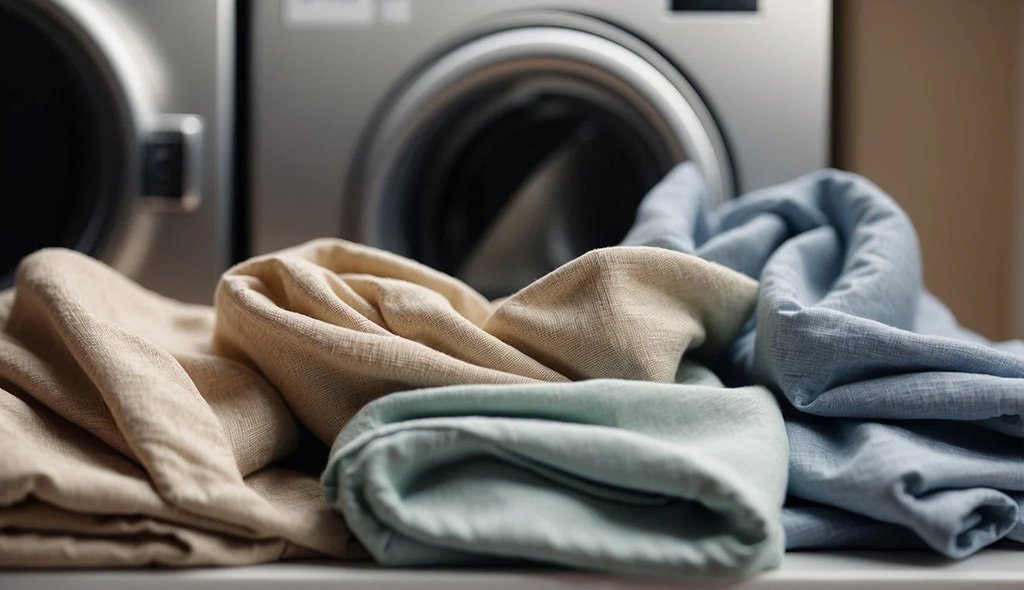
Imagine two summer dresses hanging side by side in a boutique. Both have a relaxed silhouette, soft neutral colors, and the effortless look customers love. One is made from linen, while the other uses viscose. At first glance, they appear equally suitable for a warm-weather collection. Yet once someone tries them on, the differences become noticeable. One has a slightly crisp texture and keeps its shape, while the other moves more fluidly and follows the body. These small details can influence how customers perceive quality, comfort, and value.
Linen and viscose are both cellulose-based fabrics, but they differ in how they are made and how they perform. Linen is a natural flax fiber known for its textured appearance, breathability, and strength. Viscose is a regenerated cellulose fiber valued for softness, fluid drape, and versatility. The better choice depends on garment design, fabric construction, durability requirements, and expected wearing conditions.
For fashion brands developing a women’s clothing collection, the decision involves more than choosing between two attractive fabrics. Material selection affects pattern development, garment measurements, sewing methods, washing performance, production costs, and customer satisfaction. A fabric that looks beautiful in a swatch may behave very differently after cutting, stitching, and laundering. Understanding these differences early makes it easier to create clothing that looks right, performs consistently, and meets the intended retail positioning.
What Is the Difference Between Linen and Viscose?
Linen is a natural textile fiber obtained from the flax plant, while viscose is a manufactured fiber produced by chemically processing and regenerating cellulose, usually sourced from wood pulp. Linen generally offers a more textured, crisp appearance and strong fiber performance. Viscose typically provides a softer feel and more fluid drape. Their suitability depends on fabric structure, weight, finishing, and garment requirements.
What Is Linen Made From?
Linen comes from the stem of the flax plant, scientifically known as Linum usitatissimum. Unlike cotton, which develops as fibers around seeds, flax produces bast fibers within its stalk. These fibers are separated through processes that may include retting, breaking, scutching, and hackling before being spun into yarn and made into fabric. The resulting material is recognized for its distinctive texture, relatively low elasticity, and naturally irregular appearance.
The quality of linen depends on more than the flax itself. Fiber length, yarn spinning, fabric construction, and finishing all influence the finished textile. Fine linen can feel smooth and relatively soft, while heavier or less refined constructions may have a noticeably coarse surface. A lightweight linen dress fabric and a structured linen jacket fabric can behave quite differently even when both contain 100% flax fibers.
For women’s clothing, linen is commonly associated with summer dresses, relaxed shirts, wide-leg trousers, resort wear, and coordinated sets. Its natural slubs and tendency to crease are often part of the intended design rather than signs of poor quality. However, brands must define acceptable texture, fabric weight, opacity, and shrinkage before production because the word “linen” alone does not describe a complete material specification.
Is Viscose Natural or Synthetic?
Viscose occupies a category that sometimes confuses clothing shoppers. It is made from cellulose, a naturally occurring substance found in plants, but the fiber itself is manufactured through a chemical regeneration process. For this reason, viscose is classified as a man-made cellulosic fiber rather than a natural fiber like linen or a petroleum-derived synthetic fiber like conventional polyester.
In conventional viscose production, cellulose is processed into a solution and then regenerated into fibers. These fibers can be spun into yarns or produced in other forms for textile applications. Manufacturers can adjust yarn properties and fabric constructions to create different textures, weights, and appearances. This flexibility explains why viscose appears in everything from soft blouses to printed dresses and flowing skirts.
A common misconception is that plant-based automatically means environmentally harmless. Conventional viscose manufacturing can involve chemical emissions, wastewater concerns, and risks associated with wood sourcing. For clothing brands, it is more useful to evaluate the actual fiber producer, sourcing documentation, and finished fabric performance than to assume that every viscose material has identical environmental or quality characteristics.
Is Viscose the Same as Rayon?
Viscose and rayon are closely related terms, but they are not always interchangeable in every technical or regulatory context. Rayon is a broader fiber classification, while viscose identifies the predominant conventional rayon manufacturing process. In the United States, the Federal Trade Commission recognizes viscose as an acceptable fiber name for relevant forms of rayon, reflecting terminology used in international textile standards.
This distinction matters when clothing brands work across multiple markets. A fabric specification might describe a material as “100% viscose,” while a retail label or supplier document uses the term “rayon.” These descriptions may refer to the same type of fiber, but the actual composition should always be confirmed against supplier records and applicable labeling requirements.
Another important distinction involves related regenerated cellulose fibers, including modal and lyocell. Although they share a cellulose origin, their manufacturing technologies and physical properties are not identical. A supplier offering modal should not automatically be treated as offering conventional viscose with a different marketing name.
For international clothing collections, consistent terminology reduces errors between fabric sourcing, technical documentation, garment labeling, and retail descriptions. The FTC textile labeling guide provides useful guidance on recognized fiber names for the American market.
How Do Their Key Properties Compare?
The most useful way to compare linen and viscose is to evaluate how they perform in a finished garment rather than assigning a single overall quality ranking. Linen generally delivers more natural surface texture and a comparatively crisp structure. Viscose often produces smoother movement and softer folds, making it attractive for styles designed to flow around the body.
| Property | Linen | Viscose |
|---|---|---|
| Fiber type | Natural flax | Regenerated cellulose |
| Typical texture | Textured, crisp | Smooth, soft |
| Typical drape | More structured | More fluid |
| Breathability | Generally good | Generally good |
| Moisture absorption | Good | Good |
| Wrinkling | Often pronounced | Common; varies |
| Wet handling | Generally strong fiber | Conventional grades need care |
| Main garment uses | Shirts, dresses, sets | Dresses, blouses, skirts |
These are general tendencies, not laboratory results for every available textile. A lightweight, enzyme-softened linen and a heavy viscose twill may behave differently from the descriptions above. Yarn density, fabric thickness, finishing chemistry, and blended fibers can significantly change the outcome.
For product development, the practical question is whether the material supports the intended silhouette. A crisp shirt may benefit from linen’s structure, while a gathered midi dress may benefit from viscose’s movement. Neither fabric is automatically superior for every garment, and the final decision should be supported by physical samples and relevant testing.
Which Fabric Is Cooler and More Breathable?
Both linen and viscose can provide comfortable warm-weather clothing because their cellulose-based fibers absorb moisture and can be used in breathable fabric constructions. Linen is often preferred for airy garments that maintain some distance from the skin, while viscose offers softness and fluid movement. However, fabric density, weight, fit, and airflow frequently matter more than fiber composition alone.
Which Is Better for Hot Weather?
Linen has a strong reputation as a summer fabric because it can be woven into breathable textiles and often creates garments with an open, relaxed silhouette. A loose linen shirt or wide-leg trouser may allow air to circulate around the body, making it comfortable in warm conditions. Its relatively crisp structure can also prevent parts of a garment from clinging closely to the skin.
Viscose can also work very well for hot-weather clothing. It is absorbent, commonly feels soft against the skin, and can be made into lightweight fabrics suitable for dresses, blouses, and skirts. However, a highly fluid viscose dress may rest against the body more closely than a structured linen garment, potentially changing how comfortable it feels during humid weather.
Temperature comfort cannot be predicted by fiber name alone. Consider two dresses made with fabrics weighing 130 g/m² and 200 g/m². Even before looking at their fiber compositions, the substantial difference in weight suggests that fabric construction and heat retention deserve attention. Those figures are illustrative specifications, not universal thresholds.
For summer collections, comparing actual fabric samples under realistic wearing conditions provides a better basis for selection than assuming linen always feels cooler than viscose.
How Do They Handle Sweat and Humidity?
Both linen and viscose absorb moisture, but moisture absorption should not be confused with rapid drying or consistently comfortable skin conditions. A fabric can absorb perspiration readily yet remain damp if its construction restricts evaporation or if the surrounding air is already humid. This is particularly relevant for resort wear, summer dresses, and clothing designed for tropical markets.
Linen fabrics frequently provide a comfortable combination of moisture absorption and airflow, especially in relaxed woven constructions. Viscose also absorbs moisture well, but lightweight fabrics may become noticeably heavier or clingier when damp. The experience changes according to yarn structure, fabric density, finishing, and the fit of the garment.
For example, a loose linen-blend shirt and a fitted viscose blouse should not be judged solely by their fiber contents. The amount of fabric touching the skin, sleeve construction, lining choice, and garment openings can all influence perceived comfort.
When brands are developing clothing for humid climates, it is useful to evaluate three separate properties: moisture absorption, drying behavior, and air permeability. These characteristics answer different questions and should not be replaced by a single description such as “breathable fabric.”
How Does Fabric Weave Affect Breathability?
Fabric construction is one of the most overlooked factors in linen-versus-viscose comparisons. Two fabrics made from the same fiber can have very different airflow characteristics if their yarn sizes, weave patterns, and densities differ. A relatively open plain weave may allow more air movement than a compact twill, even when both fabrics share the same composition.
Weight is another important variable, commonly expressed in grams per square meter, or GSM. For illustration, a brand might compare a 120 GSM viscose fabric with a 170 GSM linen fabric. The lighter option may feel less substantial, but this does not automatically prove that it allows more air to pass through. Air permeability needs to be evaluated directly when it is an important performance requirement.
Finishing also matters. Softening, calendaring, coatings, and other treatments can change texture, surface behavior, and sometimes air movement. Linings can further alter comfort, especially when a lightweight outer fabric requires additional opacity.
A sensible fabric review therefore considers composition, GSM, weave, finishing, and garment construction together. For women’s summer apparel, this approach helps avoid a common mistake: choosing a highly breathable outer fabric and then creating a finished garment that feels unexpectedly warm because of its lining, dense construction, or restrictive fit.
How Do Linen and Viscose Differ in Feel and Durability?
Linen typically feels more textured and structured, while viscose usually feels smoother and drapes more fluidly. Linen fibers are generally strong, including when wet, whereas conventional viscose can lose considerable strength when wet and requires more careful handling. Both materials may wrinkle or shrink, depending on construction and finishing. Durability should be assessed through fabric testing and realistic care conditions.
Which Feels Softer and Drapes Better?
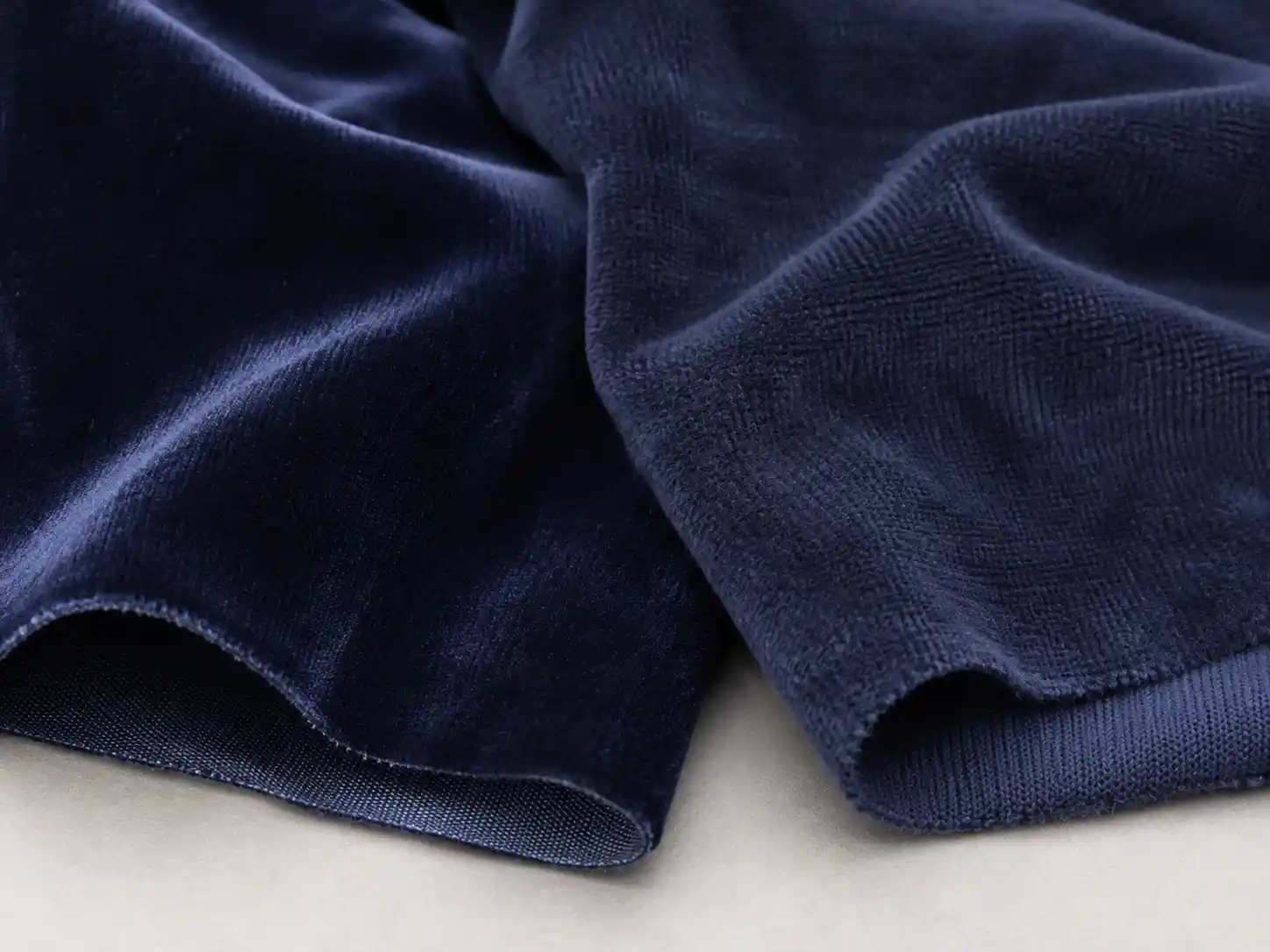
Viscose is often selected for clothing that needs to move naturally with the body. Its relatively fluid drape makes it suitable for gathered skirts, wrap dresses, soft blouses, and flowing maxi dresses. When the wearer walks, the fabric can form smooth folds that create a relaxed, feminine appearance. This movement is particularly valuable in garments where excessive stiffness would interfere with the intended design.
Linen usually offers a more substantial and textured handfeel, although this varies considerably. A lightweight, well-finished linen can feel pleasantly soft, while a heavier linen construction may maintain a crisp shape around collars, sleeves, waistlines, and trouser legs. Linen also tends to soften with use and washing, although the change depends on the fabric and care treatment.
Drape is influenced by more than softness. GSM, yarn twist, weave, and finishing all affect how a material hangs. A heavier viscose fabric can have excellent drape without being thin, while a lightweight linen may feel softer but still retain visible structure.
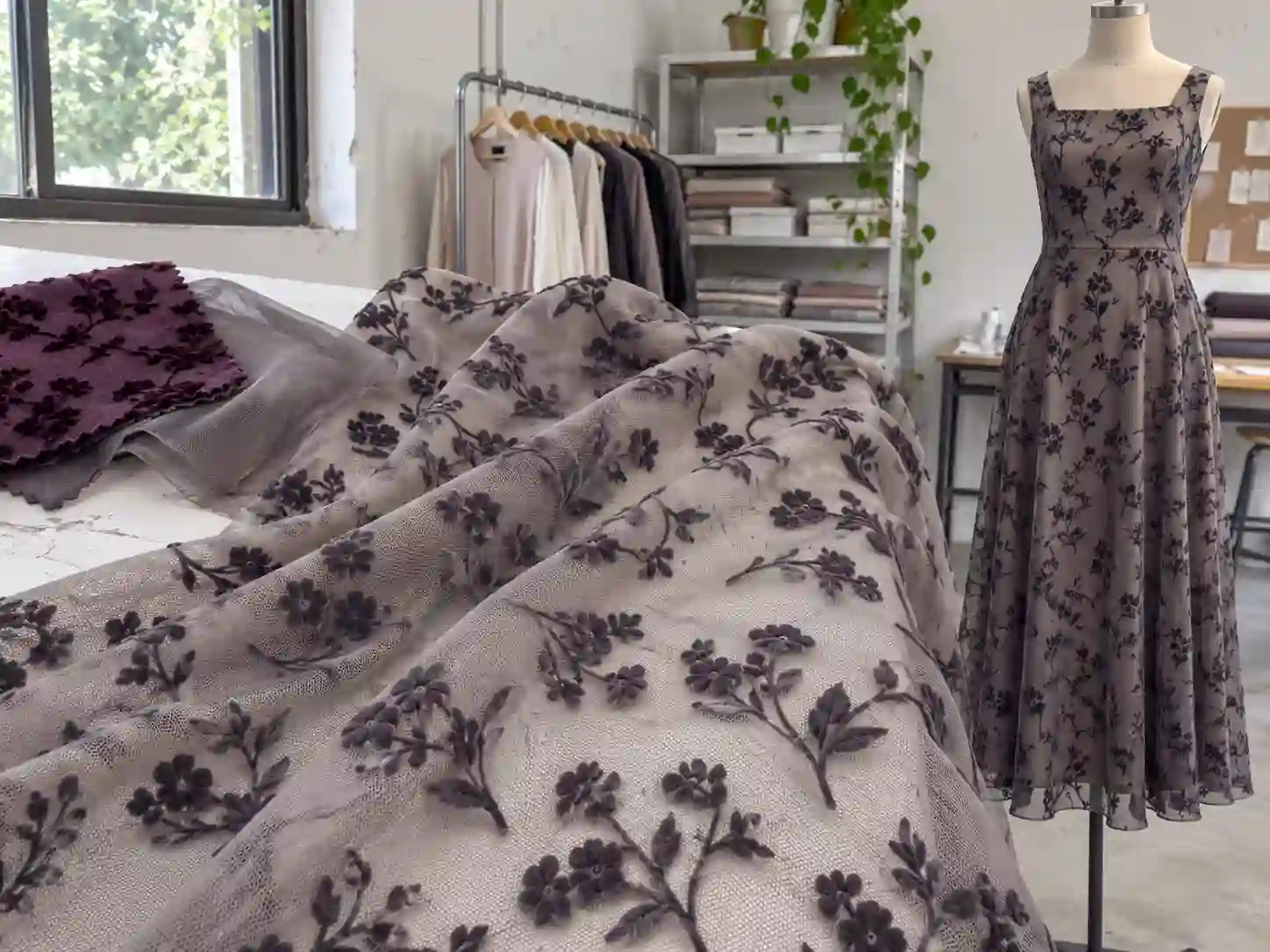
For designers, a useful evaluation involves placing full-size fabric panels over a dress form rather than judging only small swatches. Larger samples reveal movement, fold formation, transparency, and the relationship between material and silhouette.
Which Wrinkles or Shrinks More?
Linen is particularly well known for wrinkling because flax fibers have relatively limited elastic recovery after bending. Sitting, folding, or carrying a linen garment can create visible creases that remain until the fabric is pressed or relaxed through appropriate finishing. For many resort and casualwear collections, this lived-in appearance is desirable rather than problematic.
Viscose also wrinkles, and some lightweight constructions crease noticeably during wear. Its softer drape may make wrinkles look different from those in linen, but it should not automatically be described as wrinkle-free. Garment construction and finishing determine whether the creases appear sharp, soft, or uneven.
Shrinkage is another consideration for both materials. Linen can experience relaxation shrinkage or dimensional changes after laundering, while viscose may shrink, stretch, or distort depending on its wet stability and construction.
A simple measurement example explains the risk. If a fabric reference length changes from 100 cm before washing to 96 cm afterward, the measured shrinkage is 4%. That result may be acceptable for one product specification and unacceptable for another.
Brands should establish care conditions, test methods, and dimensional tolerances before approving material. No universal shrinkage percentage should be assumed acceptable for every garment.
Which Is More Durable When Wet?
Linen fibers generally retain high strength when wet, which contributes to their reputation for durability. However, finished garment performance still depends on yarn quality, fabric structure, seam construction, and repeated use. A loosely woven linen blouse may be delicate in practice even though the underlying flax fiber is strong.
Conventional viscose presents a different challenge because its wet strength can be significantly lower than its dry strength. Aggressive washing, twisting, or handling while wet can therefore increase the risk of distortion or damage. Improved regenerated cellulose grades and specialized constructions may behave differently, so the supplier’s exact material specification matters.
The distinction becomes especially important during garment manufacturing. Viscose fabrics may require careful tension control when spreading and cutting, appropriate stitch settings, and attention to seam movement. Linen may create different difficulties, including yarn irregularity, fraying, and visible seam puckering.
Neither material should be judged by tensile strength alone. Real garments experience repeated bending, washing, abrasion, and seam loading. Testing should reflect the intended use rather than a single isolated measurement.
For frequently worn women’s clothing, brands should consider the durability of the complete garment, including seams, closures, and shape retention after laundering, before selecting either fiber.
How Should Each Fabric Be Washed?
Linen garments are often washable, but the correct method depends on their construction, color, trims, finishing, and any lining. Gentle machine washing may be suitable for some casual linen products, while structured or decorated garments can require more restrictive care. High temperatures and mechanical agitation may increase shrinkage or affect surface appearance if the fabric has not been properly prepared.
Viscose generally deserves greater attention during wet handling. Some viscose garments can be machine washed on a gentle cycle, while others require hand washing or professional cleaning according to the fabric and finished-garment assessment. Strong wringing, excessive agitation, and unsupported hanging while saturated can increase distortion risks.
Care instructions should therefore be established through product evaluation, not copied automatically from another garment with the same fiber content. A 100% viscose blouse with delicate seam construction may need different instructions from a more stable viscose-blend dress.
For commercial production, care testing should examine the finished garment as well as fabric swatches. Measurements, twisting, seam appearance, color changes, and overall presentation after washing should be reviewed.
Brands that establish realistic care instructions early can reduce avoidable customer complaints and prevent situations where garments look excellent at delivery but disappoint after their first few washes.

Which Fabric Is Best for Women’s Clothing?
Linen is often suitable for structured summer shirts, relaxed trousers, and casual dresses that benefit from natural texture. Viscose is frequently preferred for flowing dresses, soft blouses, and skirts requiring fluid movement. Linen–viscose blends can provide an alternative when a design needs both texture and softness. The best fabric depends on silhouette, garment weight, opacity, durability, and intended retail positioning.
Which Works Best for Dresses and Skirts?
Dresses and skirts reveal fabric differences more clearly than many other garments because their silhouettes depend heavily on movement and volume. A relaxed linen shirt dress can maintain a clean shape around the collar, button placket, and waist. The fabric’s natural texture helps create an understated casual look that suits resort and warm-weather collections.
Viscose can be particularly attractive for wrap dresses, bias-cut skirts, gathered midi dresses, and flowing maxi styles. Its fluid movement allows the fabric to follow body contours and fall into soft folds. However, highly fluid materials may also require additional consideration for transparency, seam stability, and pattern balance.
Fabric weight can change the result substantially. A hypothetical development comparison might evaluate 130 GSM, 160 GSM, and 190 GSM materials to observe differences in drape, opacity, and silhouette. These are example trial weights, not universal recommendations for every dress.
For a structured A-line skirt, a heavier linen construction might maintain the intended outline more effectively than a soft viscose. Conversely, a flowing printed skirt could benefit from the movement of viscose.
Brands should assess each option on the actual garment pattern, because a fabric that looks ideal on a hanger may behave differently when worn.
Which Suits Blouses, Shirts, and Trousers?
Women’s shirts often benefit from a fabric that maintains a recognizable shape around the collar, cuffs, shoulders, and button placket. Linen is a natural candidate for relaxed shirts, oversized silhouettes, and tailored-looking summer pieces. Its textured surface can also help communicate a casual premium aesthetic without complicated decorative treatments.
Viscose is frequently chosen for soft blouses, tie-neck tops, gathered sleeves, and garments designed to fall close to the body. It works particularly well when movement and a gentle handfeel are more important than structural definition.
Trousers require additional attention because the fabric must handle sitting, walking, friction, and repeated movement. Linen can suit straight-leg and relaxed wide-leg trousers, although creasing and abrasion resistance should be considered. Viscose can produce elegant drape but may require careful evaluation of seam strength, recovery, and distortion.
The same material may perform differently in a blouse and a pair of trousers. A lightweight viscose that works beautifully for a loose top may be unsuitable for a high-friction trouser design.
When selecting fabric for a coordinated collection, brands should avoid assuming that one composition and weight will perform equally well across all styles.
Which Is Better for Resort Wear?
Resort wear often combines comfort, movement, and visual simplicity, making both linen and viscose relevant. Linen fits naturally into collections featuring oversized shirts, drawstring trousers, relaxed shorts, and matching sets. Its distinctive texture is frequently associated with coastal styling, warm-weather dressing, and understated luxury.
Viscose is useful for flowing kaftans, printed maxi dresses, loose skirts, and soft matching sets. Because it can produce smooth movement and accommodate many printing approaches, it gives designers flexibility when developing colorful or expressive collections. The actual print method must still be compatible with the selected fabric.
Resort clothing is not always worn only at the beach. Customers may expect the same garment to work for travel, restaurants, shopping, and everyday summer activities. This creates competing requirements involving comfort, packability, washability, and wrinkle appearance.
Linen may offer a natural aesthetic but develop visible creases during travel. Viscose may drape beautifully but need more careful handling and packing.
A practical resort collection can use different fabrics for different silhouettes rather than forcing the entire range into a single material. Product variety becomes more coherent when each fabric choice is linked to a clear design purpose.
Are Linen–Viscose Blends a Better Choice?
Linen–viscose blends can be a useful alternative when a brand wants linen’s distinctive appearance but prefers a softer handfeel or more flowing movement. By combining flax and regenerated cellulose fibers, manufacturers can create fabrics with different balances of texture, drape, cost, and dimensional behavior.
However, a blend does not automatically deliver the best properties of both fibers. Its performance depends on the blending ratio, yarn construction, fabric weave, and finishing processes. A 55% linen and 45% viscose blend, for example, will not necessarily behave like another fabric with the same fiber ratio if the yarns and finishing methods differ.
Blended fabrics also require appropriate testing. The presence of linen does not guarantee improved dimensional stability, and the presence of viscose does not eliminate wrinkling. Shrinkage, seam performance, colorfastness, and laundering behavior must still be evaluated.
For women’s apparel development, blends may be worth exploring when 100% linen feels too crisp or 100% viscose lacks the desired texture. They can also support a distinctive appearance within a collection.
The most reliable comparison involves testing representative fabrics side by side and assessing how each performs in the intended garment, rather than choosing a blend based only on its composition percentage.
How Do Cost and Sustainability Compare?
Linen is often more expensive than conventional viscose because flax fiber processing, yarn preparation, and material quality can increase production costs. Viscose is available across a wide range of commercial qualities and price levels. Environmental performance is more complex: flax cultivation, viscose feedstock sourcing, chemical processing, dyeing, and garment longevity all matter. Neither fiber should be described as universally more sustainable.
Which Fabric Typically Costs More?
Linen commonly carries a higher fabric price than standard viscose, although this is not guaranteed across every supplier and fabric specification. Flax fiber preparation, spinning quality, finishing, origin, and supply conditions can influence linen pricing. Viscose costs depend on fiber grade, yarn type, fabric construction, dyeing, printing, and the production requirements of the material supplier.
For clothing manufacturers, fabric price per meter is only one part of the calculation. Fabric width, garment consumption, cutting waste, shrinkage allowance, and sewing efficiency can all change the actual cost per finished piece.
Consider an illustrative example in which one dress uses 1.8 meters of fabric while another construction requires 2.1 meters. The second option consumes approximately 16.7% more fabric before accounting for cutting waste or defects. A lower fabric price may not produce a lower garment cost if consumption rises substantially.
Complex materials can also require additional sewing adjustments, careful cutting, pre-treatment, or higher quality-control attention. These factors affect the total production economics.
At XZapparel, material selection is considered alongside garment construction and production feasibility. The goal is to match the intended retail positioning with a realistic specification rather than selecting fabric solely because its initial quotation appears cheaper.
Is Linen or Viscose More Sustainable?
Linen and viscose both originate from cellulose, but they follow different supply chains and processing routes. Linen begins with flax cultivation and mechanical and biological fiber preparation, followed by spinning, fabric production, and finishing. Its environmental impact depends on agricultural practices, processing energy, water use, dyeing, and the finished product’s lifespan.
Viscose usually depends on wood-derived cellulose and a chemical regeneration process. Important environmental considerations include forest management, feedstock traceability, chemical handling, wastewater, emissions, and energy consumption.
The European Environment Agency emphasizes that textile impacts occur across production, use, and disposal. Similarly, Textile Exchange identifies responsible forestry and cleaner chemical processing as major priorities for man-made cellulosic fibers.
For sustainability-conscious brands, the most credible comparison considers actual suppliers and documented production routes. A responsibly sourced viscose with transparent processing data may be preferable under certain assessment criteria, while a particular linen supply chain may perform better under others.
Environmental claims should remain specific. Descriptions such as “100% sustainable,” “chemical-free,” or “zero-impact” require exceptional substantiation and should not be inferred from a fiber’s natural origin.
What Affects Fabric Sourcing and Availability?
Material availability can significantly influence the production schedule for a women’s clothing collection. A fabric listed in a supplier catalog may not be available in the required color, weight, width, or quantity. Custom dyeing, specialized finishing, and unique constructions can create additional minimum-order and lead-time requirements.
Linen sourcing may depend on flax supply, yarn availability, weaving capacity, finishing, and fabric quality. Viscose sourcing involves its own fiber, yarn, and fabric supply chains. Neither material can be assumed continuously available in every specification.
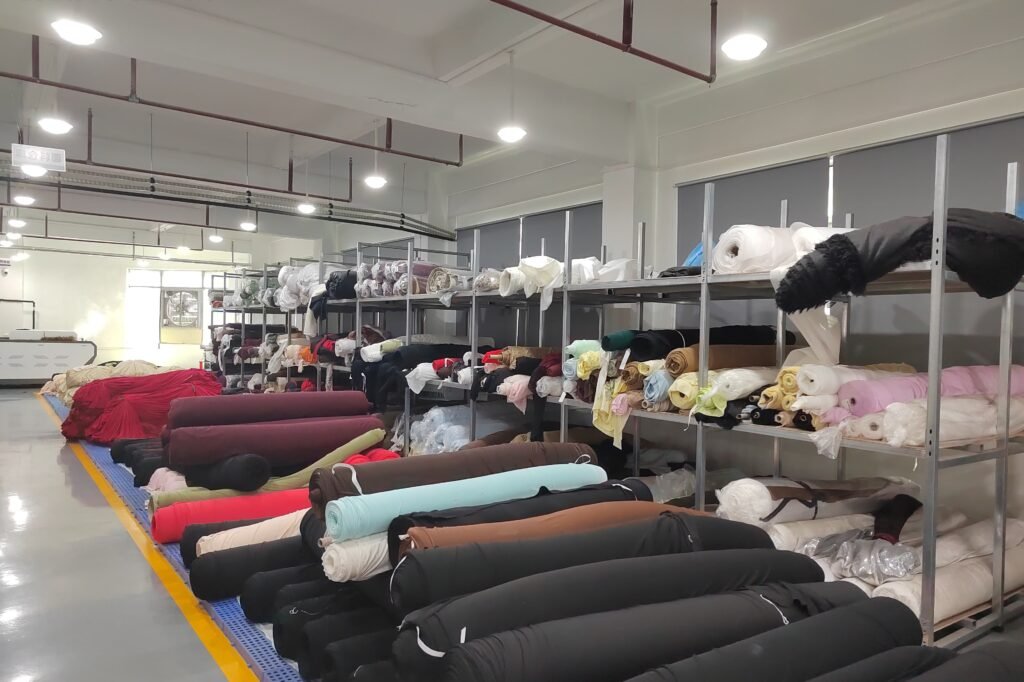
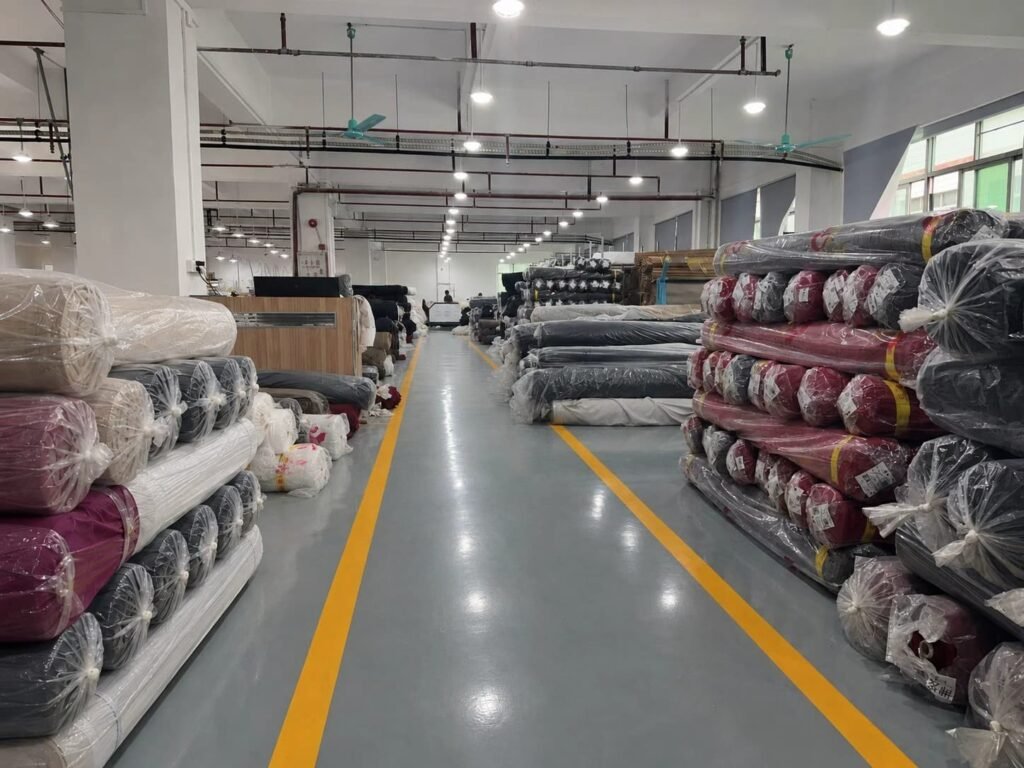
XZapparel works with more than 30 regularly used fabric suppliers and draws on sourcing resources in Dongguan, Humen, and Guangzhou’s Zhongda textile market. This network supports material searching and development, but availability and commercial conditions still require project-specific confirmation.
A useful sourcing process begins with clearly defined alternatives. For instance, a brand seeking a soft, textured resort fabric may compare an existing linen blend, a similar available construction, and a custom-developed fabric.
Each route has different implications for color consistency, material approval, quantity, and scheduling. The fastest material to source is not necessarily the best material for the garment, particularly when a collection must support repeat orders and consistent product quality.
Which Sustainability Documents Matter?
Sustainability documentation should be selected according to the claim a brand intends to make. A fabric composition sheet confirms declared fiber content, while a material test report addresses specified performance or chemical criteria. Neither automatically verifies responsible forestry, recycled content, or overall environmental superiority.
For viscose, responsible sourcing information may involve forest-related chain-of-custody documentation and evidence concerning fiber producers or pulp origins. Depending on the sourcing route, FSC or PEFC-related documentation may be relevant. The exact certification scope and transaction chain must be verified before a product-level claim is made.
For materials offered with recycled-content or chemical-testing claims, appropriate documentation may include applicable GRS-related records or OEKO-TEX-related test or certification evidence. These schemes have different purposes and should not be treated as interchangeable sustainability endorsements.
At XZapparel, qualified material suppliers may be able to provide relevant certification documentation for applicable projects. Such records belong to the identified supplier, material, or certified supply chain and do not automatically establish certification of XZapparel’s factory.
Brands should verify the certificate holder, validity dates, scope, applicable products, and supporting transaction records. Reliable documentation is more valuable than an attractive sustainability claim that cannot be traced to a specific material or production batch.
How Should Brands Choose Fabric for Production?
Brands should choose linen or viscose by defining the garment’s target appearance, comfort, construction, care requirements, and commercial specifications before bulk production. Important inputs include fiber composition, GSM, width, weave, drape, opacity, shrinkage, and color standards. Physical sampling, relevant fabric tests, material availability, and production approval should follow. A fabric is ready for production only when its performance meets agreed requirements.
What Fabric Specifications Should Be Confirmed?
A strong fabric specification does more than identify the material as linen or viscose. It describes the characteristics needed to reproduce the intended garment reliably. Fiber composition is the starting point, followed by fabric construction, weight, usable width, finishing, and appearance standards.
For example, a brand developing a flowing summer dress might request a 100% viscose woven fabric with a target weight of 140 GSM and a usable width of 145 cm. These figures are illustrative development inputs, not prescribed specifications. Final values must be confirmed using actual supplier materials and garment requirements.
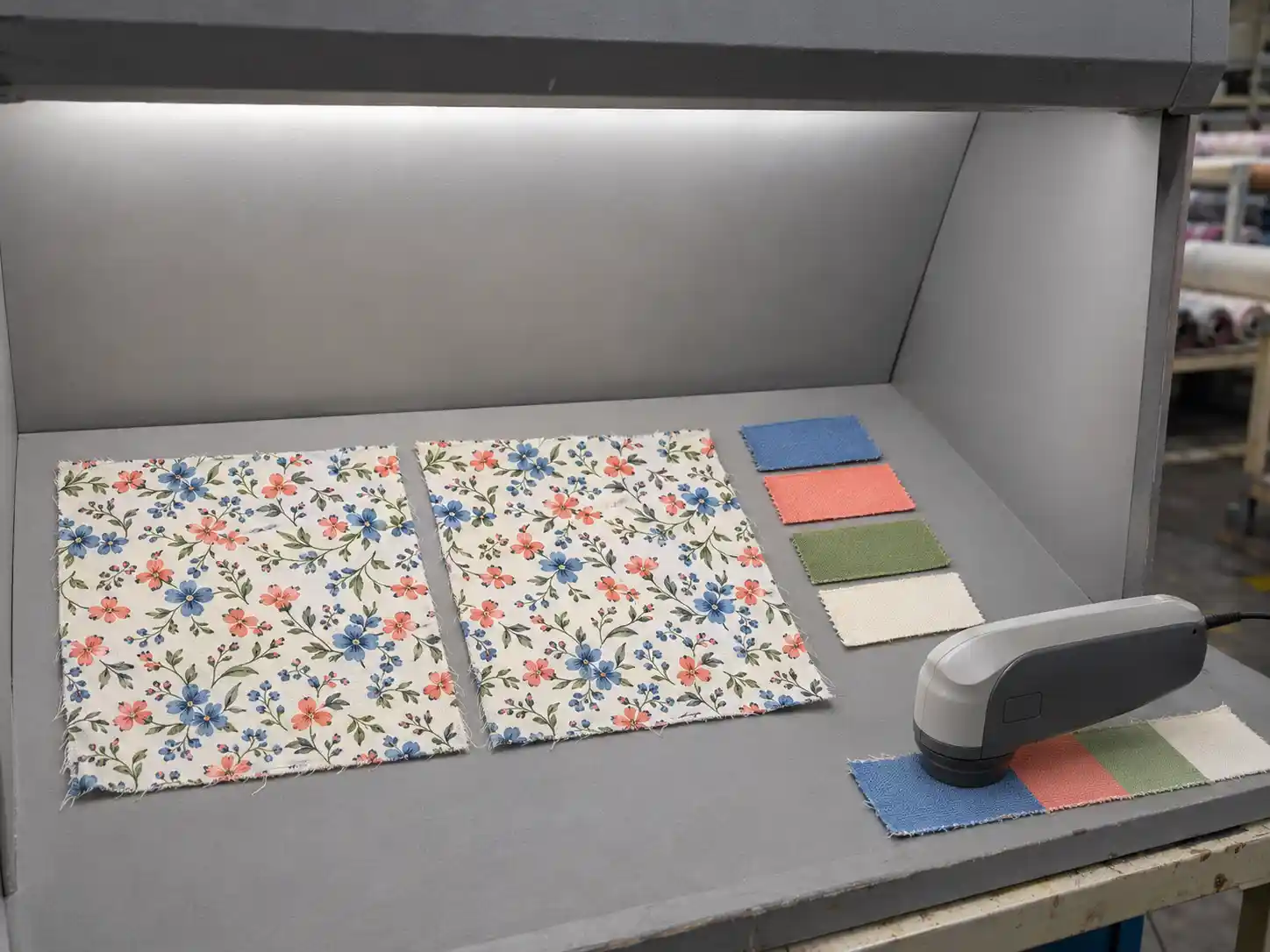
A fabric approval should establish measurable or observable criteria, including dimensional stability, color variation, opacity, and drape. When the design includes printing, embroidery, linings, or other finishes, compatibility must also be evaluated.
| Specification | Example Development Input | Approval Basis |
|---|---|---|
| Composition | 100% viscose | Supplier declaration |
| Fabric weight | 140 GSM target | Agreed tolerance and measurement |
| Usable width | 145 cm target | Width verification |
| Construction | Woven plain weave | Approved fabric reference |
| Color | Approved lab dip | Agreed color standard |
| Shrinkage | Project-defined limit | Specified wash test |
| Drape and opacity | Approved garment appearance | Sample review |
Once these conditions are agreed upon, design, sourcing, sampling, and quality teams have a common reference. That reduces subjective decisions during bulk production and helps identify material changes before they affect finished garments.
How Should Fabric Samples Be Tested?
Fabric testing should focus on risks relevant to the garment rather than applying an identical testing package to every material. Linen may require particular attention to shrinkage, shade differences, surface irregularities, fraying, and finished appearance. Viscose may require closer evaluation of dimensional stability, wet handling, seam movement, and distortion.
A basic development review can include weight verification, fabric-width measurement, dimensional-change testing, colorfastness checks, and visual inspection. Additional tests depend on garment construction, intended use, and customer requirements.
Suppose a woven fabric changes from 50 cm to 48.5 cm along a measured direction after a specified wash process. The resulting dimensional change is 3%. Whether that passes depends on the agreed test method and acceptance limit; the number itself is not proof of failure.
XZapparel’s documented in-house production-control capabilities include fabric inspection, GSM measurement, shrinkage, colorfastness, washing, and other relevant checks. Where formal independent reports are required, testing can be coordinated with qualified third-party laboratories according to project requirements.
The most useful test result leads to a decision: approve the fabric, modify the garment pattern, change the material, or request corrective action. Testing without a defined acceptance standard provides limited protection.
How Do MOQ and Lead Time Affect Selection?
Minimum order quantity and lead time can determine whether an otherwise suitable fabric works for a commercial clothing collection. A brand may prefer a particular linen construction but discover that the required custom color has a high dyeing minimum. Another viscose option may be available from stock but fail to match the required handfeel or transparency.
XZapparel’s standard garment MOQ is 200 pieces per style per color, subject to fabric, trim, process, and supplier requirements. This is a garment production baseline, not a promise that every custom fabric can be purchased at the same minimum quantity.
Consider a collection containing three dress styles in two colors each. At 200 pieces per style-color combination, the baseline is 1,200 garments across six combinations. However, fabric supplier minimums may still require adjustments depending on the material chosen.
Typical XZapparel sampling time is approximately 3–5 working days for simpler garments and 5–7 working days for more complex styles, when the necessary development inputs and materials are ready. Bulk production commonly takes around 25–35 working days after materials are ready, the pre-production sample is approved, and production details are confirmed.
Custom material development, revisions, supplier availability, and seasonal scheduling can extend the total project timeline. Fabric selection should therefore take place early enough to protect the planned launch date.
How Can Brands Reduce Bulk Production Risks?
The greatest challenge in moving from an approved sample to bulk production is maintaining the characteristics that made the original sample successful. A linen dress can change appearance if the production fabric has different texture, shrinkage, or color variation. A viscose dress can lose its intended drape or fit if the bulk material differs in weight, finishing, or dimensional stability.
A practical production-control plan should connect material approval with pattern development, sewing construction, measurement standards, and final garment inspection. Changes to fabric suppliers, batches, or finishing processes should be reviewed for their potential effect on the approved design.
At XZapparel, this work is supported by coordinated fabric sourcing, pattern development, sampling, cutting, sewing, and quality-control operations. Its established production workflow includes incoming fabric inspection, pre-production review, cutting inspection, inline quality checks, measurement inspection, finishing inspection, final inspection, and packing inspection.
For brands preparing a new linen, viscose, or blended-fabric collection, a focused development review can begin with reference garments, technical drawings, target composition, quantities, desired fit, and launch requirements.
The objective is not simply to approve an attractive fabric. It is to confirm that the chosen material can be translated into garments with consistent appearance, acceptable performance, and commercially realistic production conditions.
Linen and viscose each offer valuable opportunities for contemporary women’s clothing, but neither should be treated as the automatic winner. Linen may be the more natural choice for textured, structured summer styles, while viscose can bring the softness and fluid movement needed for elegant dresses and blouses. Blends create additional possibilities when a design calls for a balance of these characteristics. The decision becomes clearer when brands move beyond fiber names and evaluate actual material specifications, garment samples, care performance, sourcing conditions, and production risks. At XZapparel, fabric selection forms part of a broader product development process connecting design intent with material feasibility and repeatable manufacturing. A well-chosen fabric does more than make the first sample look beautiful. It helps the finished collection deliver the quality, fit, and consistency customers expect.
Share This Article :

Jerry
Blog Categories

Latest Post